Easy baking recipes are simple recipes that use basic ingredients, clear steps, and reliable techniques so beginners can make cakes, cookies, breads, and desserts with confidence.
In the United States, home baking is often connected with family gatherings, holiday traditions, school events, and everyday treats. Many American kitchens already have common baking staples such as flour, sugar, eggs, butter, milk, and baking powder, making simple baked goods an accessible activity for beginners.
The easiest baking recipes usually succeed because they focus on balance rather than complicated methods. Understanding how ingredients work, measuring carefully, and following the correct baking temperature can make a bigger difference than using advanced equipment or difficult techniques.
This guide explains practical easy baking recipes, the basic science behind them, common mistakes, and ways to choose recipes based on time, skill level, and available ingredients.
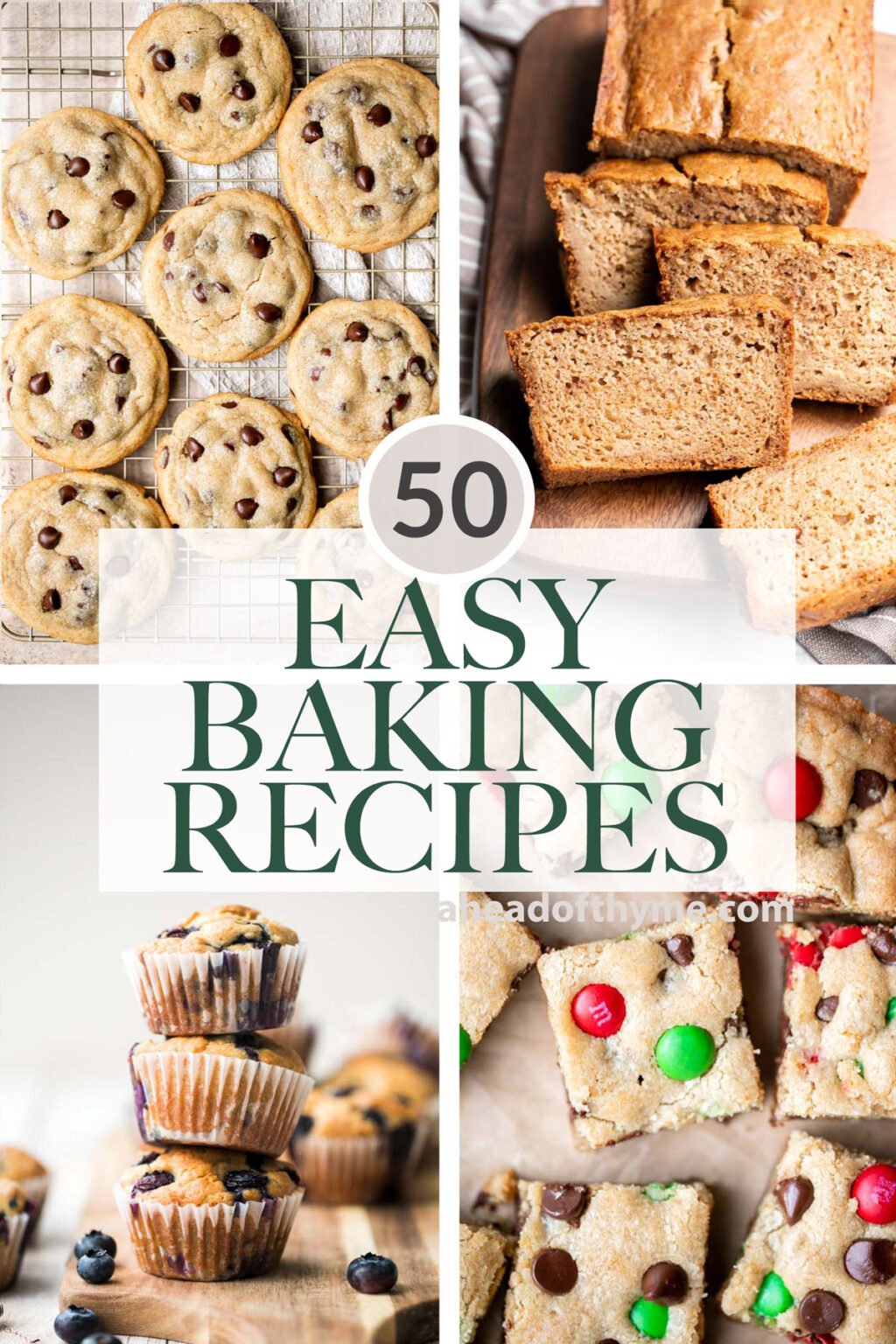
Source: sallysbakingaddiction.com
What Makes A Baking Recipe Easy?
An easy baking recipe reduces unnecessary steps without removing the important parts that create a good result. A beginner-friendly recipe usually has familiar ingredients, straightforward instructions, and a predictable baking time.
The best simple recipes teach useful skills that transfer to other baked goods. For example, learning how to cream butter and sugar for cookies can help with many cake recipes. Learning how to avoid overmixing batter can improve muffins, breads, and cupcakes.
Easy does not always mean fewer ingredients. Some recipes use several ingredients but remain simple because each step has a clear purpose and does not require advanced techniques.
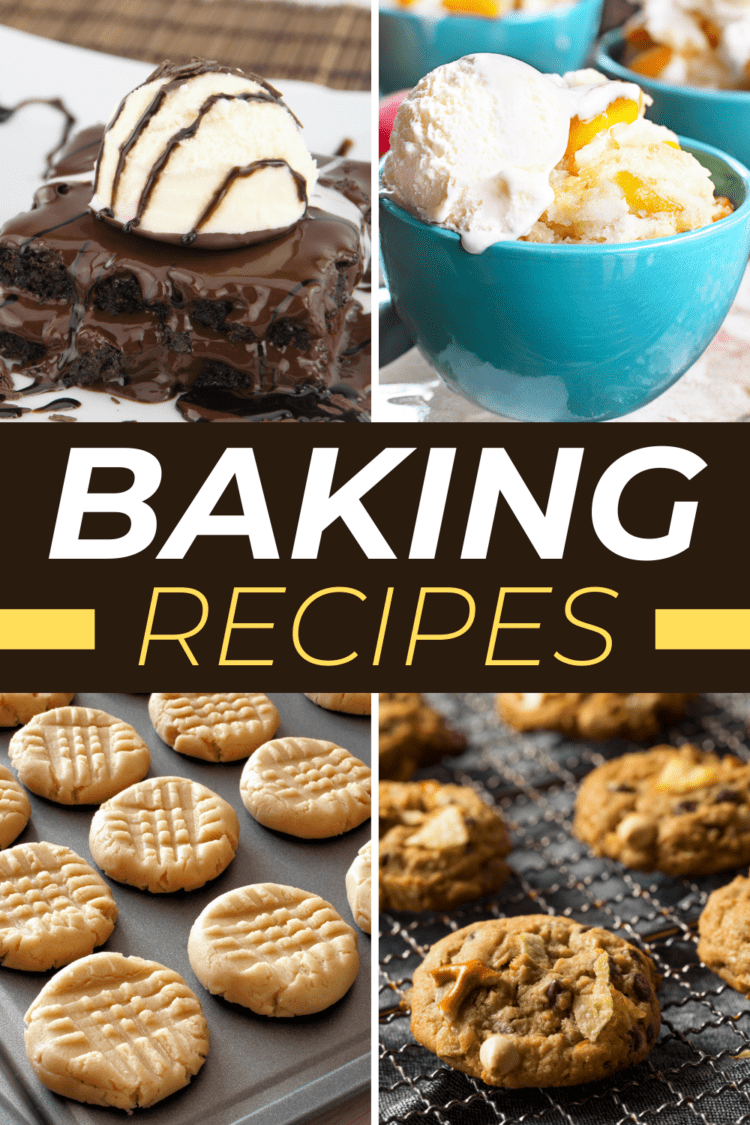
Source: insanelygoodrecipes.com
Simple ingredients
Recipes that use common pantry items are easier to prepare without extra shopping or specialty tools.
Clear instructions
Good recipes explain preparation steps in an order that prevents mistakes.
Forgiving methods
Beginner recipes often allow small variations without causing major texture problems.
Why Ingredient Balance Matters
Baking is different from many cooking methods because ingredients create structure through measured reactions. Flour provides structure, eggs help bind ingredients, fats add moisture and flavor, and leavening agents create rise.
A recipe becomes easier when the balance between these ingredients is reliable. Changing one ingredient too much can affect texture, moisture, and baking time.
Flour
Provides the framework that holds many baked goods together.
Sugar
Adds sweetness while also affecting moisture and browning.
Essential Ingredients For Easy Baking Recipes
Most easy baking recipes begin with a small group of basic ingredients. Keeping these items available can make it easier to prepare desserts or baked snacks without planning far ahead.
American recipes often use all-purpose flour because it works well for many baked goods. Other common ingredients include granulated sugar, brown sugar, baking soda, baking powder, eggs, butter, milk, vanilla extract, cocoa powder, and salt.
Understanding ingredient roles helps bakers make better decisions when adjusting recipes. For example, replacing butter with another fat may change flavor and texture, while reducing sugar may affect moisture and browning.
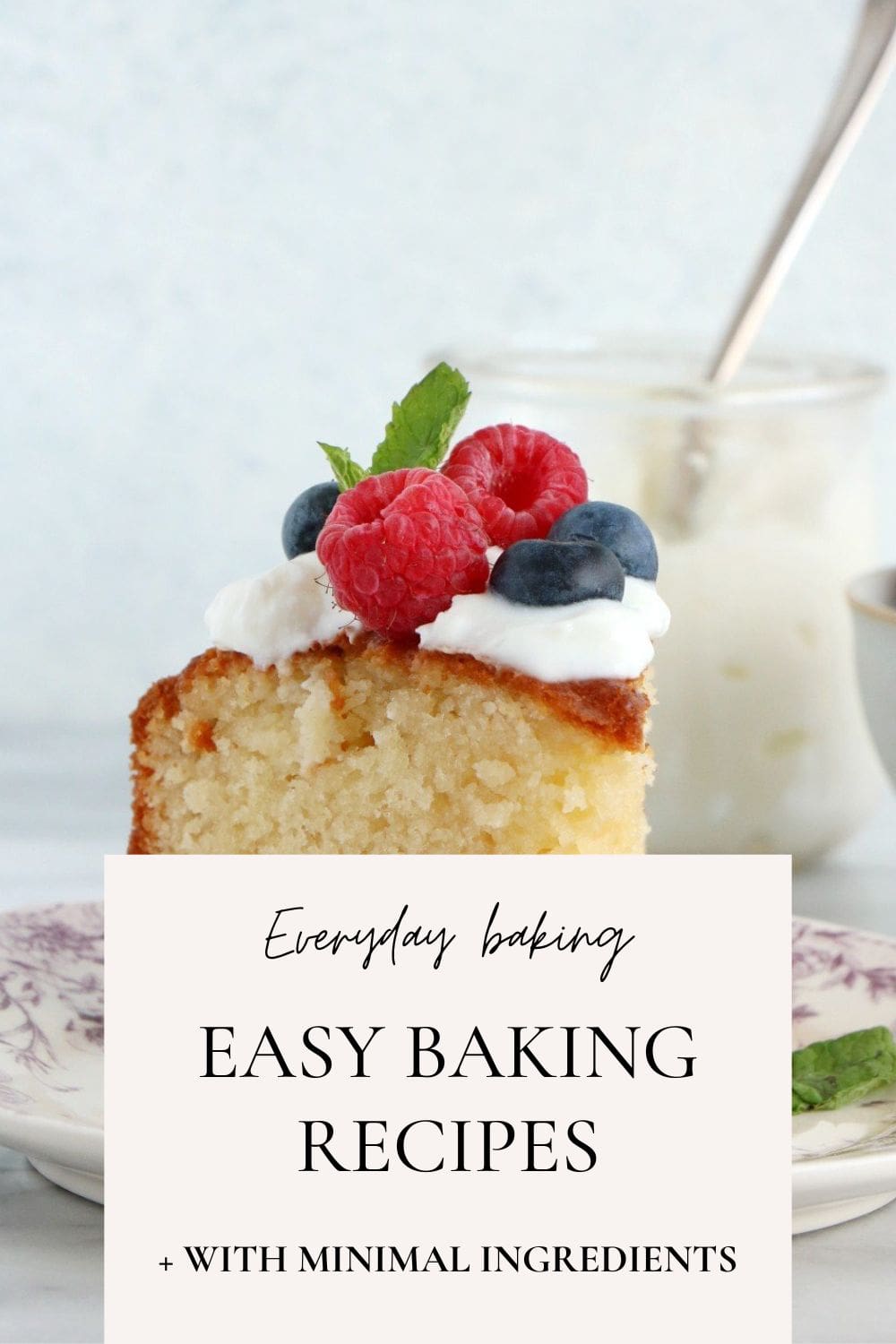
Source: errenskitchen.com
All-purpose flour
A versatile flour option for cookies, muffins, cakes, and many quick breads.
Leavening agents
Baking powder and baking soda help create lighter textures by producing gas during baking.
Flavor additions
Vanilla, spices, chocolate, fruits, and nuts can change a basic recipe into a different treat.
Tools Beginners Actually Need
A beginner does not need a large collection of equipment. A few reliable tools can handle most easy baking recipes.
Measuring cups and spoons, mixing bowls, a whisk, a spatula, baking sheets, and basic cake pans are enough for many starting recipes.
Digital kitchen scale
Can improve accuracy, especially when measuring flour.
Oven thermometer
Helps check whether an oven temperature matches the displayed setting.
Best Easy Baking Recipes For Beginners
Beginners usually get the best results by starting with recipes that teach basic techniques. Cookies, muffins, brownies, and simple cakes are useful first projects because they do not require complicated shaping or decoration.
Each type of baked good develops different skills. Cookies teach mixing and portion control. Muffins teach batter preparation. Cakes teach measuring, baking time management, and simple decoration.
Choosing a recipe that matches your available time can make baking more enjoyable. A quick batch of cookies may take less than an hour, while a layered cake requires more preparation.
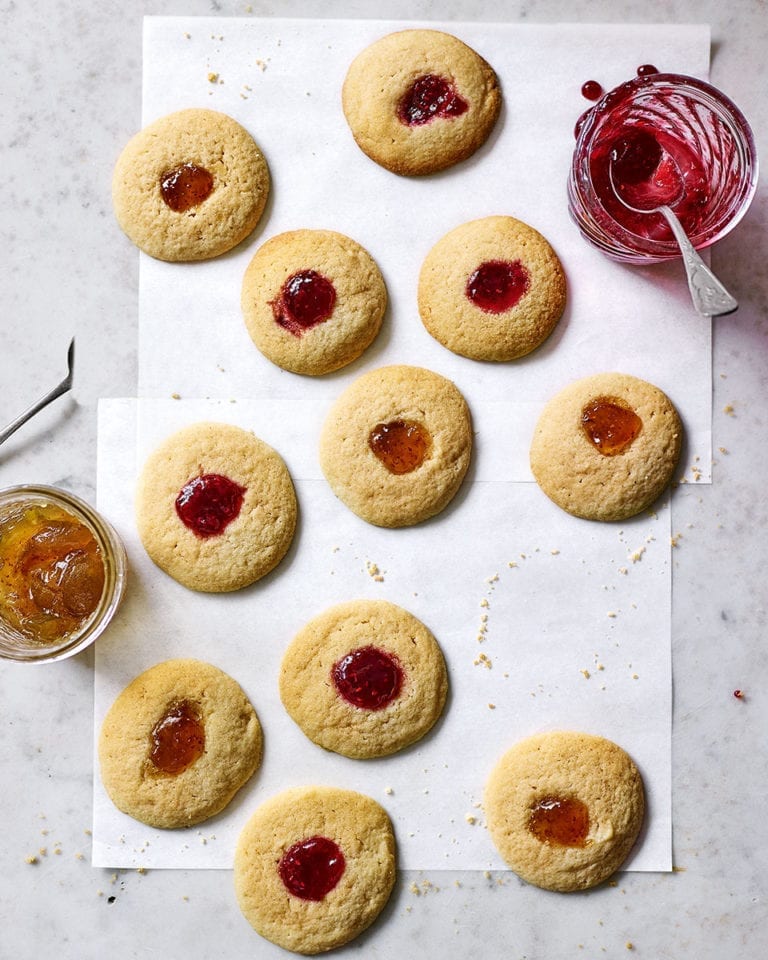
Source: deliciousmagazine.co.uk
Chocolate chip cookies
A beginner-friendly option that teaches how fats, sugars, and flour create texture.
Banana muffins
A practical recipe for using ripe bananas while learning basic mixing techniques.
Breads such as banana bread use chemical leavening instead of yeast, making them easier for beginners.
How To Choose The Right Recipe
Choose recipes based on your goal. If you want a fast result, select cookies or muffins. If you want to practice decoration, choose a simple cake. If you want a breakfast option, consider quick breads.
Reading the full recipe before starting prevents surprises. Check preparation time, ingredient availability, and equipment requirements first.
Short preparation time
Useful for busy schedules and first attempts.
Few technical steps
Better for learning basic baking habits.
Step-By-Step Method For Successful Home Baking
Successful baking starts before the oven is turned on. Preparing ingredients and following the recipe order can prevent many common problems.
First, read the recipe completely and gather all ingredients. Preheat the oven before baking because many recipes depend on reaching the correct temperature before the batter or dough goes inside.
Next, measure ingredients carefully. Too much flour is one of the most common causes of dry baked goods because flour absorbs moisture and changes the texture.
Source: delscookingtwist.com
Prepare ingredients
Measure everything before mixing to keep the process organized.
Mix correctly
Avoid unnecessary mixing because excess gluten development can make some baked goods tough.
Check doneness
Use visual signs and recipe instructions instead of relying only on time.
Signs Your Baking Is Going Well
A well-baked item usually has the expected color, texture, and structure described by the recipe. Cookies should generally hold their shape, muffins should rise evenly, and cakes should feel set in the center.
Cooling time also matters. Some baked goods continue to set after leaving the oven, so cutting them too early can affect texture.
Even color
Shows that heat reached the surface consistently.
Proper texture
Indicates that moisture and structure developed correctly.
Common Baking Mistakes And How To Fix Them
Many baking problems come from small preparation mistakes rather than complicated issues. Understanding the cause makes it easier to improve future batches.
A dry cake may result from too much flour, overbaking, or insufficient moisture. Flat cookies may happen because the butter temperature, leavening agents, or mixing method were not suitable.
When a recipe fails, avoid changing several things at once. Adjust one factor during the next attempt so you can understand what improved the result.
Source: irepo.primecp.com
Dry baked goods
Check flour measurement, baking time, and ingredient ratios.
Uneven rising
Check leavening agents and confirm the oven was fully preheated.
Burned edges
Reduce baking time or adjust oven rack position if needed.
Food Safety Tips For Baking
Basic food safety practices are important when working with ingredients such as eggs, dairy products, and raw flour. Avoid eating raw dough or batter because some ingredients may contain harmful microorganisms.
Store finished baked goods according to the ingredients used. Items with dairy-based fillings or toppings may need refrigeration.
Clean preparation area
Wash hands and keep tools clean before and after baking.
Proper storage
Use suitable containers and storage conditions to maintain quality.
Frequently Asked Questions
Q
What are the easiest baking recipes for beginners?
Cookies, muffins, brownies, and quick breads are often good starting points because they use simple methods and do not require advanced decoration skills.
Beginners should choose recipes with clear instructions and familiar ingredients.
Q
Can I bake without expensive equipment?
Yes. Many easy baking recipes only require basic tools such as bowls, measuring tools, a whisk, and baking pans.
Special equipment can be useful later, but it is not required for learning basic baking skills.
Q
Why did my baked goods become dry?
Dry texture can come from too much flour, overmixing, or baking too long.
Review measurements and baking time before changing the recipe ingredients.
Q
How can I make simple recipes taste different?
You can add flavors such as chocolate, nuts, fruit, spices, or extracts while keeping the basic recipe structure.
Make small changes first so you can see how each adjustment affects the final result.
Q
Is baking a good activity for children?
Simple baking can be a useful activity for children when supervised by an adult.
Children can help with measuring, mixing, and decorating while adults handle hot ovens and sharp tools.
✦ Wrapping Up
Conclusion
Easy baking recipes are a practical way to build confidence in the kitchen. The best results come from understanding basic ingredients, following clear steps, and learning from small mistakes.
Starting with simple recipes allows beginners to develop skills that apply to many baked foods. Over time, familiar techniques make it easier to experiment with flavors and create personal versions of favorite treats.
💡 Key Takeaway
Choose one beginner-friendly recipe, prepare your ingredients before starting, and focus on learning the process rather than chasing perfection.
Find easy, tasty microwave office lunch ideas and recipes to save time, eat healthier, and enjoy workday meals. Simple tips, meal prep hacks, and flavor boosts.
Make tasty, wallet-friendly meals fast with microwave budget recipes – easy steps, cheap ingredients, and time-saving hacks to stretch your food budget.
Blend better mornings with healthy breakfast smoothie recipes—nutritious, quick, and tasty. Get ingredient tips, swaps, and 5-minute blends to fuel your day.
Discover easy vegetarian recipes for busy weeknights, including quick pasta, tacos, stir-fries, bowls, soups, and sheet-pan meals made with everyday ingredients.