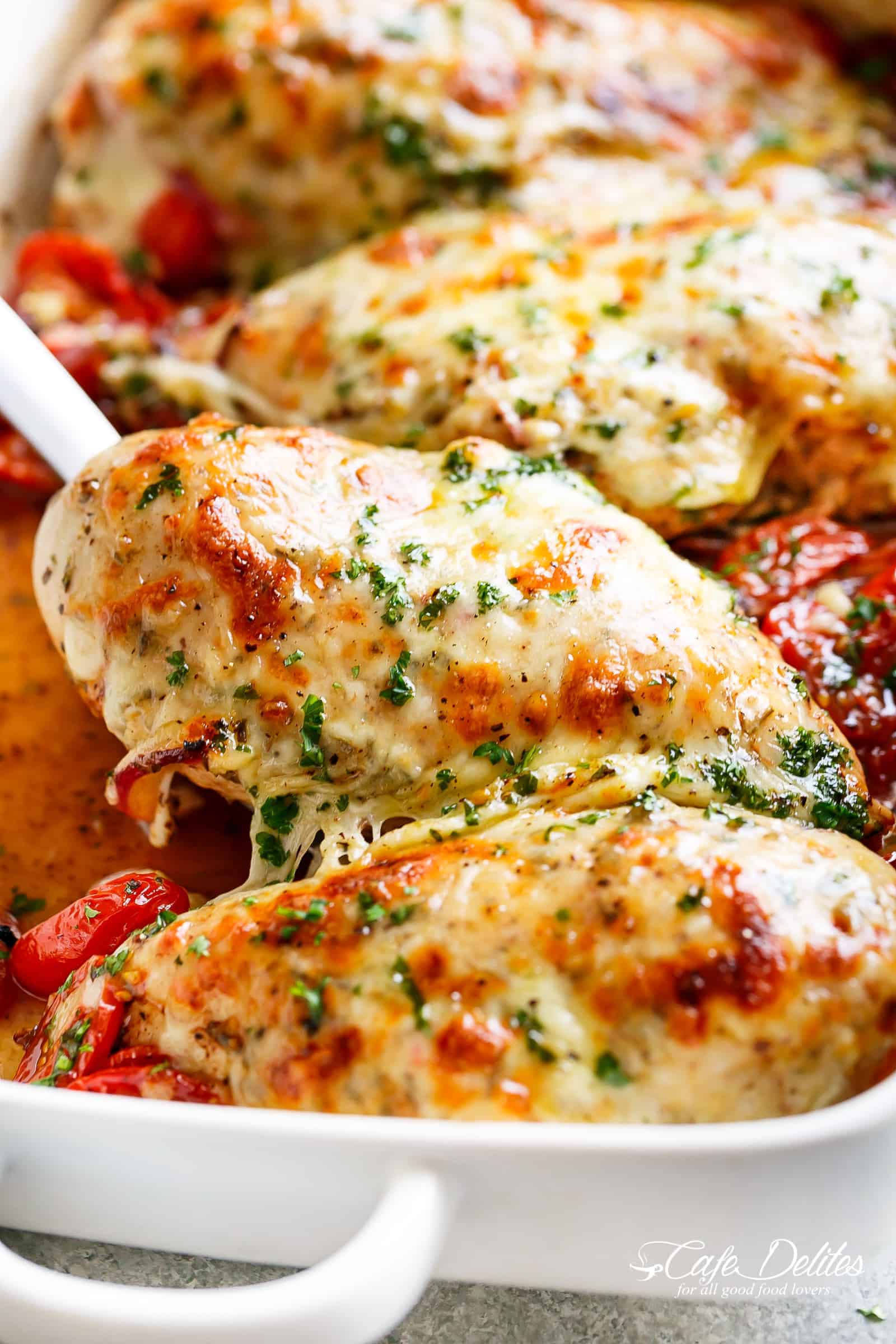
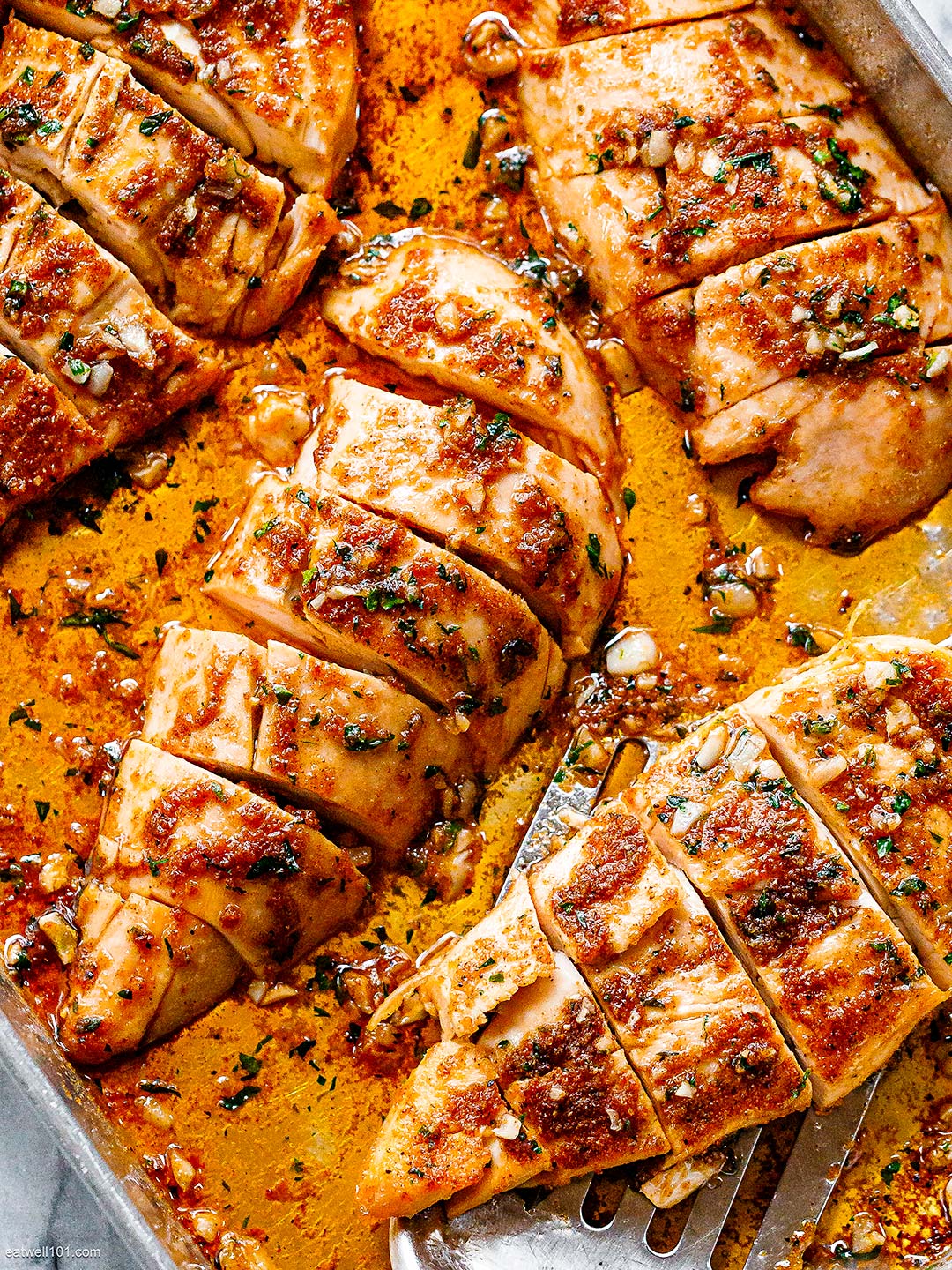
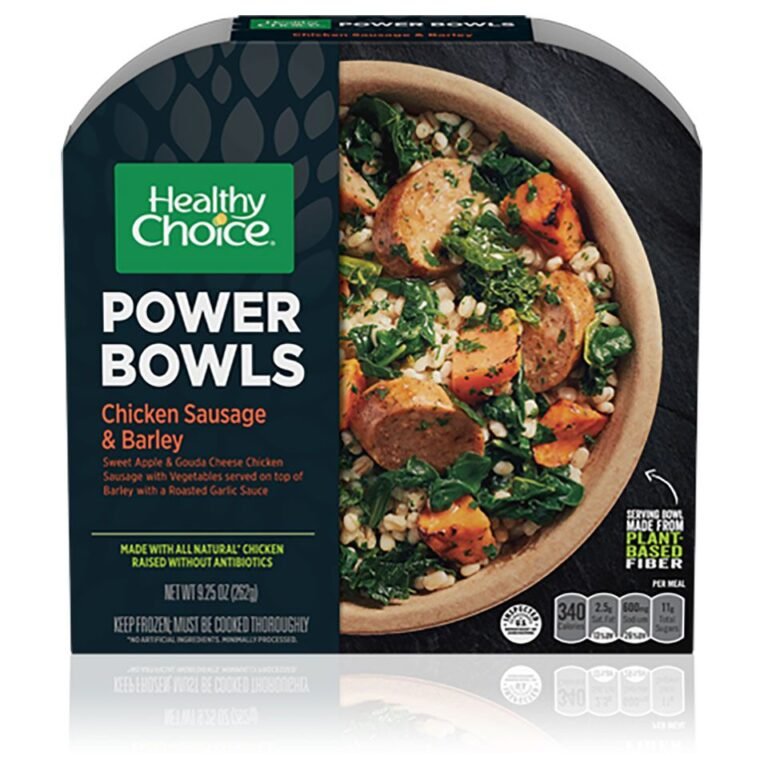
The easiest chicken recipes use a small number of familiar ingredients, a cooking method that matches the cut of chicken, and a thermometer to confirm the meat reaches 165°F.
For busy households across the United States, easy chicken recipes can turn a weeknight dinner into a manageable meal without requiring a long ingredient list or complicated technique. Chicken breasts, boneless thighs, ground chicken, and even store-bought rotisserie chicken can work for fast dinners, depending on how much time you have and what is already in your kitchen. A practical starting point is to choose the chicken cut first, then select a cooking method and flavor profile that fit your schedule.
The most useful easy chicken dinners are not limited to one style. Skillet chicken works well when you want dinner quickly, sheet-pan meals reduce cleanup, baked chicken requires relatively little hands-on work, and grilled chicken is useful for warmer evenings. Stir-fries are another flexible option because thinly sliced chicken cooks quickly alongside vegetables and a simple sauce. Whatever method you choose, cook poultry to a safe minimum internal temperature of 165°F measured with a food thermometer.
Source: Bing
What Makes a Chicken Recipe Easy?
An easy chicken recipe is usually defined by the work required rather than by a particular cuisine. Recipes become easier when they use fewer preparation steps, readily available ingredients, straightforward cooking equipment, and a forgiving cooking method. Many U.S. weeknight recipes also rely on practical shortcuts such as frozen vegetables, prewashed greens, jarred sauces, canned beans, or cooked rotisserie chicken.
Time is another useful way to judge difficulty. A recipe that takes 15 minutes of active work but 45 minutes in the oven can still be easy because the cook does not need to stand over the food. Conversely, a 20-minute skillet recipe may require more attention because the chicken and vegetables need to be monitored while they cook.
The best choice depends on what you need tonight. If speed is the priority, use thin chicken cutlets or sliced boneless chicken. If you want minimal cleanup, choose a one-pan or sheet-pan meal. If you want leftovers, cook a larger batch and use the chicken in wraps, salads, bowls, or sandwiches.
Source: Bing
Few ingredients
A short ingredient list makes shopping and preparation easier, especially when pantry staples such as olive oil, garlic, lemon juice, salt, pepper, and dried herbs can provide most of the flavor.
Simple equipment
A skillet, sheet pan, baking dish, grill, or air fryer can handle many chicken dinners without specialized cookware.
Predictable cooking
Recipes are easier to manage when chicken pieces are similar in size and thickness, allowing them to cook at a more consistent rate.
Flexible ingredients
Chicken pairs with rice, pasta, potatoes, tortillas, vegetables, salads, and grains, making it easy to adapt dinner to what you already have.
Which Chicken Cut Is Easiest to Cook?
Boneless, skinless chicken breasts are convenient for quick skillet meals, baked chicken, sandwiches, and salads. Because they are lean, they can become dry if cooked too long, so thickness and internal temperature matter. Boneless, skinless chicken thighs contain more fat and are often more forgiving, making them useful for beginners and recipes that involve sauces or longer cooking.
Chicken tenders cook quickly because they are small, while bone-in thighs and drumsticks generally take longer but can be well suited to oven meals. Ground chicken is another fast option for tacos, lettuce wraps, meatballs, burgers, and skillet dinners. Cooked rotisserie chicken can save the most preparation time when a recipe does not require raw chicken.
Fastest options
Thin chicken cutlets, tenders, and thinly sliced boneless chicken are useful when dinner needs to come together quickly.
Most forgiving
Boneless chicken thighs are a practical option when you want juicy meat and a little more flexibility during cooking.
Best shortcut
Cooked rotisserie chicken can be shredded or chopped for tacos, salads, sandwiches, soups, pasta, and rice bowls.
10 Easy Chicken Recipes to Make at Home
You do not need ten completely different cooking techniques to build a useful chicken dinner rotation. Start with a few basic methods and change the seasonings, sauces, vegetables, and sides. The following ideas cover common U.S. weeknight situations, from very fast skillet meals to low-effort baked dinners.
The cooking times below are practical starting points rather than guarantees. Chicken size, thickness, starting temperature, cookware, and appliance performance can change how quickly a recipe cooks. Always verify doneness with a food thermometer.
Source: Bing
1. Garlic Butter Chicken
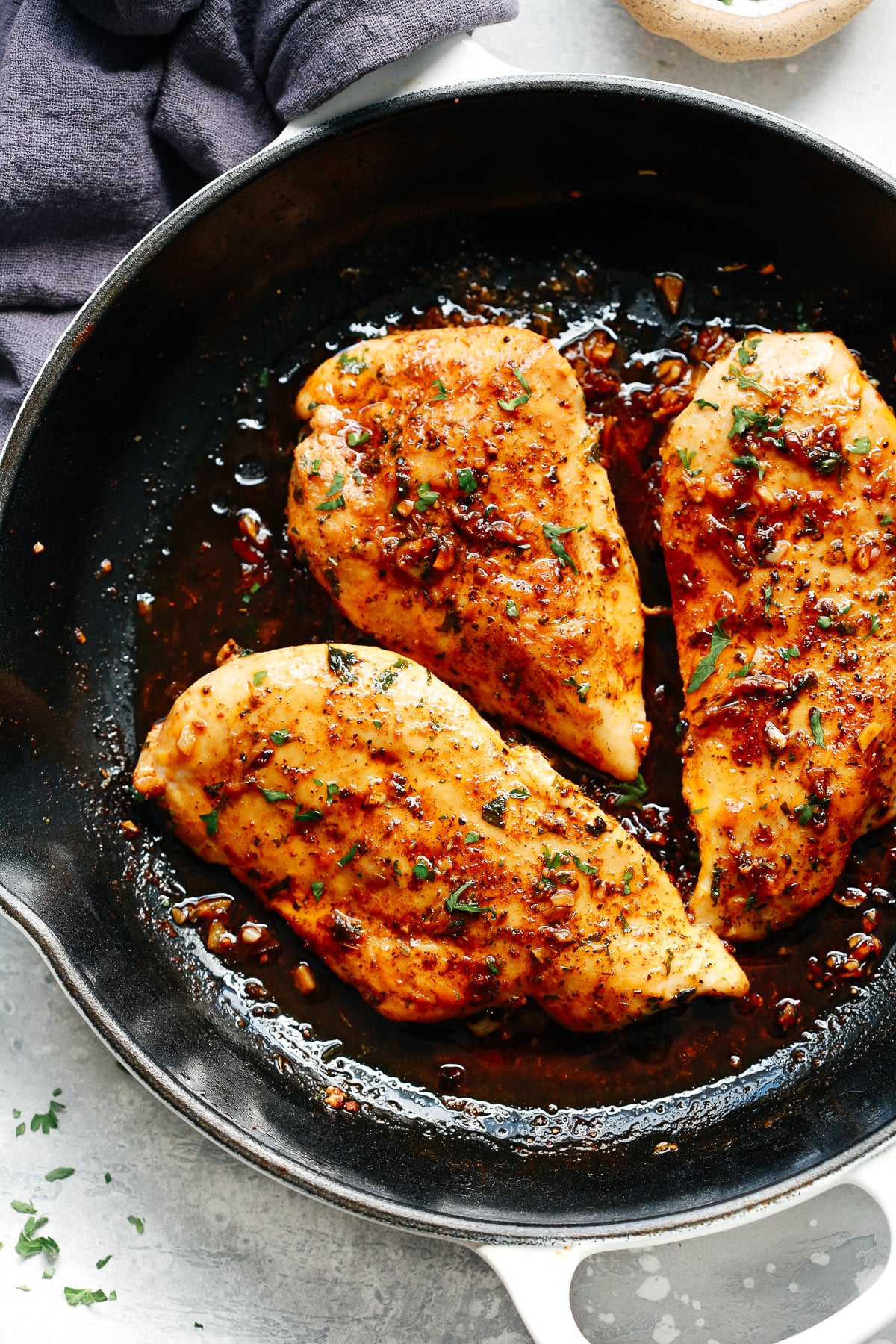
Season thin chicken breasts or cutlets with salt, pepper, and paprika. Sear them in a skillet with oil, then finish with butter, minced garlic, and a small amount of lemon juice. Serve with roasted vegetables, rice, mashed potatoes, or a simple green salad.
2. Easy Teriyaki Chicken
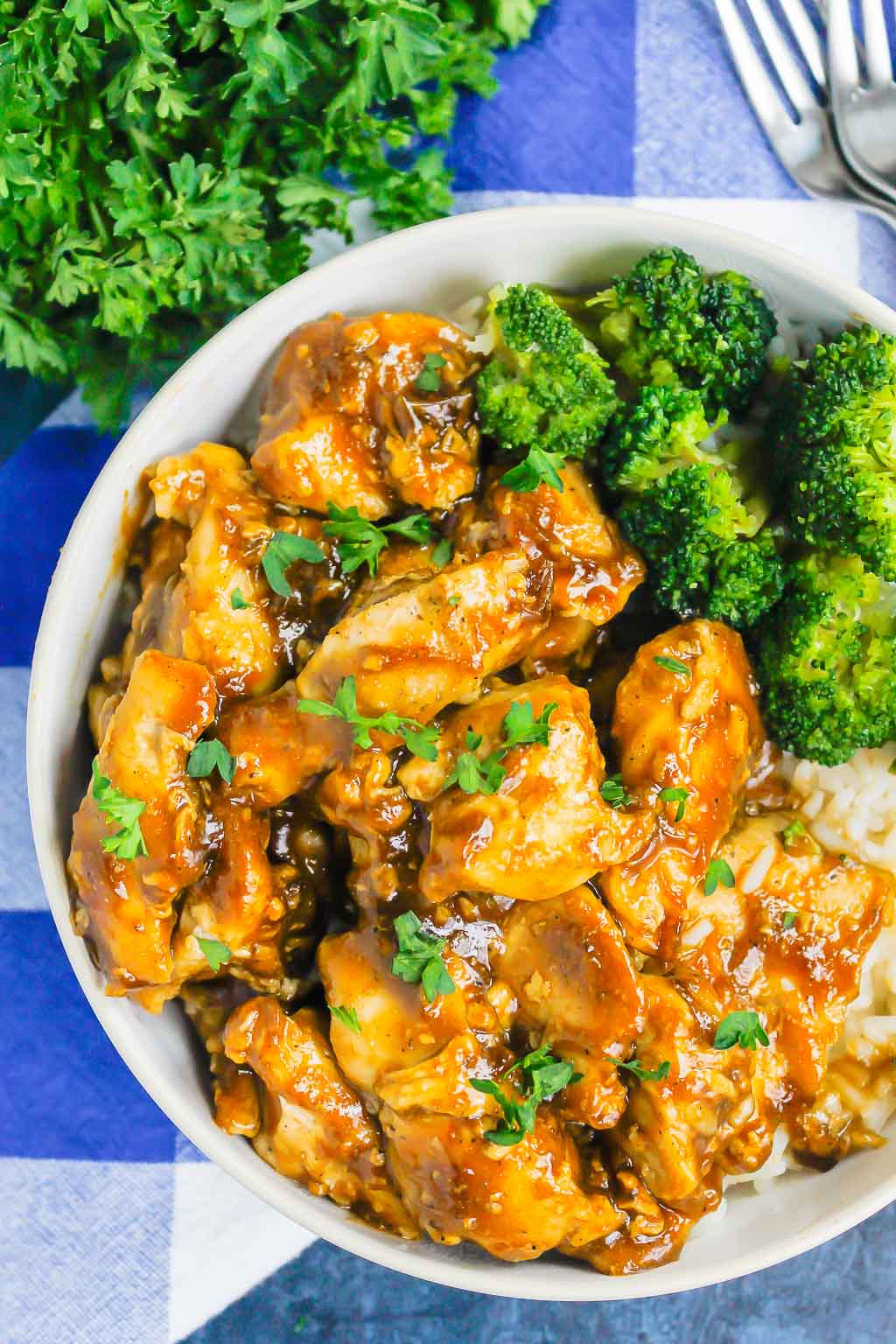
Cut boneless chicken into bite-size pieces and cook in a skillet. Add a simple sauce made from soy sauce, honey or brown sugar, garlic, ginger, and a little water. Simmer until the sauce coats the chicken. Serve over rice with steamed broccoli.
3. Chicken and Green Bean Skillet
Brown sliced chicken in a large skillet, add trimmed green beans, and cook until the vegetables are tender-crisp. Finish with garlic, lemon, black pepper, and a small amount of Parmesan if desired. This works well as a one-pan dinner.
4. Baked Chicken Breast
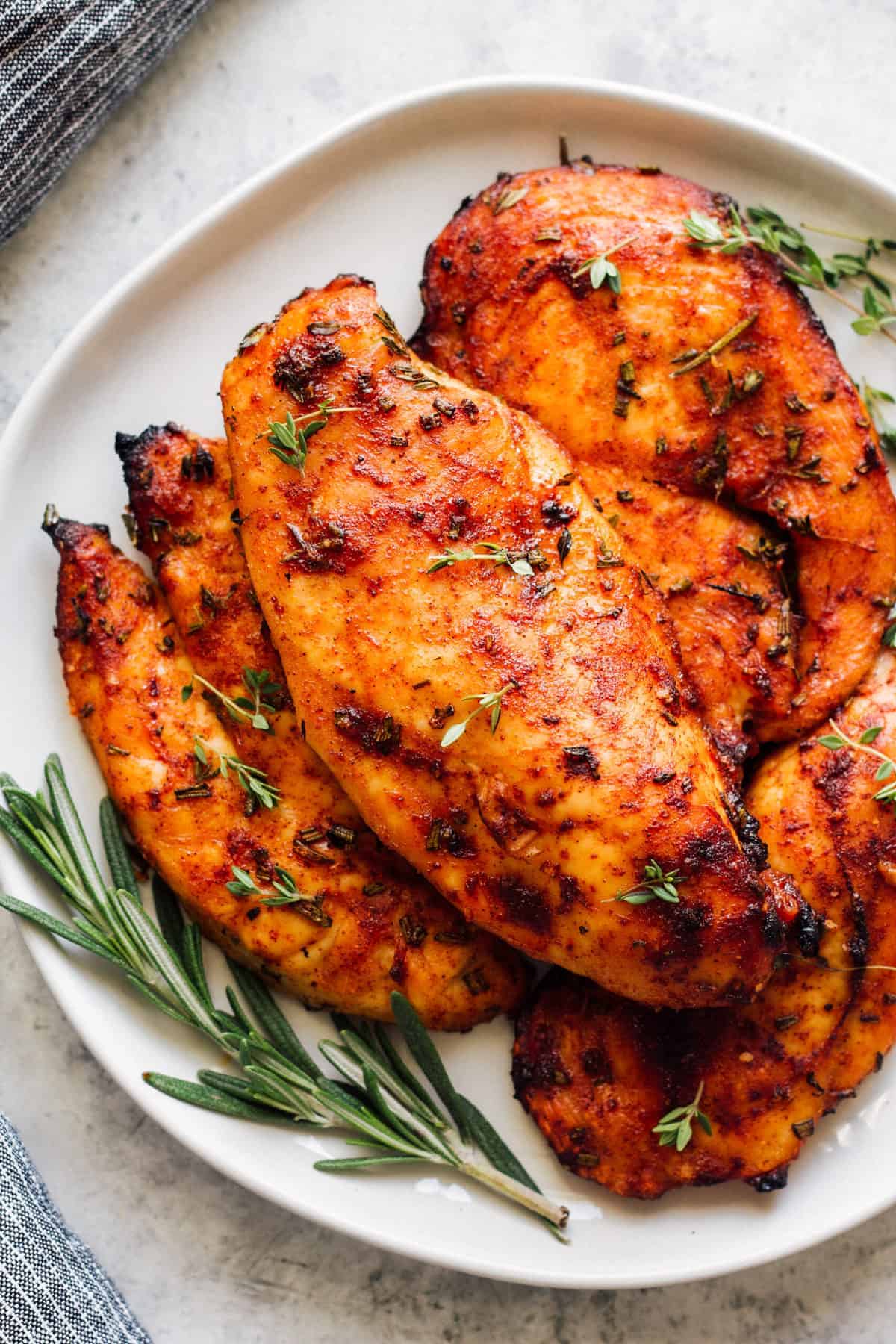
Season chicken breasts with olive oil, salt, pepper, garlic powder, paprika, and dried herbs. Bake in a preheated oven until the thickest part reaches 165°F. Rest briefly before slicing and serve with potatoes, vegetables, rice, or salad.
5. Creamy Garlic Chicken
Sear seasoned chicken breasts or cutlets, remove them from the skillet, then make a quick sauce with garlic, broth, cream, and Parmesan. Return the chicken to the pan and simmer gently until fully cooked. Spinach or mushrooms can be added for vegetables.
6. Grilled Marinated Chicken
Combine olive oil, lemon juice, garlic, salt, pepper, and dried herbs for a basic marinade. Marinate chicken in the refrigerator, then grill until the center reaches 165°F. Slice the chicken for salads, wraps, rice bowls, or sandwiches.
7. Chicken Stir-Fry
Slice chicken into thin strips and cook it quickly over medium-high to high heat. Add vegetables such as bell peppers, broccoli, snap peas, carrots, or onions. Finish with soy sauce, ginger, garlic, and a small amount of sesame oil, then serve with rice or noodles.
8. One-Pan Chicken Dinner
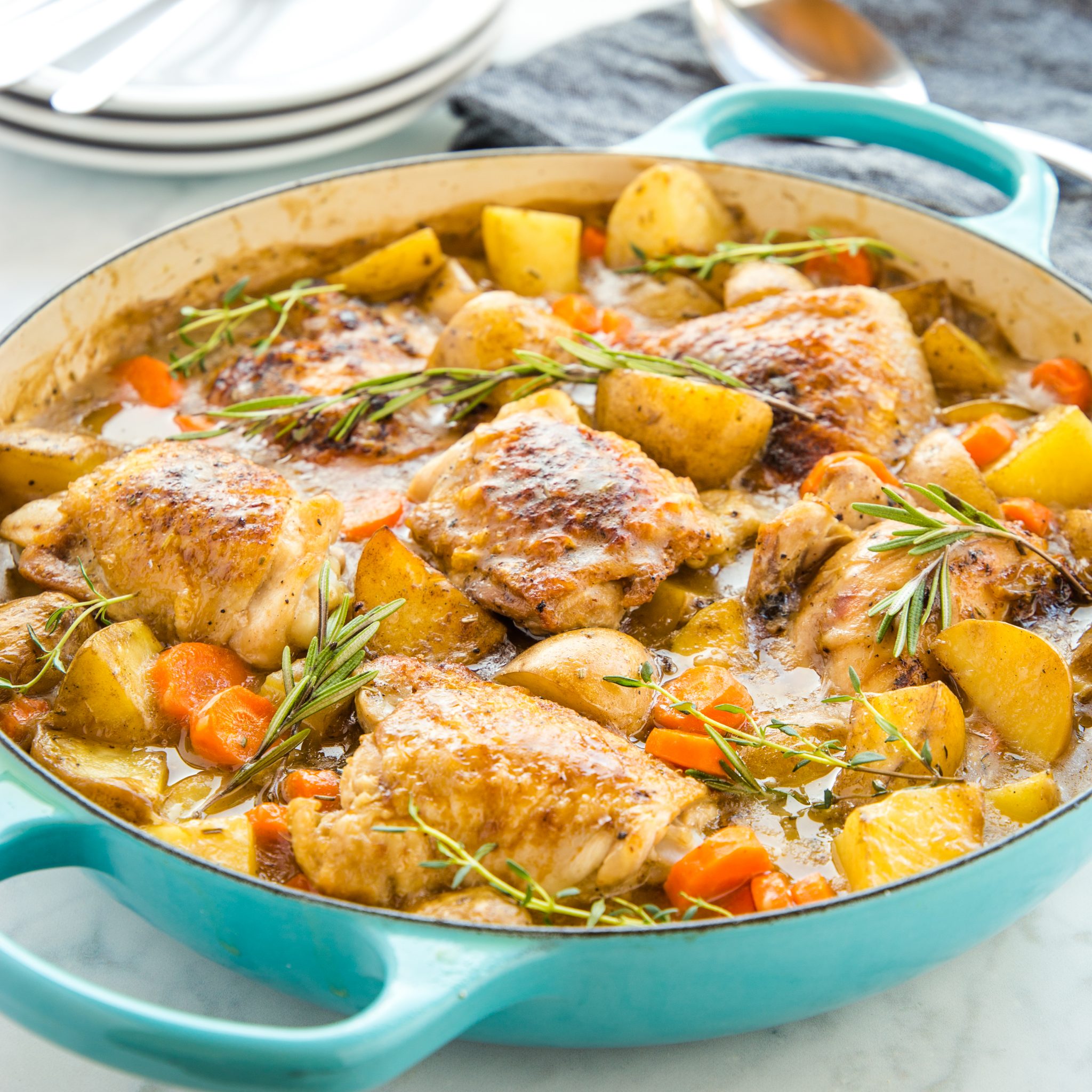
Arrange chicken thighs or breasts with vegetables such as potatoes, carrots, onions, or green beans on a sheet pan. Season everything together with olive oil, garlic, paprika, herbs, salt, and pepper. Roast until the chicken reaches 165°F and the vegetables are tender.
9. Rotisserie Chicken Tacos
Shred cooked rotisserie chicken and warm it with taco seasoning, a splash of broth, or salsa. Spoon it into tortillas and add lettuce, tomatoes, avocado, shredded cheese, onions, or plain Greek yogurt. This is useful when raw chicken preparation would take too long.
10. Lemon Herb Chicken
Season chicken with lemon zest, lemon juice, garlic, oregano, parsley, salt, and pepper. Pan-sear or bake the chicken until it reaches 165°F. Serve with rice, couscous, roasted vegetables, or a cucumber and tomato salad.
A Simple Formula for Creating Your Own Chicken Dinner
When you do not have a recipe, use a basic formula: chicken plus a vegetable plus a starch plus a sauce or seasoning. For example, combine skillet chicken, broccoli, rice, and a garlic-soy sauce. Another combination could be baked chicken, roasted potatoes, green beans, and lemon-herb seasoning.
This approach makes substitutions easier. Broccoli can become asparagus or green beans, rice can become quinoa or potatoes, and lemon-herb seasoning can become taco seasoning or a garlic-butter sauce. Keep the cooking method appropriate for the ingredient rather than assuming every substitution needs the same cooking time.
Use fresh or frozen broccoli, green beans, peppers, carrots, zucchini, spinach, mushrooms, or another vegetable suited to the cooking method.
Starch
Rice, potatoes, pasta, tortillas, noodles, couscous, and bread can turn cooked chicken into a more complete meal.
Flavor
Use one main direction such as garlic-lemon, teriyaki, barbecue, taco seasoning, Italian herbs, or a simple creamy sauce.
Quick Chicken Recipes for Busy Weeknights
When time is limited, the biggest improvement usually comes from reducing chicken thickness and preparation work. A whole chicken breast takes longer to cook than a thin cutlet or evenly sliced pieces. Cutting chicken into consistent strips also allows it to cook quickly in a stir-fry.
Another practical shortcut is to prepare components rather than complete meals. Cook a batch of chicken and use it across several dinners. Shredded chicken can become tacos one night, a salad the next day, and a sandwich or rice bowl later. This approach can reduce repeated cooking without requiring the same meal several nights in a row.
Source: Bing
15-minute strategy
Use thinly sliced chicken, a fast-cooking vegetable, and a quick sauce. Have rice, tortillas, or another cooked base ready before you start.
20-minute strategy
Make a skillet chicken dinner with vegetables and a simple pan sauce. Keep ingredients prepped so cooking is mostly heat and assembly.
30-minute strategy
Use a sheet pan, skillet, or stir-fry and include a starch that cooks quickly, such as pasta, couscous, or microwaveable rice.
Almost no-prep strategy
Start with cooked rotisserie chicken and turn it into tacos, sandwiches, salads, quesadillas, soups, or grain bowls.
How to Make Chicken Cook Faster
The safest way to speed up chicken cooking is to change the size or cut of the meat rather than simply increasing the heat dramatically. Pound thick chicken breasts to an even thickness or cut them into strips. This helps the meat cook more uniformly. Avoid relying on color alone to determine whether chicken is done.
For meal prep, portion raw chicken before storing it in the refrigerator or freezer. If frozen chicken is used, thaw it safely in the refrigerator, in cold water changed regularly, or in the microwave when it will be cooked immediately. Do not leave raw chicken sitting at room temperature to thaw.
Keep pieces even
Uniform pieces generally cook at a more similar rate than pieces with widely different thicknesses.
Preheat the pan
Starting with properly heated cookware can help chicken sear instead of sitting in a cool pan and releasing excess moisture.
Avoid overcrowding
Too much chicken in a pan can reduce browning and cause steaming, which can make cooking less predictable.
Easy Healthy Chicken Dinner Ideas
An easy chicken dinner does not have to mean a plain chicken breast with steamed vegetables. A balanced meal can combine chicken with vegetables, a satisfying carbohydrate, and a flavorful sauce or seasoning. The goal is to make the meal practical enough to prepare regularly while keeping the ingredients suited to your dietary needs.
Chicken breast is a relatively lean protein option, while thighs tend to contain more fat and have a richer texture. The overall nutrition of a chicken dinner also depends heavily on the preparation and accompanying foods. A breaded and fried chicken meal with a rich sauce is very different nutritionally from grilled chicken served with vegetables and rice.
Source: Bing
Sheet-pan chicken and vegetables
Combine chicken with broccoli, zucchini, peppers, carrots, or Brussels sprouts and roast them together for a simple dinner with limited cleanup.
Chicken grain bowls
Layer cooked chicken over rice, quinoa, or another grain with vegetables, beans, greens, and a yogurt-based or citrus-based sauce.
Chicken salad
Use chilled cooked chicken with greens, tomatoes, cucumbers, carrots, and a dressing you enjoy. Add beans, nuts, seeds, or whole grains when appropriate.
Chicken and vegetable soup
Use cooked chicken or safely cooked raw chicken with broth, vegetables, beans, noodles, or grains for a flexible one-pot meal.
How to Add Flavor Without Making Dinner Complicated
The easiest way to keep healthy chicken meals interesting is to rotate flavor profiles rather than changing the entire cooking process. Garlic, lemon, herbs, salsa, mustard, soy sauce, ginger, smoked paprika, chili powder, and yogurt-based sauces can make the same basic chicken preparation taste different.
If you are watching sodium, remember that bottled sauces, seasoning mixes, cheese, cured meats, and prepared marinades can contribute substantial sodium. Reading the Nutrition Facts label and adjusting the amount of packaged sauce can give you more control.
Lemon herb
Use lemon, garlic, oregano, parsley, black pepper, and olive oil.
Mexican-inspired
Use chili powder, cumin, garlic, lime, salsa, and fresh cilantro if desired.
Asian-inspired
Use soy sauce, ginger, garlic, sesame oil, and vegetables such as broccoli or snap peas.
Easy One-Pan and One-Pot Chicken Recipes
One-pan and one-pot chicken recipes are useful when cleanup matters as much as cooking time. A skillet can handle the chicken, vegetables, and sauce, while a sheet pan can roast chicken and vegetables together. A Dutch oven or large pot can handle soups, stews, pasta dishes, and other meals where the ingredients cook together.
The key to a successful one-pan meal is timing. Ingredients that take longer to cook should go into the pan earlier, while quick-cooking vegetables may need to be added later. Cutting potatoes or other dense vegetables into smaller pieces can help them finish closer to the same time as the chicken.
Source: Bing
Sheet-pan chicken
Use a large rimmed baking sheet, spread ingredients into a single layer, and avoid crowding when browning is important.
Skillet chicken
Sear chicken first, then build a pan sauce with broth, lemon, garlic, cream, tomato, or another flavorful base.
One-pot chicken pasta
Cook chicken with pasta, broth, vegetables, and sauce components in one pot while adjusting liquid and cooking time for the pasta.
Chicken soup
Use broth, vegetables, chicken, and noodles or grains to create a flexible meal that can be adjusted according to what is available.
How to Prevent a One-Pan Dinner From Becoming Soggy
Give ingredients enough space to release steam and brown. Overcrowding a sheet pan can cause vegetables and chicken to steam instead of roast. Pat chicken dry before seasoning when appropriate, and place ingredients in a single layer whenever the recipe depends on browning.
Also consider moisture differences. Frozen vegetables can release water as they cook, while fresh vegetables generally brown more easily. If a recipe depends on crisp edges, use a large enough pan and avoid piling ingredients on top of one another.
Use enough surface area
A crowded pan traps moisture and makes browning harder.
Cut vegetables consistently
Similar sizes make it easier for vegetables to finish cooking at approximately the same time.
Add delicate ingredients later
Spinach, herbs, and other quick-cooking ingredients may need only a short amount of heat.
How to Cook Chicken Safely
Chicken is easy to cook, but food safety should not be treated as optional. The U.S. Department of Agriculture recommends cooking all poultry to a safe minimum internal temperature of 165°F, measured with a food thermometer. Temperature is more reliable than judging doneness from the outside color or the amount of cooking time alone.
Insert the thermometer into the thickest part of the chicken and avoid touching bone when taking the reading. For thin pieces, place the thermometer from the side so the probe reaches the center. If the chicken has not reached 165°F, continue cooking and check again.
Source: Bing
Keep raw chicken separate
Use separate cutting boards or wash and sanitize surfaces between raw chicken and foods that will be eaten without further cooking.
Wash your hands
Wash hands with soap and water after handling raw poultry and before touching other foods, utensils, or kitchen surfaces.
Do not rely on color
Chicken can look white before it has reached a safe temperature, and color alone is not a reliable doneness test.
Refrigerate leftovers promptly
Move cooked chicken and other perishable foods into the refrigerator rather than leaving them at room temperature for extended periods.
What If Chicken Is Dry?
Dry chicken is commonly associated with overcooking, especially when lean chicken breast is cooked for longer than necessary. A thermometer can help prevent guesswork. Choosing a more forgiving cut such as boneless chicken thighs can also make some recipes easier.
If already-cooked chicken is dry, slice or shred it and add moisture through a sauce, broth-based dish, soup, salad dressing, or another preparation where the meat is not served on its own.
Check thickness
Very thick chicken can cook unevenly, so pounding it to an even thickness can improve consistency.
Use a thermometer
Temperature gives you a more dependable indication of doneness than a fixed cooking time.
Choose the right cut
Thighs can be a useful choice for recipes where maintaining moisture is a priority.
How to Store and Reuse Leftover Chicken
Leftover cooked chicken can make the next meal much easier. Instead of reheating the same plate, shred or chop the chicken and use it in a different format. Cooked chicken can work in tacos, wraps, salads, soups, pasta, quesadillas, sandwiches, rice bowls, and casseroles.
For the best texture, add sauces or dressings after reheating when possible. Chicken breast can become dry when repeatedly reheated, so using it in a moist preparation such as soup, pasta sauce, curry, or a grain bowl can make leftovers more enjoyable.
Source: Bing
Chicken tacos
Warm shredded chicken with taco seasoning or salsa and serve in tortillas with vegetables and your preferred toppings.
Chicken salad
Combine chilled chopped chicken with greens, vegetables, beans, grains, or a simple dressing.
Chicken quesadillas
Layer chopped chicken and cheese between tortillas and cook until the tortillas are crisp and the filling is hot.
Chicken pasta
Add chopped cooked chicken to tomato sauce, pesto, Alfredo-style sauce, or a vegetable pasta dish.
Easy Meal-Prep Chicken Plan
For a simple meal-prep routine, cook a batch of seasoned chicken without committing it to one specific cuisine. Once cooled and stored appropriately, portion it for several meals. Use different sauces and sides throughout the week so the base protein does not feel repetitive.
For example, one batch of baked chicken can become a Mediterranean-style bowl with cucumber and lemon dressing, tacos with salsa and avocado, and a simple chicken salad with greens. The method saves preparation time because the main protein is already cooked.
Day one
Serve freshly cooked chicken with roasted vegetables and rice.
Day two
Use chilled or reheated chicken in a salad or grain bowl.
Day three
Turn the remaining chicken into tacos, wraps, quesadillas, or sandwiches.
Frequently Asked Questions
Q
What is the easiest chicken recipe for a beginner?
A simple baked or skillet chicken breast is a good starting point because the ingredient list can be short and the process is straightforward. Season the chicken, cook it using the selected method, and verify that the thickest part reaches 165°F with a food thermometer.
Q
What can I make with chicken in 30 minutes?
Good 30-minute options include chicken stir-fry, garlic chicken, chicken tacos, skillet chicken with vegetables, lemon herb chicken, and quick chicken pasta. Thinly sliced chicken tends to cook faster than whole thick chicken breasts.
Q
Is chicken breast or chicken thigh easier to cook?
Boneless chicken thighs are often more forgiving because they have more fat and can remain moist through a wider cooking window. Chicken breasts are lean and versatile but benefit from even thickness and careful temperature control to reduce the risk of overcooking.
Q
How do I know when chicken is fully cooked?
The reliable method is to use a food thermometer. Poultry should reach a minimum internal temperature of 165°F. Check the thickest part of the meat and avoid relying only on the outside color or a recipe’s estimated cooking time.
Q
What is the fastest way to make chicken for dinner?
Use thin chicken cutlets, tenders, or thinly sliced boneless chicken in a skillet. Cook them with a simple seasoning or sauce and serve with a quick side such as microwaveable rice, salad greens, frozen vegetables, or tortillas. Cooked rotisserie chicken is an even faster shortcut when raw chicken is not necessary.
✦ Wrapping Up
Conclusion
Easy chicken recipes are less about finding one perfect recipe and more about having a small set of reliable methods. Skillet chicken is useful when speed matters, sheet-pan dinners simplify cleanup, baked chicken requires relatively little active attention, stir-fries make good use of vegetables, and rotisserie chicken can remove much of the preparation work.
For U.S. home cooks, keeping a few basic ingredients on hand makes these methods easier to repeat: chicken, vegetables, rice or another starch, tortillas or pasta, a few seasonings, and ingredients for a quick sauce. Change the flavor profile from meal to meal instead of rebuilding your entire cooking routine.
💡 Key Takeaway
For your next weeknight dinner, choose one chicken cut, one vegetable, one starch, and one simple flavor profile. Keep the preparation straightforward, cook the chicken to 165°F, and use leftovers in a different meal later in the week.
Quick, tasty microwave weight loss meals that fit busy schedules—balanced recipes, calorie tips, and meal plans to help you shed pounds without spending hours.
Quick, tasty microwave low calorie meals for busy days – simple recipes, smart swaps, and portion tips to help you lose weight without sacrificing flavor.
Make tasty, wallet-friendly meals fast with microwave budget recipes – easy steps, cheap ingredients, and time-saving hacks to stretch your food budget.
Quick, crispy bites made simple—air fryer snack recipes with times, tips, and healthy swaps to satisfy cravings fast, perfect for beginners and busy nights.
Blend better mornings with healthy breakfast smoothie recipes—nutritious, quick, and tasty. Get ingredient tips, swaps, and 5-minute blends to fuel your day.
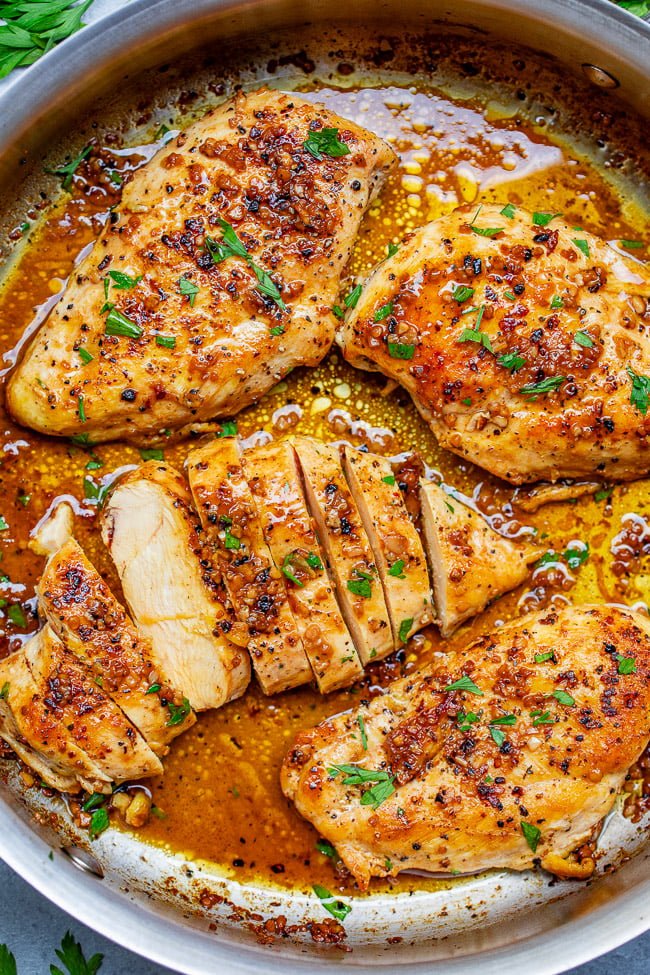
![3 Ingredient Easy and BEST Grilled Chicken Marinade [+Video] - Oh Sweet ...](https://ohsweetbasil.com/wp-content/uploads/3-ingredient-best-chicken-marinade-grilled-chicken-recipe-6-scaled.jpg "3 Ingredient Easy and BEST Grilled Chicken Marinade [+Video] - Oh Sweet ...")