Easy salad recipes combine fresh vegetables, proteins, grains, and simple dressings to create quick meals that need little cooking and can fit many tastes.
Across the United States, salads are a common choice for busy lunches, family dinners, picnics, and meal preparation because they can be built with ingredients found in most grocery stores. An easy salad does not require complicated techniques. The best versions use a balanced mix of flavors, textures, and nutrients while keeping preparation simple.
A practical salad starts with a base, adds filling ingredients, and finishes with a dressing that connects the flavors. Whether you prefer a crisp garden salad, a protein-rich chicken salad, a pasta salad for gatherings, or a Mediterranean-style bowl, the same basic method helps create reliable results at home.
Source: easymediterraneanrecipes.blog
What Makes A Salad Recipe Easy
An easy salad recipe reduces unnecessary steps while keeping the meal satisfying. The main goal is not to use the fewest ingredients, but to create a process that is simple enough for regular cooking.
Most simple salads follow a repeatable structure. Start with fresh greens or another base, add colorful vegetables, include an ingredient that provides protein or energy, and finish with a dressing. This structure lets home cooks change flavors without learning a completely new recipe each time.
For people in the United States managing busy schedules, easy salads can work well for weekday meals because many ingredients can be washed, chopped, and stored ahead of time.
Source: eatwhatweeat.com
Simple preparation
Easy salads usually require basic tasks such as washing, cutting, mixing, and adding dressing rather than advanced cooking skills.
Flexible ingredients
Most salad ingredients can be replaced based on season, budget, dietary needs, or personal preference.
Balanced texture
Combining crunchy vegetables, creamy ingredients, and flavorful toppings makes a salad more enjoyable.
The Basic Salad Formula
A useful formula is one part base, one part vegetables, one part filling ingredients, and a small amount of dressing. This approach creates variety while preventing a salad from becoming only a bowl of leaves.
For example, romaine lettuce with tomatoes, grilled chicken, avocado, and a simple lemon dressing creates a complete meal. Replacing chicken with chickpeas or beans changes the salad while keeping the same structure.
Base
Use lettuce, spinach, kale, cabbage, pasta, grains, or mixed greens.
Filling ingredients
Add chicken, fish, eggs, beans, cheese, tofu, nuts, or grains for more satisfaction.
Easy Salad Recipe Ideas For Everyday Meals
Different salad styles work for different needs. A light green salad may suit a quick lunch, while a pasta or chicken salad may be better when a meal needs to keep someone full for longer.
The following ideas use common ingredients and can be adjusted without changing the basic preparation method.
Source: animalia-life.club
Classic garden salad
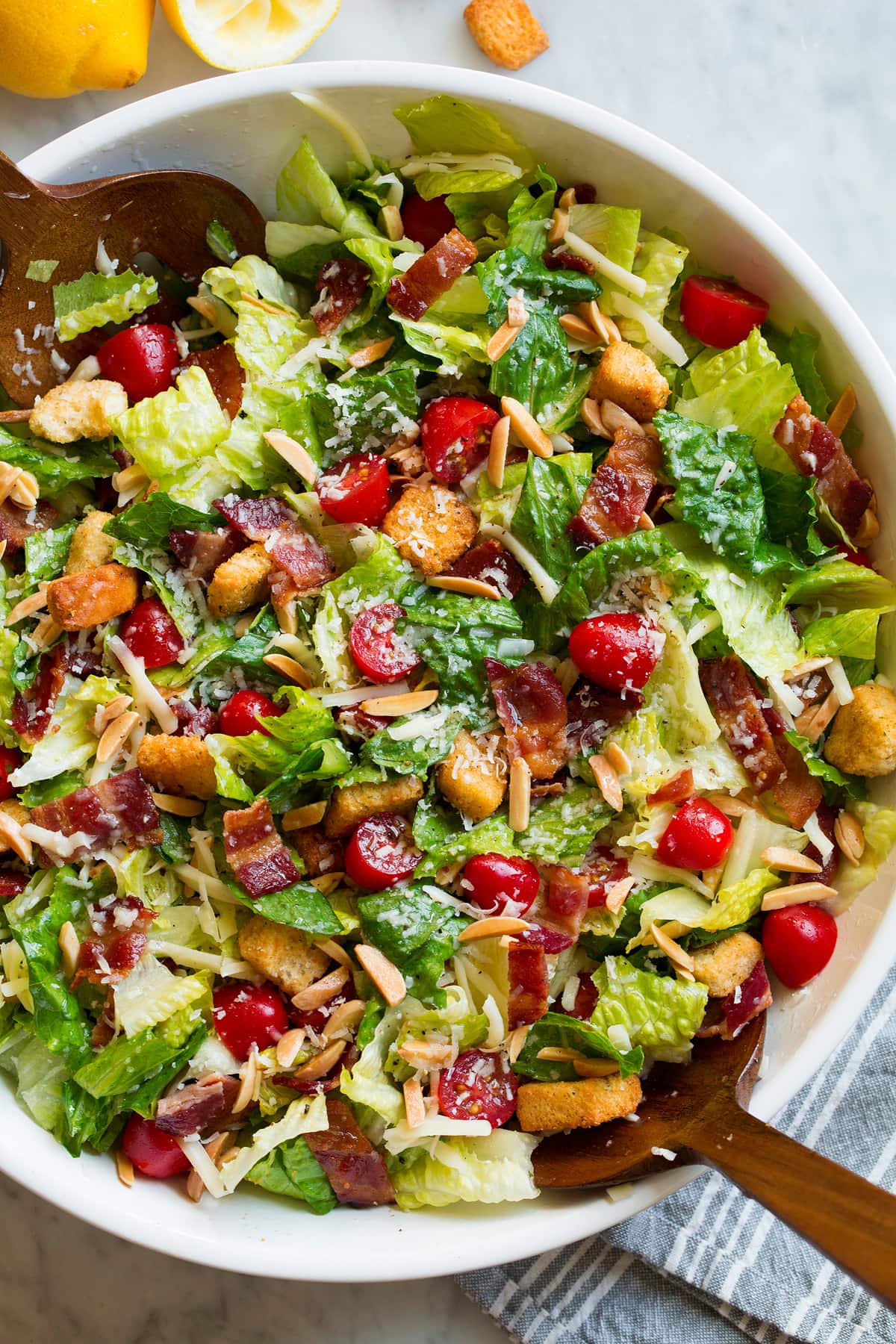
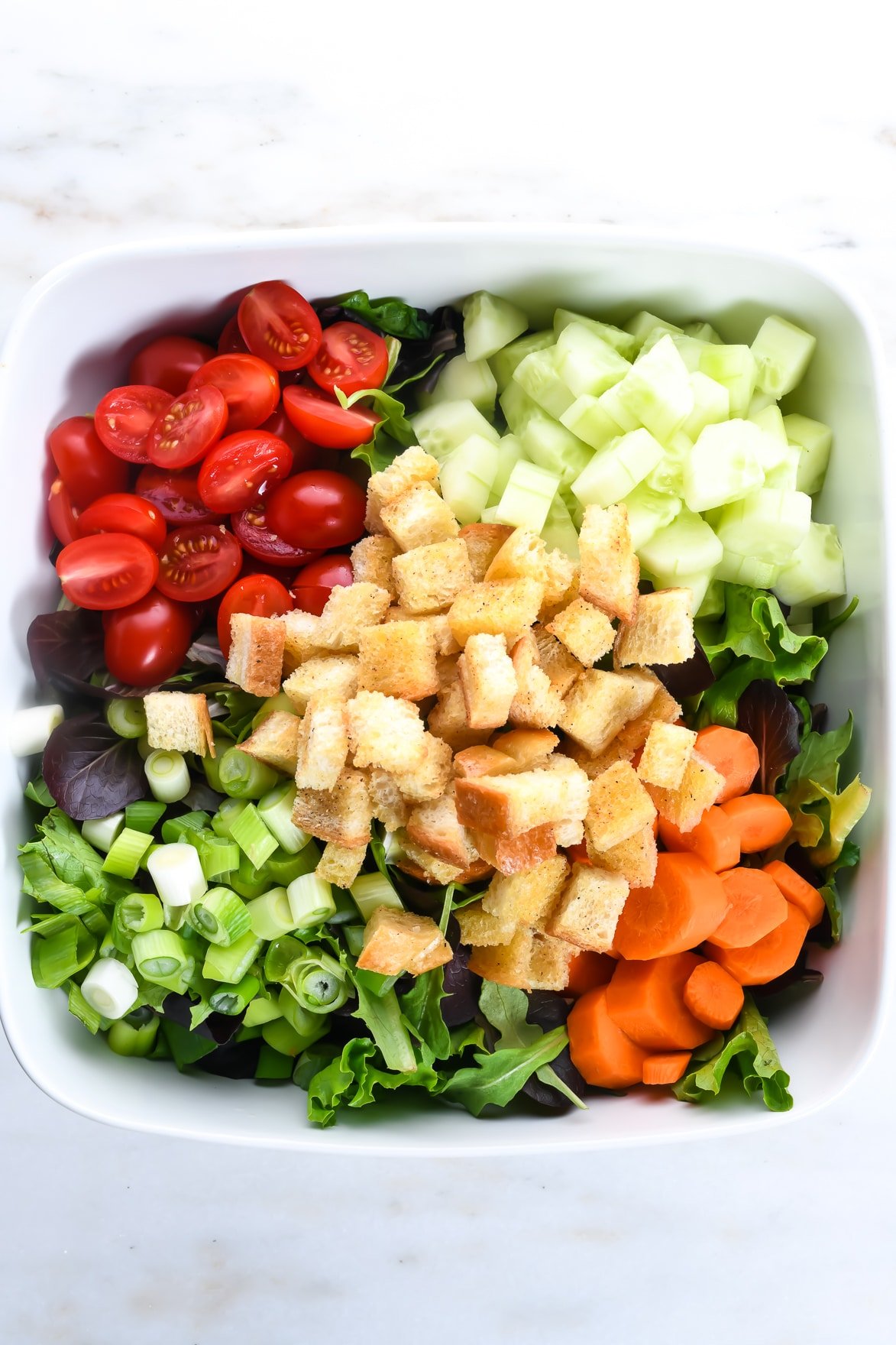
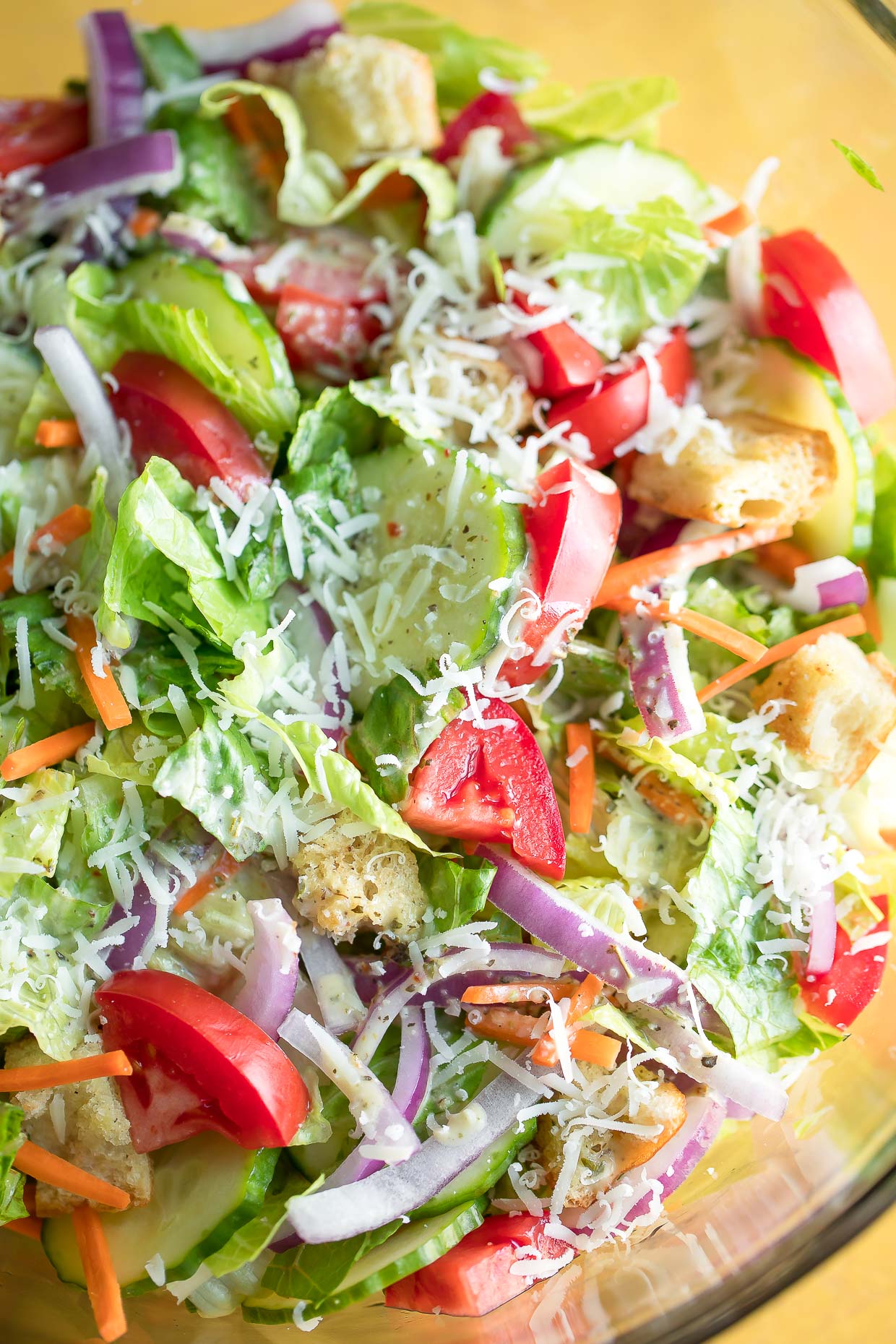
Combine lettuce, cucumber, tomatoes, carrots, onions, and a simple vinaigrette for a fresh side dish.
Chicken salad bowl
Mix greens with cooked chicken, vegetables, nuts, and a dressing for a protein-focused meal.
Pasta salad
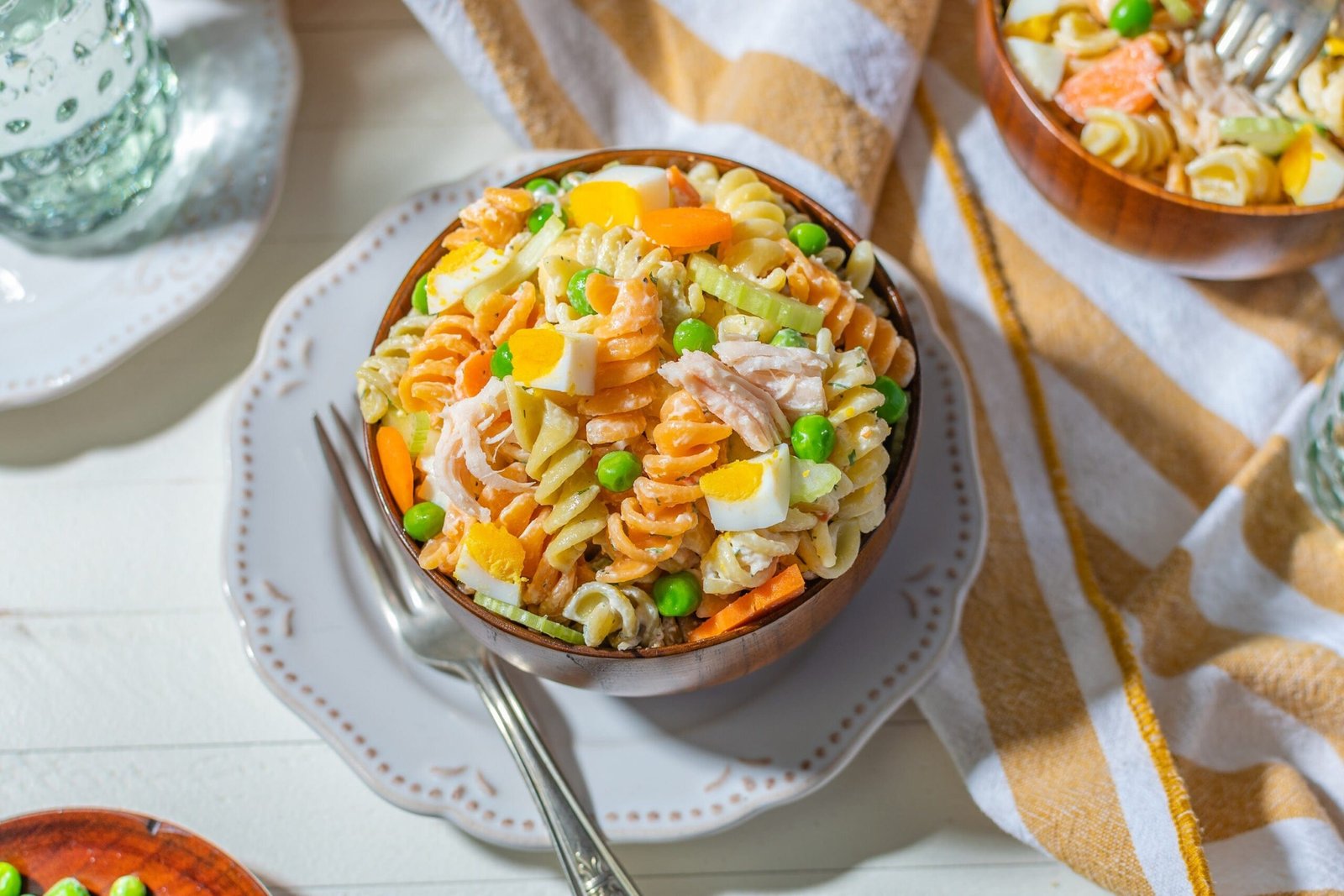
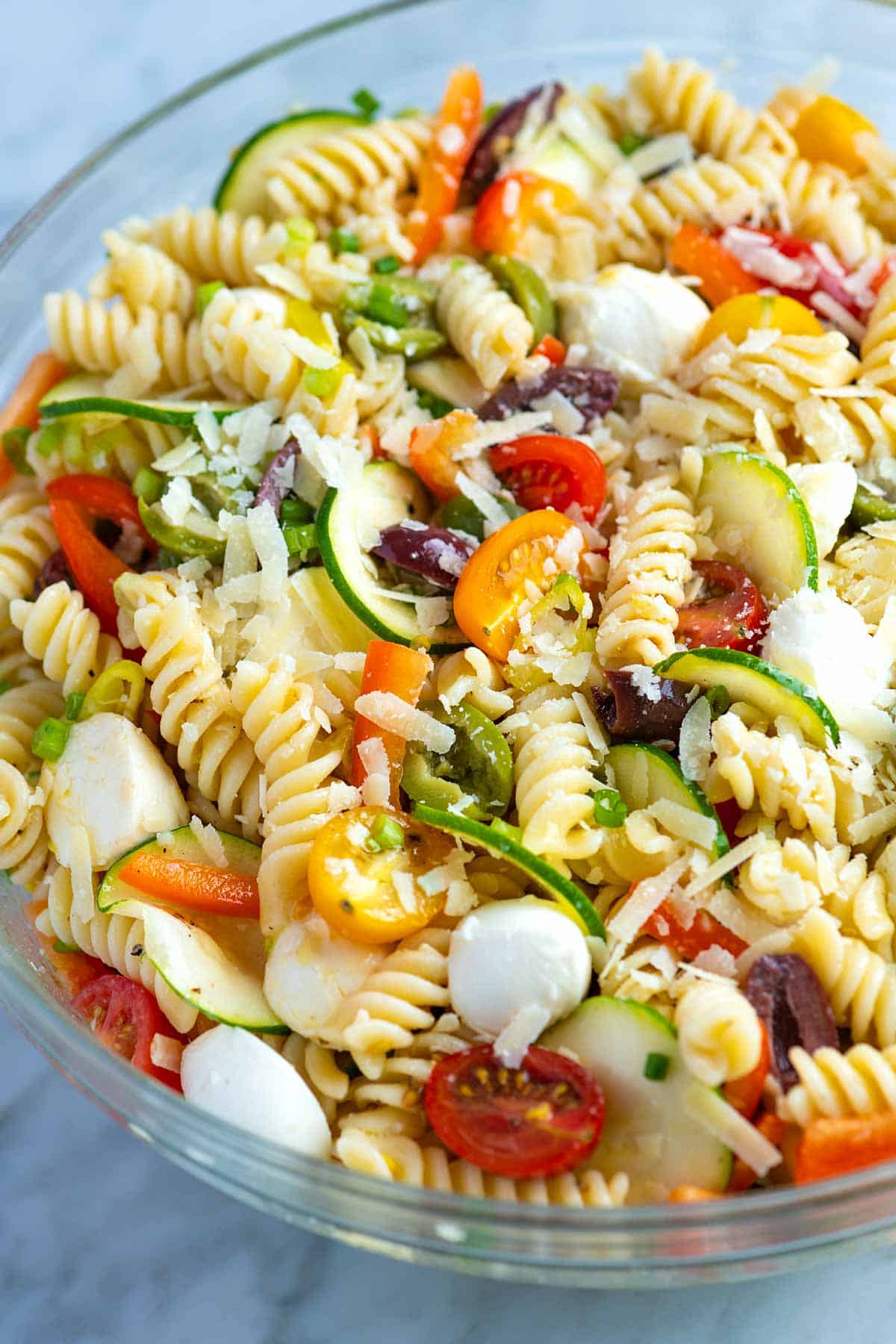
Use cooked pasta with vegetables, herbs, cheese, and dressing for a filling option that works well for gatherings.
Chickpea salad
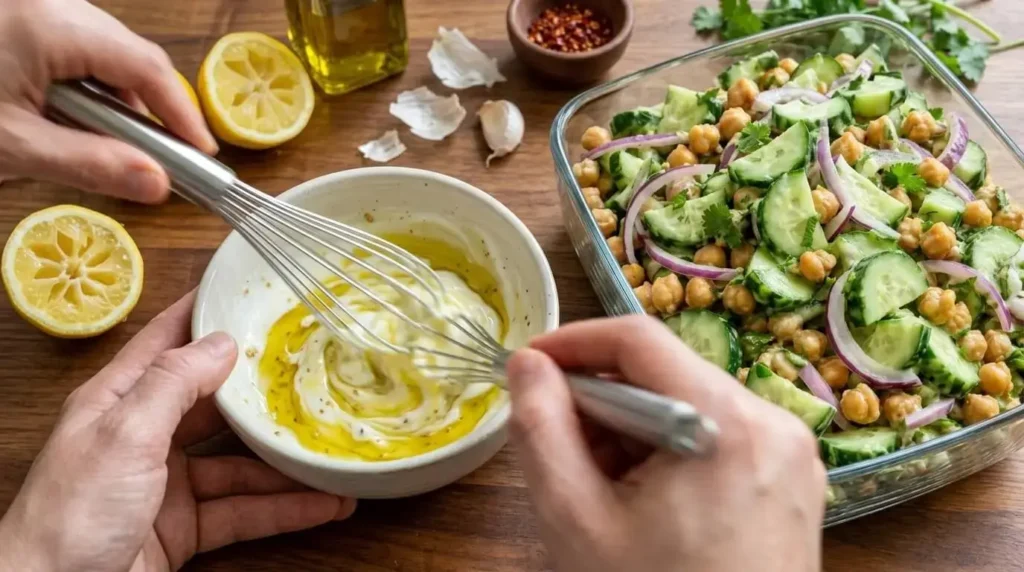
Combine chickpeas with cucumber, tomatoes, herbs, and lemon dressing for a simple plant-based meal.
How To Build A Healthy Salad
A healthy salad is not defined by vegetables alone. A meal with only lettuce may feel incomplete, while adding protein, healthy fats, and fiber-rich foods can make it more balanced.
Healthy choices depend on individual needs and preferences. Some people may prefer more vegetables, while others may need additional calories from grains, beans, cheese, or nuts.
Add protein
Protein sources such as eggs, chicken, beans, or tofu can make salads more filling.
Use colorful produce
Different vegetables provide different flavors, textures, and nutrients.
How To Prepare Salads That Stay Fresh
The biggest challenge with prepared salads is maintaining texture. Wet ingredients and dressing can soften greens over time, so storage choices matter.
Keeping dressing separate until eating is one of the simplest ways to protect freshness. Ingredients with higher moisture, such as tomatoes or cucumbers, can also be stored separately when preparing meals several days ahead.
A good preparation routine starts with washing and drying vegetables completely. Excess water can dilute dressing and make greens lose their crisp texture.
Source: animalia-life.club
Store components separately
Keep greens, toppings, and dressing apart when preparing salads in advance.
Dry vegetables well
Removing extra moisture helps maintain a better texture.
Add delicate toppings later
Ingredients like croutons, nuts, and crispy toppings stay better when added before serving.
Common Salad Preparation Mistakes
Many disappointing salads are caused by small preparation issues rather than poor ingredients. Too much dressing can overwhelm flavors, while too little seasoning can make fresh vegetables taste flat.
Another common mistake is creating a salad without contrast. A bowl of soft ingredients may feel less enjoyable than one that combines crunchy vegetables, creamy elements, and bright flavors.
Overdressing
Add dressing gradually so ingredients remain fresh and flavors stay balanced.
Ignoring seasoning
Simple additions such as herbs, pepper, lemon juice, or spices can improve flavor.
Simple Homemade Salad Dressing Options
A homemade dressing can turn basic ingredients into a complete dish. Most simple dressings need only oil, an acidic ingredient, seasoning, and optional additions such as herbs or mustard.
Making dressing at home also allows cooks to adjust flavors. Someone who prefers a tangy salad can add more lemon or vinegar, while someone who likes a milder taste can increase the oil or add a small amount of sweetness.
Source: funfoodfrolic.com
Basic vinaigrette
Mix olive oil, vinegar or lemon juice, salt, pepper, and herbs.
Creamy dressing
Use ingredients such as yogurt or blended avocado for a thicker texture.
Fresh herb dressing
Combine herbs with oil and acid for a bright flavor.
Choosing The Right Dressing
The best dressing depends on the ingredients in the salad. Light greens often pair well with simple vinaigrettes, while pasta salads may work better with stronger flavors.
The goal is balance. Dressing should support the ingredients instead of covering their natural taste.
For leafy salads
Choose lighter dressings that keep greens fresh.
For pasta or grain salads
Use flavorful dressings that coat heavier ingredients.
Meal Planning With Easy Salad Recipes
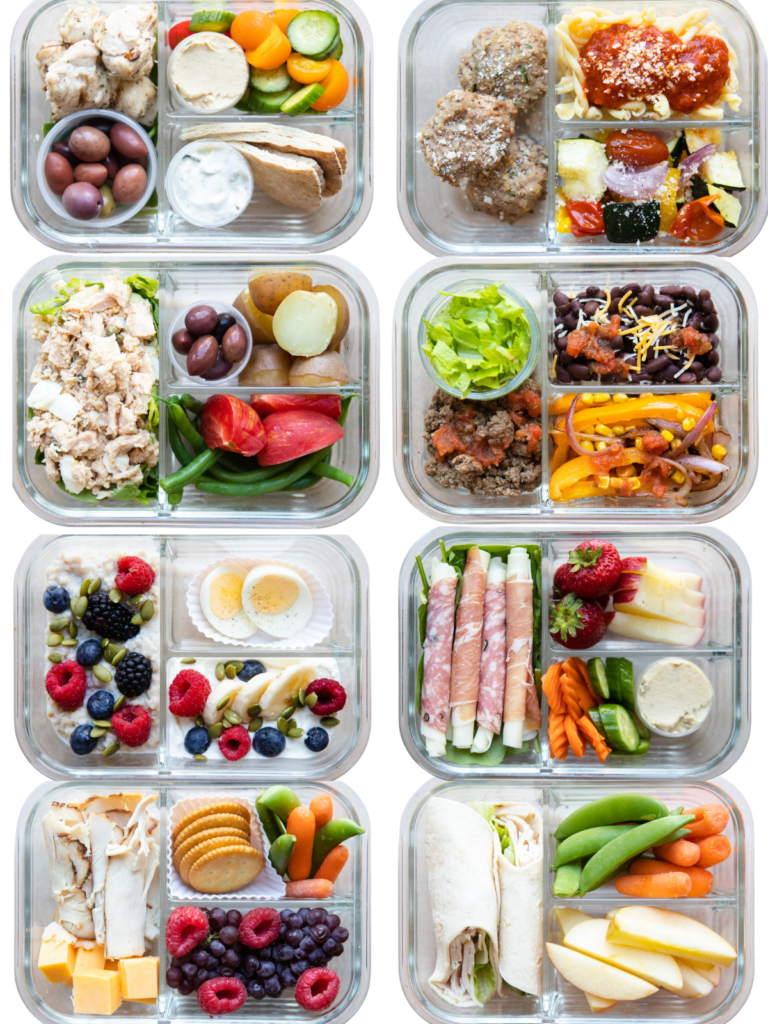
Salads can support meal planning because many ingredients are easy to prepare in batches. Cooked chicken, boiled eggs, grains, and chopped vegetables can be ready before the week begins.
A practical meal plan changes ingredients instead of repeating the same bowl every day. For example, leftover roasted vegetables can become a grain salad one day and a topping for greens another day.
Source: snappyliving.com
Prepare versatile ingredients
Cook ingredients that can be used in multiple meals.
Keep backup options
Canned beans, frozen vegetables, and shelf-stable grains can help create quick salads.
Budget Friendly Salad Tips
Affordable salads do not require expensive ingredients. Seasonal vegetables, beans, eggs, cabbage, carrots, and grains can create filling meals at a lower cost.
Buying ingredients with multiple uses can reduce waste. A cucumber can be used in salads, sandwiches, and snacks, while cooked grains can support several recipes.
Use seasonal produce
Seasonal items are often easier to find and may cost less.
Add affordable proteins
Beans, lentils, and eggs are common budget-friendly choices.
Frequently Asked Questions About Easy Salad Recipes
Easy salads are flexible, but many home cooks have questions about ingredients, storage, and preparation methods.
Source: peasandcrayons.com
Frequently Asked Questions
Q
What are the easiest salad ingredients to keep at home?
Common options include lettuce, spinach, cucumbers, tomatoes, carrots, canned beans, eggs, nuts, and simple dressing ingredients. These items can create many different salads without special shopping trips.
Q
How can I make a salad more filling?
Add protein such as chicken, eggs, beans, fish, tofu, or cheese. Including grains like quinoa or pasta can also make a salad more satisfying.
Q
How long can prepared salad stay fresh?
Freshness depends on ingredients and storage conditions. Keeping dressing separate and storing vegetables properly can help maintain quality longer.
Q
Can easy salads be prepared for work lunches?
Yes. Many salads work well for lunches when ingredients are stored correctly. Keep wet ingredients and dressing separate until it is time to eat.
Q
Are salads always low calorie?
Not always. Calories depend on ingredients such as cheese, nuts, oils, grains, and dressings. A salad can be light or a complete meal depending on how it is built.
✦ Wrapping Up
Conclusion
Easy salad recipes are built around simple choices rather than complicated cooking. By combining fresh produce, filling ingredients, and balanced dressing, anyone can create meals that fit different schedules and preferences.
The most useful approach is to learn the basic salad structure and adapt it. With a few reliable ingredients, salads can become quick lunches, family sides, and flexible meals throughout the week.
💡 Key Takeaway
Start with one base, add colorful vegetables, include a filling ingredient, and prepare a simple dressing to create an easy salad that matches your needs.
Quick, crispy bites made simple—air fryer snack recipes with times, tips, and healthy swaps to satisfy cravings fast, perfect for beginners and busy nights.
Quick, tasty microwave weight loss meals that fit busy schedules—balanced recipes, calorie tips, and meal plans to help you shed pounds without spending hours.
Make bakery-worthy sweets fast with chocolate dessert recipes at home. Simple ingredients, step-by-step tips, and no-fail favorites your family will love.
Get fast, flavorful meals in minutes with quick vegetarian lunch ideas—budget-friendly, protein-packed, and kid-approved. Prep smarter and eat happier.