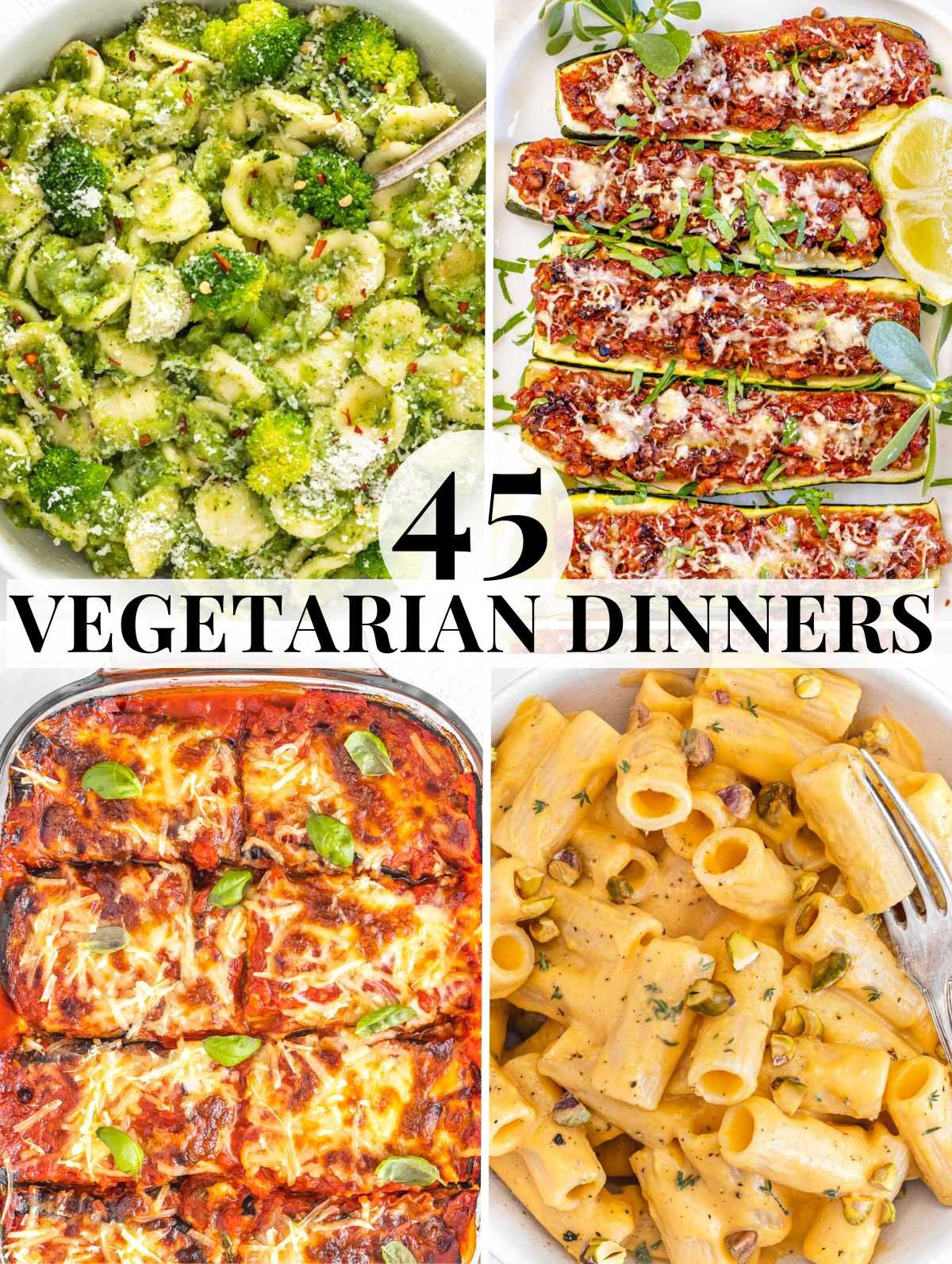
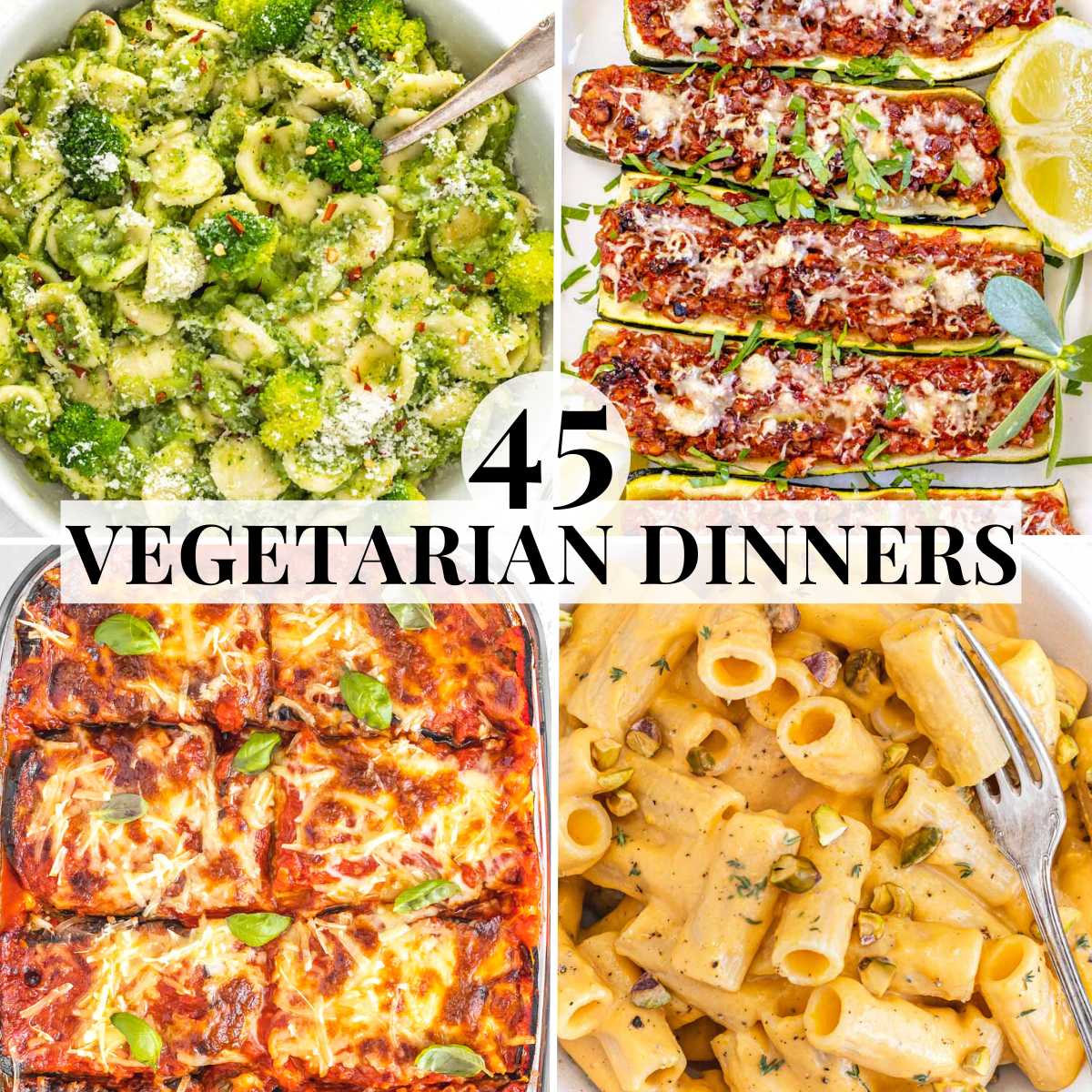
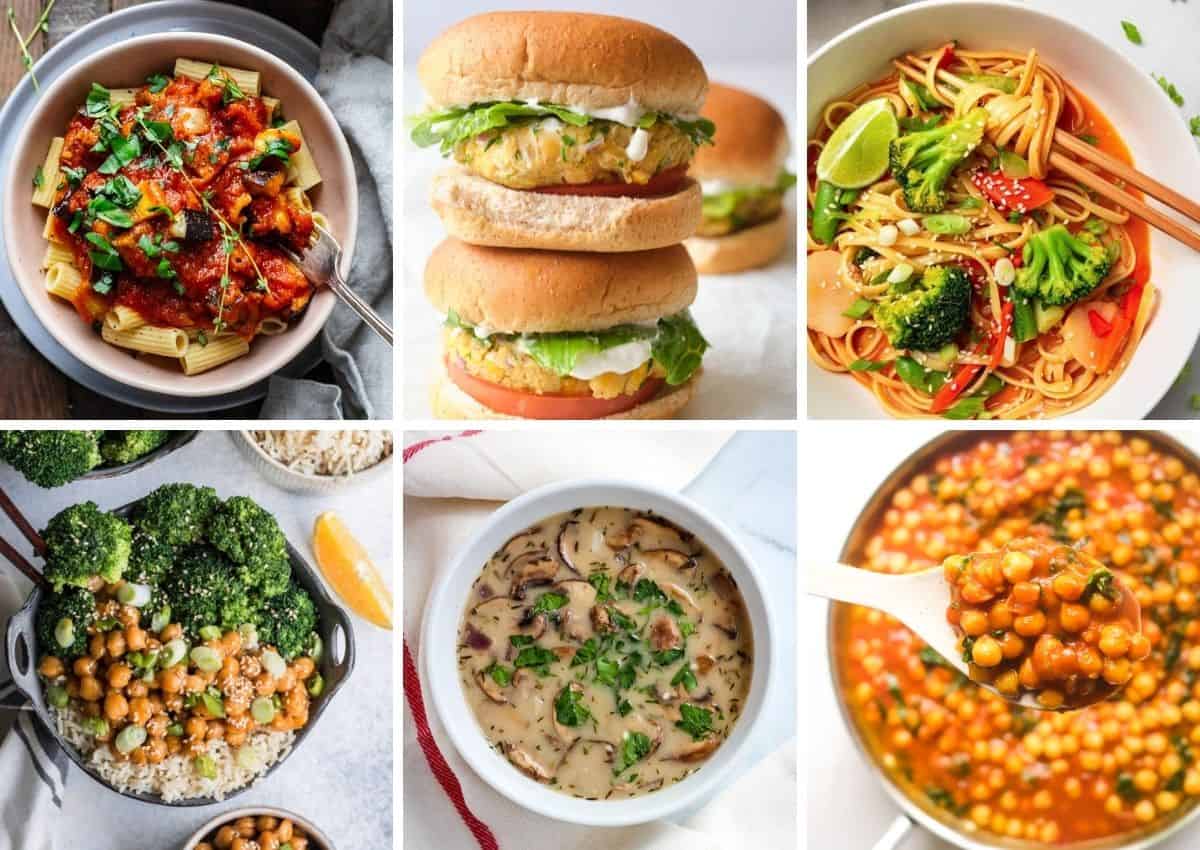
The easiest vegetarian recipes rely on familiar ingredients, simple cooking methods, and a balance of vegetables, protein, and filling carbohydrates.
For busy households across the United States, easy vegetarian meals can make weeknight cooking simpler without depending on specialty ingredients. A skillet of vegetables and beans, a quick pasta dish, a loaded grain bowl, or a sheet-pan dinner can all become satisfying meatless meals with relatively little preparation.
The key is to build meals around ingredients that are practical to keep on hand. Beans, lentils, chickpeas, eggs, cheese, tofu, whole grains, pasta, frozen vegetables, fresh produce, canned tomatoes, and simple seasonings give you plenty of ways to create flavorful vegetarian dinners. The recipes and methods below focus on flexibility, reasonable preparation time, and ingredients commonly available at U.S. grocery stores.
Source: Bing
What Makes a Vegetarian Recipe Easy?
An easy vegetarian recipe usually minimizes complicated preparation, uses accessible ingredients, and relies on a straightforward cooking method. The goal is not simply to reduce the number of ingredients but to make each ingredient work efficiently.
A useful formula for a complete meatless meal is vegetables plus protein plus a carbohydrate, followed by a flavorful sauce or seasoning. For example, roasted broccoli, chickpeas, and potatoes can become a sheet-pan dinner, while black beans, corn, vegetables, and rice can form a quick burrito bowl.
Vegetarian does not automatically mean vegan. Vegetarian meals may include foods such as eggs, milk, yogurt, cheese, and butter, depending on the type of vegetarian diet. If you are cooking for someone with a specific dietary restriction, check packaged ingredients and recipe components rather than assuming every meatless food is suitable.
Source: Bing
Few complicated steps
Recipes are easier to manage when preparation and cooking can happen in a short, predictable sequence.
Flexible ingredients
Vegetables, beans, grains, and seasonings can often be swapped based on what you already have.
Balanced components
Combining produce with a protein source and a filling carbohydrate creates a more substantial meal than vegetables alone.
Efficient cleanup
One-pot, one-pan, and skillet recipes can reduce the number of dishes needed after dinner.
Easy Vegetarian Recipes for Busy Weeknights
The best weeknight recipes are adaptable enough to fit your schedule and pantry. You do not need to follow one exact ingredient combination every time. Start with a dependable base, then change the vegetables, protein, sauce, or seasoning to create a different meal.
These ideas work especially well when you want dinner without a long preparation period.
Source: Bing
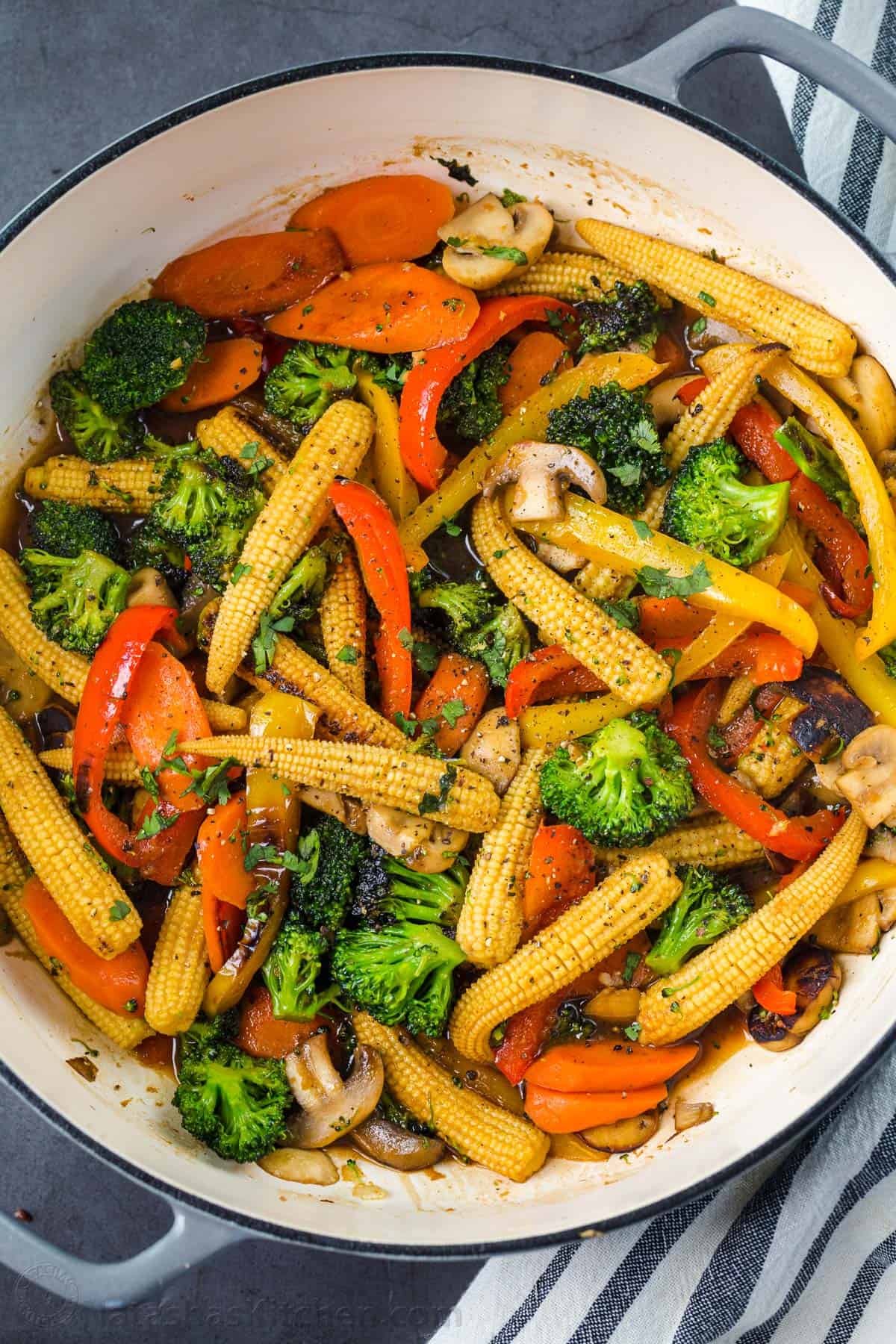
Vegetable stir-fry
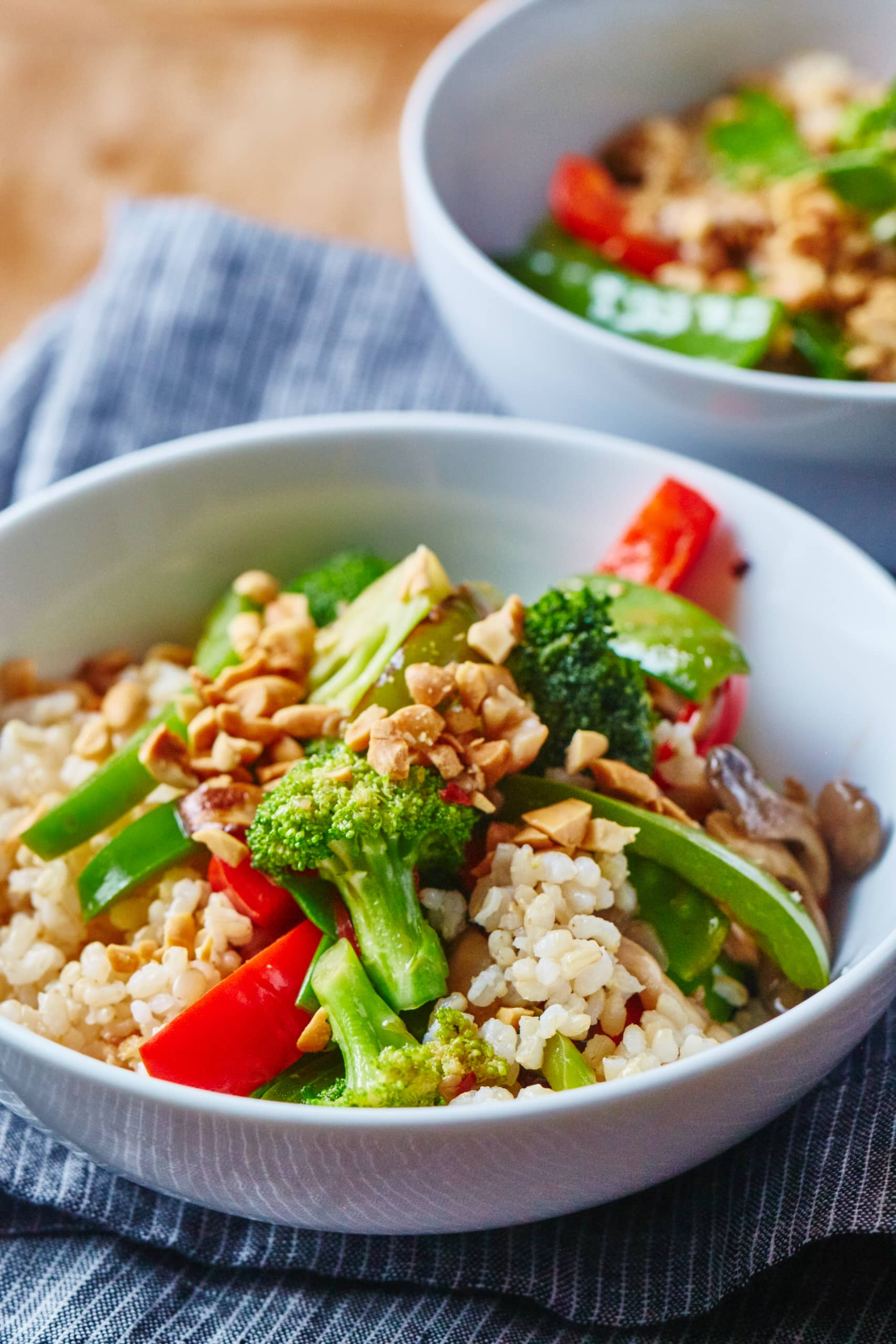
Cook a mixture of fresh or frozen vegetables in a hot skillet and finish with a simple soy-based sauce. Serve over rice or noodles and add tofu, edamame, or another protein source for a more substantial meal.
Black bean tacos
Warm seasoned black beans and spoon them into tortillas with lettuce, tomatoes, avocado, salsa, and cheese. Canned beans make this option especially convenient.
Chickpea pasta
Combine cooked pasta with chickpeas, tomatoes, spinach, garlic, olive oil, and herbs. A small amount of Parmesan can add additional flavor if dairy fits your diet.
Vegetarian quesadillas
Fill tortillas with cheese, beans, peppers, corn, mushrooms, or other cooked vegetables, then toast them in a skillet until crisp.
Lentil soup
Simmer lentils with vegetables, tomatoes, broth, and seasonings. Lentils do not require the soaking step used for some dried beans, making them useful for relatively simple meals.
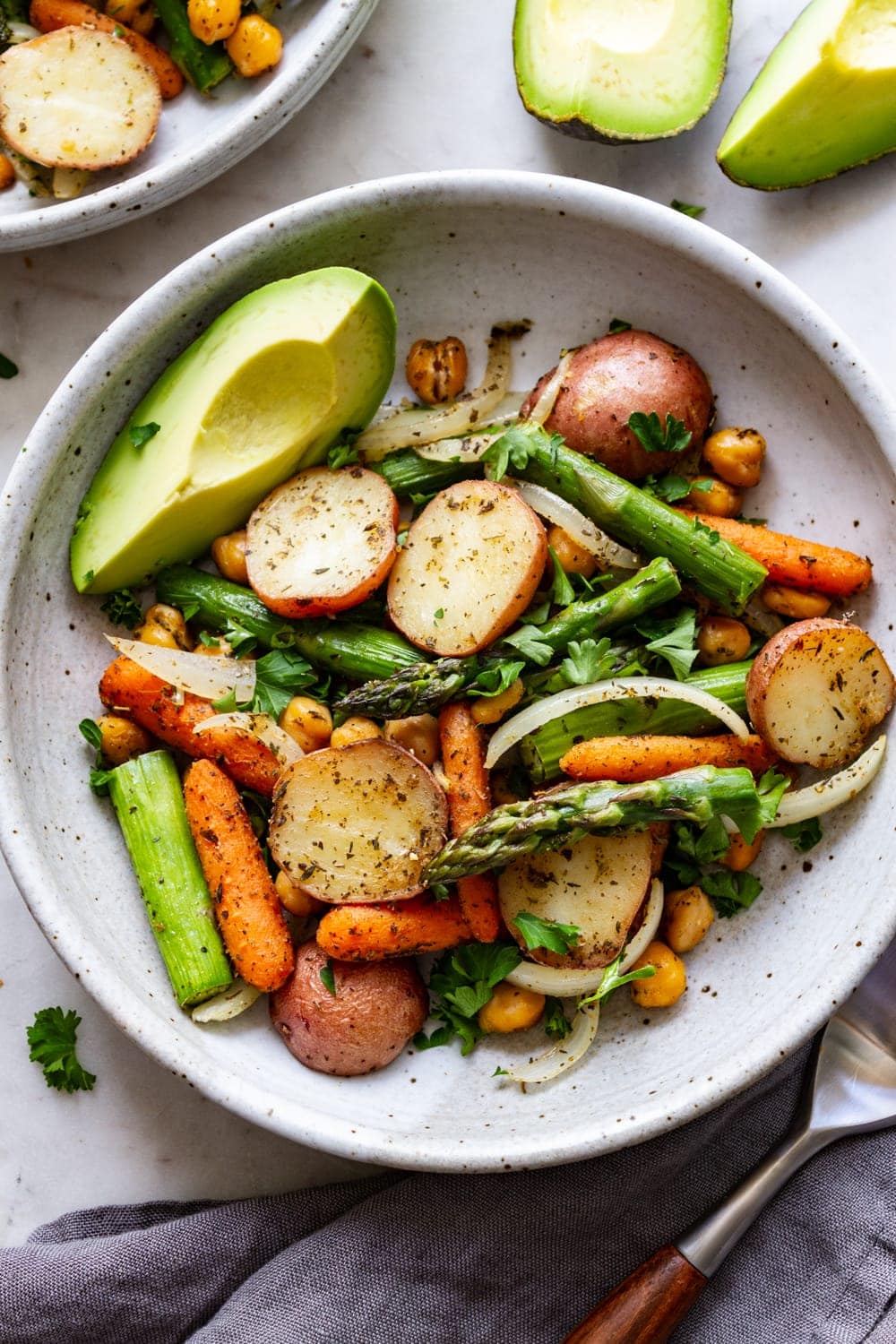
Sheet-pan vegetables and chickpeas
Roast vegetables and chickpeas together on a sheet pan with oil and seasonings. Serve with rice, quinoa, couscous, or warm bread.
Easy Vegetarian Breakfast Ideas
Vegetarian cooking is not limited to dinner. Breakfast can be one of the easiest places to use meatless ingredients because eggs, dairy, grains, fruit, vegetables, and legumes can be combined in simple ways.
For a quick breakfast, focus on recipes that can be prepared in one pan or assembled from ingredients that are already cooked.
Source: Bing
Vegetable egg scramble
Cook spinach, mushrooms, peppers, onions, or tomatoes before adding beaten eggs. Serve with whole-grain toast or potatoes.
Overnight oats
Combine oats with milk or a suitable alternative, yogurt, fruit, and nuts, then refrigerate until the oats soften.
Avocado toast
Spread mashed avocado on toasted bread and add tomato, a fried or poached egg, seeds, or a squeeze of lemon.
Yogurt and fruit bowl
Layer yogurt with berries, banana, nuts, seeds, and oats for an easy breakfast that requires no cooking.
Easy Vegetarian Lunches
A good vegetarian lunch should be convenient enough for a workday while still providing enough substance to carry you through the afternoon. Grain bowls, wraps, salads, and leftovers are particularly useful because they can be assembled from prepared ingredients.
Batch-cooking one or two components, such as rice, roasted vegetables, lentils, or beans, can make several lunches easier to assemble during the week.
Source: Bing
Chickpea salad wrap
Mash chickpeas with a dressing of your choice and combine them with crunchy vegetables before serving in a tortilla or pita.
Mediterranean grain bowl
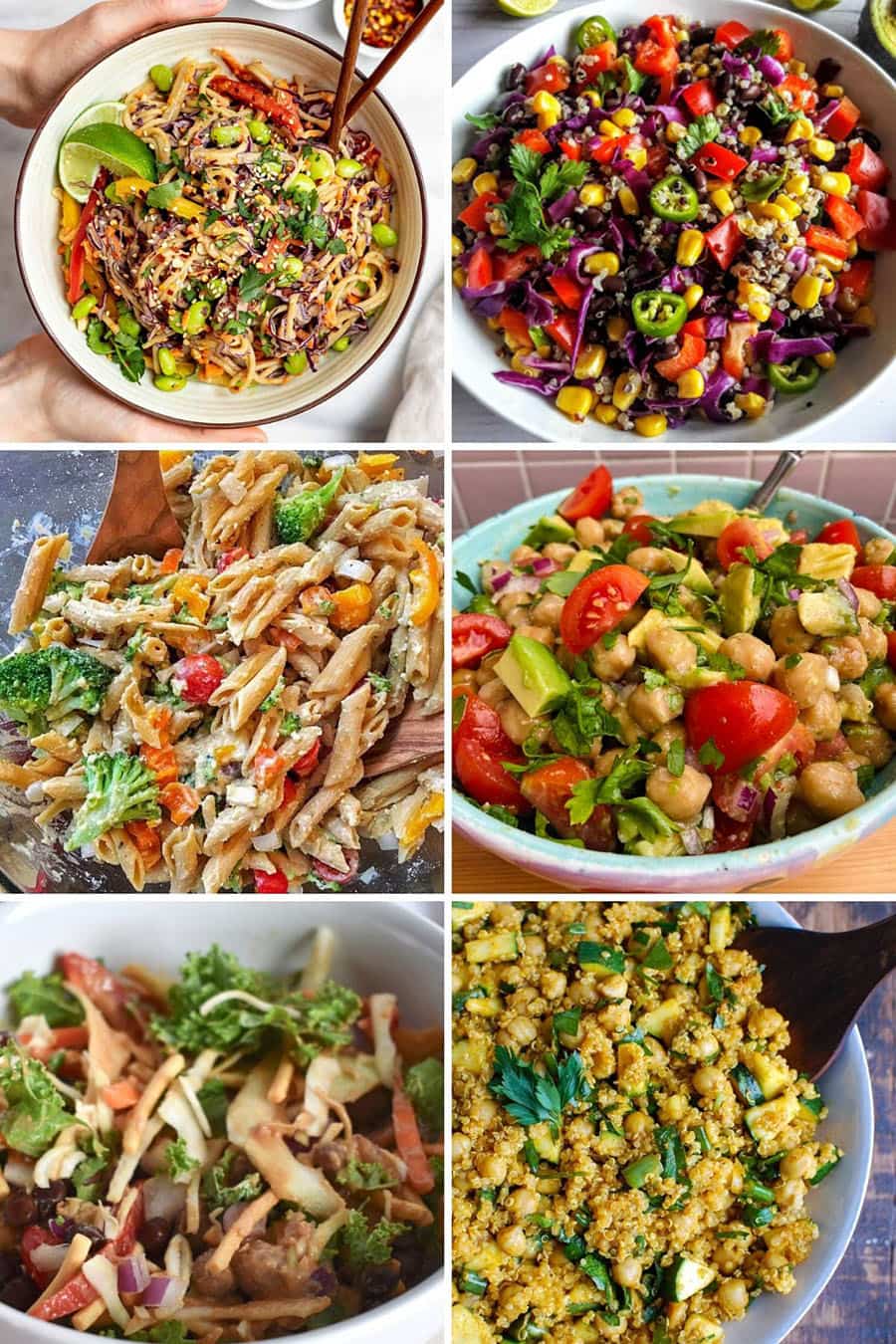
Combine cooked grains with chickpeas, cucumber, tomatoes, greens, olives, herbs, and a lemon-based dressing.
Caprese-style sandwich
Layer tomatoes, mozzarella, basil, and a suitable spread or dressing between slices of bread.
Vegetable hummus wrap
Spread hummus on a tortilla and add roasted or fresh vegetables, greens, and beans for extra substance.
Easy Vegetarian Dinners
Dinner is where a simple vegetarian meal formula becomes especially useful. Instead of trying to replace meat directly in every recipe, build the meal around a plant-based protein, vegetables, and a familiar starch or grain.
For example, a rice bowl can use beans instead of meat, a pasta dish can include lentils or chickpeas, and a taco night can center on black beans, mushrooms, roasted vegetables, or tofu.
Source: Bing
Vegetarian chili
Simmer beans, tomatoes, corn, peppers, onions, and chili-seasoned spices together. Serve with rice, tortilla chips, avocado, or cheese.
Vegetable fried rice
Use cooked rice with vegetables, eggs if desired, and a savory sauce. Leftover rice works particularly well because it is less moist than freshly cooked rice.
Creamy vegetable pasta
Toss pasta with sautéed vegetables and a simple sauce made from ingredients such as tomato, cream, cheese, or blended vegetables.
Stuffed baked potatoes
Top baked potatoes with black beans, broccoli, cheese, salsa, Greek yogurt, or other preferred toppings.
Vegetable curry
Simmer vegetables and chickpeas or lentils in a seasoned tomato, coconut, or yogurt-based sauce and serve with rice or flatbread.
A Simple Dinner Formula
Choose one ingredient from each category: vegetables, protein, carbohydrate, and flavor. This approach lets you make dinner from what is available rather than searching for a completely new recipe every night.
Vegetables
Broccoli, cauliflower, carrots, bell peppers, zucchini, spinach, mushrooms, cabbage, tomatoes, or frozen mixed vegetables.
Rice, potatoes, pasta, quinoa, couscous, tortillas, oats, or whole-grain bread.
Flavor
Salsa, pesto, curry spices, garlic, ginger, herbs, lemon juice, vinegar, soy sauce, or a simple yogurt-based sauce.
How to Make Vegetarian Meals More Filling
If a vegetarian meal leaves you hungry soon afterward, the issue may be the meal’s overall composition rather than the absence of meat. Adding a protein-rich food and a satisfying carbohydrate can make a noticeable practical difference.
Beans, lentils, chickpeas, tofu, eggs, dairy foods, nuts, and seeds are useful options. Pairing them with rice, potatoes, pasta, whole grains, or bread gives the meal more structure.
Source: Bing
Add beans or lentils
Canned beans and cooked lentils can be stirred into soups, pasta, grain bowls, tacos, salads, and stews.
Use tofu or tempeh
These foods can be baked, pan-seared, or stir-fried and absorb sauces and seasonings well.
Include whole grains
Brown rice, oats, quinoa, whole-grain bread, and other whole grains can provide a substantial carbohydrate base.
Finish with nuts or seeds
Nuts and seeds can add texture and flavor while contributing protein and unsaturated fats.
How to Save Time When Cooking Vegetarian Meals
The fastest way to cook more vegetarian meals is to prepare versatile ingredients rather than fully preparing a different recipe every day. A batch of cooked grains, roasted vegetables, beans, or lentils can become several different meals with different sauces and seasonings.
Frozen vegetables can also be useful when washing and chopping fresh produce would otherwise prevent you from cooking. Canned beans, tomatoes, and chickpeas are similarly convenient pantry staples.
Source: Bing
Keep canned beans available
Rinse and drain canned beans before using them in salads, tacos, soups, bowls, and pasta.
Use frozen vegetables strategically
Frozen vegetables are convenient for stir-fries, soups, fried rice, pasta, and quick skillet meals.
Cook grains in batches
Prepared rice, quinoa, or another grain can serve as the base for several meals.
Prepare one versatile sauce
A simple dressing, pesto, salsa, tahini sauce, or yogurt-based sauce can change the flavor of otherwise similar ingredients.
Common Mistakes With Easy Vegetarian Recipes
Simple vegetarian cooking becomes easier when you avoid a few common problems. The most frequent issue is building a meal around vegetables alone and expecting it to be as satisfying as a complete meal.
Another common mistake is under-seasoning. Vegetables, grains, beans, and tofu can taste flat without enough salt, acidity, herbs, spices, aromatics, or sauce. Good seasoning does not require complicated ingredients; garlic, onion, lemon juice, vinegar, herbs, spices, and salsa can make a large difference.
Source: Bing
Mistake: vegetables are the entire meal
Fix this by adding a protein source and a filling carbohydrate when appropriate.
Mistake: relying on one texture
Combine soft ingredients with something crisp, toasted, fresh, or crunchy to make the meal more interesting.
Mistake: using too many specialty ingredients
Start with familiar pantry staples and introduce specialty ingredients only when they serve a clear purpose.
Mistake: ignoring leftovers
Design recipes so extra beans, grains, roasted vegetables, or sauces can become the foundation of another meal.
How to Choose the Right Easy Vegetarian Recipe
The best recipe depends on the time available, ingredients already in the kitchen, cooking equipment, and how substantial the meal needs to be. A 15-minute stir-fry makes sense on a busy evening, while a slow-simmered chili can be better when you have more time and want leftovers.
Use the table below as a practical starting point rather than treating one cooking method as universally better.
Source: Bing
For the fastest dinner
Choose stir-fries, quesadillas, tacos, sandwiches, or bowls assembled from prepared ingredients.
For minimal cleanup
Choose sheet-pan meals, skillet dinners, soups, or one-pot pasta.
For meal prep
Choose chili, lentil soup, grain bowls, roasted vegetables, or cooked beans and grains that can be reused.
For picky eaters
Start with familiar foods such as pasta, pizza, tacos, quesadillas, rice bowls, or baked potatoes and add vegetables gradually.
For a pantry-based meal
Use canned beans, canned tomatoes, pasta, rice, frozen vegetables, spices, and shelf-stable grains.
Food Safety Tips for Vegetarian Cooking
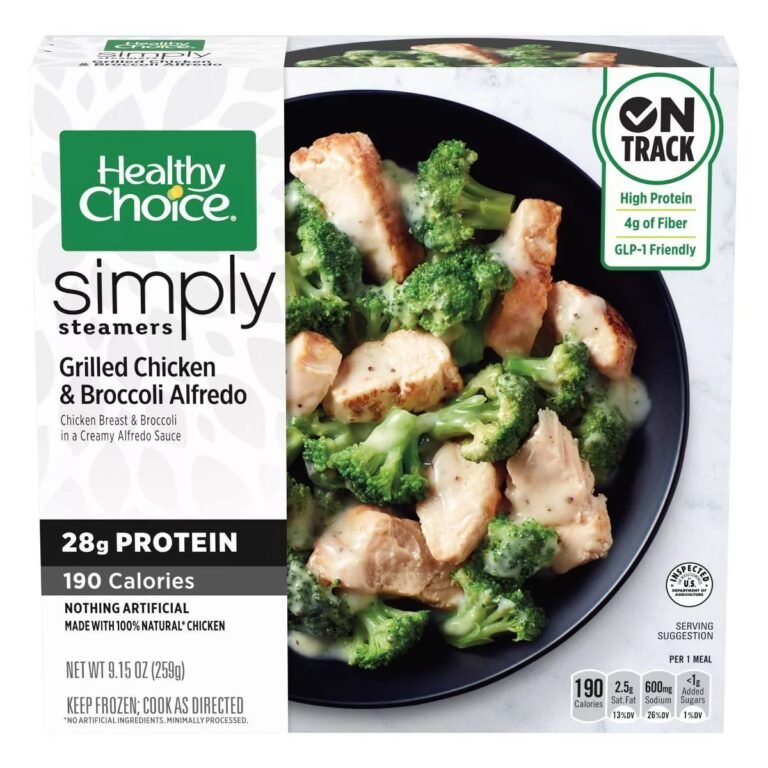
Vegetarian food still requires normal food-safety practices. Wash produce appropriately, keep perishable foods refrigerated, prevent cross-contamination, and cook foods that require cooking to a safe temperature.
Cooked leftovers should be handled promptly and refrigerated rather than left at room temperature for extended periods. When preparing meals for someone with a food allergy or medically necessary dietary restriction, check labels and prevent cross-contact with the relevant allergen.
Source: Bing
Wash produce
Rinse fresh produce under running water before preparation, including produce that will be peeled.
Separate raw and ready-to-eat foods
Use clean utensils and surfaces to reduce the risk of cross-contamination.
Refrigerate leftovers promptly
Store leftovers safely in the refrigerator and reheat them thoroughly before serving.
Check packaged ingredients
Ingredient labels matter when a recipe needs to be vegan, dairy-free, egg-free, gluten-free, or suitable for a specific allergy.
Frequently Asked Questions
Q
What is the easiest vegetarian meal to make?
A bean-based taco, vegetable stir-fry, quesadilla, pasta with vegetables, or grain bowl is a practical starting point. These meals can use simple ingredients and allow substitutions based on what you have available.
Q
What are good vegetarian foods for beginners?
Beans, lentils, chickpeas, pasta, rice, potatoes, eggs, cheese, tofu, frozen vegetables, and canned tomatoes are useful beginner-friendly ingredients. They can be combined with familiar sauces and seasonings without requiring advanced cooking techniques.
Q
How can I make vegetarian meals more filling?
Add a protein source such as beans, lentils, chickpeas, tofu, eggs, dairy foods, nuts, or seeds and pair it with a satisfying carbohydrate such as rice, potatoes, pasta, or whole grains.
Q
Can vegetarian meals be made ahead of time?
Yes. Soups, chili, cooked grains, beans, lentils, roasted vegetables, and many grain bowls are practical for meal preparation. Store prepared foods safely and assemble components into different meals during the week.
Q
What is the difference between vegetarian and vegan recipes?
Vegetarian diets generally exclude meat, poultry, and seafood but may include foods such as eggs or dairy. Vegan diets exclude animal-derived foods. Because individual dietary practices vary, check the complete ingredient list when cooking for someone with a specific requirement.
✦ Wrapping Up
Conclusion
Easy vegetarian recipes do not require complicated ingredients or elaborate cooking techniques. A reliable combination of vegetables, plant-based or vegetarian protein, a satisfying carbohydrate, and flavorful seasonings can turn everyday groceries into practical breakfasts, lunches, and dinners.
For busy U.S. households, keeping canned beans, lentils, grains, pasta, frozen vegetables, fresh produce, and a few versatile sauces on hand can make meatless cooking much easier. Start with recipes you already enjoy, make sensible ingredient swaps, and build a small collection of meals that fit your schedule.
💡 Key Takeaway
For your next meatless dinner, choose one vegetable, one protein source, one carbohydrate, and one flavorful sauce or seasoning. That simple formula can give you a flexible starting point for an easy vegetarian meal.
Blend better mornings with healthy breakfast smoothie recipes—nutritious, quick, and tasty. Get ingredient tips, swaps, and 5-minute blends to fuel your day.