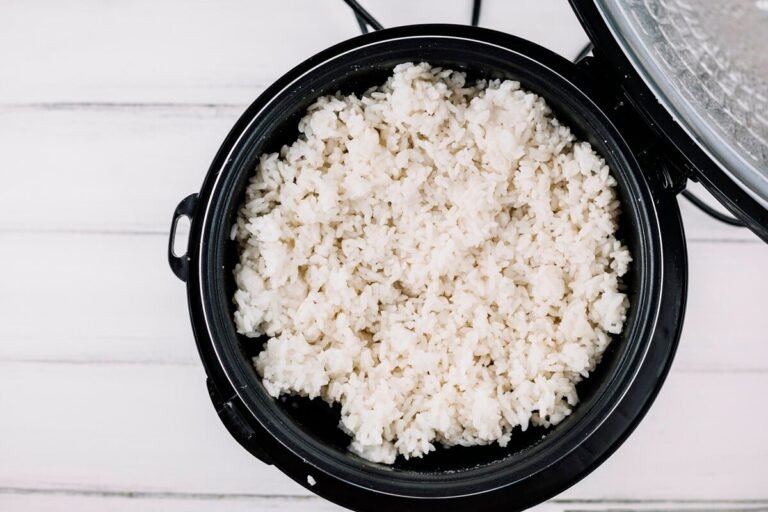
Yes — flatbed microwaves are often better for even heating, larger dishes, and flexible cookware use.
I have tested and used both turntable and flatbed microwaves for years in home and small commercial kitchens. This guide explains why a flatbed microwave might be the right choice for you, shows real-world pros and cons, and gives practical tips to make the most of one. If you want clear answers and hands-on advice about whether a flatbed microwave better fits your cooking needs, keep reading.

What is a flatbed microwave?
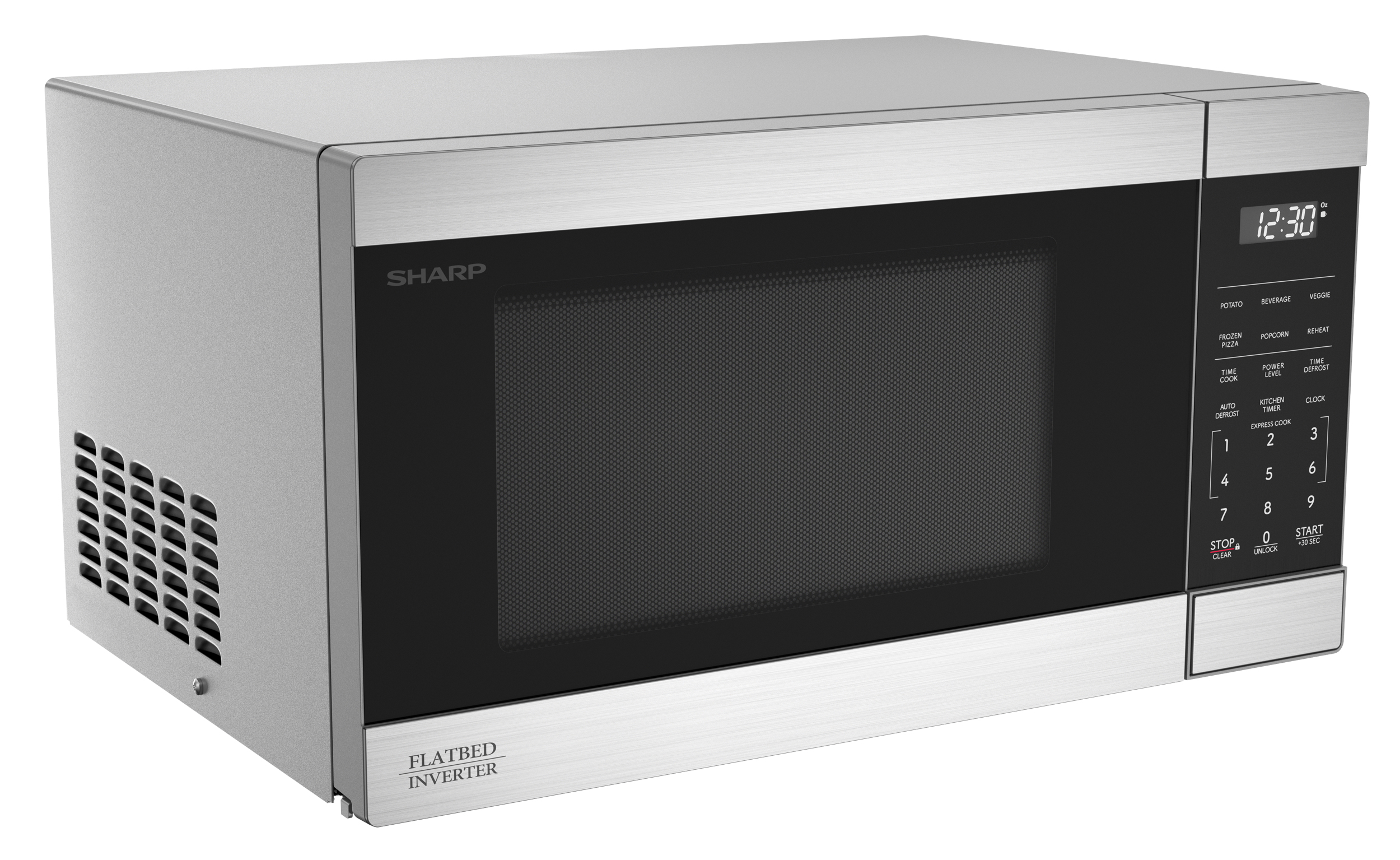
A flatbed microwave uses a flat, rotating-free cavity with a hidden rotating antenna or mode stirrer to distribute microwave energy. It does not rely on a visible glass turntable to move food.
This design increases usable cooking space and simplifies cleaning. Many modern models also include inverter or sensor cooking to improve results.
Flatbed vs turntable: how they differ
Flatbed microwaves use a flat cooking surface and an internal wave distributor. Turntable microwaves rotate the plate to help heat food evenly.
Key differences include:
- Usable interior space: Flatbed offers more room for large or odd-shaped dishes.
- Evenness of heating: Flatbed relies on wave control for even heating rather than physical rotation.
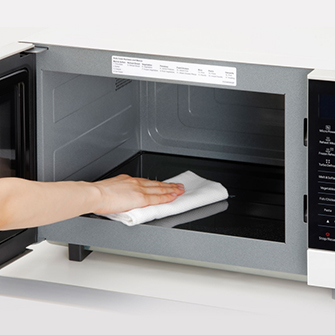
- Cleaning: Flatbed is easier to clean without moving parts to remove.
- Noise and wear: Flatbed has fewer moving parts, reducing mechanical wear and noise.
If you often reheat plates, large bowls, or casserole dishes, a flatbed microwave better suits those tasks than a turntable.
Are flatbed microwaves better for cooking?
Flatbed microwaves can be better for many everyday cooking tasks. They often provide more even heating across wider dishes and avoid spots where food sits off-center on a turntable.
They excel at fitting rectangular or oversized cookware. However, results also depend on wattage, cavity design, and cooking technique. For best results, match wattage and use sensor settings when available.

Advantages of flatbed microwaves
Flatbed units offer several real benefits for home cooks and busy kitchens.
- More usable space: You can fit square or large dishes without obstruction.
- Easier cleaning: A flat surface wipes clean quickly with no turntable to remove.
- Flexible placement: Dishes don’t need to be centered to cook well, which helps with odd shapes.
- Quieter and durable: Fewer moving parts mean less noise and fewer mechanical failures.
- Better stacking options: Some models allow small stacking of multiple shallow trays for batch reheating.
For many users, the flatbed microwave better design reduces hassle and improves daily use.

Drawbacks and limitations
Flatbed microwaves are not perfect for every user or kitchen.
- Price: They can cost more than basic turntable models.
- Repair complexity: Waveguide or antenna repairs may be more complex and costly.
- Uneven pockets: Some models still show hot and cold spots if wave distribution is poor.
- Availability: Fewer models exist in some markets, limiting choices.
Knowing these limits helps set realistic expectations about whether a flatbed microwave better meets your needs.
Buying guide: what to look for
Focus on features that affect performance and daily use when you shop.
- Wattage: Aim for 800–1200W for strong, consistent cooking.
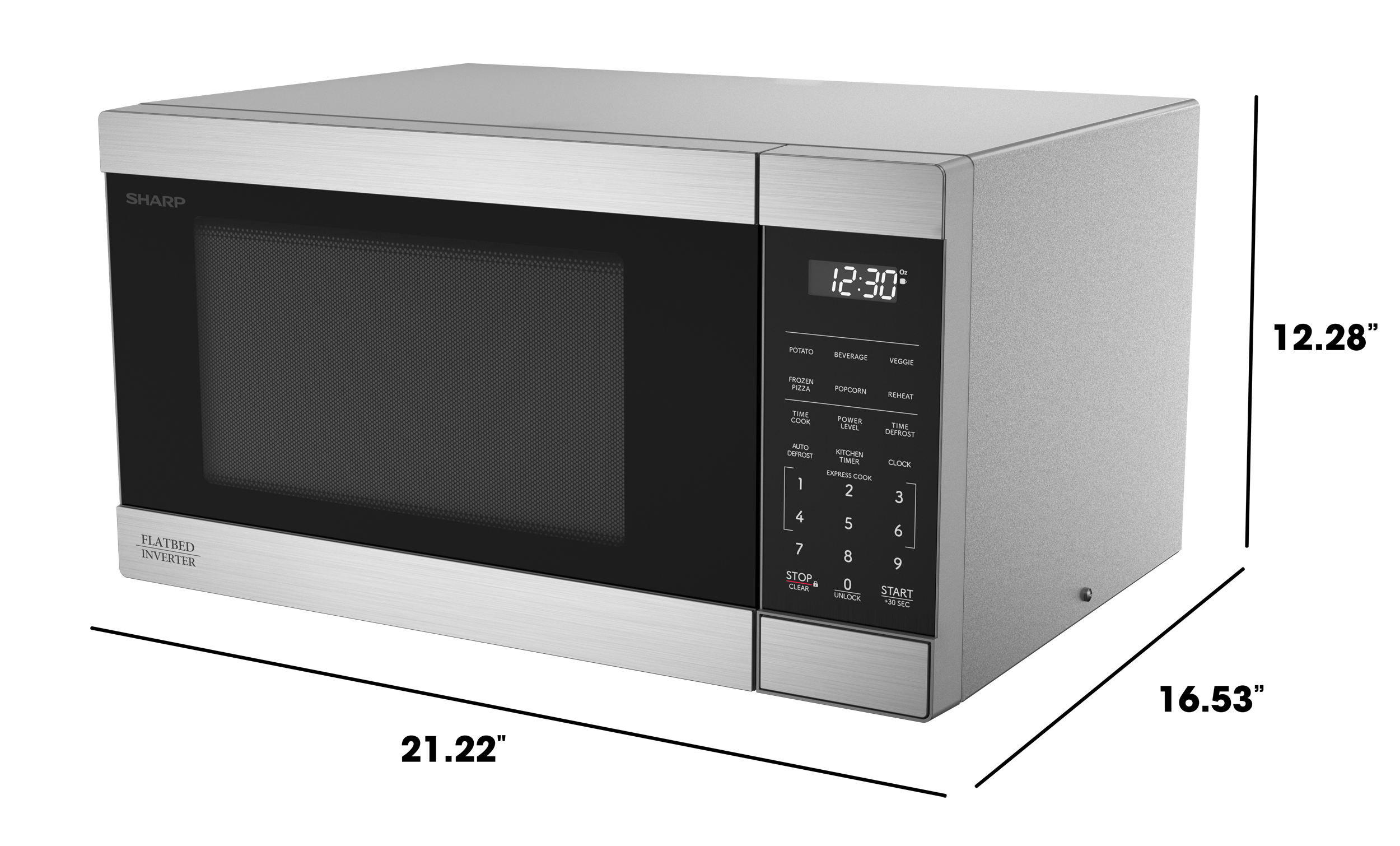
- Cavity size: Measure your largest dishes to ensure a good fit.
- Sensor cooking: Helps prevent overcooking and provides consistent results.
- Power settings and inverter tech: Inverter motors give gentler defrost and more precise heat.
- Safety and warranty: Check door seals, certifications, and warranty length.
If you want best overall performance, prioritize wattage and sensor features—these often make a flatbed microwave better in practice.

Personal experience and real-world tips
I switched from a turntable to a flatbed microwave three years ago for my family kitchen. The change made reheating plates and heating leftovers faster and less fussy.
A few things I learned:
- Place tall items near the center of the cavity for more even results.
- Use lower power for defrost to avoid hot edges.
- Clean spills promptly with a damp cloth to prevent lingering odors.
These small habits made my flatbed microwave better at daily tasks and extended its useful life.
Maintenance, safety, and best use practices
Good care keeps performance high and risks low.
- Clean after spills: Wipe the flat surface regularly to avoid burned-on residues.
- Avoid metals: Do not use metal containers or foil unless the manufacturer explicitly allows it.
- Check vents: Keep air vents clear for proper cooling.
- Use microwave-safe cookware: Glass, ceramic, and microwave-safe plastics work best.
- Inspect door seals: Replace or service if you see damage or warping.
Following these steps will help your flatbed microwave better serve you for many years.
Frequently Asked Questions of flatbed microwave better?
Is a flatbed microwave better for large plates?
Yes. Flatbed microwaves provide more uninterrupted interior space, making it easier to fit large or rectangular plates without wobble.
Do flatbed microwaves heat food more evenly than turntables?
Often they do. Flatbed models use wave distribution that can produce fewer cold spots, though results depend on model design and wattage.
Are flatbed microwaves harder to repair?
They can be. The waveguide or mode stirrer is less common in turntables, so repairs may require specialist service and sometimes cost more.
Can I use any cookware in a flatbed microwave?
You should use microwave-safe cookware only. Glass, ceramic, and labeled microwave-safe plastics are fine; avoid metal unless the manual permits it.
Are flatbed microwaves more expensive?
Generally yes. Flatbed models often cost more upfront but may offer long-term benefits like easier cleaning and better fit for large dishes.
Conclusion
A flatbed microwave better suits many kitchens when you value usable space, easier cleaning, and flexible cookware use. They offer real benefits for families, small commercial kitchens, and anyone who reheats large or odd-shaped dishes often. Assess wattage, sensor features, and warranty to pick a model that meets your needs, and try the simple maintenance tips to get the best results. If you want more help choosing a model or how to use your flatbed microwave better, leave a comment or subscribe for updates.