A sauté pan is more useful for versatile, saucy, and high-sided cooking; a frying pan wins for quick sears.
I’ve cooked for years in home and small professional kitchens, testing pans across thousands of meals. This guide breaks down frying pan vs sauté pan — which one is more useful, by shape, material, heat behavior, and real-world tasks. You’ll get clear comparisons, practical tips, and a simple buy-or-keep decision plan so you can pick the right pan and cook with confidence.

Understanding the difference: frying pan vs sauté pan — which one is more useful
A frying pan and a sauté pan look similar at first. Both are flat-bottomed and used on stovetops. The key difference is the side height and shape. A frying pan has low, sloped sides for quick flips. A sauté pan has taller, straight sides for tossing and holding liquids. When you ask frying pan vs sauté pan — which one is more useful, think of what you cook most: quick sears or saucy dishes.

Design and performance
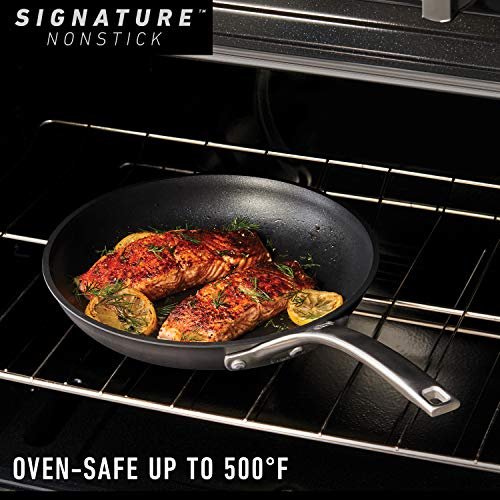
Frying pan design
- Flat bottom and low, sloped sides that make flipping easy.
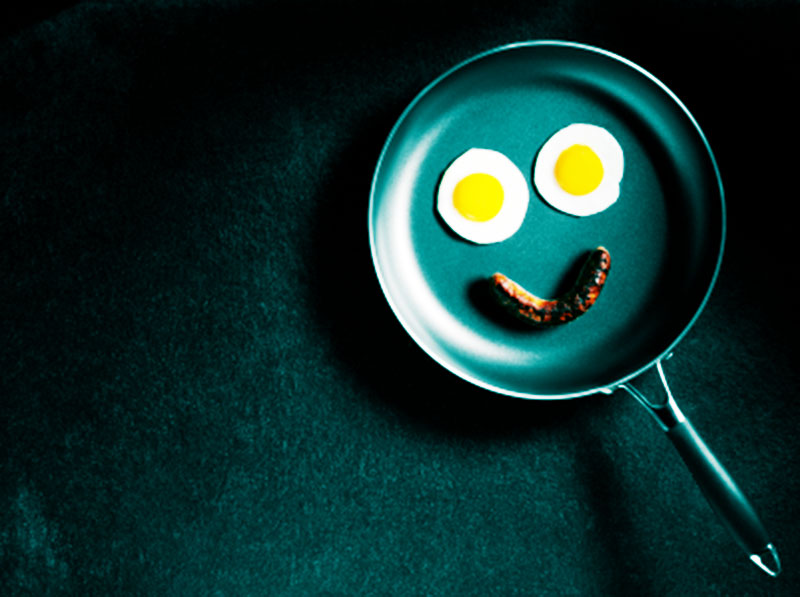
- Best for frying eggs, pancakes, and quick browning.
- Heats quickly and lets moisture escape fast.
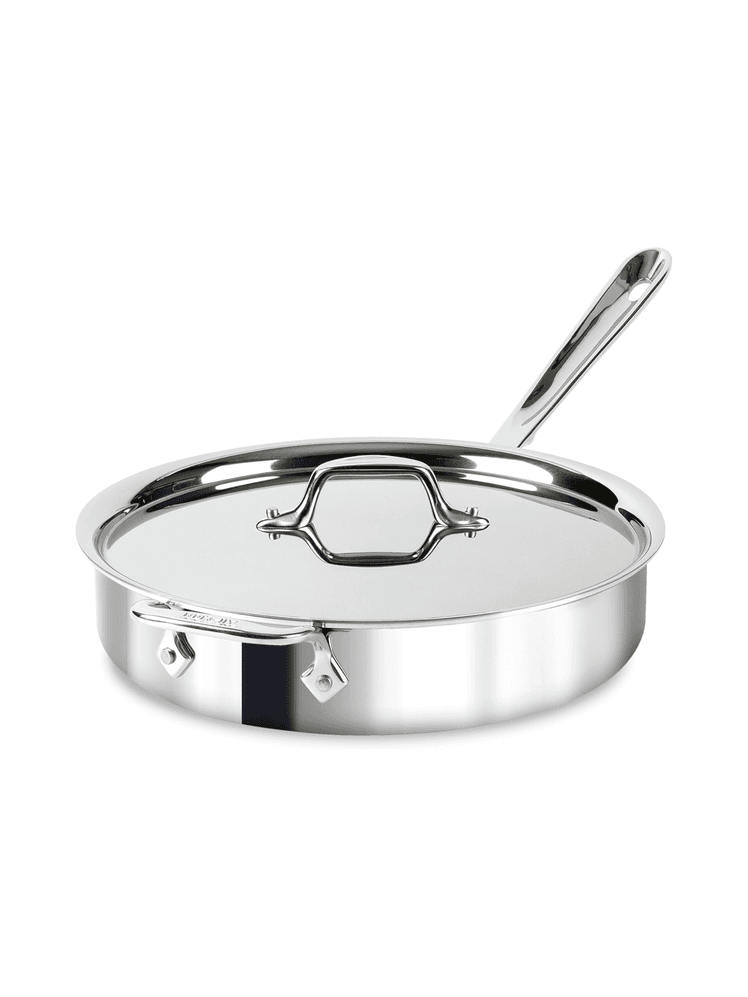
Sauté pan design
- Flat bottom and high, straight sides that contain food and sauce.
- Ideal for deglazing, simmering, and one-pan recipes.
- Keeps heat even and reduces splatter.
Performance differences
- Use a frying pan when you want fast evaporation and crisp edges.
- Use a sauté pan when you need space for stirring and liquid.
Source: quench.me
Cooking tasks and best uses
When to use a frying pan
- Searing steaks and chops.
- Pan-frying fish and thin cuts.
- Cooking eggs, crepes, and quick stir-fry that needs tossing.
When to use a sauté pan
- Making risottos, braises, and pan sauces.
- Searing then adding liquid to finish a dish.
- Cooking foods that need shallow simmering or large-volume tossing.
Practical rule
- Choose a frying pan for speed and crispness.
- Choose a sauté pan for control and saucy finishes.

Source: shopify.com
Materials, heat tolerance, and coatings
Common materials
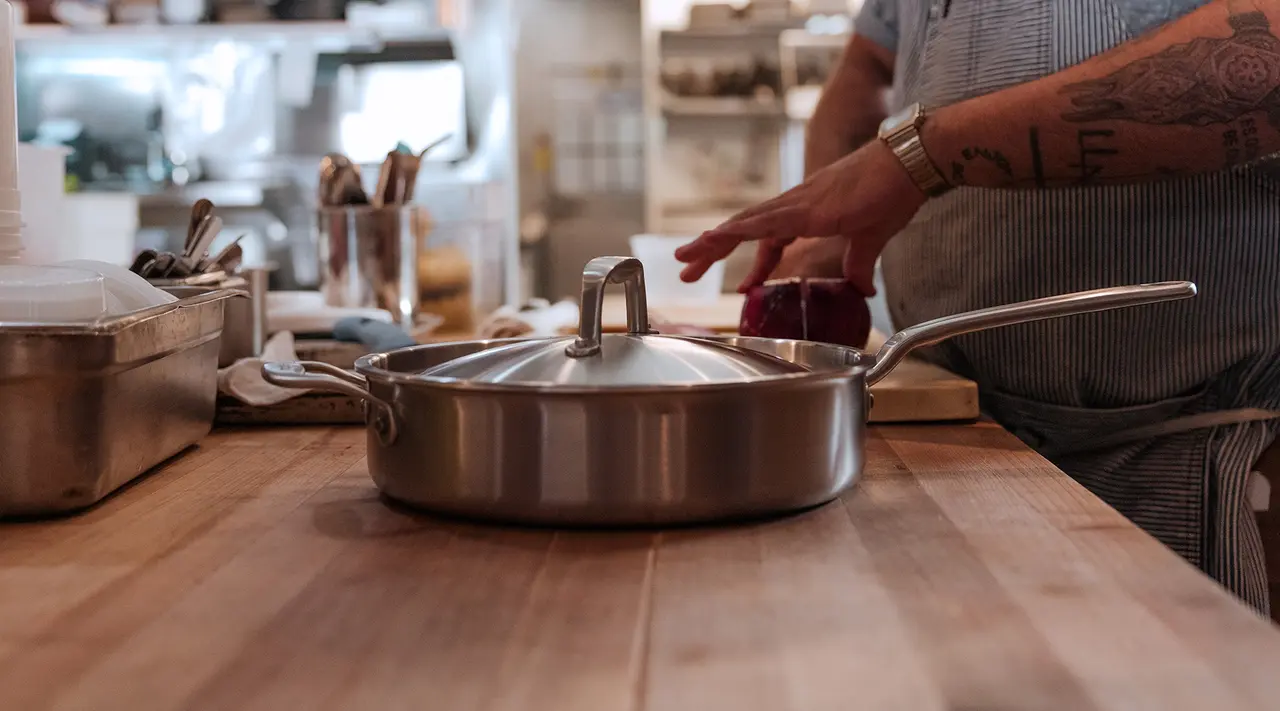
- Stainless steel: durable and great for deglazing; works well in both frying pan vs sauté pan — which one is more useful scenarios.
- Cast iron: superb heat retention for searing; heavier but versatile.
- Aluminum or hard-anodized: heats fast, often with nonstick coating.
- Nonstick: best for eggs and delicate items; avoid high heat.
Coating and heat rules
- Nonstick pans should not be overheated.
- Stainless steel tolerates high heat and helps form fond for sauces.
- Cast iron is forgiving and good for oven finishing.
Tip
- Match the material to typical dishes you cook most.
Source: sanity.io
Size, lids, and practical kitchen workflow
Size matters
- A 10–12 inch frying pan covers most household needs for quick meals.
- A 3–4 quart sauté pan gives room for sauces and vegetables.
Lids and oven use
- Sauté pans often come with lids, useful for simmering.
- Many pans can go from stovetop to oven; check handle materials.
Workflow tips
- Keep a frying pan for everyday quick jobs.
- Use a sauté pan when you plan to finish with liquid or need a lid.
If you still ask frying pan vs sauté pan — which one is more useful, think of lids and space as deciding factors.
Care, maintenance, and longevity
Cleaning tips
- Wash stainless and nonstick with warm soapy water and gentle sponges.
- Re-season cast iron after cleaning and drying.
Avoiding damage
- Do not spray high heat on nonstick surfaces.
- Use wooden or silicone utensils to avoid scratches.
Longevity
- A well-cared stainless or cast iron pan will last decades.
- Nonstick pans need replacement more often but are low-effort for delicate food.
Personal experience and mistakes to avoid
From my kitchen: I once used a frying pan to finish a sauce and lost the liquid quickly. That taught me to use the right vessel. I use a frying pan daily for eggs and seared meat. I reach for my sauté pan for weeknight dishes that combine browning and simmering. Mistakes I made
- Choosing a nonstick pan for high-heat searing and ruining the coating.
- Buying the biggest pan thinking bigger is always better; it can be clumsy.
Practical tips
- Own one good frying pan and one good sauté pan if your budget allows.
- Match pan size to your burner for even heat.
How to choose: a simple decision flow for frying pan vs sauté pan — which one is more useful
Ask yourself
- Do I cook many pan sauces or one-pot stovetop meals? If yes, get a sauté pan.
- Do I mostly sear, fry, or flip food quickly? If yes, get a frying pan.
- Do I want one pan to do most jobs? Consider a deep skillet or a wide sauté pan with a sloped interior.
Buy or keep checklist
- Keep a high-quality 10–12 inch frying pan for speed.
- Add a 3–4 quart sauté pan if you make sauces, stews, or family meals.
- Pick durable materials that match your heat habits.
Final rule: let your cooking habits answer frying pan vs sauté pan — which one is more useful for you.
Frequently Asked Questions of frying pan vs sauté pan — which one is more useful
What is the main difference between a frying pan and a sauté pan?
The main difference is side height and shape. A frying pan has low, sloped sides for flipping; a sauté pan has higher, straight sides for stirring and liquids.
Can I use a frying pan as a sauté pan?
Yes, you can in many cases, but you may lose liquid faster and have less control for sauces. For dishes that need simmering or a lid, a sauté pan is better.
Is one pan better for beginners when deciding frying pan vs sauté pan — which one is more useful?
A frying pan is often better for beginners because it handles many basic tasks like eggs and searing. A sauté pan helps when you want to expand to sauces and one-pan meals.
Which material should I choose for a versatile pan?
Stainless steel or cast iron are the most versatile and durable choices. Nonstick is handy for delicate foods but less durable under high heat.
Do sauté pans need lids and do frying pans come with lids?
Sauté pans commonly include lids and are designed for simmering. Frying pans usually do not come with lids, though you can buy universal lids to fit.
How many pans should I own for a small kitchen?
Two well-chosen pans—a good frying pan and a medium sauté pan—cover most needs. This pair handles quick meals and saucy, family-style dishes.
Which pan is better for making pan sauce after searing meat?
A sauté pan is generally better because its straight sides hold the sauce and allow deglazing with ease. A deep frying pan can work but may let the sauce reduce too quickly.
Conclusion
Both pans are useful, but their strengths differ. If you cook a lot of quick, high-heat dishes, a frying pan will serve you best. If you make sauces, one-pan meals, or need a lid, a sauté pan is the smarter choice. Try owning one of each if you can; they complement each other and expand what you can cook. Take action: look at your meal list this week, choose the pan that matches most dishes, and consider investing in quality to enjoy better results and longer use. Leave a comment sharing which pan you prefer or subscribe for more cooking gear guides.