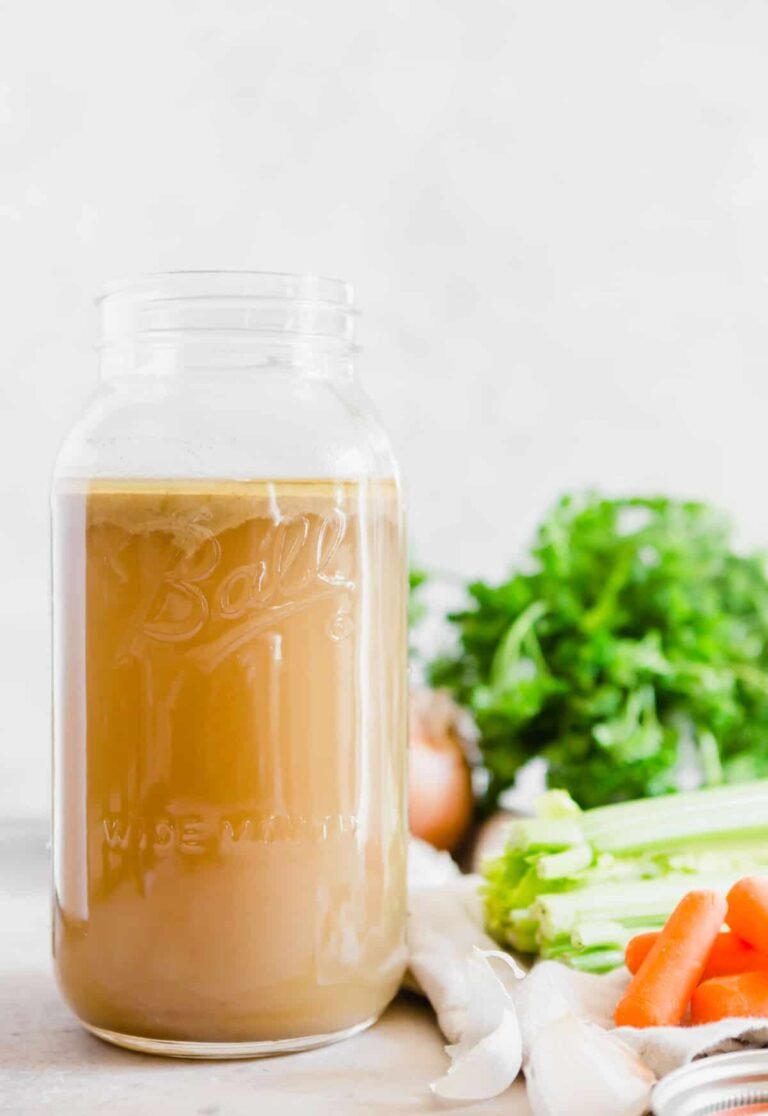
Glass containers are safer, longer-lasting, and better for flavor and the planet than plastic.
I’ve tested both for years in busy kitchens and quiet weeknights. This article breaks down glass food containers vs plastic containers for leftovers with clear facts, real-life tips, and simple buying advice. Expect trustworthy comparisons on safety, durability, cost, environmental impact, and everyday use so you can pick what fits your routine.

Health and safety: chemicals, leaching, and reheating
Glass does not leach chemicals. Plastic can leach, especially when heated or scratched. Many plastics release small amounts of compounds over time. That matters when you reheat leftovers or store oily, acidic foods.
When comparing glass food containers vs plastic containers for leftovers, choose glass if you reheat often. Glass is inert. It won’t absorb smells or oils. It also keeps food flavor truer.
If you use plastic, look for labels: microwave-safe, BPA-free, and food-grade. But note that “BPA-free” does not guarantee no chemical migration. Heat speeds leaching. Freeze-thaw cycles and dishwasher wear also raise risk.
Personal note: I once reheated tomato sauce in an older plastic tub and noticed a faint chemical odor. I switched those leftovers to glass and the taste was instantly better. Small habits matter.

Durability and performance: breakage, staining, and versatility
Glass feels heavier and more solid. It resists stains and won’t warp in heat. The trade-off is breakage risk if dropped. Plastic is lightweight and shatterproof, but it can stain and hold odors.
For the glass food containers vs plastic containers for leftovers debate, glass wins for reheating and oven use. Tempered glass works in ovens and under broilers. Plastic should never go in the oven.
Key points:
- Tempered glass: resists thermal shock but can still break on impact.
- Plastic lids: may snap or lose seal after months of use.
- Staining: plastic stains with tomato and curry; glass stays clear.
- Odor: plastic can retain smells even after washing; glass rarely does.
My tip: use glass for meals you’ll reheat or want to keep fresh tasting. Keep a few plastic containers for travel or outdoor meals where drops happen.

Environmental impact and sustainability
Glass is made from natural materials and is infinitely recyclable without losing quality. Plastic recycling is limited; many plastics downcycle into lower-grade products. Microplastics from wear are a growing concern.
When thinking about glass food containers vs plastic containers for leftovers, consider the lifecycle. Glass has a higher production energy cost but longer life. Plastic is cheap to make but often ends up in landfills or the ocean.
Environmental factors to weigh:
- Reusability: glass tends to last longer, reducing waste.
- Recycling: glass recycles well; many plastics do not.
- Breakage footprint: broken glass can be a disposal issue.
- Transport emissions: glass is heavier to ship, which adds CO2.
From experience, a set of durable glass containers replaced dozens of thin plastic tubs in my home. Over time, that trade lowered waste and simplified recycling.

Cost, convenience, and practicality
Plastic is usually cheaper up front. Glass costs more initially. Over time, glass often proves cost-effective because it lasts. Your choice can depend on budget and lifestyle.
Compare glass food containers vs plastic containers for leftovers with these points:
- Upfront price: plastic is less expensive.
- Longevity: glass wins if you keep containers long-term.
- Weight: plastic is light for travel; glass can be heavy for daily carry.
- Lids and seals: high-quality glass sets have tight silicone seals but cost more.
Practical real-life advice: buy a mixed set. Use glass for fridge and microwave storage. Use plastic for picnics and kids’ lunches where weight and break risk matter.

Cleaning and maintenance
Glass is dishwasher safe and resists staining. It’s easy to sanitize. Plastic can warp, stain, or hold smells after repeated washes in a hot dishwasher.
For glass food containers vs plastic containers for leftovers, cleaning favors glass. Use warm water and baking soda for stubborn stains or odors. Replace plastic containers if they become scratched, discolored, or warped.
Maintenance tips:
- Inspect plastic for cracks and replace when worn.
- Use vinegar or baking soda to refresh glass and plastic.
- Avoid abrasive scrubbers on printed plastic lids to protect labels.
- Store lids separately to keep seals dry and clean.
I learned the hard way that cheap plastic lids lose their snap. Now I keep a small bin for spare lids and rotate them when one set wears out.
How to choose and practical tips for everyday use
Choosing depends on your priorities: safety, cost, weight, or sustainability. Here’s a simple guide for selecting containers and using them well.
What to look for:
- Material: tempered glass for oven use; borosilicate for thermal shock resistance.
- Lids: silicone-sealed lids lock in freshness and reduce leaks.
- Size variety: choose a set with small, medium, and large containers.
- Clear labeling: measure by cups or ounces if you track portions.
Practical usage tips:
- Cool food before sealing to avoid pressure on lids.
- Leave headspace when freezing liquids to allow expansion.
- Stack glass with protective cloth or separators to prevent chips.
- Use glass for sauces, soups, and meals you reheat to keep flavor intact.
Personal experience: labeling lids with masking tape and date saved me from eating spoiled meals. Also, I freeze portions in small glass jars and thaw only what I need—less waste, better meals.
When you weigh glass food containers vs plastic containers for leftovers, glass tends to offer better long-term value for home cooks and meal preppers. But plastic still has a role for travel and short-term use.
Frequently Asked Questions of glass food containers vs plastic containers for leftovers
Are glass food containers safer than plastic for storing leftovers?
Yes. Glass is nonreactive and does not leach chemicals into food. It is a safer choice for hot or acidic leftovers.
Can I microwave leftovers in glass and plastic containers?
Glass is generally microwave-safe if labeled. Some plastics are microwave-safe, but heat can increase chemical migration, so exercise caution.
Do glass containers break easily in the fridge or freezer?
Tempered glass and borosilicate handle temperature changes well, but sudden extremes or impacts can cause breakage. Leave headspace when freezing liquids.
Which is better for meal prep and long-term use?
Glass is better for long-term use, flavor retention, and reheating. Plastic is handy for portability and short-term storage.
How do I prevent plastic containers from staining and smelling?
Rinse quickly after use, avoid high-heat washing, and use baking soda or lemon to remove stains and odors. Replace containers that are scratched or warped.
Are lids interchangeable between glass and plastic containers?
Some lids are designed to fit multiple brands, but compatibility is not guaranteed. Look for universal silicone lids or buy sets from the same maker.
Conclusion
Glass food containers vs plastic containers for leftovers comes down to priorities. Glass wins for safety, taste, and sustainability, while plastic offers cost and convenience for on-the-go needs. Choose based on how you cook, reheat, and transport food.
Takeaway: start by replacing the containers you use most for reheating and long-term storage with glass. Try a mixed approach if you need light, shatterproof options for travel. Share your experience below or subscribe to get more tips on smarter kitchen choices.