Start with a hand mixer if you bake occasionally; choose a stand mixer if you bake daily or in larger batches.
I have tested both tools in real kitchens and helped dozens of home bakers pick the right gear. This article breaks down hand mixer vs stand mixer — which one to buy first with clear, practical advice. I explain the key differences, real-world uses, costs, and maintenance so you can pick the best mixer for your needs. Read on to make a confident, smart buy.
How hand mixers and stand mixers differ
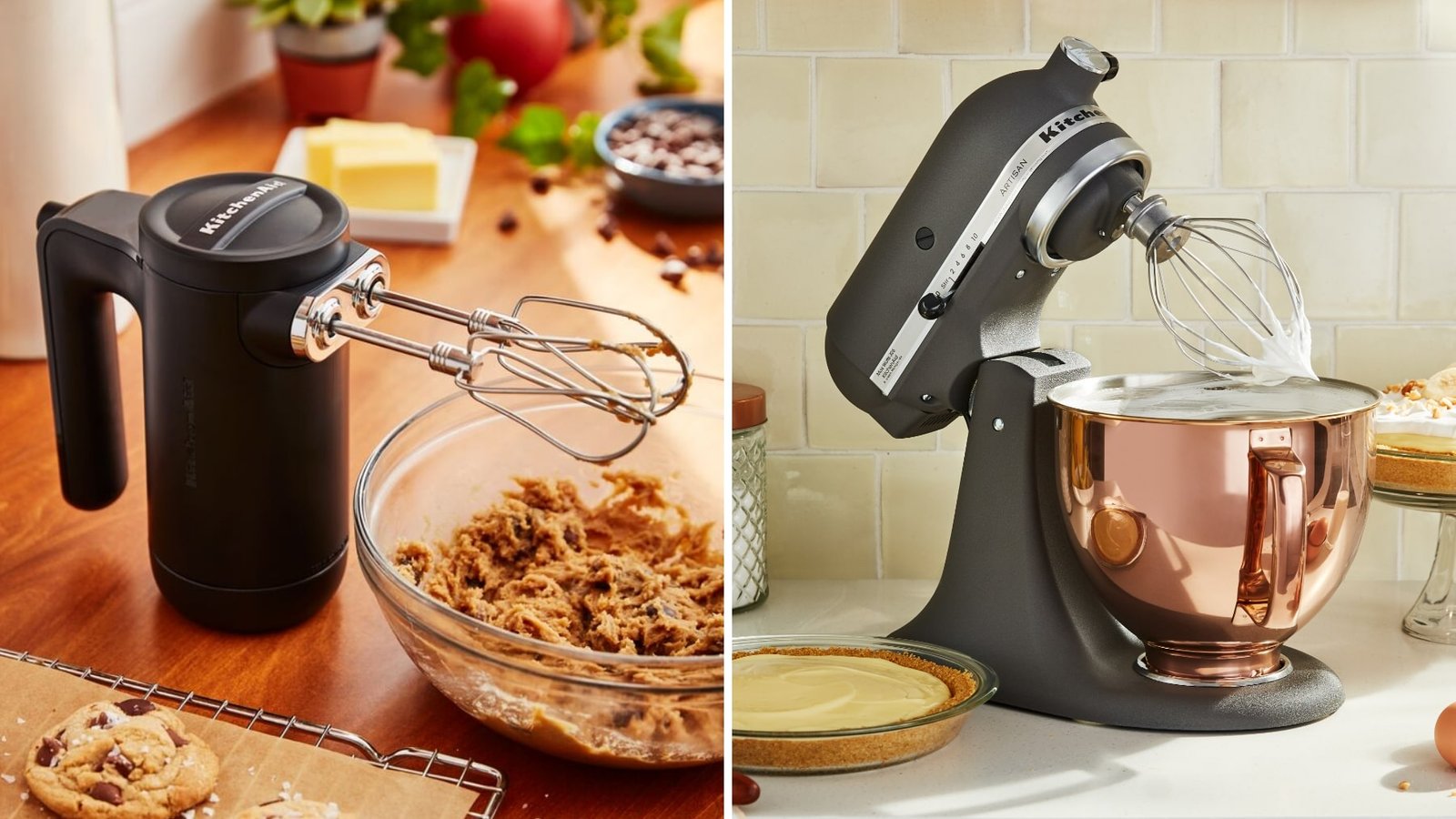
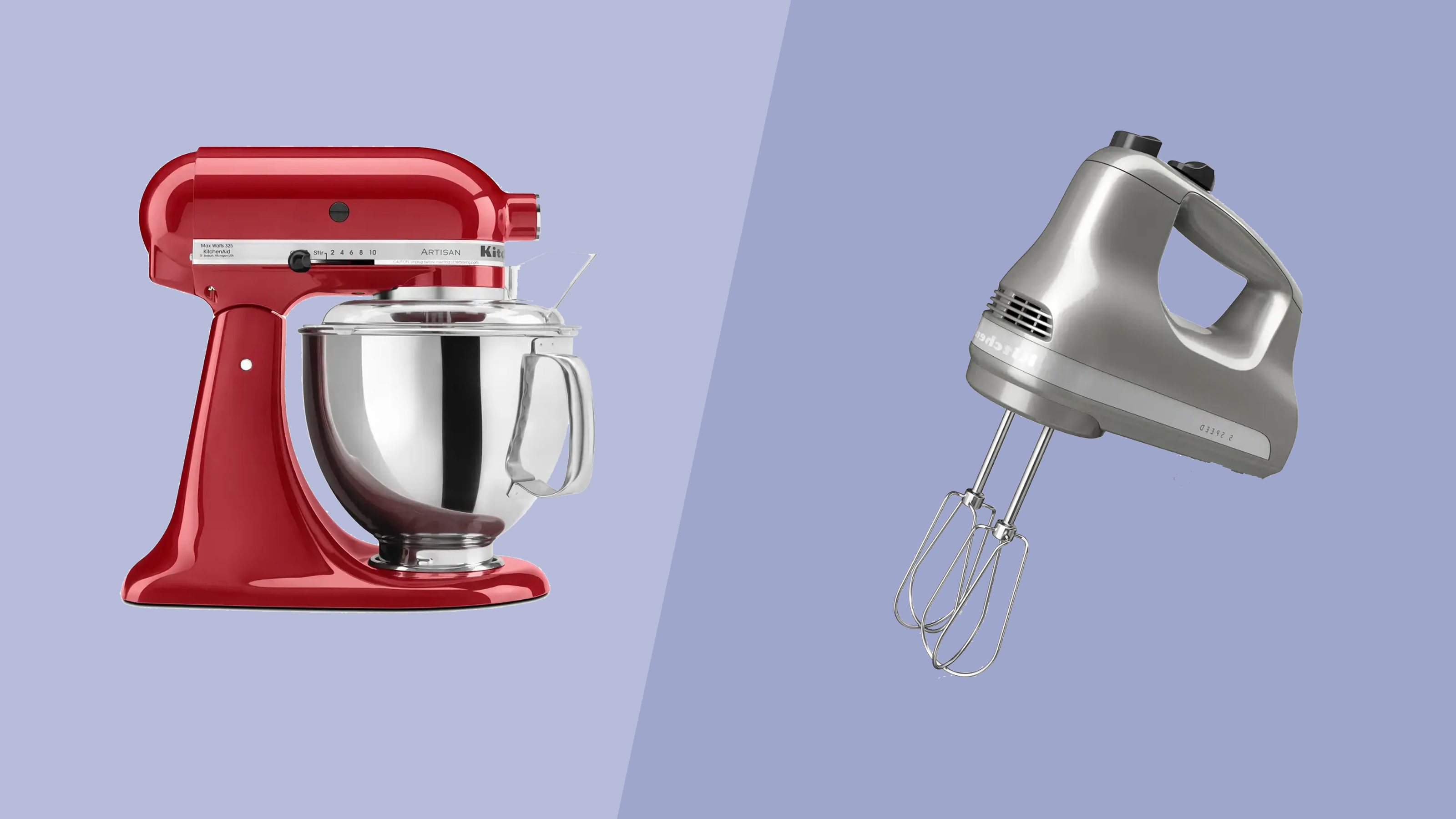
A hand mixer is small and light. It fits in a drawer. It is easy to move and store.
A stand mixer is larger and heavier. It sits on the counter and handles big jobs. It often includes a bowl and many attachments.
Both can mix, but they do so in different ways. Knowing these differences helps answer hand mixer vs stand mixer — which one to buy first for your kitchen.

Power, speed, and capacity
Power matters for dense dough. Hand mixers are usually 150 to 300 watts. They handle batters, whipped cream, and light cookie dough.
Stand mixers range from 250 to 1000+ watts. They handle bread dough, large batches, and long mixing times. Use a stand mixer to knead confidently without strain.
Speed controls vary. Hand mixers have fewer settings. Stand mixers have more precise speed control and stable mixing. Think about how often you will use heavy mixing when deciding hand mixer vs stand mixer — which one to buy first.
Practical uses and best recipes for each
Hand mixer best uses:
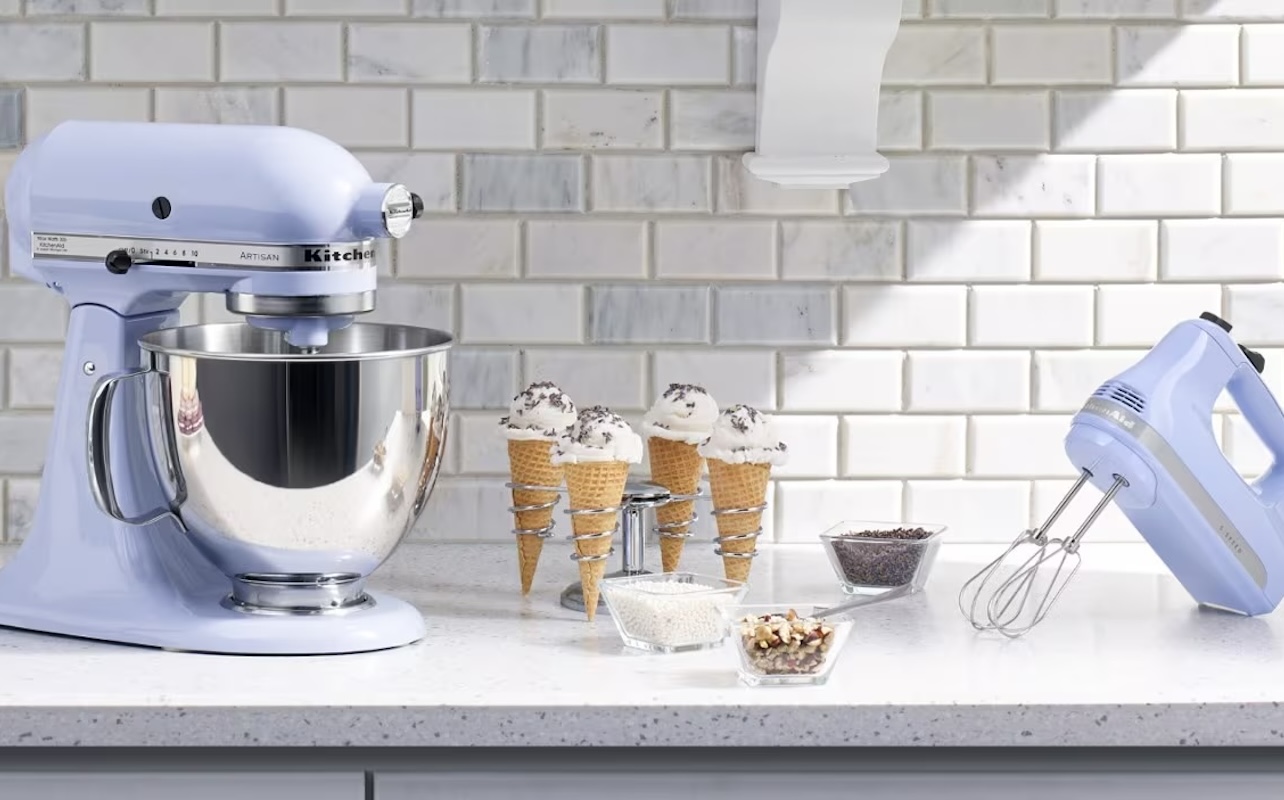
- Whipping cream and egg whites quickly.
- Mixing pancake, cake, and muffin batters.
- Small cookie batches and simple frostings.
- Quick fixes and to-go baking.
Stand mixer best uses:
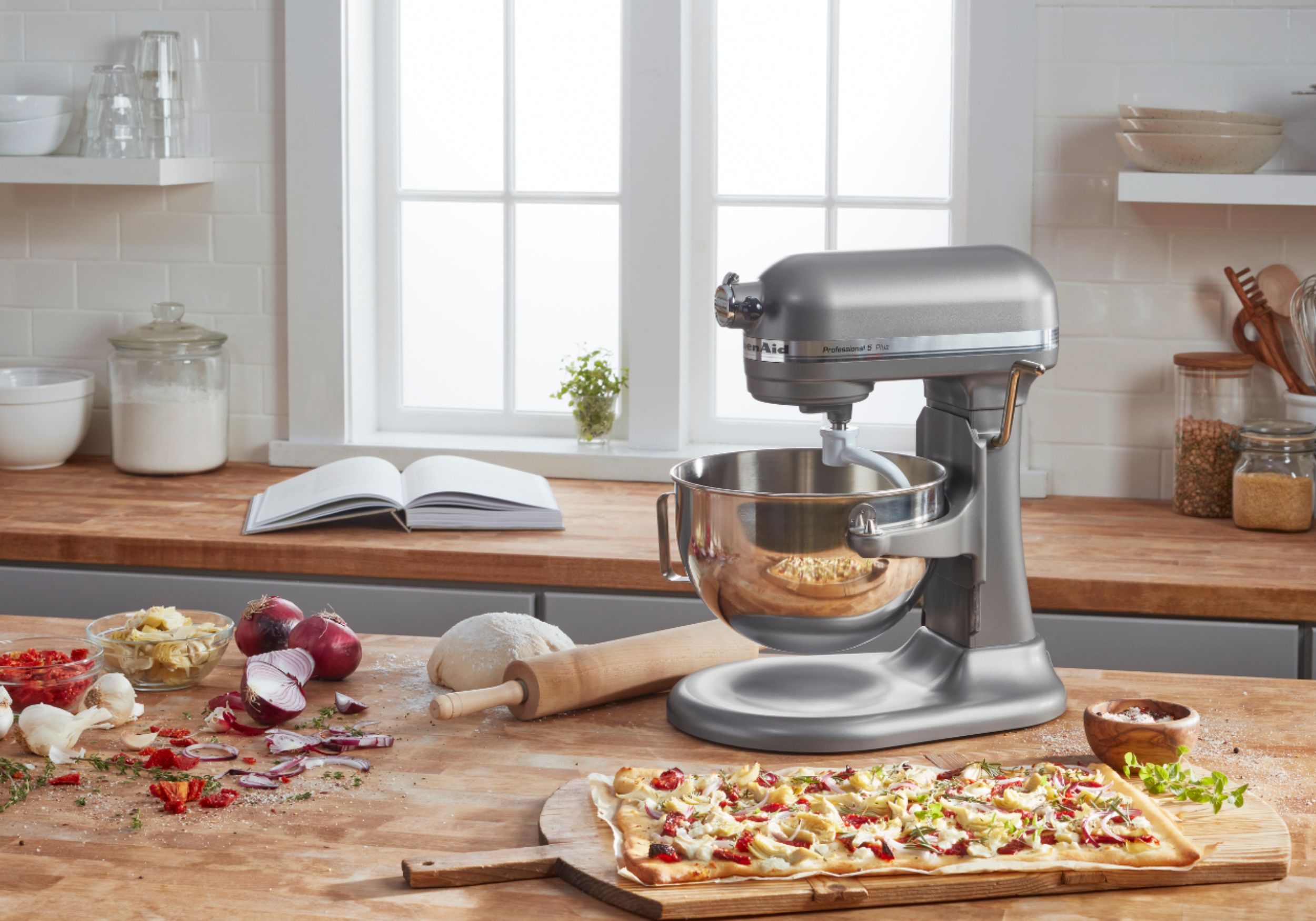
- Kneading bread and pizza dough.
- Large cake batters and batch cookie dough.
- Thick frostings, mashed potatoes, and meat mixtures.
- Using attachments like pasta makers or grinders.
If you bake simple recipes once a week, a hand mixer may be enough. If you make bread or bake for a crowd, a stand mixer wins. This helps decide hand mixer vs stand mixer — which one to buy first.
Attachments, versatility, and upgrades
Hand mixers usually include beaters and sometimes dough hooks. They are limited but handy.
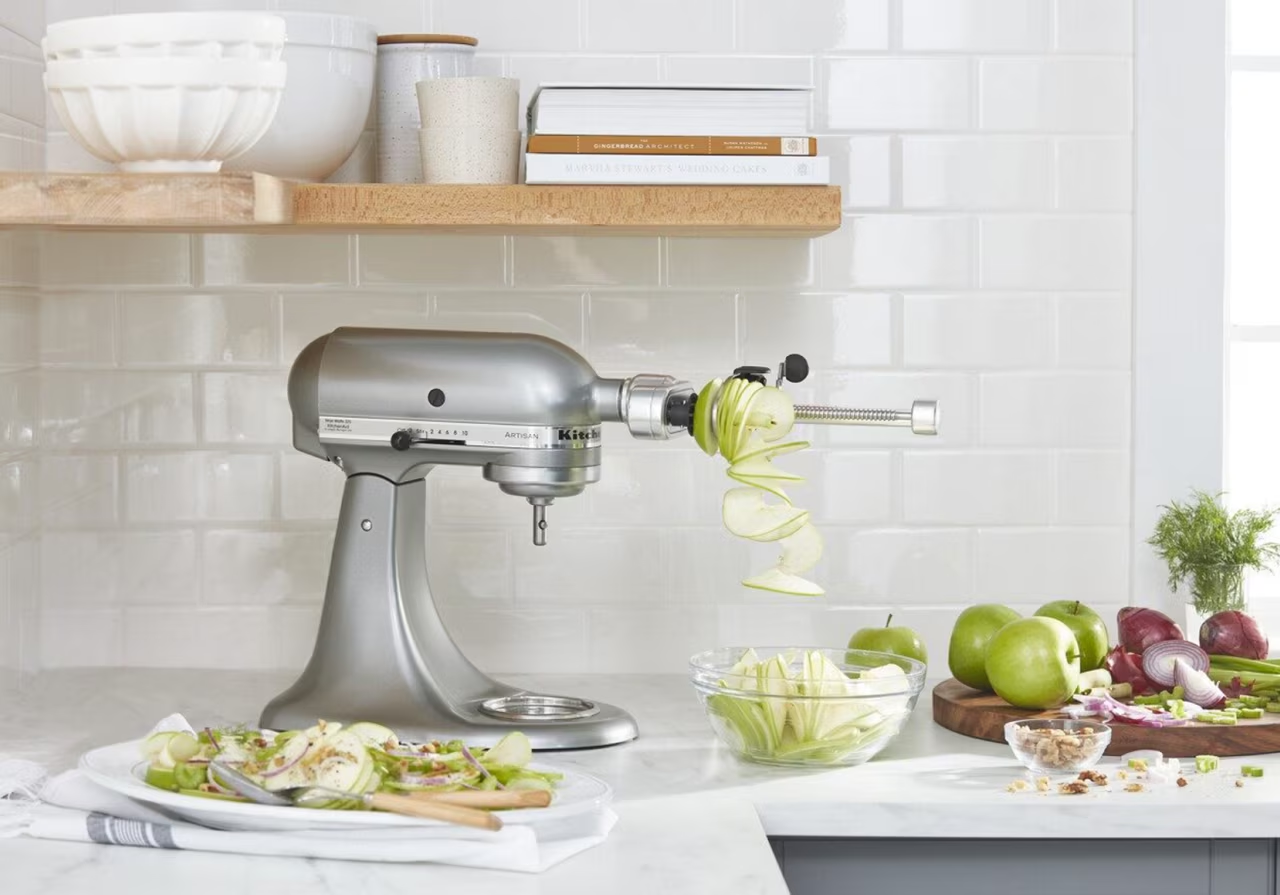
Stand mixers often come with a flat beater, whisk, and dough hook. Many allow extra attachments: pasta rollers, food grinders, spiralizers, and more. This expands kitchen skills over time.
If you want one tool that grows with you, a stand mixer is a long-term choice. If you want simple, fast, and portable, a hand mixer fits. Keep this in mind when thinking hand mixer vs stand mixer — which one to buy first.
Space, storage, and kitchen layout
Hand mixers store in a drawer or on a shelf. They fit in small kitchens with limited counter space.
Stand mixers need counter or cupboard room. They are heavy and awkward to move. You should plan for a dedicated spot.
If your kitchen is small or you lack storage, a hand mixer is easier. If you have space and want a permanent, powerful tool, a stand mixer works better. This practical view shapes the hand mixer vs stand mixer — which one to buy first decision.
Cost, budgeting, and value over time
Hand mixers cost less up front. You can buy a solid hand mixer for a modest price. They are budget friendly for casual bakers.
Stand mixers are more expensive. They cost more upfront but can replace several appliances. Over years, a stand mixer can be a good value for regular bakers.
Think about frequency. If you bake rarely, a hand mixer saves money. If you bake often, a stand mixer can pay back its cost. Use this when weighing hand mixer vs stand mixer — which one to buy first.
Maintenance, cleaning, and durability
Hand mixers are simple to clean. Beaters are often dishwasher safe. The motor stays dry and quick to store.
Stand mixers need more care. Bowls and attachments may be dishwasher safe, but the body needs a wipe down. They tend to last longer under heavy use.
If you dislike cleaning, hand mixers are easier. If you want a durable workhorse, a stand mixer is better. Think about this for hand mixer vs stand mixer — which one to buy first.
How to decide which to buy first — step-by-step
-
List your baking habits.
- Note how often you bake and what you make.
- If you bake bread or large batches, lean toward a stand mixer.
-
Check space and storage.
- Measure counter and cupboard space.
- If space is tight, a hand mixer is smarter.
-
Set a budget.
- Decide how much you will spend now and later.
- Remember long-term value for a stand mixer.
-
Consider future plans.
- Do you want to expand skills like pasta making?
- If yes, choose a stand mixer for attachments.
-
Test handling and weight.
- If possible, hold each model in-store.
- Comfort matters for frequent use.
Following these steps makes the hand mixer vs stand mixer — which one to buy first question easy to answer.
My personal experience and tips
I started with a hand mixer for years. It saved space and worked for cakes and cookies. One winter I began baking daily bread. My arms got tired kneading. A stand mixer changed my routine. It was heavier but saved time and effort.
Tips I learned:
- Buy the best motor you can afford for your needs.
- Keep beaters and hooks clean after each use to avoid buildup.
- Use a splash guard for wet batters with a hand mixer.
- Invest in a larger bowl if you choose a stand mixer and bake in batches.
These small habits improve results and prolong the life of your mixer. They help when choosing hand mixer vs stand mixer — which one to buy first.
Frequently Asked Questions of hand mixer vs stand mixer — which one to buy first
Will a hand mixer knead bread dough well?
A hand mixer can knead small amounts with dough hooks but will struggle with large or very dense dough. For regular bread baking, a stand mixer performs better and reduces arm strain.
Can I use a stand mixer for light tasks too?
Yes. A stand mixer handles light tasks easily and often does them more evenly. It can be less convenient to clean for tiny jobs compared to a hand mixer.
Which mixer is better for small kitchens?
A hand mixer is usually better for small kitchens because it stores compactly and needs no counter space. Stand mixers require a permanent spot and more storage room.
Are stand mixer attachments worth it?
Attachments add real versatility and can replace other tools over time. If you enjoy expanding your cooking skills, attachments are a big plus.
How do I choose motor power for a stand mixer?
Choose higher wattage for heavy use and dough. For occasional baking, a mid-range motor is fine. Match motor power to how often and what you plan to mix.
Conclusion
Choose a hand mixer first if you bake occasionally, need portability, or have limited space. Choose a stand mixer first if you bake often, make dough, or want a versatile long-term tool. Both tools have clear strengths and trade-offs. Decide by listing your habits, measuring your space, and setting a budget. Try a hand mixer if you want a low-cost start, and upgrade to a stand mixer later as your baking grows. Share your choice, ask questions, or subscribe for more kitchen gear guides.