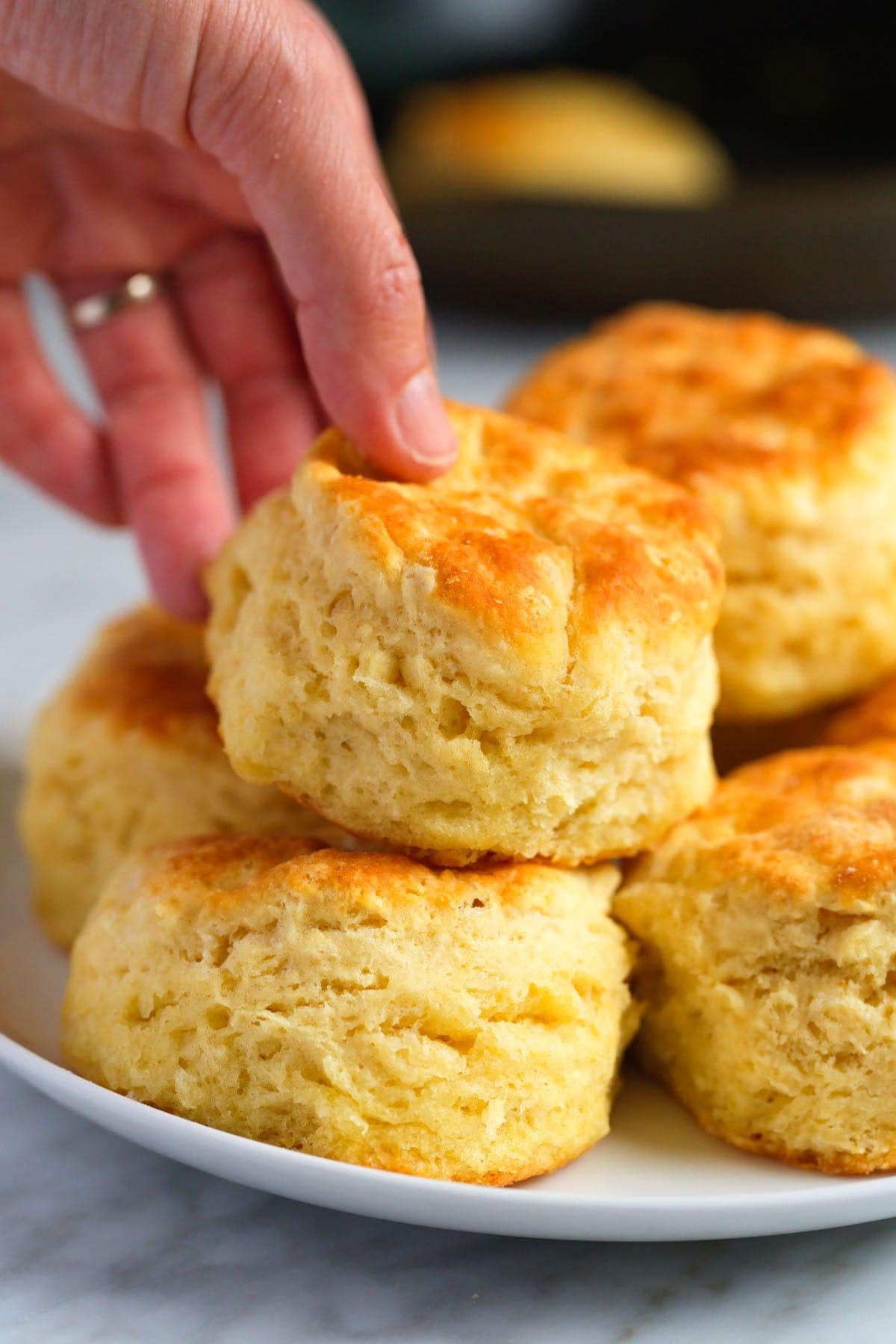
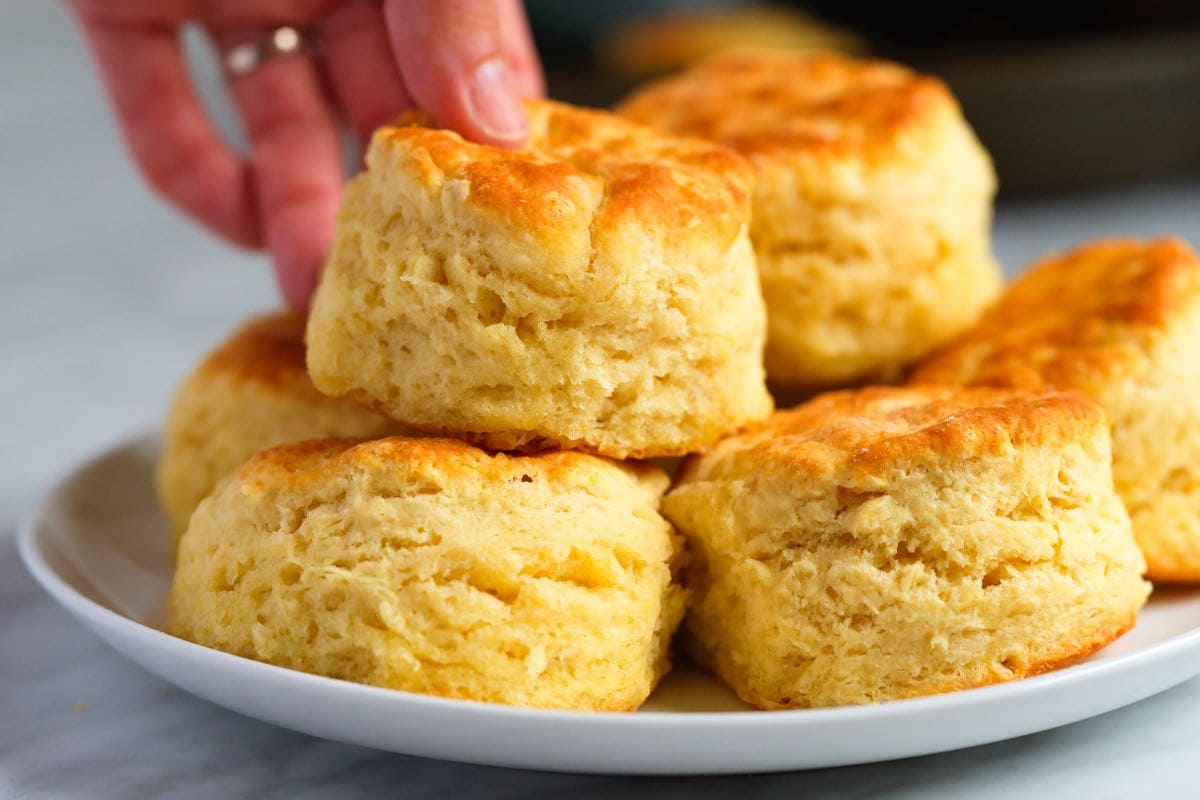
A homemade biscuit recipe works best when you use cold butter, gentle mixing, and a hot oven to create biscuits that are soft inside and flaky outside.
Across the United States, homemade biscuits are a familiar part of breakfast tables, holiday meals, and family dinners. From Southern-style biscuits served with gravy to simple biscuits paired with butter and jam, the basic method stays the same: combine flour, fat, liquid, and a leavening agent while keeping the dough light.
A good homemade biscuit recipe does not require special equipment or advanced baking skills. The main challenge is controlling the dough. Too much mixing can make biscuits dense, while warm butter can prevent the flaky layers that many people want. This guide explains the ingredients, steps, signs of success, and common mistakes so you can make reliable biscuits at home.
Source: fity.club
What Makes A Homemade Biscuit Recipe Work
Homemade biscuits are simple quick breads made with flour, fat, liquid, and a leavening ingredient such as baking powder. Unlike yeast bread, biscuits do not need time to rise before baking. Their texture comes from chemical leavening, steam, and careful dough handling.
The goal is a biscuit with a tender center, light layers, and a slightly crisp outside. Each ingredient has a specific job. Flour creates structure, butter adds flavor and layers, liquid brings the dough together, and baking powder creates lift.
American biscuit recipes often vary by region and family tradition. Some use buttermilk for a mild tang and softer texture, while others use regular milk. Both methods can work when the ingredient balance is right.
Source: www.inspiredtaste.net
Flour
Flour provides the framework of the biscuit. Too much flour can make biscuits dry, while too little can make the dough difficult to shape.
Butter
Cold butter creates small pockets that melt during baking and help form flaky layers.
Liquid
Milk or buttermilk hydrates the flour and helps form a workable dough.
The Role Of Cold Ingredients
Cold ingredients are useful because they slow down butter melting during preparation. When the biscuits enter a hot oven, the butter melts and releases moisture, which helps create separation between layers.
If the butter becomes soft before baking, it can blend into the flour instead of creating distinct pockets. This often leads to biscuits that are heavier and less flaky.
Keep butter chilled
Cut cold butter into the flour mixture and avoid leaving it at room temperature for long periods.
Ingredients For A Basic Homemade Biscuit Recipe
A classic biscuit recipe uses a short ingredient list. This makes biscuits approachable for beginners and easy to customize. The quality and temperature of ingredients often matter more than the number of ingredients.
The following amounts create a simple batch of homemade biscuits. The exact yield depends on biscuit size and thickness.
Source: strong-nights.today
2 cups all-purpose flour
Provides the main structure for the dough.
1 tablespoon baking powder
Helps the biscuits rise during baking.
1 teaspoon salt
Balances flavor and improves taste.
6 tablespoons cold butter
Creates richness and flaky texture.
About 3/4 cup milk or buttermilk
Brings the ingredients together into a soft dough.
Choosing Between Milk And Buttermilk
Milk creates a mild, simple biscuit, while buttermilk adds slight tang and can produce a softer crumb. The choice depends on the flavor and texture you prefer.
If using buttermilk, the acidity can react with baking soda in recipes that include it. Many basic biscuit recipes rely on baking powder instead, so follow the ingredient balance of the recipe you choose.
How To Make Homemade Biscuits Step By Step
The biscuit-making process is simple, but each step affects the final result. Work quickly and avoid adding unnecessary pressure to the dough.
Start by heating the oven before mixing the dough. A fully heated oven helps the biscuits rise as soon as they begin baking.
Source: cookedbysarah.com
Step 1: Mix dry ingredients
Combine flour, baking powder, and salt in a bowl so the leavening is evenly distributed.
Step 2: Cut in cold butter
Work the butter into the flour until small pieces remain. These pieces create flaky texture.
Step 3: Add liquid
Pour in milk or buttermilk and stir gently until the dough forms.
Step 4: Shape the dough
Place the dough on a lightly floured surface and press it gently before cutting biscuits.
Step 5: Bake
Bake until the tops are golden and the centers are cooked through.
How To Know The Dough Is Ready
The dough should look slightly rough but hold together when pressed. A perfectly smooth dough is not the goal because extra mixing can reduce tenderness.
If the dough feels very dry and breaks apart, add a small amount of liquid. If it feels sticky, lightly dust the surface with flour.
Correct texture
Soft, slightly sticky dough that can be shaped without heavy kneading.
Common Homemade Biscuit Problems And Fixes
Most biscuit problems come from temperature, ingredient balance, or handling. Finding the cause helps you adjust the next batch instead of changing many things at once.
Small changes can make a large difference because biscuits have a simple structure. The dough has little room for unnecessary extra ingredients or rough handling.
Source: uk.pinterest.com
Biscuits are dense
Possible causes include overmixing, old baking powder, or pressing the dough too thin.
Biscuits are dry
Too much flour or too little liquid can remove moisture from the dough.
Biscuits do not rise
Check the freshness of baking powder and make sure the oven reaches the correct temperature.
Biscuits spread too much
Warm butter or overly soft dough can cause biscuits to lose shape.
Mistakes To Avoid
Avoid kneading biscuit dough like bread dough. Bread needs gluten development, but biscuits need a softer structure.
Avoid adding large amounts of flour while shaping. Extra flour can quickly make biscuits heavier and drier.
Handle gently
Use light movements to protect the texture of the dough.
Ways To Customize Homemade Biscuits
Once you understand the basic recipe, you can adjust biscuits for different meals. Additions should be balanced so they do not change the dough structure too much.
Savory biscuits can include ingredients such as cheese or herbs, while sweeter versions can include small amounts of sugar or dried fruit.
Source: easypeasypleasy.com
Cheddar biscuits
Add shredded cheese for a savory option that pairs well with soups and meals.
Herb biscuits
Mix in fresh or dried herbs for extra flavor.
Sweet biscuits
Add a small amount of sugar and serve with fruit or spreads.
Storage And Reheating Tips
Fresh biscuits are best on the day they are baked, but leftovers can be stored in an airtight container for a short time. Reheating them gently can improve texture.
For longer storage, baked biscuits can be frozen. Warm them in an oven or toaster oven to help restore some crispness.
Frequently Asked Questions
Q
Why are my homemade biscuits not fluffy?
Dense biscuits often come from overmixing the dough, using warm butter, or using old baking powder. Gentle mixing and fresh ingredients usually improve the texture.
Q
Can I make homemade biscuits without buttermilk?
Yes. Regular milk can be used in many biscuit recipes. The flavor and texture may differ slightly, but the method remains similar.
Q
How thick should biscuit dough be?
Many biscuit recipes work well when the dough is around 1/2 to 1 inch thick before cutting. Thickness affects baking time and height.
Q
Can I freeze homemade biscuits?
Yes. Baked biscuits and unbaked biscuit dough can both be frozen. Store them properly to reduce moisture loss and freezer odors.
Q
What temperature should I bake biscuits at?
Many recipes use a hot oven, often around 425°F to 450°F, because higher heat helps biscuits rise quickly. Follow the temperature listed in your specific recipe.
✦ Wrapping Up
Conclusion
A homemade biscuit recipe depends on simple ingredients and careful technique. Cold butter, gentle mixing, and proper baking temperature create the soft, flaky texture that makes biscuits popular across American kitchens.
The best way to improve your biscuits is to focus on one change at a time. Pay attention to dough texture, ingredient temperature, and baking results so each batch teaches you something new.
💡 Key Takeaway
Start with a simple biscuit recipe, keep the butter cold, mix the dough lightly, and adjust based on the texture of your finished biscuits.
Make tasty, wallet-friendly meals fast with microwave budget recipes – easy steps, cheap ingredients, and time-saving hacks to stretch your food budget.