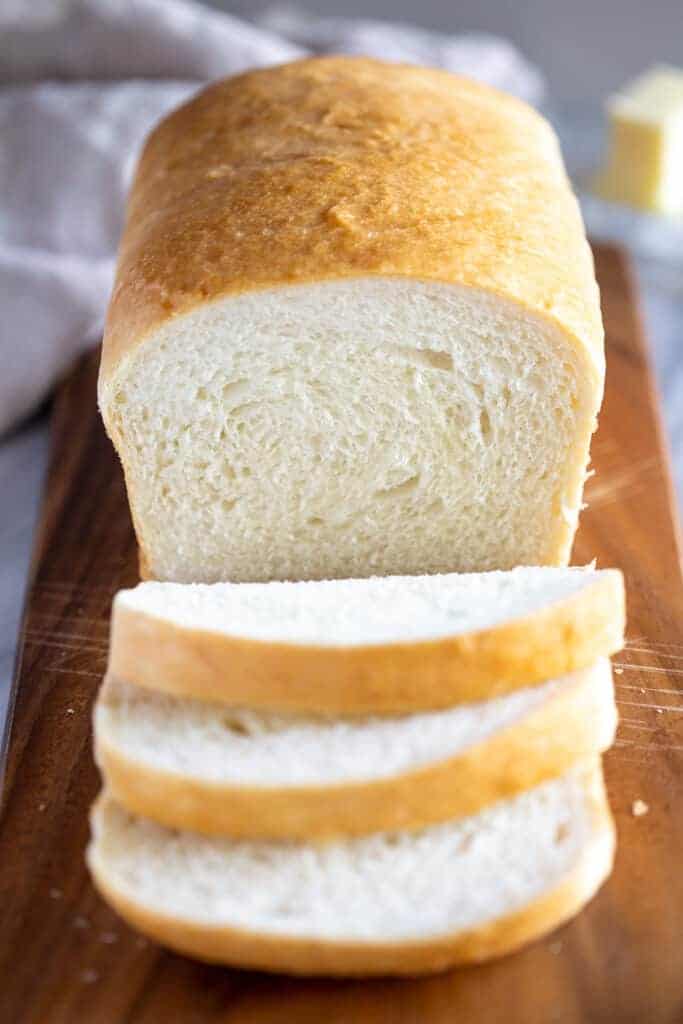
Homemade bread recipes work best when you balance flour, water, yeast, salt, time, and temperature. A simple method can produce soft, flavorful bread without special equipment.
Across kitchens in the United States, homemade bread remains a practical way to make fresh food with basic ingredients. From sandwich loaves baked in family homes to crusty artisan-style breads served at dinner, the process follows a few reliable steps: mixing, kneading, rising, shaping, and baking.
The main challenge for new bakers is not the recipe itself but understanding how ingredients behave. Yeast needs the right environment, flour affects structure, and water changes texture. Once these basics are clear, many homemade bread recipes become easier to adjust and repeat.
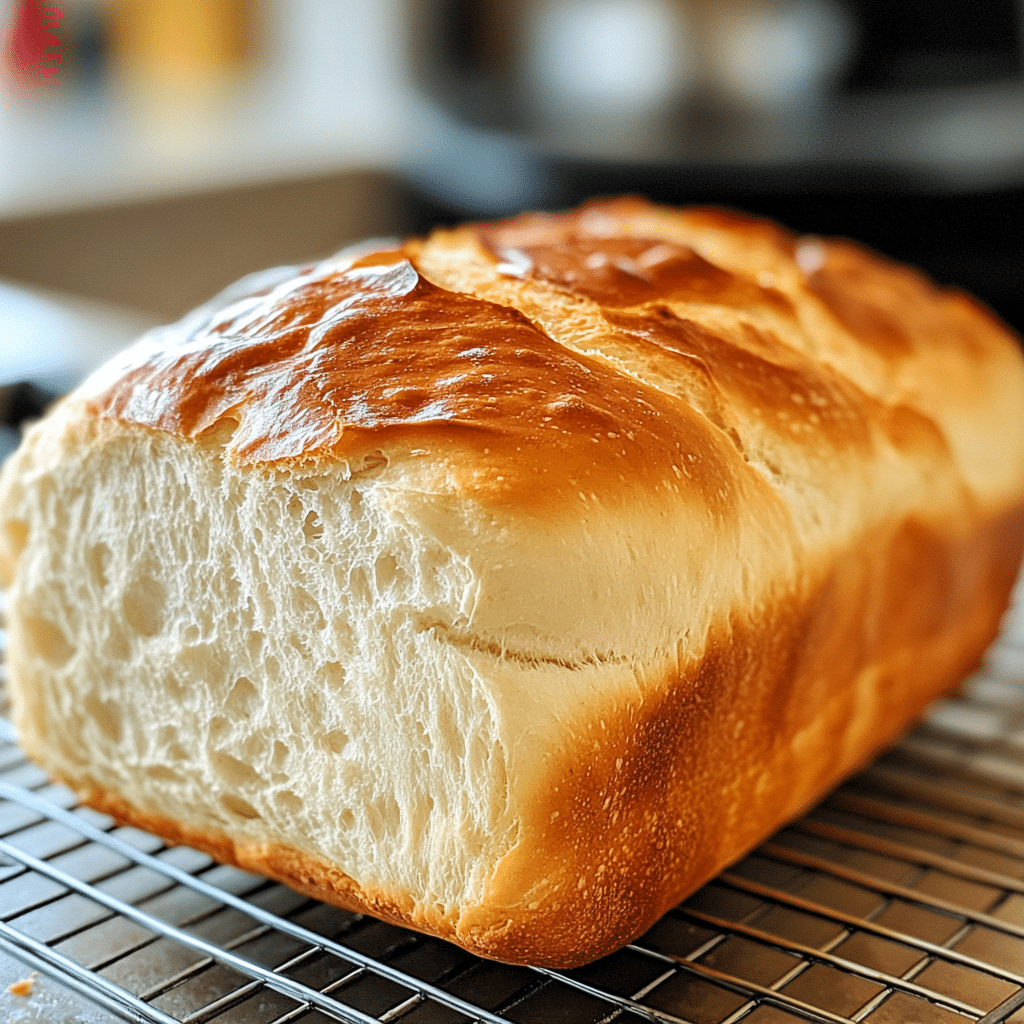
Source: homemade.ftempo.com
What Makes A Good Homemade Bread Recipe
A good homemade bread recipe gives clear ingredient amounts and explains the process behind each step. Bread is a simple food, but the dough is a living mixture that changes during mixing, fermentation, and baking.
The four basic ingredients in many breads are flour, water, yeast, and salt. Flour provides structure, water helps form dough, yeast creates gas for rising, and salt improves flavor while helping control fermentation.
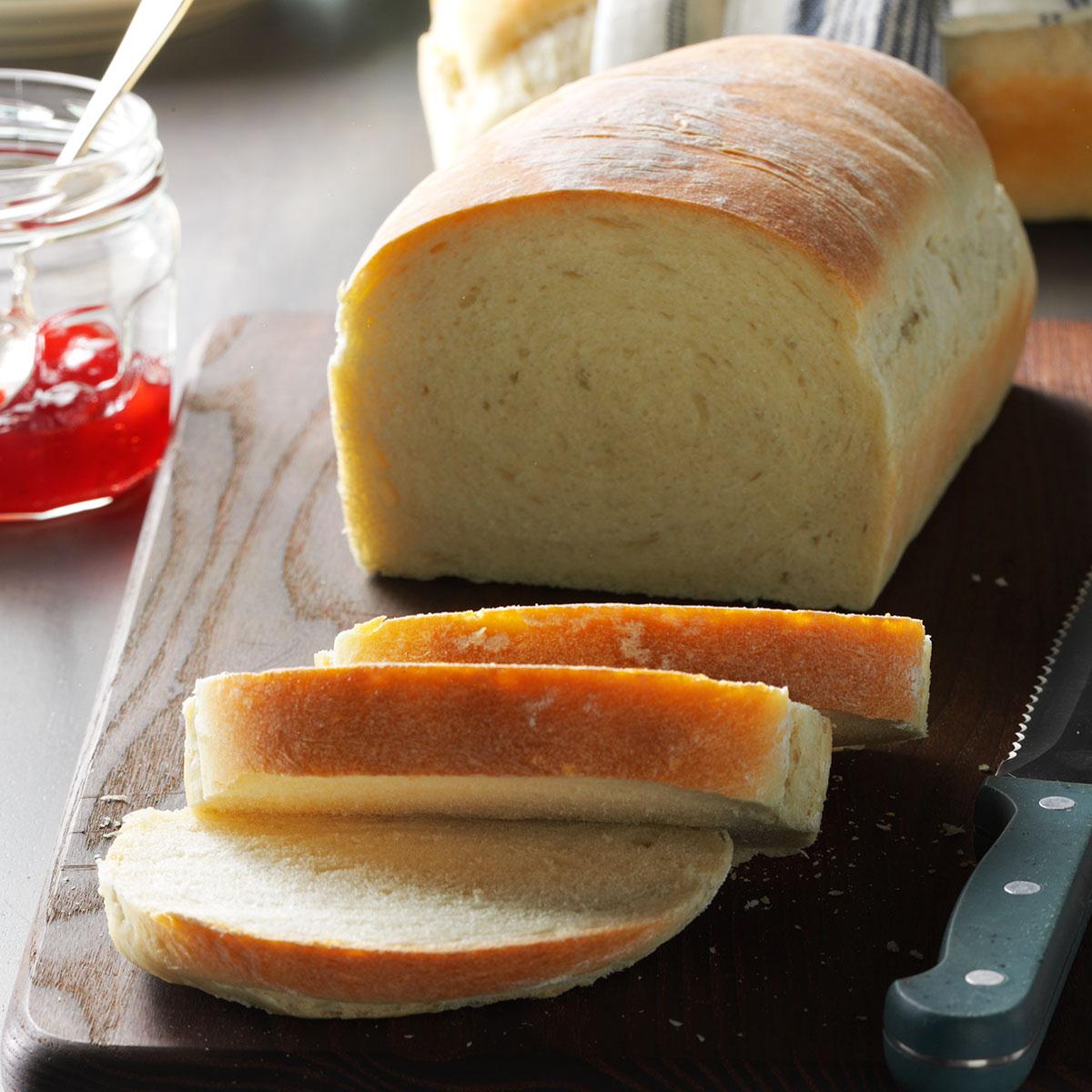
Source: Taste of Home
Flour
Bread flour often creates stronger dough because it usually contains more protein than many all-purpose flours. All-purpose flour can still work well for many home recipes.
Yeast
Yeast helps dough rise by producing carbon dioxide during fermentation. Active dry yeast and instant yeast are common choices for home baking.
Water
Water affects dough softness, hydration, and texture. Slight changes can make bread more dense or more open inside.
The Role Of Time In Bread Making
Time allows yeast to work and flavors to develop. Faster recipes can create good bread, but slower rises often give dough more complex flavor.
A dough that has doubled in size is usually a better sign of readiness than following a clock alone because room temperature affects yeast activity.
Essential Steps For Homemade Bread Recipes
Most homemade bread recipes follow the same basic process. Learning these steps helps you understand almost any yeast bread recipe.
The goal is to create dough that is smooth, elastic, and able to hold gas from yeast. Each stage prepares the dough for the next one.
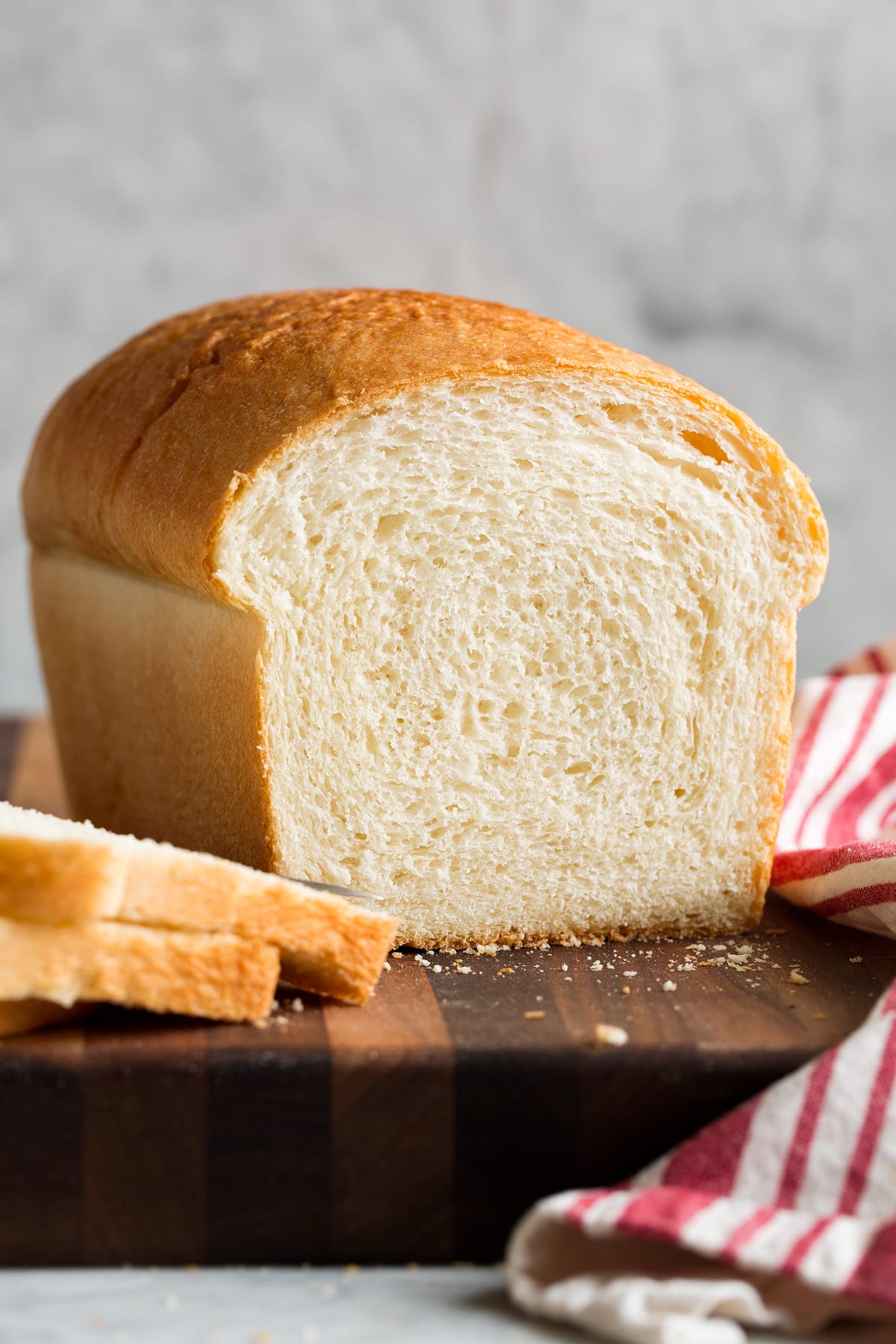
Source: fity.club
Mix The Dough
Combine ingredients until the flour absorbs the liquid. Avoid adding too much flour because dry dough can create a heavy loaf.
Knead The Dough
Kneading develops gluten, which gives bread its structure. Properly developed dough should feel smoother and stretch more easily.
Let The Dough Rise
Place dough in a covered bowl and allow it to expand. The rising time depends on yeast activity and room temperature.
How To Know When Dough Is Ready
Ready dough often feels soft and slightly springy. When gently pressed, it should slowly return instead of collapsing immediately.
Under-proofed dough may produce dense bread, while over-proofed dough may lose strength and spread during baking.
Visual Sign
The dough should increase noticeably in size and appear fuller.
Texture Sign
The dough should feel airy and flexible rather than tight and heavy.
Popular Types Of Homemade Bread Recipes
Different bread styles use similar ingredients but change the balance of moisture, fat, sugar, and preparation methods. Choosing the right style depends on how you plan to use the bread.
A beginner may find a basic sandwich loaf easier because the dough is usually predictable. Artisan breads may require more attention to shaping and hydration.
Source: getrecipecart.com
Soft Sandwich Bread
This style is made for toast, sandwiches, and everyday meals. It often includes ingredients like milk, butter, or oil for a softer crumb.
Artisan Bread
Artisan loaves usually focus on crust, flavor, and texture. They may use wetter dough and longer fermentation.
Whole Wheat Bread
Whole wheat bread uses flour made from the entire wheat grain. It often creates a stronger flavor and denser texture.
Choosing A Recipe Based On Your Goal
For beginners, choose recipes with clear steps and fewer ingredients. For experienced bakers, recipes with longer fermentation or different flour types provide more room for adjustment.
The best recipe is the one that matches your available time, tools, and desired texture.
Common Homemade Bread Problems And Fixes
Bread problems usually have clear causes. Checking ingredients, dough texture, and baking conditions can help identify what went wrong.
Small changes often improve results. A loaf that is slightly dense or uneven does not mean the recipe failed completely.
Source: kfi-gmbh.de
Dense Bread
Dense bread can result from inactive yeast, too much flour, short rising time, or insufficient gluten development.
Bread Does Not Rise
Check whether the yeast is active, whether the liquid temperature was suitable, and whether the dough had enough time to ferment.
Dry Bread
Dry texture often comes from too much flour or overbaking. Measuring ingredients carefully can help.
How Storage Changes Bread Quality
Fresh bread loses moisture over time. Store cooled bread in a sealed container or bag to slow drying.
Freezing is often useful when you want to keep homemade bread longer. Slice the loaf before freezing if you want easier portions later.
Tips For Better Homemade Bread Results
Better bread comes from paying attention to dough rather than chasing exact times. Conditions in each kitchen can change how quickly dough develops.
Simple habits like weighing ingredients, checking dough texture, and allowing enough rise time can make recipes more consistent.
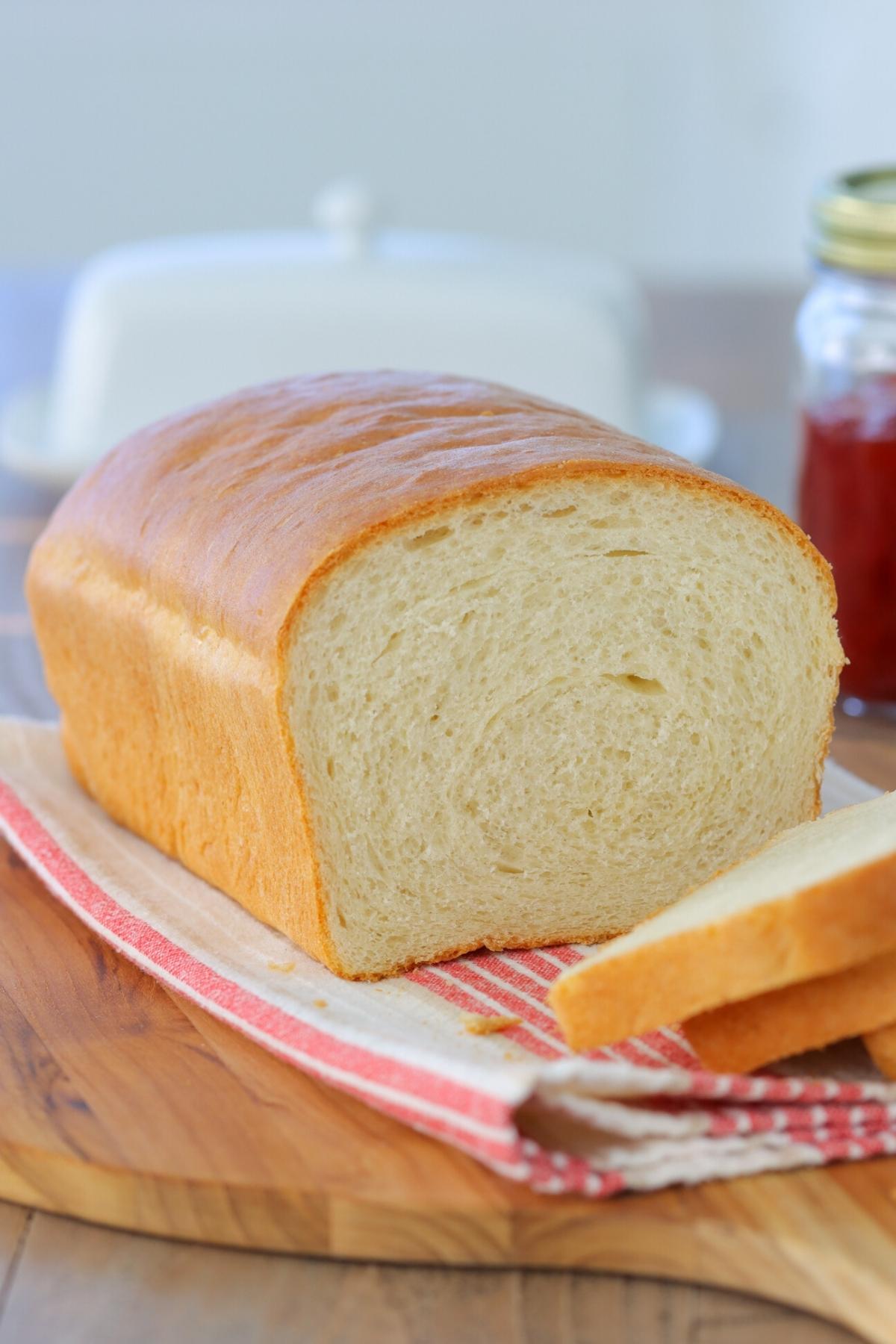
Source: Tastes Better From Scratch
Measure Carefully
Small ingredient changes can affect dough texture, especially flour amounts.
Avoid Adding Too Much Flour
Sticky dough often becomes easier to handle after kneading. Extra flour can make the final loaf heavier.
Cool Before Cutting
Allowing bread to cool helps the inside finish setting and improves texture.
Basic Equipment You Need
You can make many homemade bread recipes with simple kitchen tools. A bowl, measuring tools, baking sheet or loaf pan, and oven are often enough.
A stand mixer can reduce kneading effort, but it is not required for most beginner recipes.
Frequently Asked Questions
Q
Can beginners make homemade bread?
Yes. Beginners can start with simple yeast bread recipes that use basic ingredients. The most useful skill is learning how dough should look and feel.
Q
Why is my homemade bread dense?
Dense bread may come from inactive yeast, too much flour, short rising time, or weak gluten development. Check each step before changing the recipe.
Q
Do I need bread flour for homemade bread recipes?
No. Many recipes work with all-purpose flour. Bread flour may create a slightly stronger structure, but the recipe method also affects the final result.
Q
How long does homemade bread stay fresh?
Freshness depends on ingredients and storage. Most homemade breads are best within a few days when stored properly.
Q
Can homemade bread be frozen?
Yes. Freezing can help preserve bread quality. Cooling the loaf fully before freezing helps protect texture.
✦ Wrapping Up
Conclusion
Homemade bread recipes become easier when you understand the purpose of each ingredient and step. The process is simple, but small details such as dough texture, rising time, and baking conditions shape the final loaf.
Start with one reliable recipe, practice the basic method, and adjust only one factor at a time. With patience, homemade bread can become a regular part of your kitchen routine.
💡 Key Takeaway
Choose a simple bread recipe, follow the dough signs instead of only the clock, and keep notes about what changes improve your next loaf.
Find easy, tasty microwave office lunch ideas and recipes to save time, eat healthier, and enjoy workday meals. Simple tips, meal prep hacks, and flavor boosts.