Homemade dip recipes are simple mixtures of fresh ingredients that create flavorful sauces for vegetables, chips, crackers, bread, and meals. The best recipes use a balanced mix of texture, seasoning, and ingredients that match the occasion.
Across the United States, homemade dips are a common part of family gatherings, game day snacks, backyard meals, and quick weeknight food. From creamy ranch-style dips at a Super Bowl party to fresh guacamole served with tortilla chips, dips make simple foods more enjoyable without requiring complicated cooking skills.
A good homemade dip starts with understanding the role of each ingredient. Creamy bases add body, herbs and spices add flavor, and fresh ingredients create contrast. By learning a few basic methods, anyone can create dips that fit different tastes, diets, and serving needs.
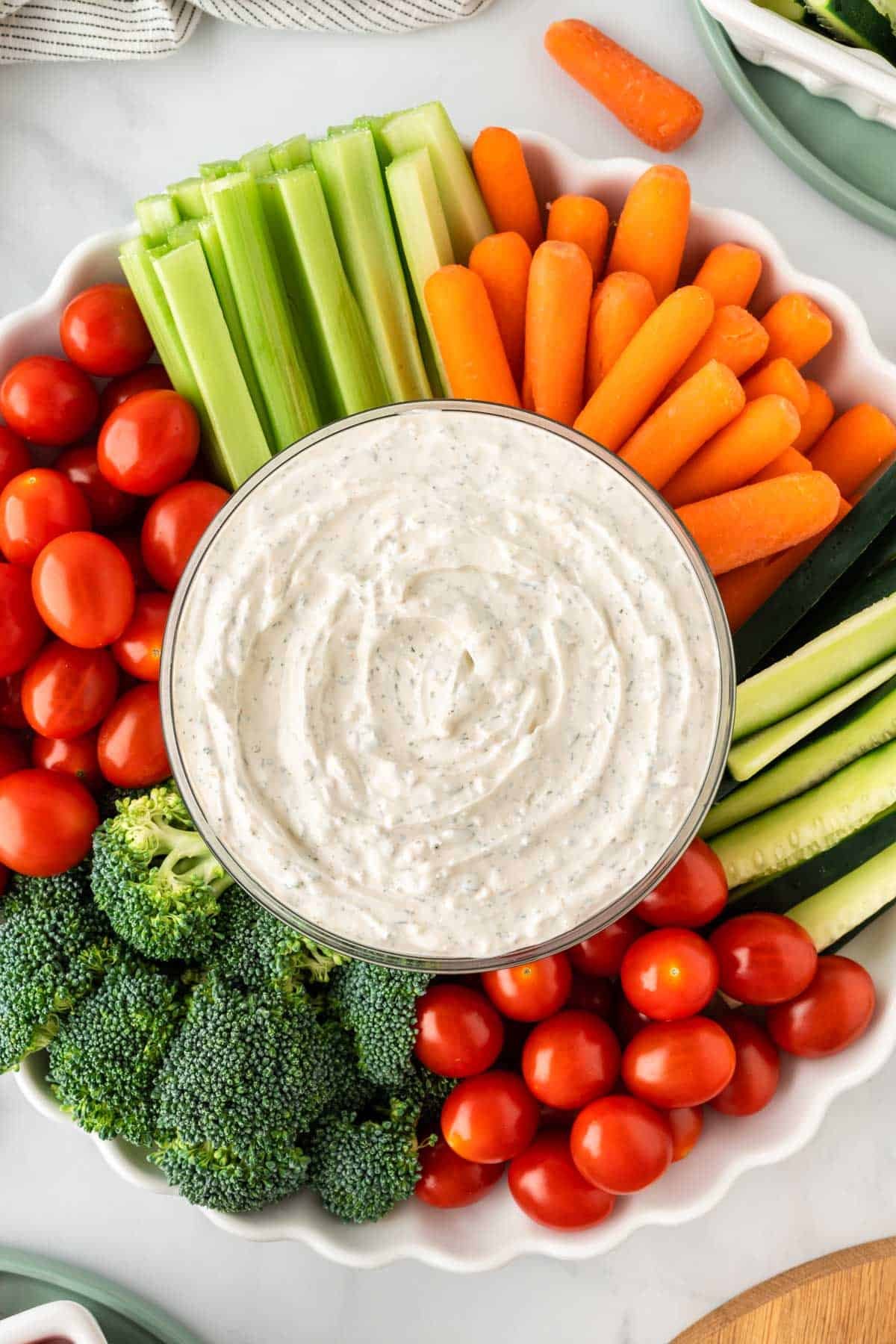
Source: fitflavorplate.com
What Makes A Good Homemade Dip Recipe
A successful homemade dip has three main qualities: good flavor balance, a pleasing texture, and ingredients that work well together. A dip should not taste only salty, spicy, or sour. Instead, the flavors should support each other.
Most dips include a base that creates the main texture. Common bases include yogurt, sour cream, cream cheese, beans, avocado, mayonnaise, or blended vegetables. The base determines whether the dip feels creamy, smooth, thick, or light.
Flavor ingredients are added in smaller amounts to shape the final taste. Garlic, herbs, spices, citrus juice, hot sauce, onions, and roasted vegetables can change a basic mixture into a memorable dip.
Source: atlantafigures.org
Texture
Creamy dips need a smooth base, while chunky dips rely on pieces of vegetables, beans, or herbs for contrast.
Flavor Balance
Salt, acidity, sweetness, heat, and richness should work together instead of overpowering one another.
Serving Purpose
A dip for vegetables may need a lighter texture than a thick dip designed for tortilla chips.
The Basic Dip Formula
Many homemade dip recipes can be created using a simple formula. Start with a main base, add flavor ingredients, adjust seasoning, and allow time for the flavors to combine.
For example, a creamy vegetable dip may use sour cream as the base, fresh herbs for flavor, lemon juice for brightness, and spices for depth.
Base
Choose the ingredient that creates the main body of the dip.
Mix-ins
Add ingredients that provide flavor, color, or texture.
Popular Types Of Homemade Dip Recipes
Homemade dips can be grouped by their main ingredients and texture. Understanding these groups makes it easier to choose the right recipe for a meal or event.
Creamy dips are often popular for parties because they pair well with many foods. Bean-based and vegetable-based dips can provide different flavors and textures while remaining easy to prepare.
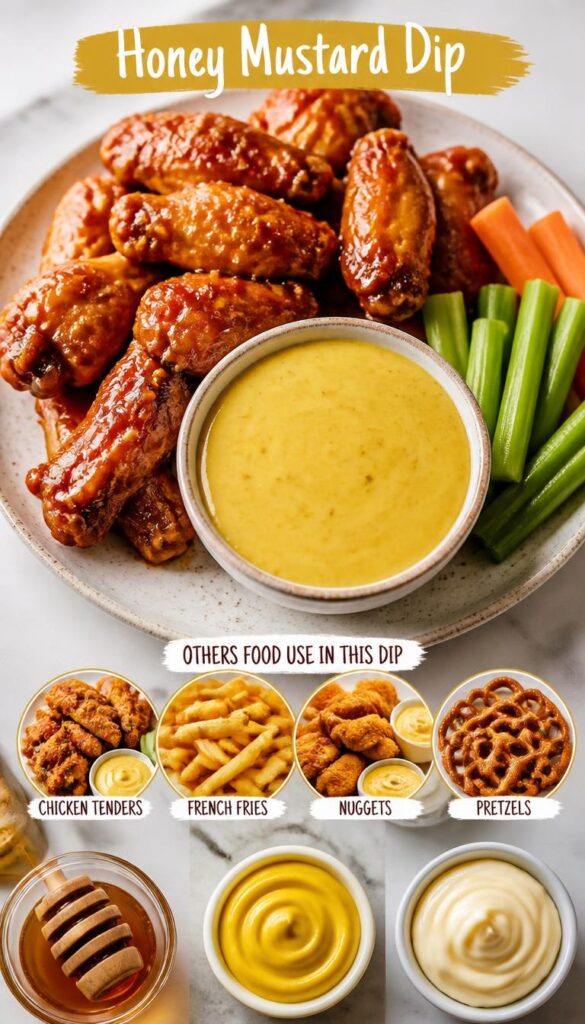
Source: www.pinterest.com
Creamy Dips
Examples include sour cream dips, ranch-style dips, and cheese-based dips that pair well with chips and vegetables.
Fresh Dips
Guacamole and salsa-style dips use fresh produce for bright flavors.
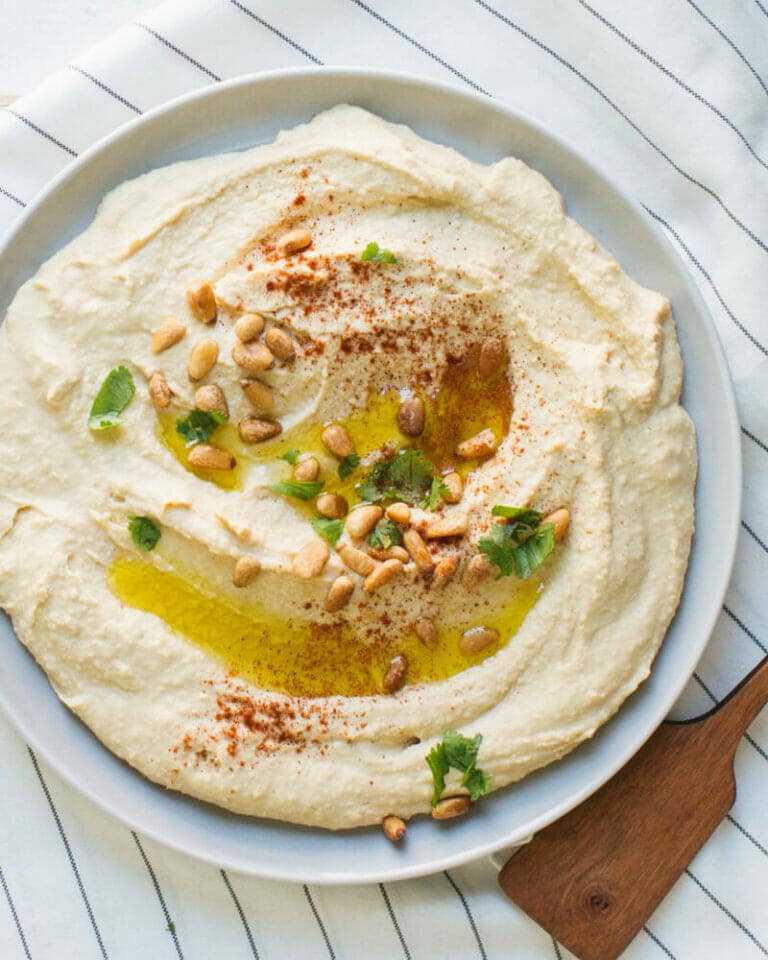
Bean Dips
Hummus and other bean dips provide a thick texture and savory flavor.
Easy Party Dip Ideas
For parties, choose dips that can be prepared ahead of time and served with several types of snacks. A variety of textures helps guests find options they enjoy.
A simple spread may include one creamy dip, one fresh dip, and one hearty dip. This creates variety without requiring many recipes.
Vegetable Dip
Works well with carrots, celery, peppers, and cucumbers.
Guacamole
Pairs naturally with tortilla chips and Mexican-inspired meals.
How To Make Homemade Dips Step By Step
Making homemade dips usually requires only a few steps. The main goal is to combine ingredients slowly and adjust the flavor as needed.
Start by preparing ingredients before mixing. Chopping herbs, draining beans, or softening cream cheese can improve the final texture and make the process easier.
Source: jugglingactmama.com
Step 1: Choose The Base
Select a creamy, vegetable, or bean base depending on the type of dip you want.
Step 2: Add Flavor
Mix in herbs, spices, vegetables, sauces, or seasonings.
Step 3: Adjust Texture
Add liquids or thicker ingredients until the consistency fits your purpose.
Step 4: Rest Before Serving
Some dips taste better after chilling because flavors have time to blend.
Signs Your Dip Needs Adjustment
A dip that tastes flat may need more seasoning or acidity. A dip that feels too thick may need a small amount of liquid. A dip that feels too thin may need more of the main base ingredient.
Small changes are usually better than adding large amounts of one ingredient at once.
Too Salty
Balance strong saltiness with more unsalted base ingredients.
Too Spicy
Add mild ingredients to reduce the heat level.
Choosing Ingredients For Better Homemade Dips
Ingredient choices affect both flavor and storage. Fresh ingredients often provide stronger flavors, while pantry ingredients can make recipes faster and easier.
The best ingredients depend on the dip type. Avocado works well for guacamole, chickpeas work well for hummus, and dairy bases work well for creamy dips.
Source: loveandlemons.com
Fresh Herbs
Add brightness and help creamy dips taste lighter.
Acid Ingredients
Lemon juice or vinegar can improve flavor balance.
Spices
Spices add warmth and depth without changing the basic texture.
Healthy Ingredient Swaps
Many recipes can be adjusted by changing one or two ingredients. Yogurt can replace some creamy ingredients in certain dips, and extra vegetables can add texture and flavor.
A recipe change should still match the purpose of the dip. A thicker dip may need different adjustments than a pourable sauce.
More Vegetables
Adds crunch, color, and volume.
Different Bases
Changes texture and may alter the flavor profile.
Common Homemade Dip Mistakes And Safety Tips
Most dip problems come from poor ingredient balance, incorrect storage, or serving conditions. Simple preparation habits can prevent many issues.
Dairy-based and fresh ingredient dips should be stored properly and not left at unsafe temperatures for long periods. Food safety guidance from public health organizations should be followed when preparing food for groups.
Source: acouplecooks.com
Adding Too Much Seasoning
Strong flavors become difficult to fix when added too quickly.
Ignoring Texture
A flavorful dip may still be unpleasant if it is too thick or too thin.
Poor Storage
Use clean containers and proper refrigeration for perishable ingredients.
How To Store Homemade Dips
Storage time depends on ingredients used. Fresh dips with dairy, seafood, or cut produce may require more careful handling than dry ingredient mixtures.
Keep dips covered and chilled when not serving. For gatherings, place smaller portions out and refill as needed.
Refrigeration
Keep perishable dips cold until serving.
Frequently Asked Questions
Q
What are the easiest homemade dip recipes for beginners?
Simple sour cream dips, hummus, guacamole, and yogurt-based dips are beginner-friendly because they require fewer steps and easy-to-find ingredients.
Q
How far ahead can homemade dips be made?
Many dips can be prepared ahead of time, but storage depends on the ingredients. Creamy and fresh dips should be kept refrigerated and checked before serving.
Q
How can I make homemade dips taste better?
Improve flavor by balancing salt, acidity, herbs, spices, and texture. Small adjustments often make a bigger difference than adding many new ingredients.
Q
What foods go well with homemade dips?
Dips pair well with vegetables, crackers, chips, bread, grilled foods, sandwiches, and many snack plates.
Q
Can homemade dips be changed for different diets?
Yes. Many recipes can be adjusted with different bases and ingredients, but the final texture and flavor may change.
✦ Wrapping Up
Conclusion
Homemade dip recipes are a practical way to create flavorful snacks and meals with simple ingredients. The key is understanding how bases, seasonings, and textures work together.
Whether you are preparing food for a party or making a quick snack at home, a few basic dip methods can help you create many different flavors without complicated techniques.
💡 Key Takeaway
Start with one simple dip formula, adjust flavors slowly, and build your own homemade dip recipes based on the foods you enjoy.
Make bakery-worthy sweets fast with chocolate dessert recipes at home. Simple ingredients, step-by-step tips, and no-fail favorites your family will love.
Quick, tasty microwave low calorie meals for busy days – simple recipes, smart swaps, and portion tips to help you lose weight without sacrificing flavor.