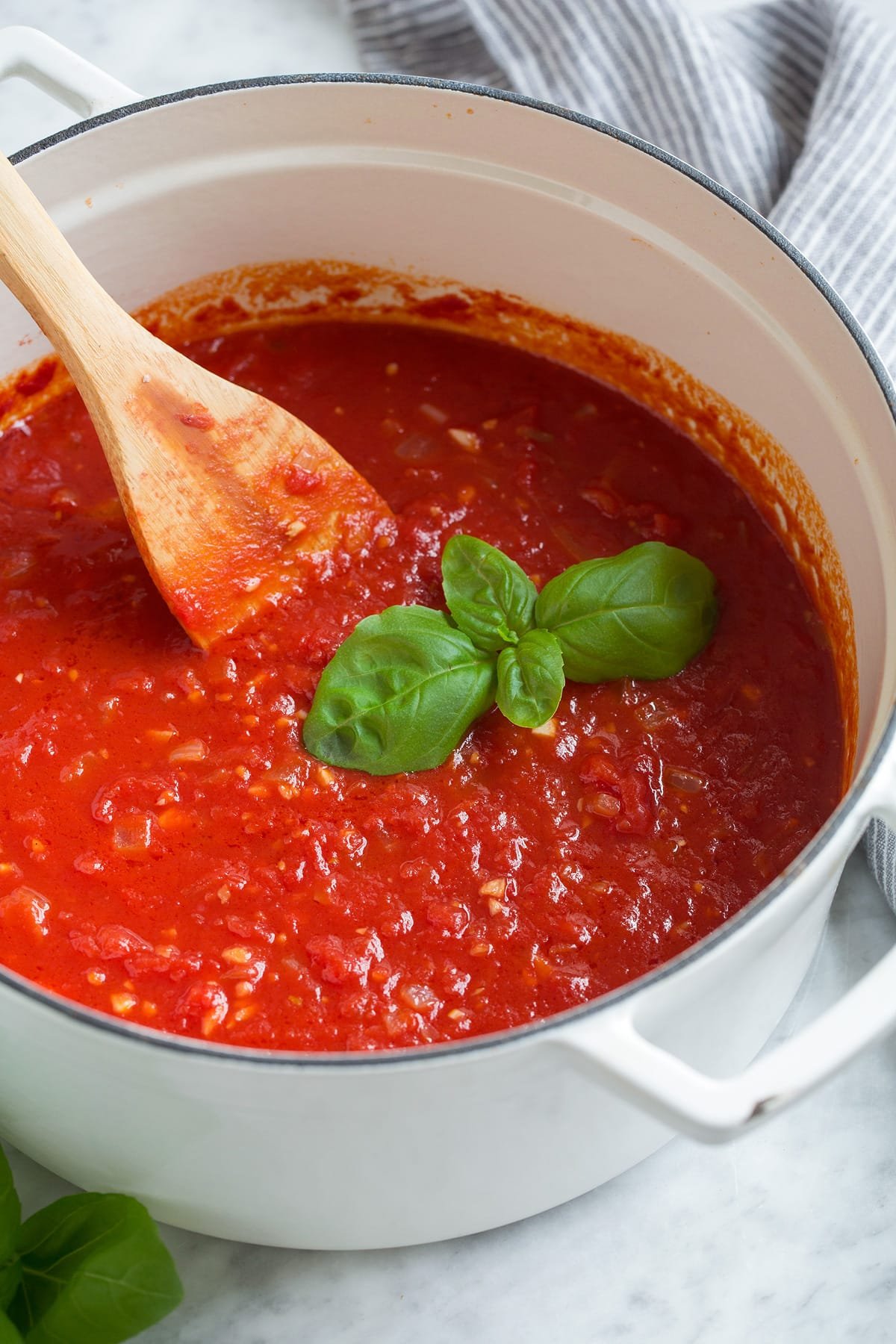
Homemade marinara sauce is a simple tomato sauce made by slowly cooking tomatoes with aromatics, herbs, and seasonings until the flavors become balanced and rich.
In the United States, homemade marinara sauce is a common kitchen staple for pasta dinners, pizza nights, baked dishes, and quick family meals. Many home cooks make it because it allows control over ingredients, salt levels, texture, and flavor compared with many ready-made sauces.
A good marinara sauce does not require complicated techniques. The key steps are choosing suitable tomatoes, building flavor with onion and garlic, controlling moisture, and cooking long enough for the ingredients to blend. This guide explains the process, common mistakes, storage options, and ways to adjust the sauce for different meals.
Source: storage.googleapis.com
What Is Homemade Marinara Sauce?
Homemade marinara sauce is a tomato-based sauce prepared from basic ingredients such as tomatoes, garlic, onions, olive oil, and herbs. Unlike many complex tomato sauces that cook for many hours with meat or large amounts of added ingredients, marinara is usually lighter and focused on tomato flavor.
The word marinara is often linked with Italian cooking traditions, but recipes vary widely. In American kitchens, the term commonly describes a smooth or slightly chunky tomato sauce used with pasta, vegetables, bread, and other dishes.
The main goal is balance. Tomatoes provide acidity and sweetness, olive oil adds richness, aromatics create depth, and herbs provide fresh flavor. Each part supports the others like different instruments in a simple song.
Source: feelingfoodish.com
Main ingredient
Tomatoes form the base and determine much of the sauce‘s color, flavor, and texture.
Flavor builders
Garlic, onion, herbs, and olive oil create layers of taste without overpowering the tomato.
Cooking method
Gentle simmering helps the flavors combine and allows excess water to reduce.
Why Make Marinara Sauce at Home?
Making marinara sauce at home gives cooks control over every ingredient. This can be useful for people who want less salt, fewer additives, a specific texture, or a fresher tomato taste.
A homemade batch can also be adjusted for different meals. A thicker sauce may work better for pizza, while a thinner version may coat pasta more easily.
Ingredient control
You choose the tomatoes, seasonings, and amount of oil or salt used.
Flexible texture
Blending or reducing the sauce changes how it works in recipes.
Ingredients Needed For Homemade Marinara Sauce
A basic marinara sauce uses a small group of ingredients. The quality and balance of those ingredients usually matter more than adding many extras.
Canned tomatoes are often a practical choice in the United States because they provide consistent flavor throughout the year. Fresh tomatoes can also work well when they are ripe, flavorful, and in season.
Source: ar.inspiredpencil.com
Tomatoes
Use whole peeled tomatoes, crushed tomatoes, or ripe fresh tomatoes depending on the texture you prefer.
Aromatics
Garlic and onion create a savory base that supports the tomato flavor.
Herbs
Basil, oregano, and parsley are common choices for adding herbal notes.
Fat and seasoning
Olive oil, salt, and pepper help round out the sauce.
Fresh Tomatoes Versus Canned Tomatoes
Fresh tomatoes can create a bright seasonal sauce, but they often contain more water and require extra preparation. Removing skins, seeds, or excess liquid may improve texture.
Canned tomatoes are convenient because they are available year-round and often have a reliable flavor. The best choice depends on availability, season, and personal preference.
Fresh tomatoes
Useful when tomatoes are ripe and naturally sweet.
Canned tomatoes
Useful for consistent results and faster preparation.
How To Make Homemade Marinara Sauce Step By Step
The basic process involves preparing the flavor base, adding tomatoes, simmering, and adjusting the final seasoning. The sauce becomes more developed as it cooks, but it does not need hours of preparation.
Start with a heavy saucepan or pot. Warm olive oil over medium heat, then cook chopped onion until softened. Add garlic briefly because garlic can become bitter if burned.
Add tomatoes and seasonings, then allow the sauce to simmer gently. Stir from time to time so the bottom does not stick. The sauce is ready when it reaches the thickness and flavor you want.
Source: Natasha’s Kitchen
Step one
Cook onion and garlic gently to build the flavor foundation.
Step two
Add tomatoes and seasonings, then simmer until the sauce develops.
Step three
Taste and adjust salt, herbs, acidity, and texture before serving.
Signs The Sauce Is Ready
A finished marinara sauce should have a pleasant tomato aroma, balanced taste, and a texture that matches the intended use. It should not taste only acidic or watery.
If the sauce tastes sharp, more cooking time may help. If it tastes flat, a small adjustment in seasoning or herbs may improve the balance.
Texture sign
The sauce coats food without being overly watery.
Flavor sign
Tomato, herbs, and savory notes taste connected rather than separate.
Common Homemade Marinara Sauce Mistakes And Fixes
Most marinara problems come from ingredient balance, cooking temperature, or timing. Small changes can often improve the final result without starting over.
Understanding the cause makes fixing the sauce easier. A watery sauce needs reduction, while a harsh sauce may need more time or balancing ingredients.
Source: rin.pw
Watery sauce
Simmer uncovered longer to allow excess moisture to evaporate.
Bitter flavor
Burned garlic or overcooked herbs may create bitterness.
Too acidic taste
Longer cooking can soften sharp tomato notes. Adjust seasoning carefully.
Too thick sauce
Add a small amount of water or pasta cooking water to loosen it.
How To Store Homemade Marinara Sauce
Homemade marinara sauce can be stored in the refrigerator in a sealed container. Allow the sauce to cool before covering and refrigerating it.
For longer storage, many home cooks freeze marinara sauce in suitable containers. Leave space for expansion and label containers with the date prepared.
Refrigeration
Use clean sealed containers and follow safe food storage practices.
Freezing
Freeze portions that match future meal needs for easier use.
Ways To Use Homemade Marinara Sauce
Homemade marinara sauce works beyond traditional pasta dishes. Its simple tomato base makes it useful for many everyday meals.
The sauce can be paired with noodles, vegetables, baked dishes, sandwiches, and bread. Adjusting thickness and seasoning can help it fit different recipes.
Source: cucinabyelena.com
Pasta meals
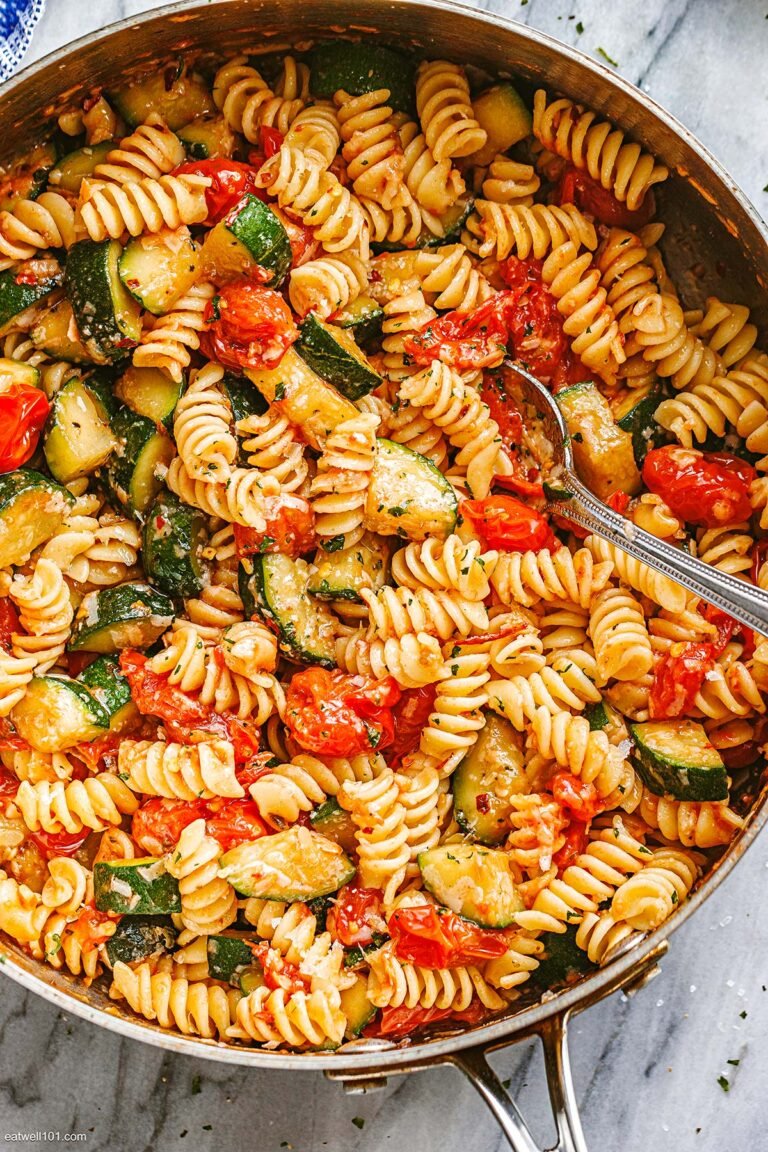
Use marinara as a coating sauce for spaghetti, penne, or other pasta shapes.
Pizza
A thicker sauce can provide tomato flavor without making dough soggy.
Baked dishes
Use it in recipes such as baked pasta or vegetable casseroles.
Adjusting The Sauce For Different Recipes
A versatile marinara sauce can be changed with small additions. Extra herbs may create a brighter flavor, while vegetables can add sweetness and texture.
The best adjustment depends on the final dish. A sauce for dipping may need different seasoning than a sauce used with pasta.
For pasta
Keep the sauce smooth and balanced so it coats noodles well.
For dipping
A thicker texture may make serving easier.
Frequently Asked Questions
Q
Can I make homemade marinara sauce without fresh tomatoes?
Yes. Canned tomatoes are commonly used for homemade marinara sauce and can produce consistent results. The final flavor depends on the tomato quality and seasoning balance.
Q
How long should marinara sauce simmer?
Many marinara sauces can develop good flavor after a shorter simmer, while longer cooking can reduce liquid and deepen taste. The best time depends on the ingredients and desired texture.
Q
Why does my marinara sauce taste too acidic?
An acidic taste may come from the tomatoes or from limited cooking time. Simmering longer and adjusting seasoning can help create a more balanced flavor.
Q
Can homemade marinara sauce be frozen?
Yes. Marinara sauce can be frozen in suitable containers. Leave room for expansion and use safe food handling practices when storing and reheating.
Q
What makes marinara sauce different from other tomato sauces?
Marinara is usually a simpler tomato sauce focused on tomatoes, herbs, and aromatics. Other tomato sauces may include more ingredients, longer cooking times, or meat.
✦ Wrapping Up
Conclusion
Homemade marinara sauce is built on simple choices: good tomatoes, careful cooking, and balanced seasoning. The process is flexible enough for beginners while still allowing experienced cooks to adjust flavor and texture.
The best sauce is the one that fits the meal you are making. Start with a basic recipe, taste as you cook, and make small changes based on the result.
💡 Key Takeaway
Begin with quality tomatoes, cook the aromatics gently, simmer until balanced, and adjust the sauce to match your dish.
Master microwave auto cook settings to save time and get flawless results. Easy steps, pro tips, and recipe ideas to make weeknight dinners effortless.