Homemade sauce recipes are simple ways to add fresh flavor to meals using basic ingredients, balanced seasoning, and easy cooking methods.
Across kitchens in the United States, homemade sauces are a practical way to improve everyday meals without relying only on packaged options. A basic sauce made from tomatoes, herbs, dairy, vegetables, or spices can turn pasta, vegetables, meat, seafood, and grains into complete dishes.
The best homemade sauces focus on balance. Fresh ingredients provide flavor, while proper cooking time helps ingredients blend together. You do not need advanced cooking skills. Understanding texture, seasoning, and heat control is enough to create sauces that fit your taste.
Source: Credit from provided list
What Makes A Good Homemade Sauce
A good homemade sauce connects ingredients into one smooth flavor. The goal is not to hide the food underneath but to support it. A pasta sauce should coat noodles, a dipping sauce should have enough body to cling, and a cooking sauce should add moisture without making the dish watery.
Most sauces follow a simple pattern: a base ingredient, flavor builders, seasoning, and a texture choice. Tomato sauces use tomatoes as the base. Cream sauces use dairy or plant-based alternatives. Herb sauces often use fresh greens, oil, nuts, or seeds.
Source: Credit from provided list
Base
The main ingredient creates the foundation, such as tomatoes, yogurt, cream, broth, or vegetables.
Flavor builders
Ingredients like garlic, onions, herbs, spices, and citrus create depth.
Texture control
Blending, simmering, reducing, or adding fats changes how the sauce feels and spreads.
Common Sauce Categories
Different sauce types work best for different meals. Tomato sauces are common for pasta and pizza. Cream sauces pair well with vegetables and noodles. Fresh sauces can brighten grilled foods or simple bowls.
Tomato sauces
Made with tomatoes, herbs, aromatics, and seasoning for pasta, pizza, and many cooked dishes.
Cream sauces
Use creamy ingredients to create rich textures for pasta, vegetables, and proteins.
Fresh sauces
Use uncooked or lightly prepared ingredients for bright flavor.
Easy Homemade Tomato Sauce Recipe
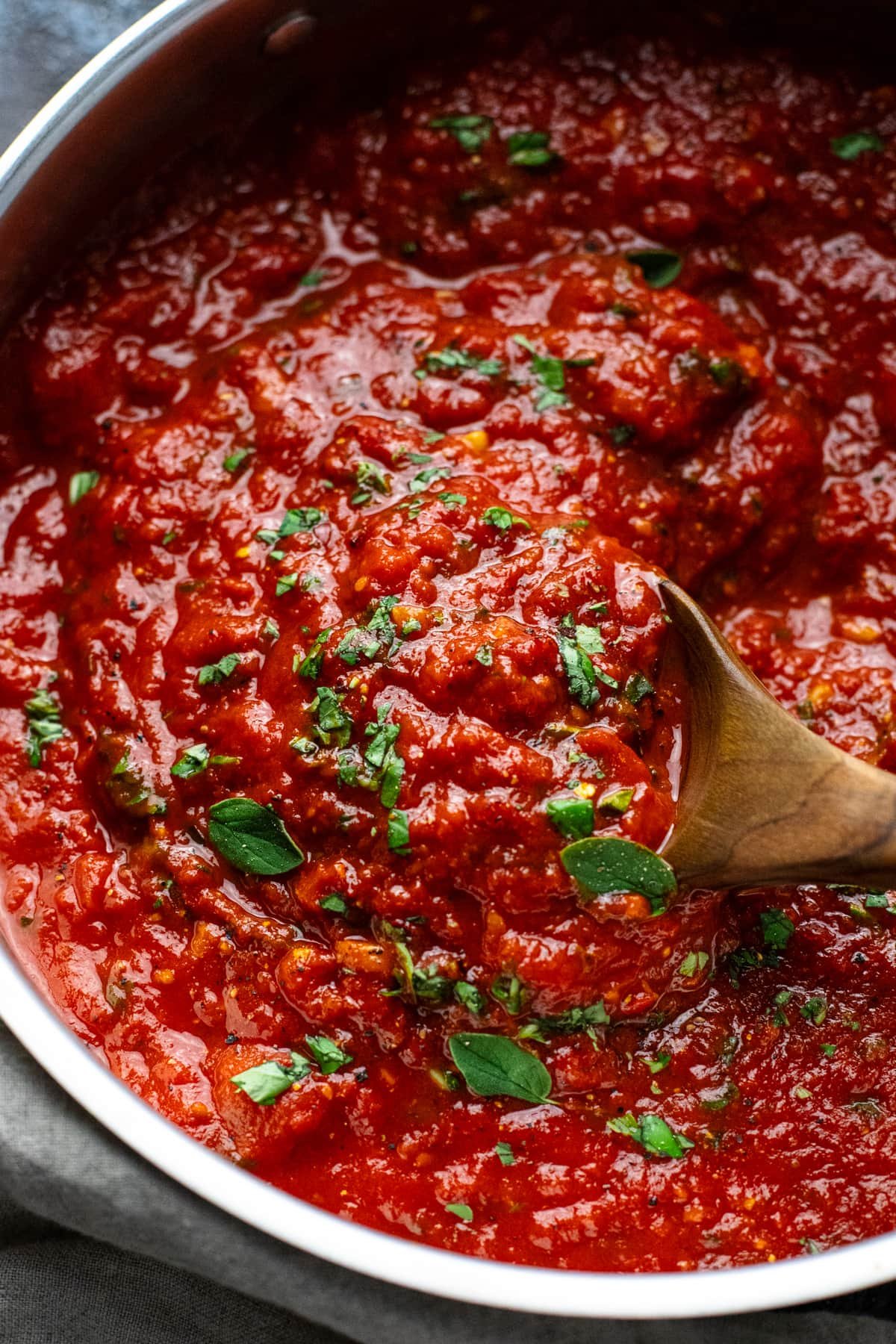
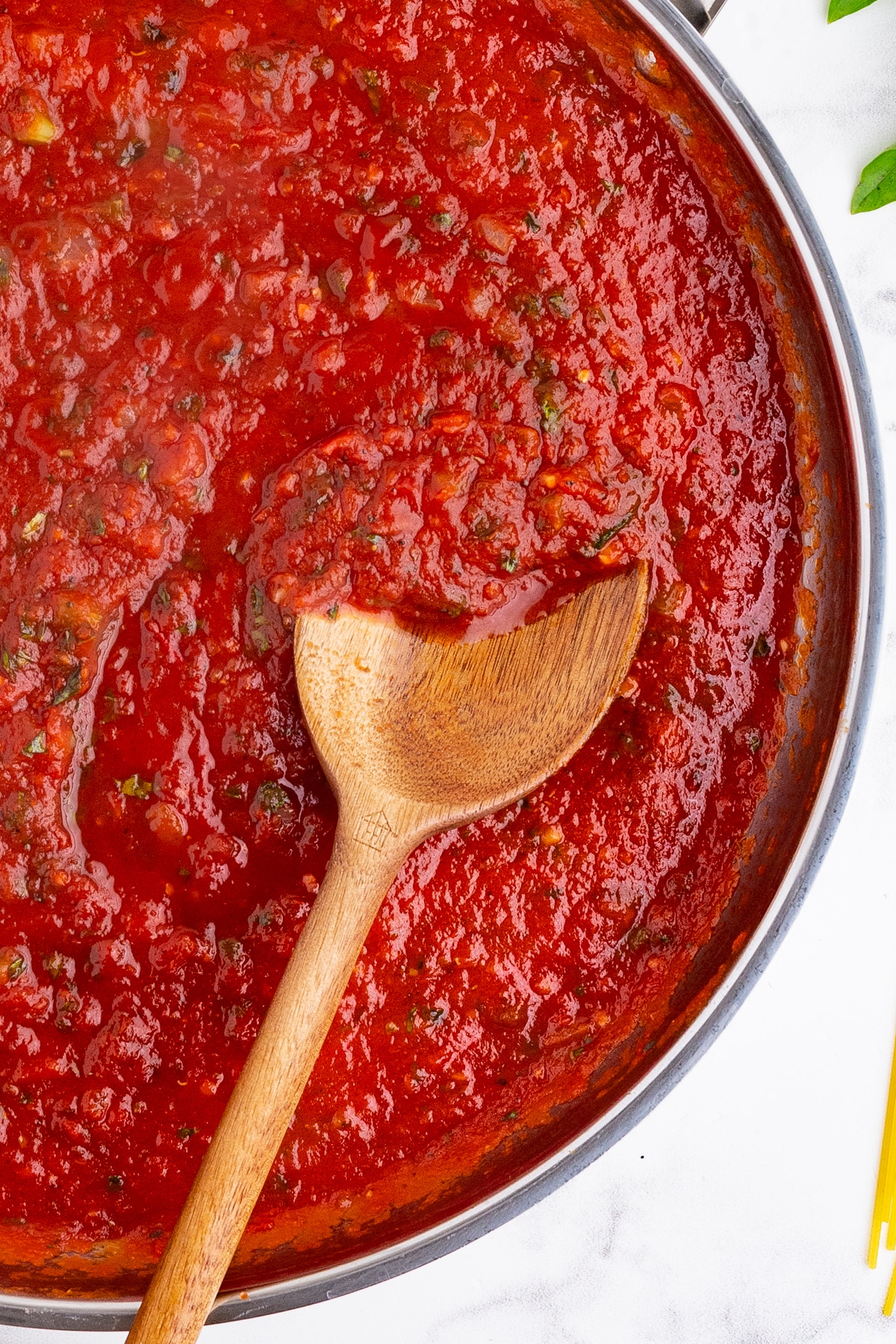
A simple tomato sauce is one of the most useful homemade sauce recipes because it works with many meals. It can be served with pasta, spread on pizza, used in casseroles, or added to soups. The method is flexible, so cooks can adjust the taste based on available ingredients.
Start with tomatoes, then build flavor with onion, garlic, herbs, and seasoning. Cooking the sauce slowly allows moisture to reduce and flavors to become more connected. Fresh tomatoes can work well during their season, while canned tomatoes can provide convenience throughout the year.
Source: Credit from provided list
Basic ingredients
Tomatoes, olive oil, onion, garlic, herbs, salt, and pepper create a simple starting recipe.
Cooking method
Cook aromatics first, add tomatoes, then simmer until the sauce reaches the desired thickness.
Texture adjustment
Blend for a smooth sauce or leave it slightly chunky for more texture.
How To Fix Tomato Sauce Problems
If tomato sauce tastes flat, it often needs more seasoning or a small amount of acidity. A little salt can improve overall flavor, while a small amount of vinegar or lemon can brighten a heavy sauce.
If the sauce is too thin, continue simmering without a lid. If it is too thick, add a small amount of water or broth until the texture improves.
Too acidic
Balance the sharp taste with proper seasoning and a small amount of richness.
Too watery
Reduce excess liquid through additional cooking time.
Other Homemade Sauce Recipes To Try
Tomato sauce is only one option. Homemade sauces can be adjusted for different foods, diets, and flavor preferences. Learning a few basic styles makes meal planning easier because the same sauce idea can be changed with new ingredients.
A simple sauce collection might include a creamy sauce for pasta, a fresh herb sauce for vegetables, and a spicy sauce for foods that need extra heat.
Source: Credit from provided list
Garlic herb sauce
Combine herbs, garlic, oil, and seasoning for a fresh sauce that works with vegetables and proteins.
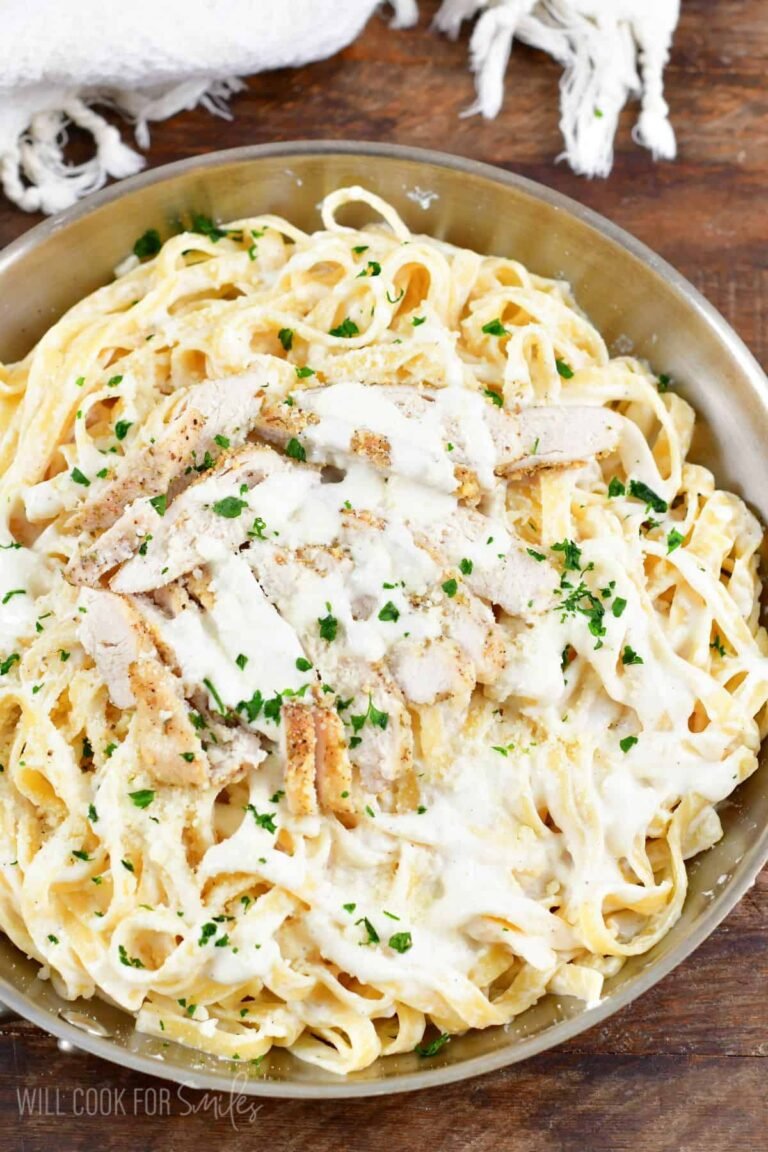
Creamy pasta sauce
Use cream or another creamy base with seasoning for a smooth pasta topping.
Spicy sauce
Add peppers, chili flakes, or spices when a stronger flavor is needed.
Choosing Ingredients For Better Flavor
Ingredient quality affects the final sauce, but expensive ingredients are not required. Fresh herbs can add brightness, while dried herbs can provide steady flavor. Good seasoning habits often matter more than using a long ingredient list.
Use fresh when helpful
Fresh herbs, garlic, and vegetables can add noticeable flavor in simple sauces.
Keep pantry basics
Canned tomatoes, spices, oils, and dried herbs make quick sauce preparation easier.
How To Store And Reuse Homemade Sauces
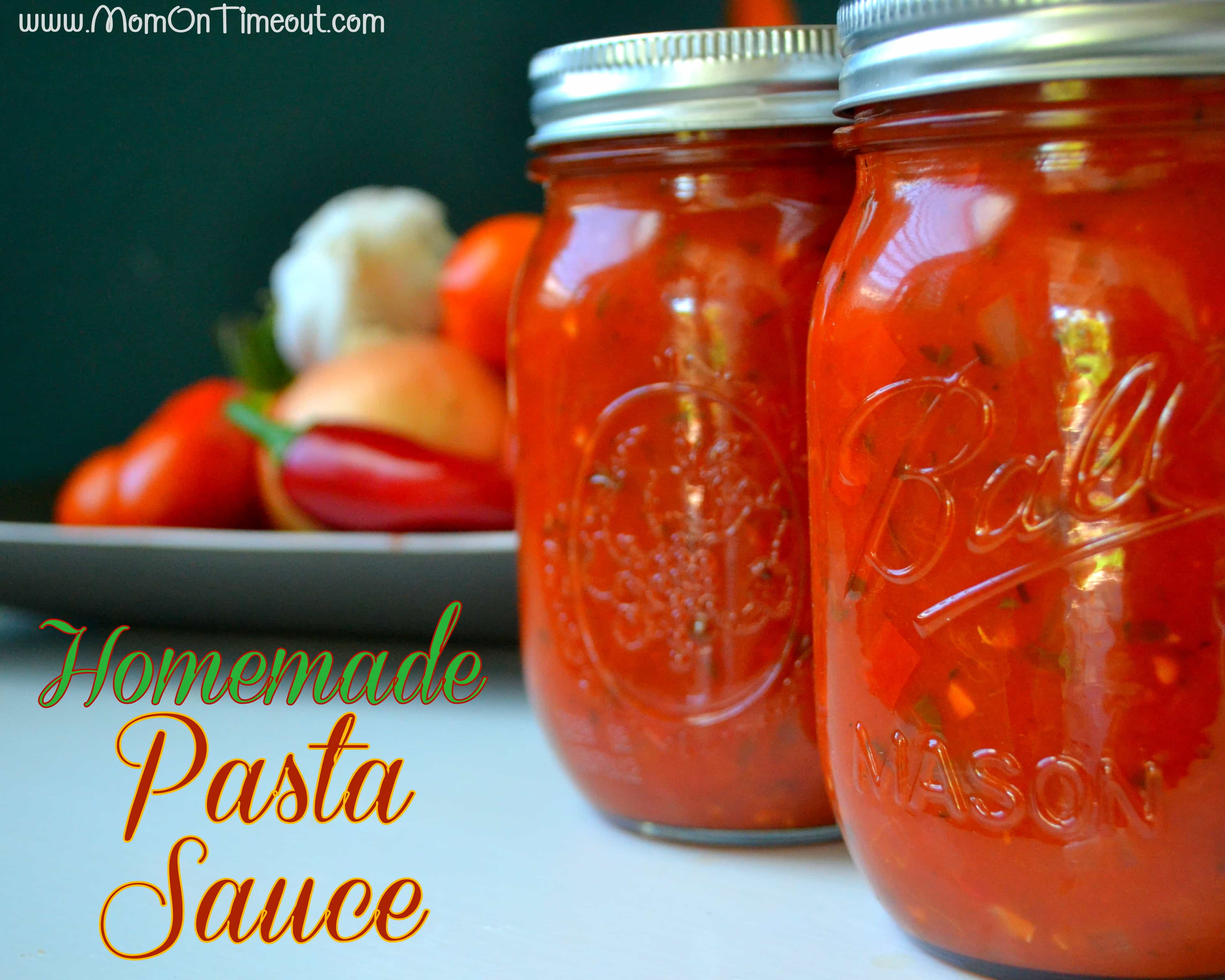
Proper storage helps homemade sauces stay useful for future meals. Cool cooked sauce before storing it, then place it in a clean container. Refrigeration is suitable for short-term use, while freezing can help preserve extra portions for later.
Before using stored sauce, check its appearance, smell, and texture. If anything seems unusual, avoid using it. Safe storage habits are part of making homemade food practical.
Source: Credit from provided list
Small portions
Store sauce in meal-sized amounts so you can reheat only what you need.
Label containers
Adding a date helps track storage time and reduces waste.
Making Sauce Preparation Easier
Many cooks save time by preparing a larger batch and using it in different meals. One tomato sauce can become pasta sauce one day and a base for another recipe later.
Plan ahead
Prepare versatile sauces that match several meals.
Common Homemade Sauce Mistakes
Most sauce problems come from small mistakes rather than difficult techniques. Adding too much seasoning too early, cooking at the wrong heat, or ignoring texture can change the result.
Good sauce making improves with practice. Taste during cooking and make small changes instead of adding many ingredients at once.
Source: Credit from provided list
Adding too much salt
Season gradually because flavors become stronger as sauces reduce.
Using high heat
Gentle cooking often creates better blended flavors than rapid boiling.
Ignoring balance
A sauce needs harmony between salt, sweetness, acidity, and richness.
Signs Your Sauce Needs Adjustment
A sauce that feels dull may need more seasoning. A sauce that feels heavy may need acidity or freshness. A sauce that does not coat food well may need a texture change through reduction or blending.
Taste before serving
Small corrections are easier before the sauce reaches the final dish.
Frequently Used Sauce Pairings
Choosing the right sauce depends on the food being prepared. A sauce should support the main ingredient instead of covering its natural flavor.
Source: Credit from provided list
Pasta
Tomato, cream, and herb sauces are common choices.
Vegetables
Fresh herb and creamy sauces can add flavor and moisture.
Protein dishes
Spicy, savory, and fresh sauces can complement grilled or cooked proteins.
Frequently Asked Questions
Q
Can beginners make homemade sauce recipes?
Yes. Many homemade sauces require only basic cooking skills. Start with simple recipes and learn how seasoning and texture change the final result.
Q
How can I make homemade sauce taste better?
Improve flavor by balancing salt, acidity, herbs, and cooking time. Small adjustments usually work better than adding many ingredients.
Q
Can homemade sauce be frozen?
Many cooked sauces can be frozen when stored properly. Use suitable containers and leave room for expansion.
Q
Why is my homemade sauce too thin?
Thin sauce often contains too much liquid. Simmering longer can reduce moisture and create a thicker texture.
Q
What are the easiest homemade sauces to start with?
Simple tomato sauce, garlic herb sauce, and basic cream sauce are useful starting points because they use common ingredients and flexible methods.
✦ Wrapping Up
Conclusion
Homemade sauce recipes give home cooks a simple way to add flavor and creativity to everyday meals. The strongest results come from understanding basic sauce structure rather than following complicated steps.
Start with one reliable recipe, learn how ingredients affect taste and texture, then adjust it for your own meals. A homemade sauce can become a useful kitchen skill that saves time and improves many dishes.
💡 Key Takeaway
Choose one simple sauce recipe this week, prepare it with fresh ingredients, and practice adjusting flavor until it matches your preferred taste.
Avoid microwave cooking common mistakes with simple tips to prevent uneven heating, splatters, and safety hazards, plus easy fixes for faster, safer meals.
Learn sensor microwave cooking explained with easy tips, timing guides, and auto-sensing tricks for evenly cooked meals. Read now and cook with confidence.