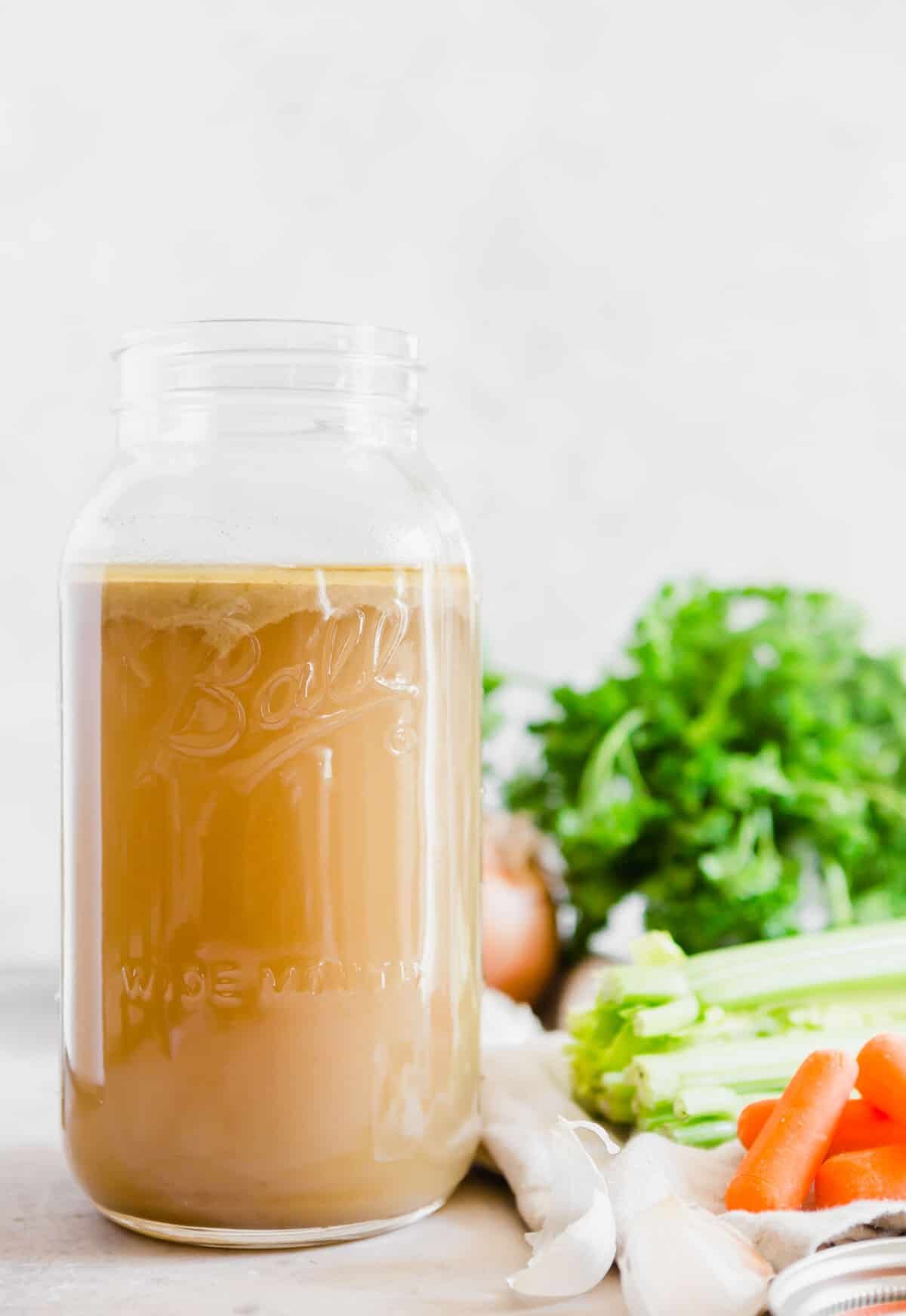
Homemade stock usually offers richer flavor and more nutrients, while store-bought saves big time on effort.
I’ve cooked for years and tested both approaches. I will walk you through why the choice matters and when homemade stock vs store-bought stock — is it worth it for your kitchen. You will learn the real trade-offs: taste, time, cost, health, and how to pick the right option for specific dishes. Read on for practical tips and clear advice from real cooking experience.
Why stock matters
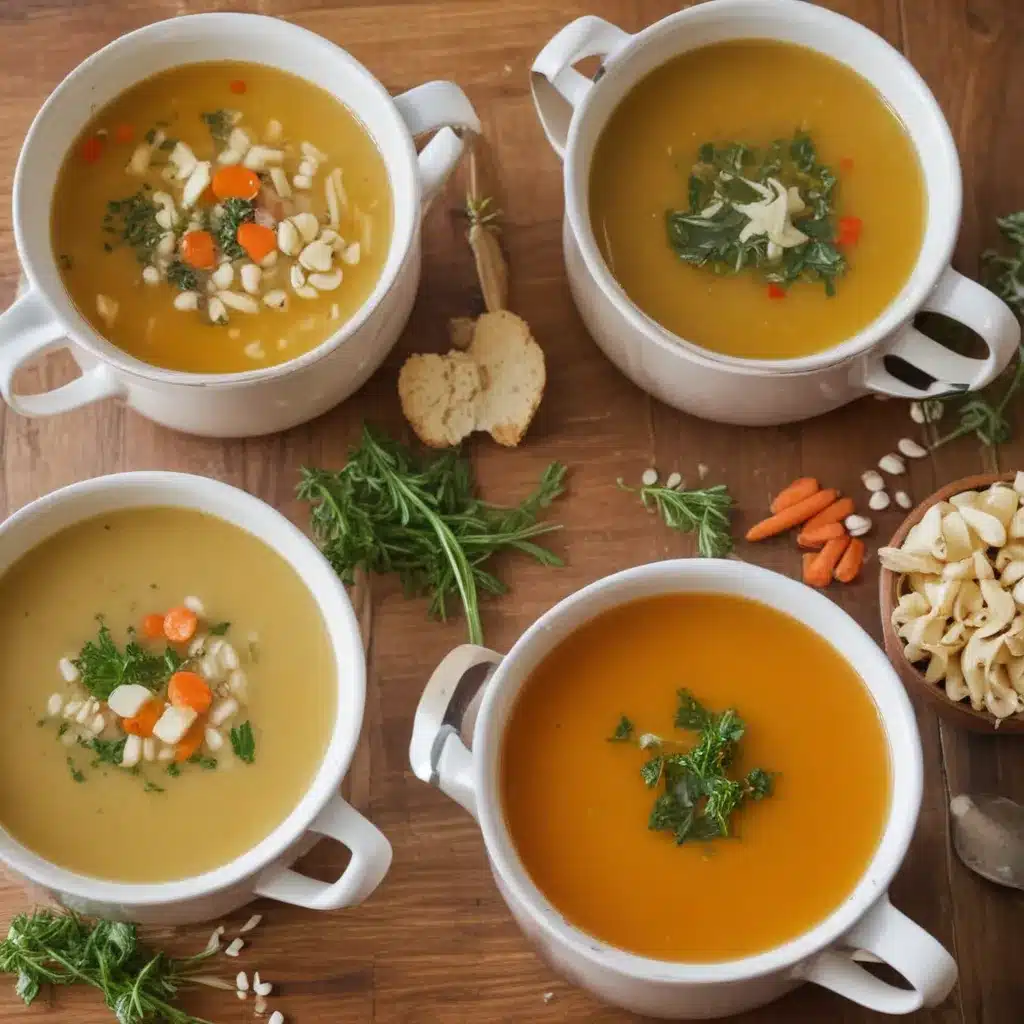
Stock is the backbone of many dishes. It builds flavor in soups, stews, sauces, and grains. A good stock lifts a dish from okay to memorable. Knowing the difference between homemade stock vs store-bought stock — is it worth it helps you decide how to invest your time. I have used both in restaurants and at home. I can tell you where each option shines.

Homemade stock vs store-bought stock — is it worth it: flavor and nutrition
Homemade stock often has deeper flavor. Slow-simmered bones and vegetables release gelatin and minerals. That gives mouthfeel and body. Store-bought stock can be clean and consistent. But many commercial stocks use salt, flavor enhancers, and stabilizers.
Nutrition differences matter most when you cook regularly. Homemade stock can contain collagen, amino acids, and small amounts of minerals. Store-bought may lack gelatin if it is strained and processed. If you want maximum flavor and potential nutrition, homemade can be worth the effort. If you cook once in a while, store-bought can be a perfectly practical choice.

Cost, time, and convenience
Making homemade stock takes time and planning. You need bones or scraps, water, and low heat for hours. You save money if you reuse bones and make stock from scraps. You also save on single-use packaging.
Store-bought stock wins on convenience. It is ready in minutes. It is easy to portion and store in a pantry. The cost per use can be higher, but it saves time and waste. Ask yourself: how often will you use stock? If you make soups often, homemade may pay off. If you cook rarely, store-bought is fine.
Safety, storage, and shelf life
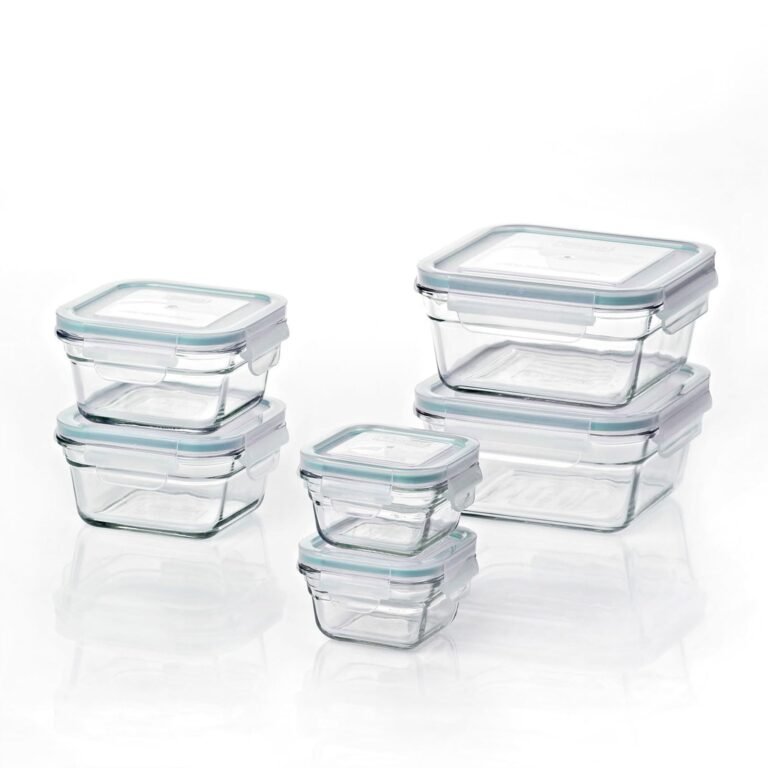
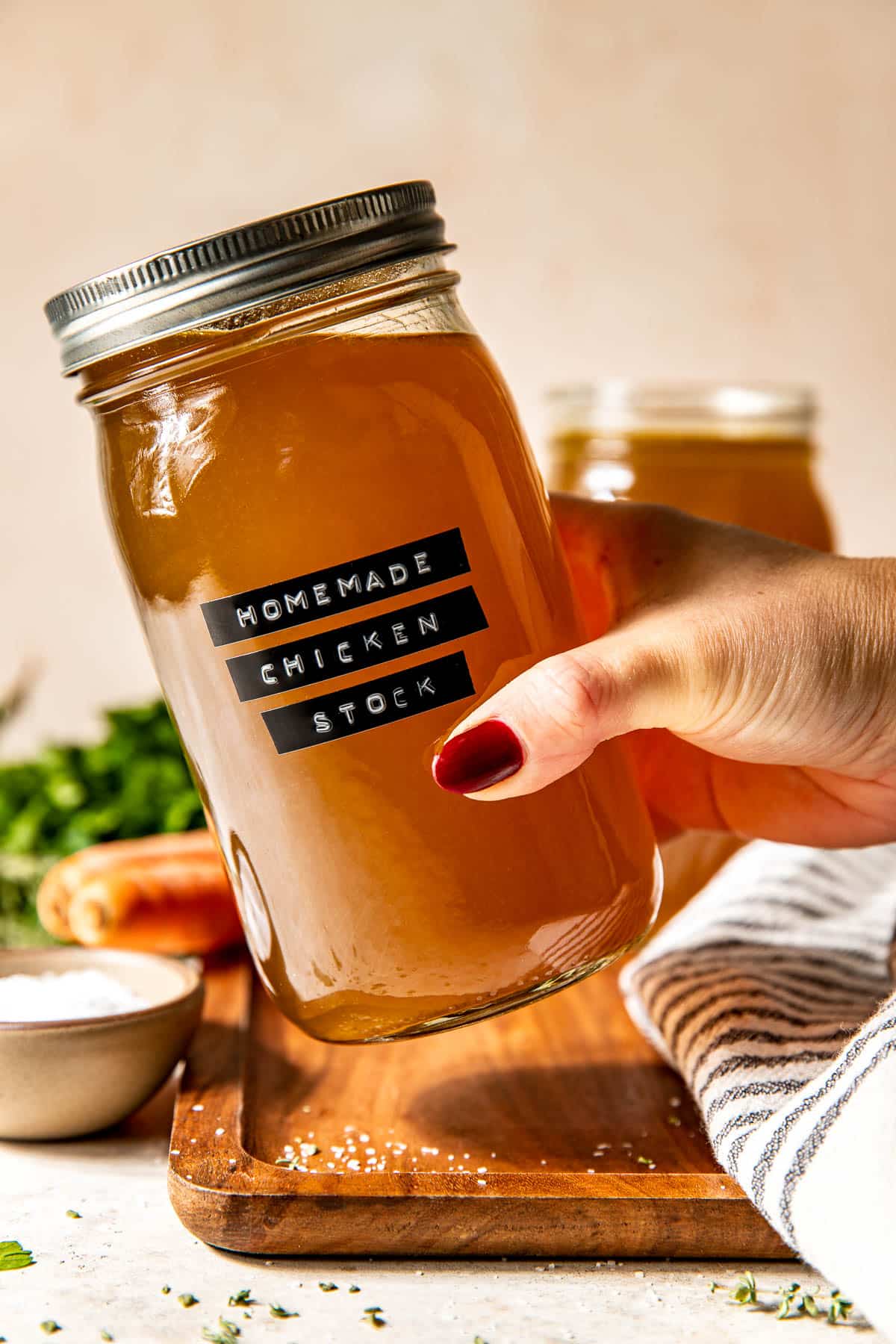
Homemade stock must be cooled and stored correctly. Chill within two hours. Refrigerate for three to four days. Freeze for three months or longer for best quality. Use airtight containers to avoid freezer burn.
Store-bought stock is pasteurized and shelf-stable until opened. It often lasts longer once opened if refrigerated. Always read labels for sodium and preservatives. If you worry about safety or have limited freezer space, store-bought gives predictable shelf life.

Best uses and when to choose which
Some dishes benefit strongly from homemade stock. Use homemade stock for:
- Long-simmered soups and braises where depth matters.
- Sauces and reductions that need body and gelatin.
- Special meals where subtle flavor makes a difference.
Use store-bought stock for:
- Quick weekday soups or stews.
- Rice, grains, and simple casseroles.
- When you need consistent flavor and time savings.
Think of stock like a base color in painting. For a quick sketch, a tube color is fine. For a portrait, you want the mix and depth.
How to make good homemade stock (quick guide)
I make stock at home every few weeks. I save bones, veggie scraps, and herbs in a bag in the freezer. When I have a good pile, I make stock.
Basic steps:
- Gather bones, scraps, and onions, carrots, and celery.
- Roast bones for deeper flavor when using beef or chicken.
- Simmer low and slow for 4 to 12 hours. Skim foam early on.
- Strain and cool, then refrigerate or freeze in portions.
Tips from experience:
- Do not add too much salt. Season final dishes, not the stock.
- Use a large pot so heat is gentle.
- Freeze in small portions so you only thaw what you need.
Homemade stock vs store-bought stock — is it worth it? If you use stock often, learning a simple method makes it highly worth it.
Environmental impact and packaging
Homemade stock reduces single-use packaging. You reuse bones and vegetable scraps, cutting food waste. Store-bought stocks often use cartons or plastic jars. Recycling varies by area.
Energy use matters. Long simmering uses stovetop time. To save energy:
- Use a slow cooker or pressure cooker to reduce heat loss.
- Make large batches and freeze portions.
For many cooks, homemade stock is greener when you reuse scraps and freeze efficiently.
Frequently Asked Questions of homemade stock vs store-bought stock — is it worth it
Is homemade stock healthier than store-bought?
Homemade stock can be richer in collagen and minerals if you simmer bones long enough. Store-bought is often lower in gelatin but may be fortified or have added vitamins.
How long does homemade stock last in the fridge?
Refrigerated homemade stock lasts three to four days. For longer storage, freeze it for up to three months for best quality.
Can I use vegetable scraps to make stock?
Yes. Vegetable scraps make flavorful stock. Avoid strong or bitter scraps like broccoli stems or overripe brassicas in large amounts.
Is low-sodium store-bought stock a good middle ground?
Yes. Low-sodium store-bought stock gives control over seasoning and reduces added salt while saving time.
Does roasting bones really make a difference?
Yes. Roasting bones adds deeper flavor and color to the stock, especially for beef or lamb. For delicate chicken stock, light roasting or no roast is fine.
How do I decide between homemade stock vs store-bought stock — is it worth it for weeknight meals?
For weeknights, store-bought often makes more sense due to time constraints. If you freeze homemade stock in advance, you can get the best of both worlds.
Conclusion
Homemade stock brings deeper flavor, texture, and lower waste. Store-bought stock brings speed, consistency, and convenience. Choose based on how often you cook, how much time you have, and how much flavor you want. Try making one batch of homemade stock and freezing portions. Then compare. You may find making stock at home is worth the effort, or that a good store-bought product fits your life better. Share your results, subscribe for more tips, or leave a comment with your favorite stock trick.