Sort cabinets by use, declutter, zone items, add organizers, and keep a simple maintenance routine.
I’ve organized dozens of kitchens and I’ll show you how to organize kitchen cabinets in a clear, usable way. This guide blends real-life tips, simple systems, and proven storage ideas so you can open any cabinet and know what’s inside. Read on to get step-by-step methods, product ideas, and mistakes to avoid when you learn how to organize kitchen cabinets for good.
:strip_icc()/kitchen-pantry-snacks-c2bb5c24-7b13dec53fc446c8ad1ae36763639f30.jpg)
Why organize your kitchen cabinets?
A neat cabinet saves time and cuts stress. When you learn how to organize kitchen cabinets, cooking becomes faster and cleanup is easier. Good cabinet systems also protect your dishes and make small kitchens feel larger. Clear cabinets help you spend less and waste less by showing what you already have.
Plan and prep before you start
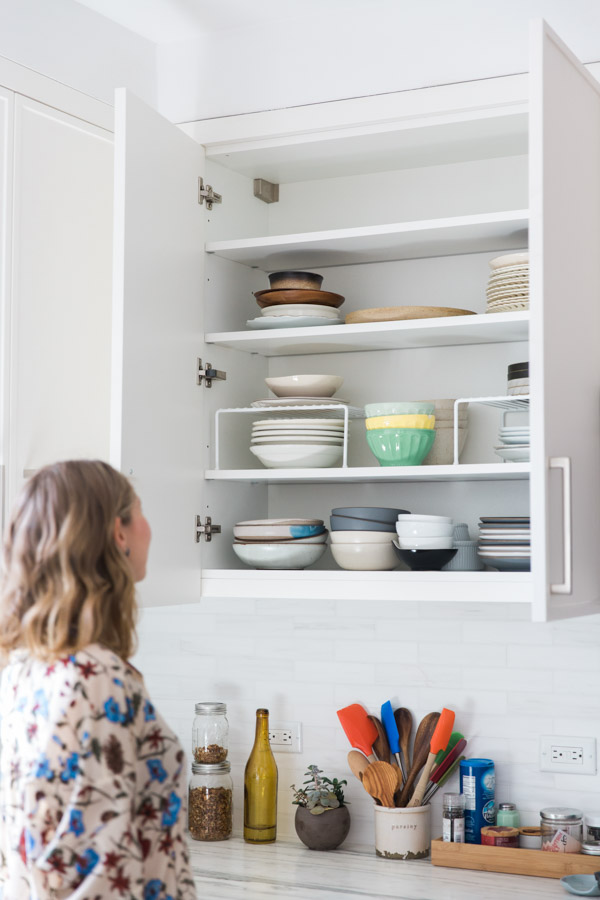
Start with a simple plan. First, empty one cabinet at a time. This helps you see what you own and spot expired items. Next, measure shelves and note awkward spaces so you can buy the right organizers.
- Take inventory of dishes, pans, and gadgets.
- Measure width, depth, and shelf height.
- Set goals: fewer items, easier reach, or display favorites.
From my experience, measuring first saved me from buying too-large organizers. It also made reassembly fast and neat.
:max_bytes(150000):strip_icc()/organize-your-kitchen-cabinets-2648622-04-6931115e04784603b782c69ec181d6ec.jpg)
Declutter: the foundation of good storage
Decluttering makes organizing possible. Toss expired food, cracked dishes, and single-use items you never use. Donate duplicates and specialty tools that gather dust.
- Keep only what you use weekly or monthly.
- Group items by function when you purge.
- Set aside a donate box and a trash box to speed decision-making.
I once kept three citrus zesters for years. Removing extras freed shelf space and made the remaining tools easy to find.
Zone your cabinets for flow and efficiency
Think in zones instead of random stacks. Arrange cabinets by task so items live near where you use them. This is key when you learn how to organize kitchen cabinets.
- Cooking zone: pots, pans, spatulas near the range.
- Prep zone: knives, cutting boards, bowls near the counter.
- Baking zone: mixing bowls, measuring cups, pans in one area.
- Cleaning zone: trash bags, sponges, dishwasher supplies under the sink.
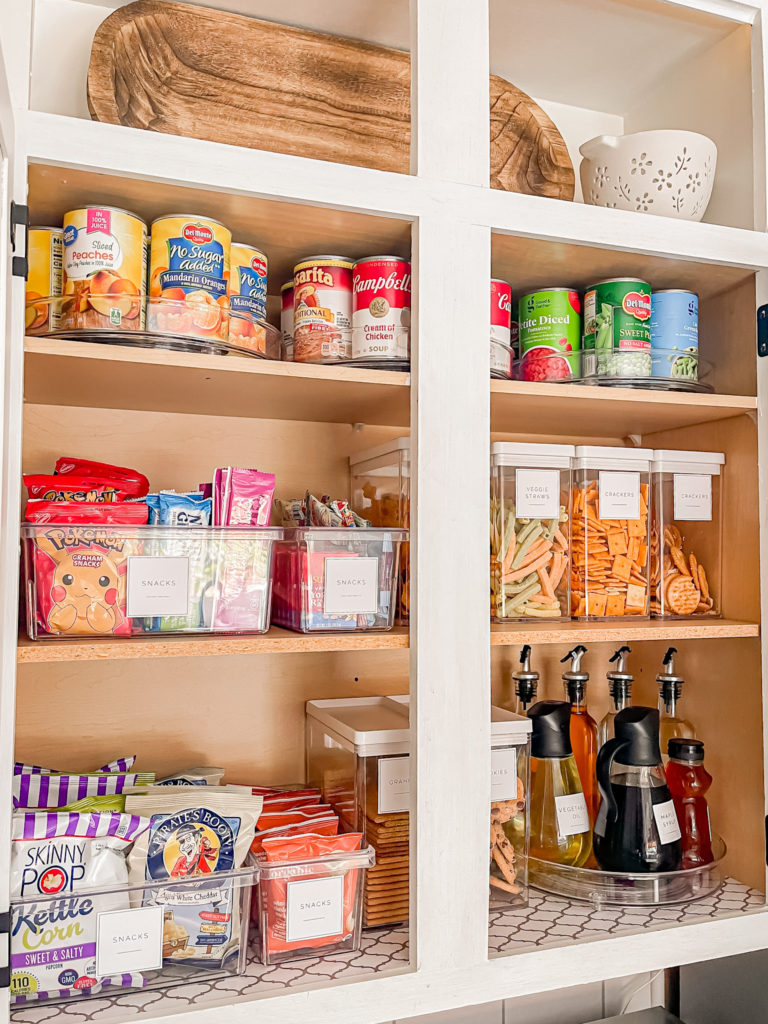
- Pantry zone: dry goods, snacks, and cereals grouped together.
This approach cuts steps when cooking. It also helps family members put things back in the right place.
Storage solutions and organizers that work
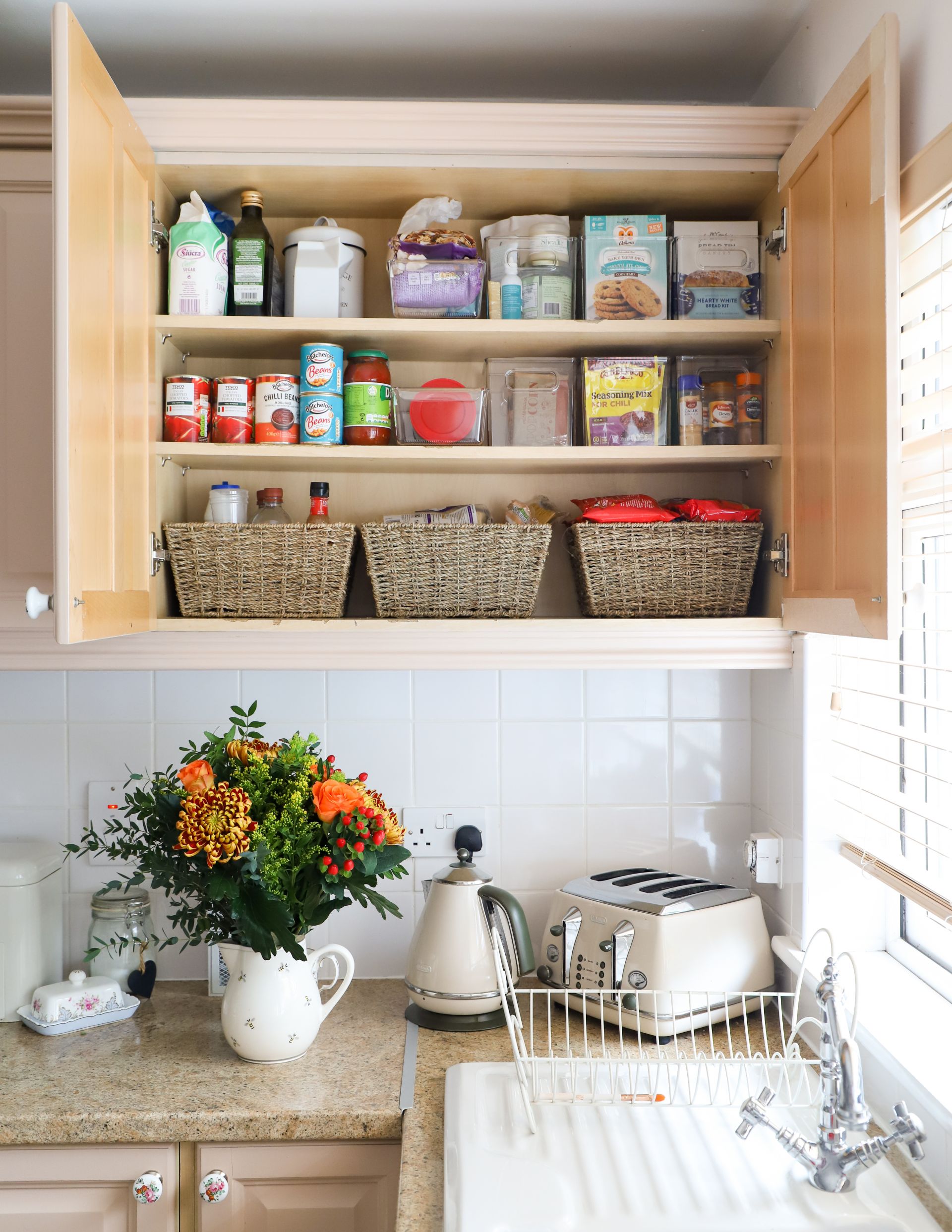
Choose organizers that match your needs and your cabinet size. Good hardware makes the best cabinets usable.
- Shelf risers: Double vertical space for plates or mugs.
- Pull-out shelves: Make deep cabinets easy to access.
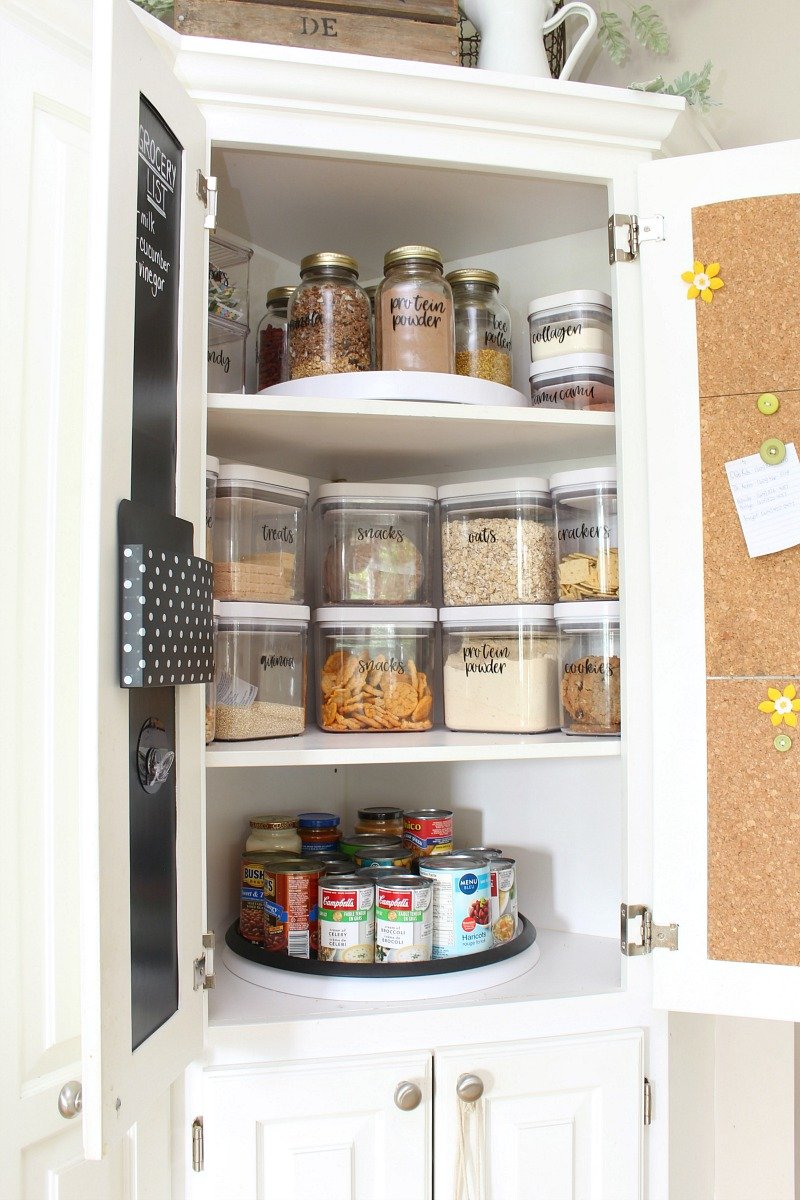
- Lazy Susans: Great for corner cabinets and condiments.
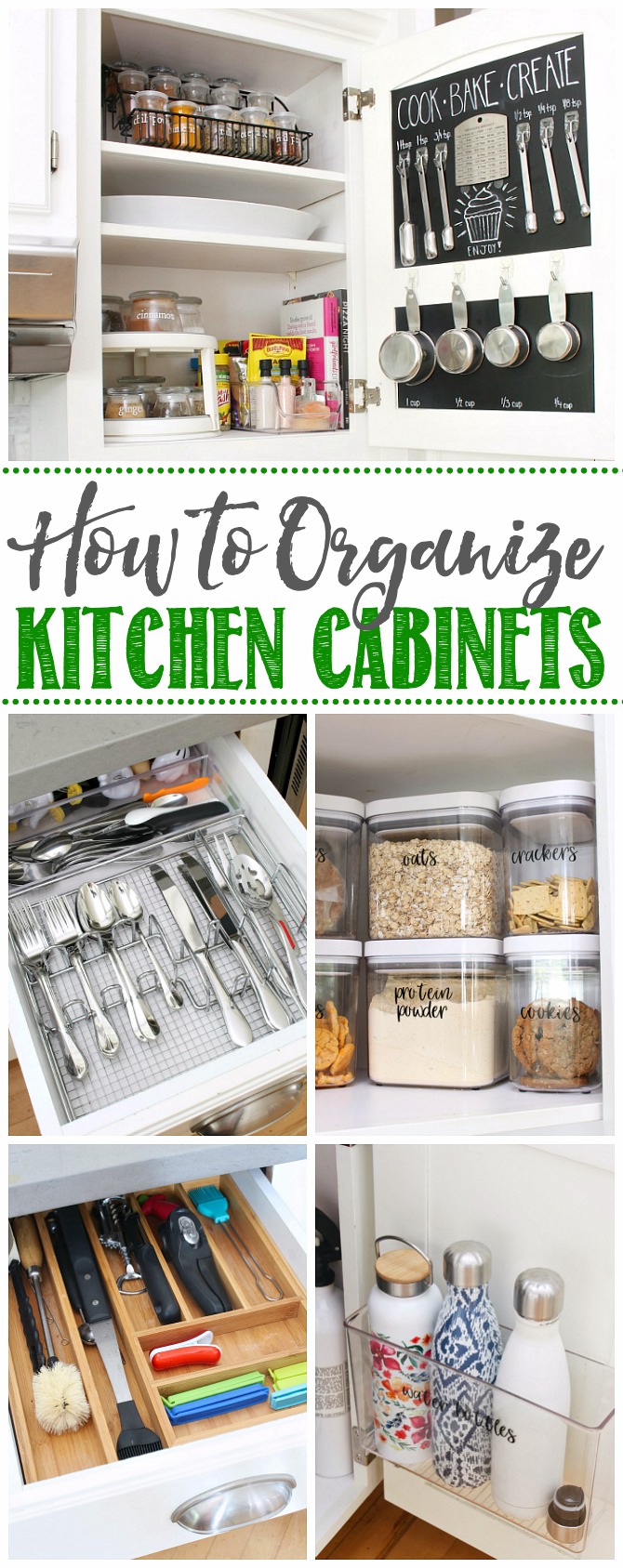
- Door racks: Use the inside of doors for lids or seasonings.
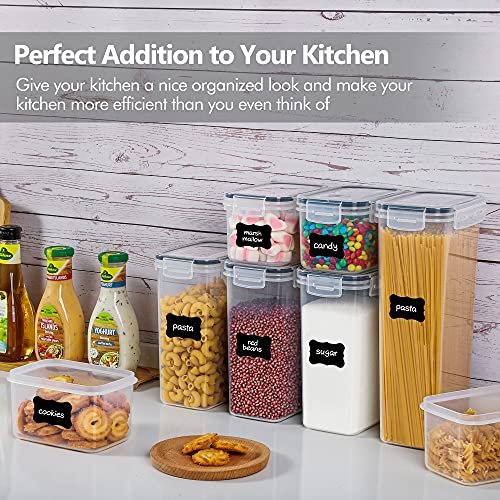
- Clear bins and stackable containers: Keep cans and snacks tidy.
- Pot lid organizers and pan dividers: Reduce stacking stress.
- Spice racks: Small racks or drawer inserts keep labels visible.
I recommend simple, sturdy items over trendy gadgets. I once bought an elaborate rack that never fit properly and cost more than the value it added.
How to organize common items
Target each type of item with a clear rule. This makes it easier to keep order.
- Plates and bowls: Stack by size on a lower shelf near the dishwasher.
- Glasses and mugs: Store glasses above the dishwasher for safe unloading; hang mugs on hooks if space allows.
- Pots and pans: Store pans in a pull-out drawer or hang heavy pans on a wall rack.
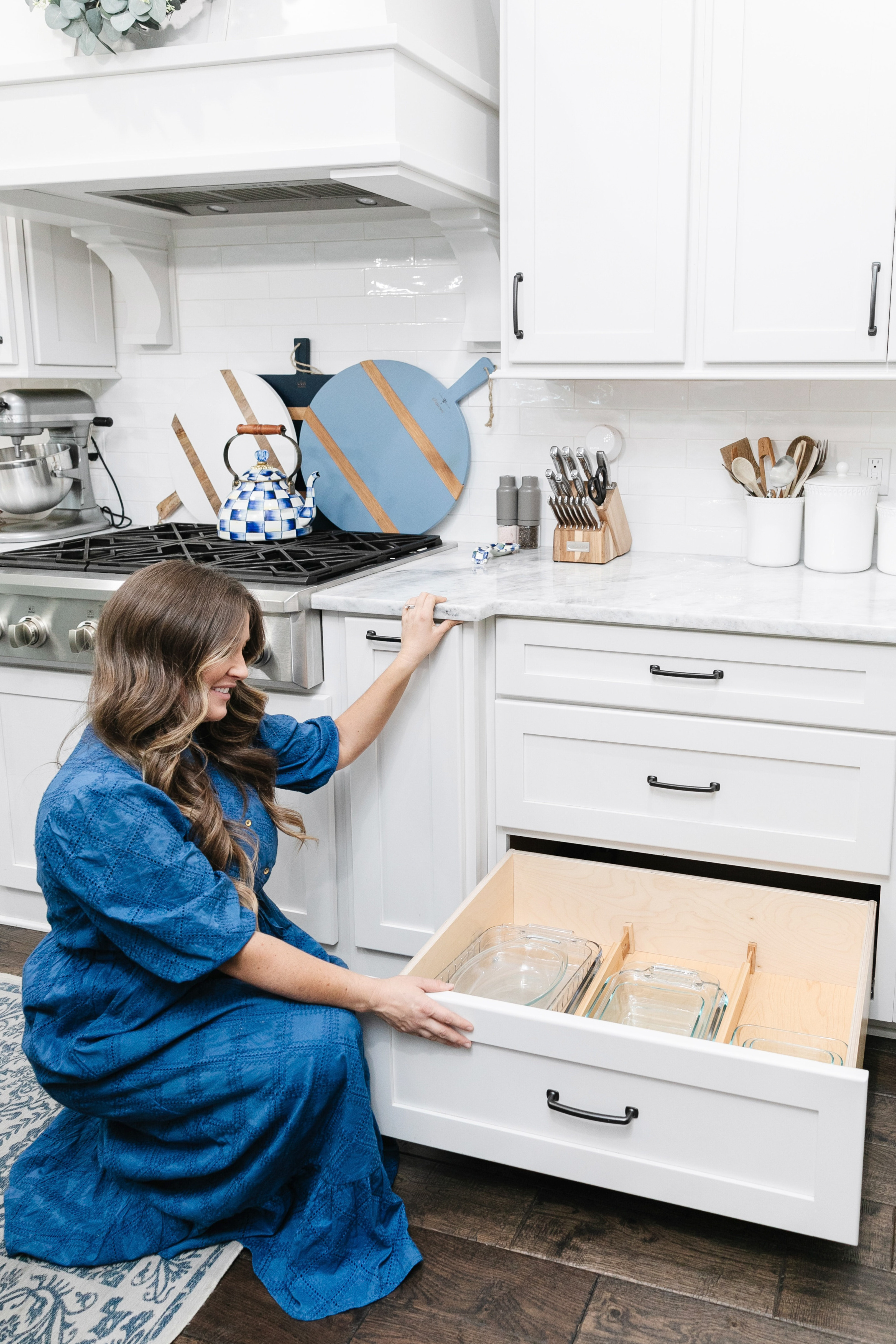
- Food storage containers: Nest lids separately in a shallow bin; stack containers by size.
- Baking sheets: Store vertically in a tall, narrow rack for easy removal.
- Spices: Alphabetize or group by cuisine on a shallow shelf or drawer insert.
- Small appliances: Keep only frequently used items in cabinets; store the rest in the pantry or a labeled bin.
A simple rule I use: if I haven’t used it in six months, it goes to donation or storage elsewhere.

Cleaning and cabinet maintenance
A quick routine keeps cabinets usable. Clean shelves every three months. Wipe spills immediately to avoid stains and pests.
- Monthly: Quick tidy and group checks.
- Quarterly: Remove contents, wipe shelves, check for damage.
- Yearly: Re-evaluate what you keep and adjust zones as needs change.
I once ignored a slow leak under the sink. A quarterly check found it before it ruined the cabinet floor.

Tips for small kitchens and renters
Limited space calls for clever ideas. You can learn how to organize kitchen cabinets well even with tiny footprints.
- Use vertical space with stackable shelves and hooks.
- Tension rods can hold lids or create dividers without hardware.
- Over-the-door shoe organizers work for snacks or cleaning supplies.
- Magnetic strips on the door or wall hold knives and metal tools.
- Choose portable organizers you can take when you move.
I helped a renter organize a tiny kitchen using only removable hooks and bins. The renter kept the system when they moved.
Common mistakes to avoid
Avoid errors that undo good organizing work. These mistakes are easy to fix.
- Buying organizers before measuring. This wastes money and time.
- Creating zones by item, not by use. Items should live where you use them.
- Overfilling cabinets. If a drawer is too full, people stop using it properly.
- Ignoring rounded lids and odd shapes. Use bins or vertical dividers for these.
When I first started organizing, I overfilled a cabinet. It became harder to use, not easier. Less is often more.
Long-term habits to keep cabinets organized
Small habits beat big cleanouts. Keep a simple rhythm to maintain order.
- Put things back in their zone after use.
- Run a 10-minute tidy once a week.
- Reassess seasonal items twice a year.
- Label bins so everyone knows where things belong.
These habits keep your system alive. They also make future reorganizing much easier.
Frequently Asked Questions of how to organize kitchen cabinets
How do I start organizing a messy cabinet?
Empty the cabinet and sort items into keep, donate, and toss piles. Measure the space and plan a layout before returning items.
What are the best organizers for deep cabinets?
Pull-out shelves or sliding baskets work best for deep cabinets. They let you access items without reaching or stacking.
How do I store lids and baking sheets?
Store lids vertically in a narrow bin or use a lid organizer. Store baking sheets vertically in a tall divider to remove them easily.
How can I organize dishes in a small cabinet?
Use shelf risers to create two levels and stack plates by size. Keep frequently used items on the lower, easier-to-reach shelf.
How often should I declutter kitchen cabinets?
Do a quick check monthly and a full declutter every three to six months. Regular checks prevent buildup and expired food.
Can renters organize cabinets without drilling?
Yes. Use adhesive hooks, tension rods, and over-the-door organizers that don’t require drilling. Choose portable bins for flexibility.
Conclusion
Learning how to organize kitchen cabinets saves time, reduces waste, and makes the kitchen feel calm. Start small, measure well, and pick one zone to fix this weekend. Make it a habit: a short weekly tidy keeps the work light and the results lasting. Try one tip from this guide and see how quickly your kitchen routine improves—then share your progress or questions below.