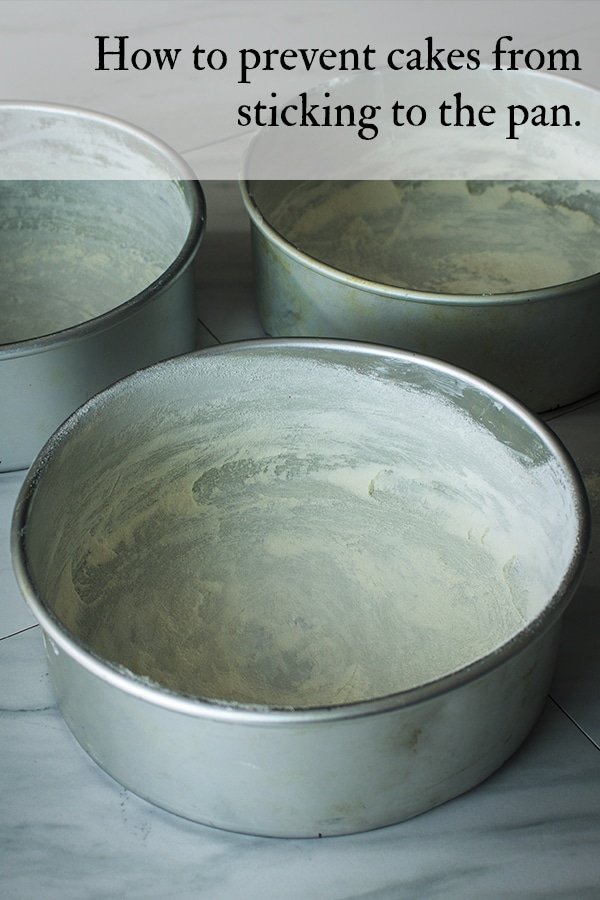
Use proper pan prep, parchment, grease, and cool time to prevent cakes from sticking.
I have baked dozens of cakes and taught home bakers how to prevent cakes from sticking. This guide covers step-by-step methods, science-backed tips, and real mistakes I made so you can bake with confidence. Read on to learn simple, proven ways to stop cake sticking and get clean cake releases every time.
Common reasons cakes stick to pans
Cakes stick for a few clear reasons. The pan surface can be uneven, old, or not prepped. Batter may be too wet or underbaked, and cooling can be rushed. Knowing these causes helps you prevent sticking before it happens.
Common causes include:
- Dirty or rusty pans that catch batter.
- Not greasing or using parchment.
- Overbaking or underbaking the cake.
- Removing too soon or turning the pan upside down when hot.
From my experience, the most common mistake is skipping parchment for round pans. I learned the hard way that a small prep step saves hours of clean up. Use the simple fixes below to avoid that frustration.
How to prep pans to prevent cakes from sticking
Good pan prep is the best defense. A few minutes of prep makes unmolding easy and keeps cakes whole.
Steps to prep a pan:
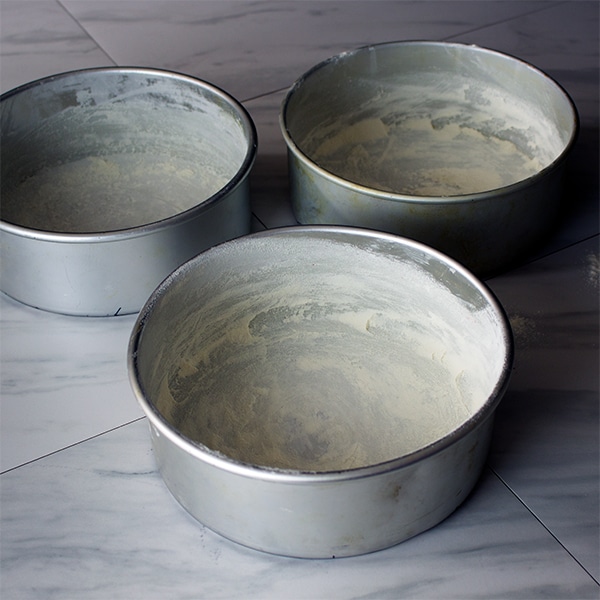
- Clean and dry the pan well before use.
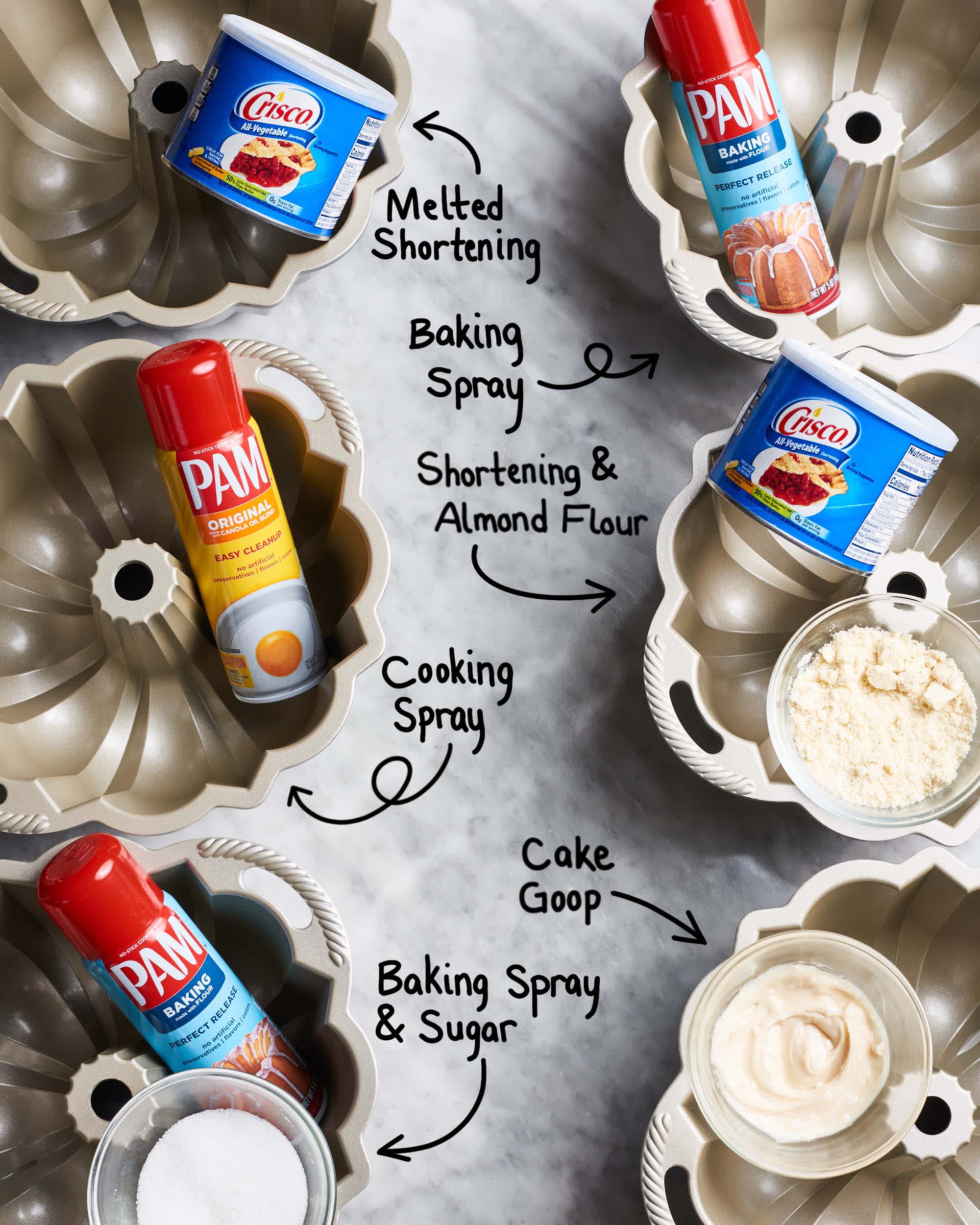
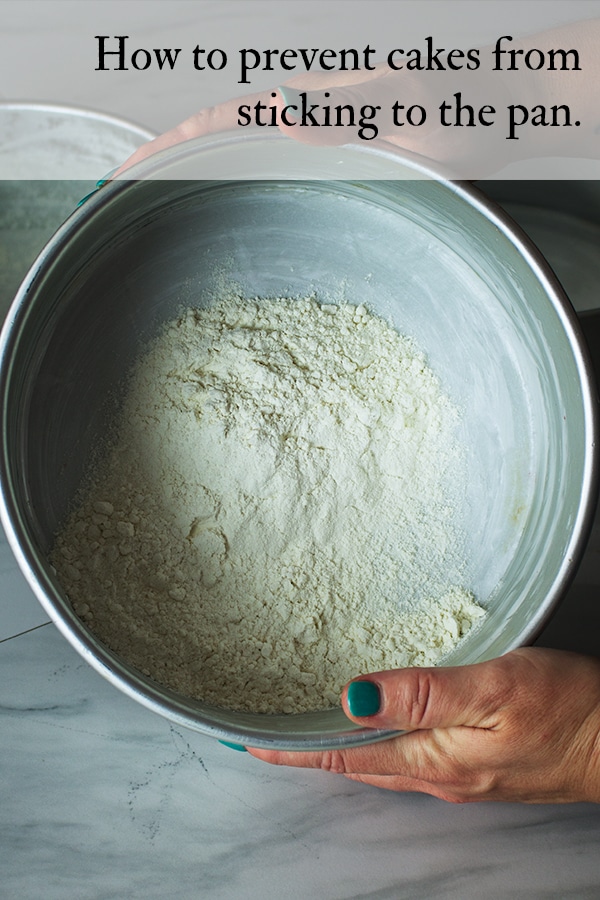
- Lightly grease the pan with butter or oil, then dust with flour or cocoa powder for dark cakes.
- Cut a sheet of parchment to fit the bottom. For round pans, trace the pan on parchment and cut the circle.
- For springform pans, line the base and clip the ring snugly so batter can’t leak under.
Tip from my kitchen: I always cut parchment the night before. It saves time and prevents last-minute mistakes. Proper prep solves most sticking issues before baking even begins.
Baking techniques that help cakes release cleanly
The way you bake affects release as much as pan prep. Oven temp, batter texture, and timing matter.
Best baking techniques:
- Preheat the oven fully to the recipe temperature before placing the cake in.
- Use the right pan size so batter depth is correct and bakes evenly.
- Avoid overmixing. Overworked batter can grab the pan surface.
- Use an oven thermometer if your oven runs hot or cold.
I once baked a layer cake that stuck because the temp was 25 degrees too high. The edges set first and gripped the pan. A quick oven check and correct temp fixed that problem for future bakes.
Cooling and unmolding: when to release your cake
Cooling time is a key step many skip. Cooling changes the cake structure and helps it let go from the pan.
Cooling and unmolding tips:
- Let the cake cool in the pan on a rack for 10 to 20 minutes, depending on size.
- Run a small, thin knife around the pan edge to loosen stuck sides before flipping.
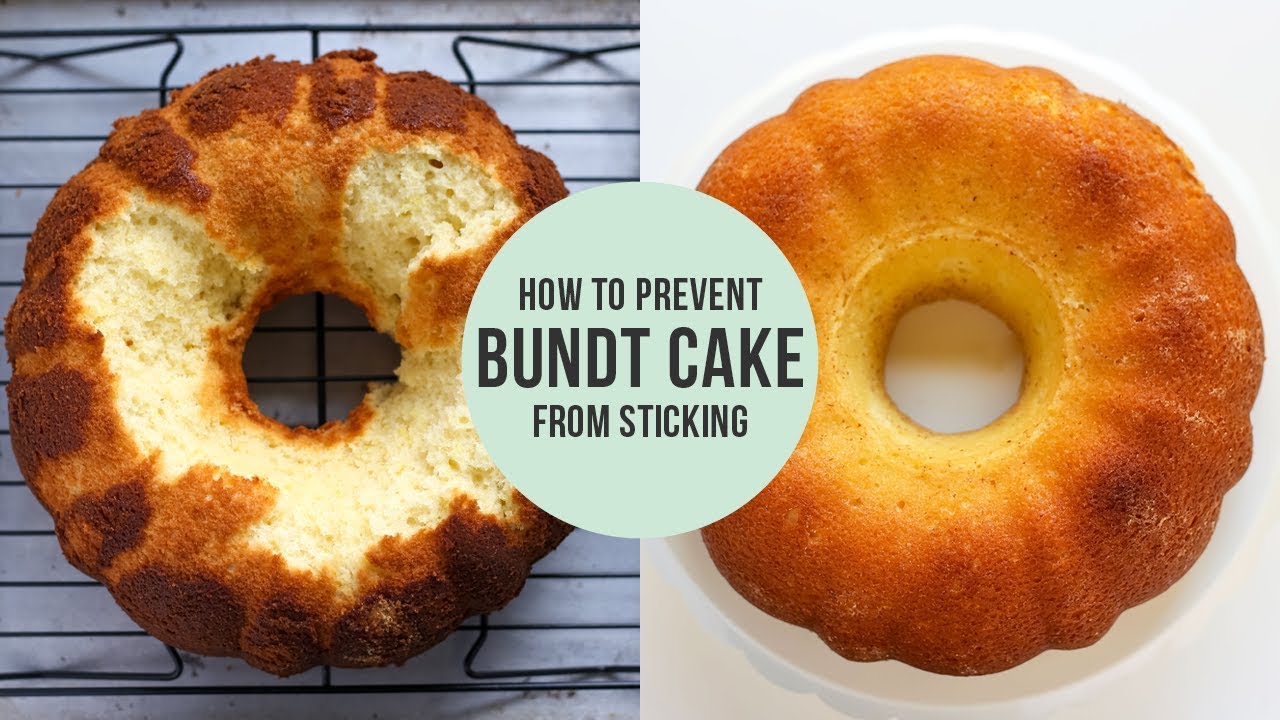
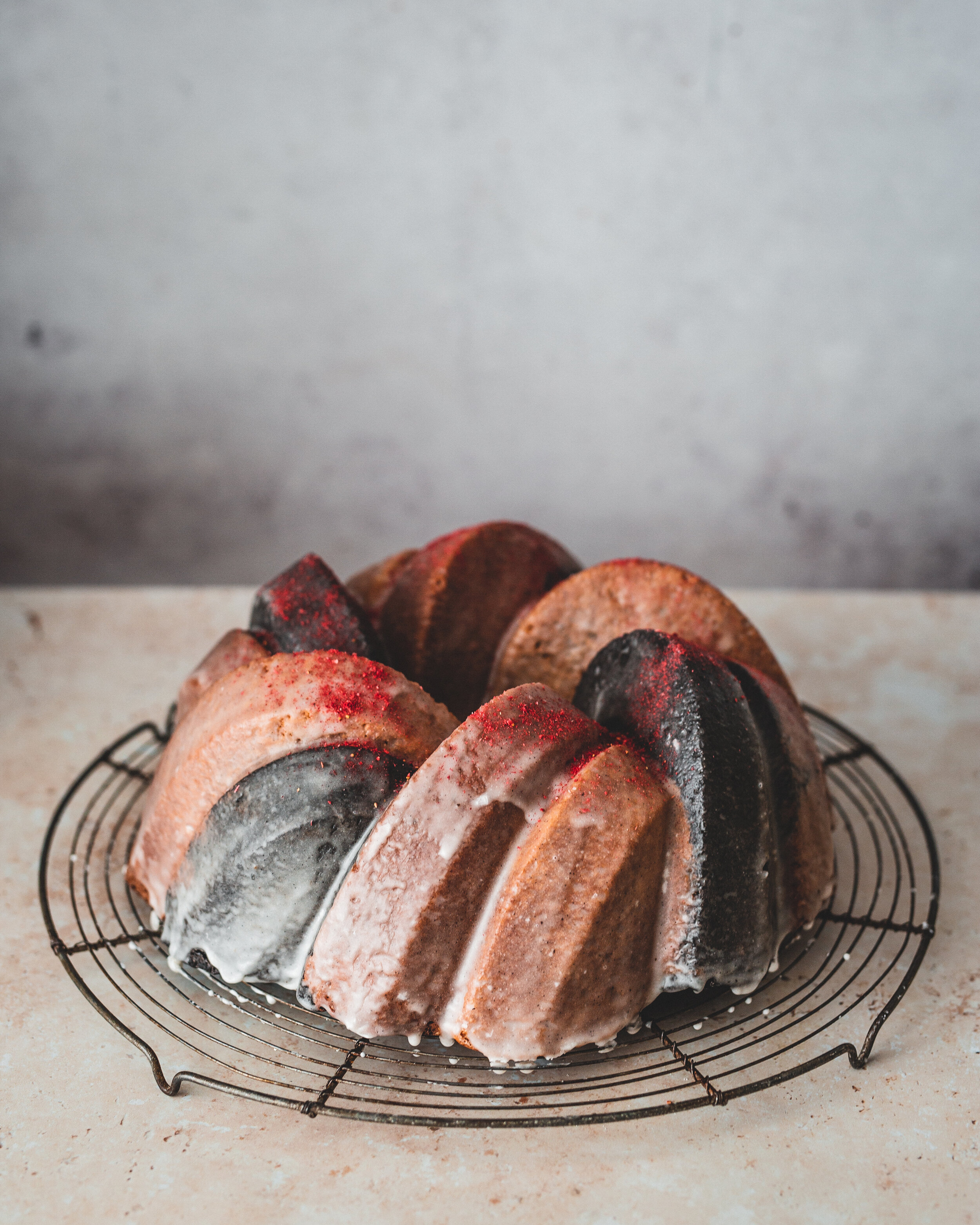
- For bundt or loaf cakes, invert onto a rack only after the cake has cooled for the recommended time.
- If a cake still clings, warm the pan slightly with a hot cloth to loosen oils.
My rule: wait. I used to flip too fast and lost cake sides. Patience gives cleaner edges and a nicer cake.
Troubleshooting common sticking problems and quick fixes
Even with care, cakes may stick sometimes. Use these fixes to rescue your bake and avoid repeats.
Rescue and prevention tips:
- If the cake sticks to the bottom, slide a thin spatula under the parchment to ease it out.
- For broken cakes, use a serrated knife to trim rough edges and fill with frosting.
- If your pan is old, try a new nonstick or line with heavy parchment.
- Adjust recipes that are too wet by reducing liquid slightly or adding more flour.
I once used a cheap pan that made a perfect cake into a scrub job. Replacing the pan changed my results instantly. Investing in good pans pays off in release and flavor.
Frequently Asked Questions of how to prevent cakes from sticking
Why does my cake stick even when I grease the pan?
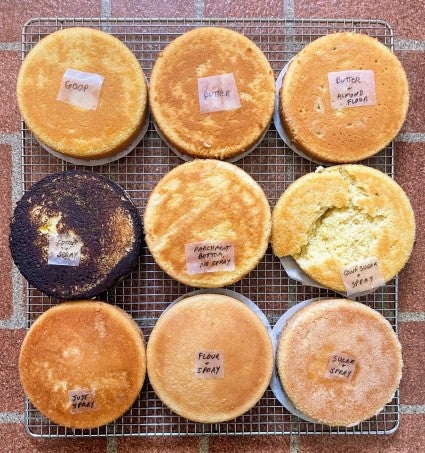
Greasing helps, but grease alone can fail on older pans or with delicate cakes. Use grease plus parchment or flour for a reliable release.
Can I use cooking spray to prevent sticking?
Cooking spray works in a pinch for quick bakes. For best results, spray and then dust with flour or use parchment for delicate cakes.
How long should a cake cool before I remove it from the pan?
Most cakes need 10 to 20 minutes in the pan to set. Larger or denser cakes may need up to 30 minutes before unmolding.
Is parchment necessary for all cakes?
Parchment is best for most layer and shaped cakes. It is optional for well-greased loaf pans but adds security for perfect release.
What do I do if the cake cracks and sticks during cooling?
Trim the stuck parts cleanly and use frosting to hide seams. Check oven temp and batter consistency to prevent repeat issues.
Can pan type affect sticking?
Yes. Light tin pans distribute heat well and often release better. Dark nonstick pans can overheat and may need parchment or flour.
How to prevent cakes from sticking when baking gluten-free?
Gluten-free cakes can be crumbly and sticky. Use parchment and allow full cooling before unmolding to prevent breakage.
Conclusion
You can stop worrying about stuck cakes with a few steady habits. Prep pans, control temperature, wait for proper cooling, and use parchment when needed. Try one change at a time and note results to build reliable methods that work for your recipes. Start with proper pan prep on your next bake and see how much easier unmolding becomes. Share your results, subscribe for more tips, or leave a comment about your favorite nonstick trick.