Create clear zones, reliable tools, and smart storage for easy daily cooking.
I’ve spent years designing and using kitchens that work. This guide on How to set up a functional kitchen for everyday cooking breaks the process into clear steps. You’ll get proven layouts, essential gear, storage tactics, and real-life tips I learned from cooking for family and friends. Read on to build a kitchen that saves time, lowers stress, and makes daily meals a joy.
Plan your layout around habit and flow
Good kitchens start with good plans. Think of how you move when you cook. Place the fridge, sink, and stove in a triangle for quick trips between tasks. This is the core of How to set up a functional kitchen for everyday cooking.
Measure your space before buying. Sketch simple zones: prep, cook, clean, and store. Put daily-use items near where you use them. I once kept spice jars across the room; moving them near the stove cut my prep time in half.
Choose essential appliances and tools
Buy fewer, better items. Focus on reliable basics that match your cooking style. This is central to How to set up a functional kitchen for everyday cooking.
Must-haves:
- Refrigerator with good door storage and clear shelves for easy access.
- Range or cooktop and oven that suit your meal types.
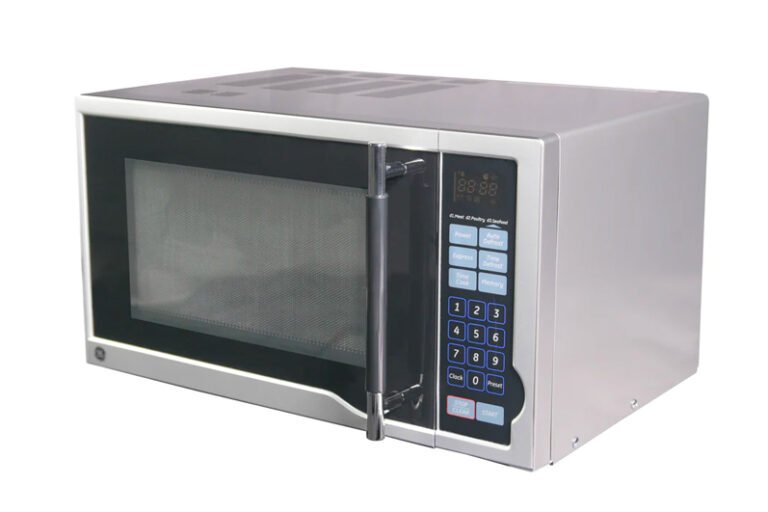
- Microwave or toaster oven for quick tasks.
- Blender or food processor for sauces and smoothies.
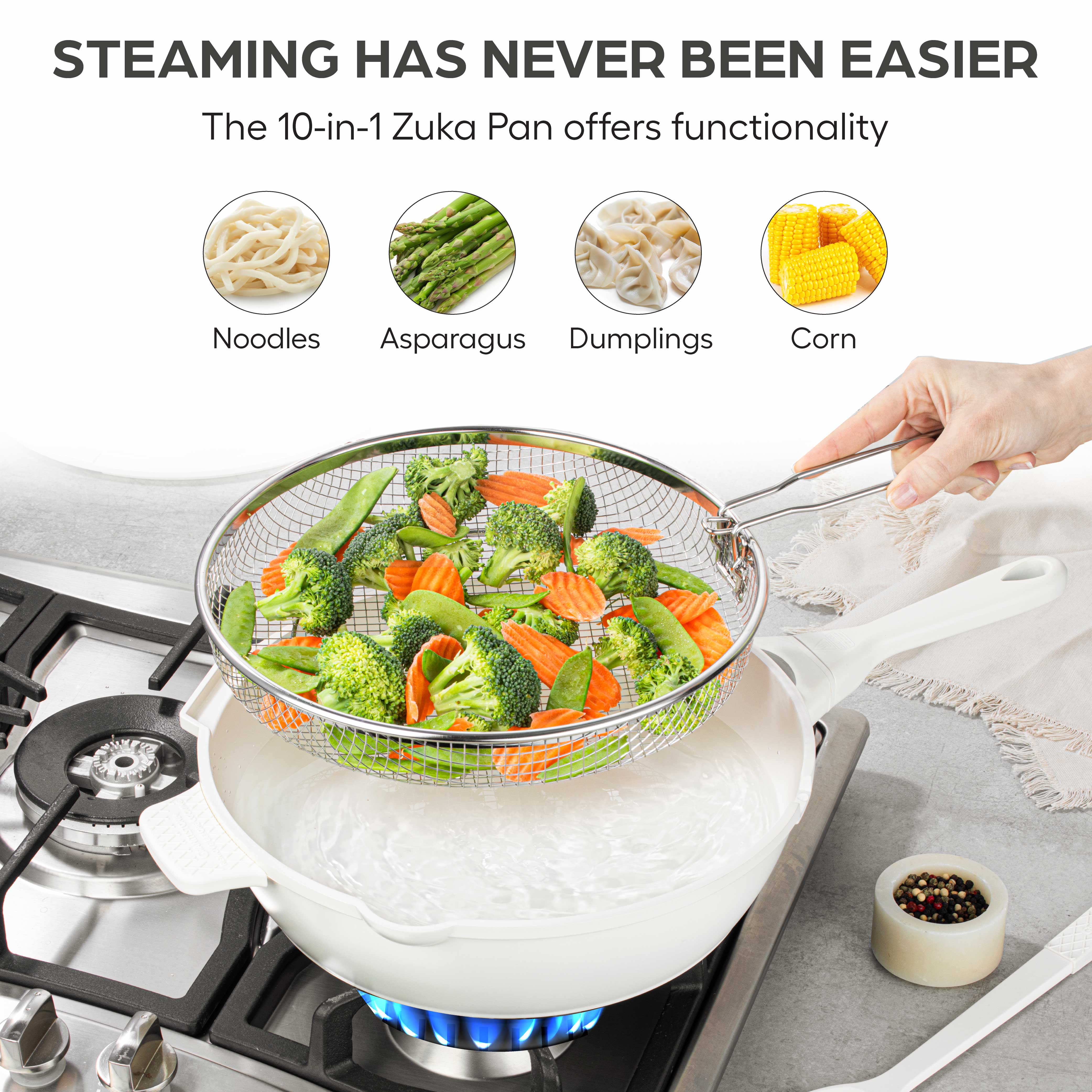
- Sharp chef’s knife, paring knife, cutting board, and quality pans.
I prefer a mid-size oven and a heavy skillet. They cover most meals. Spend more on a sharp chef’s knife; it changes how fast you work.
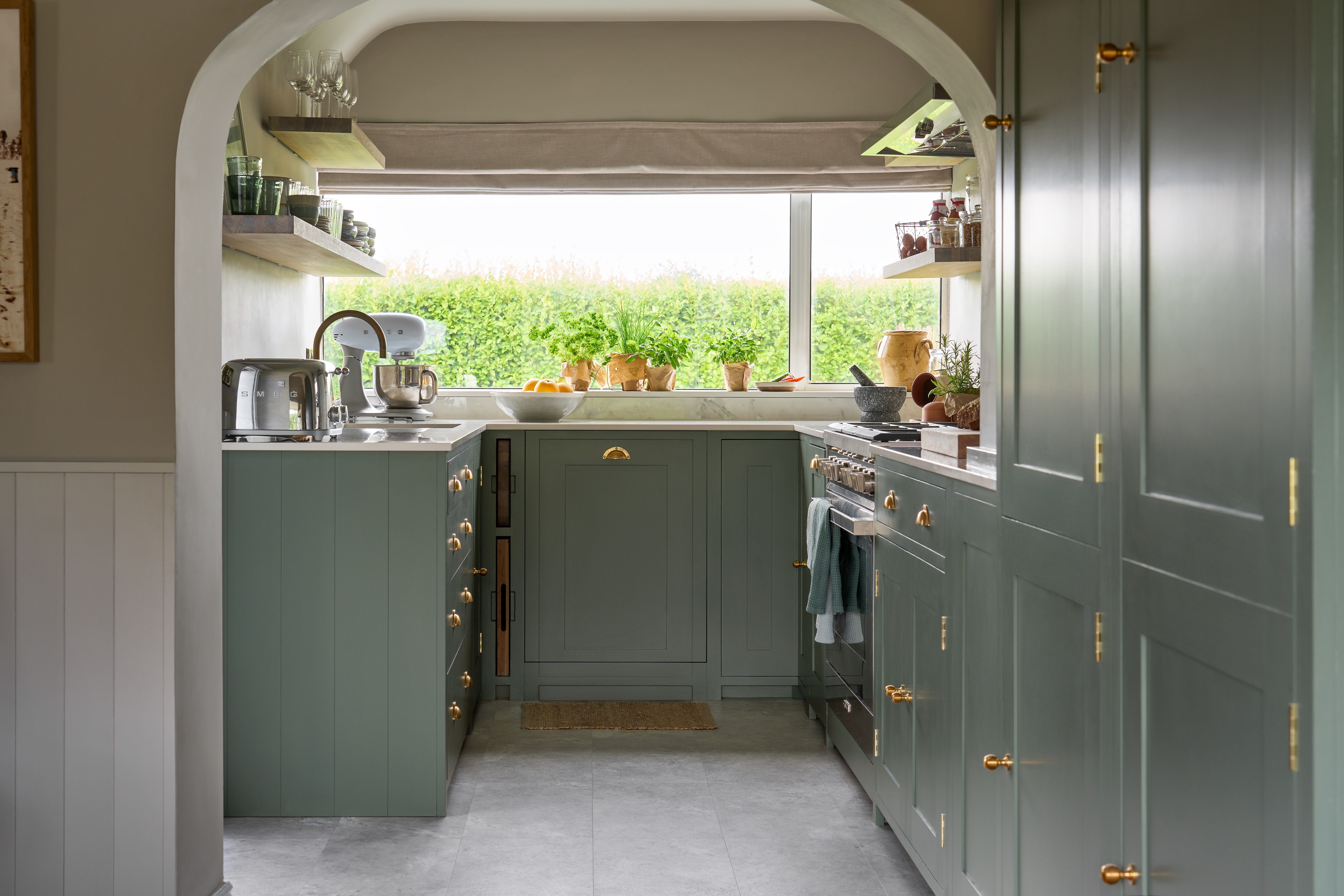
Smart storage and organization strategies
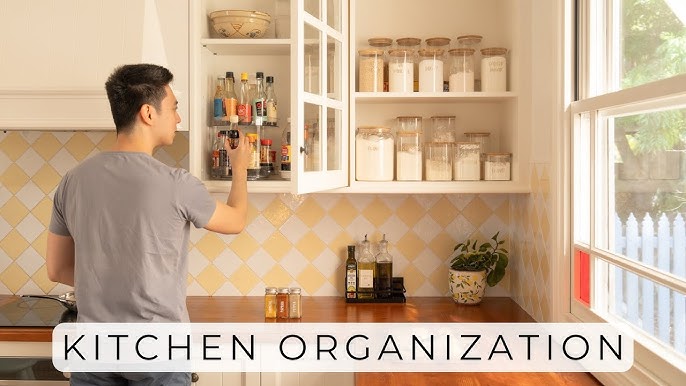
Storage wins or loses a kitchen’s usefulness. Use vertical space and clear containers. Organizing this way is a key part of How to set up a functional kitchen for everyday cooking.
Tips that work:
- Store everyday dishes and cups at shoulder height for quick reach.
- Use pull-out drawers in lower cabinets to avoid crawling on knees.
- Use clear bins for pantry items so you can see what’s left.
- Hang pots on a rack or use a deep drawer for heavy cookware.
Label shelves and rotate ingredients. I keep staples in glass jars on an open shelf. It looks tidy and tells me when to buy more.
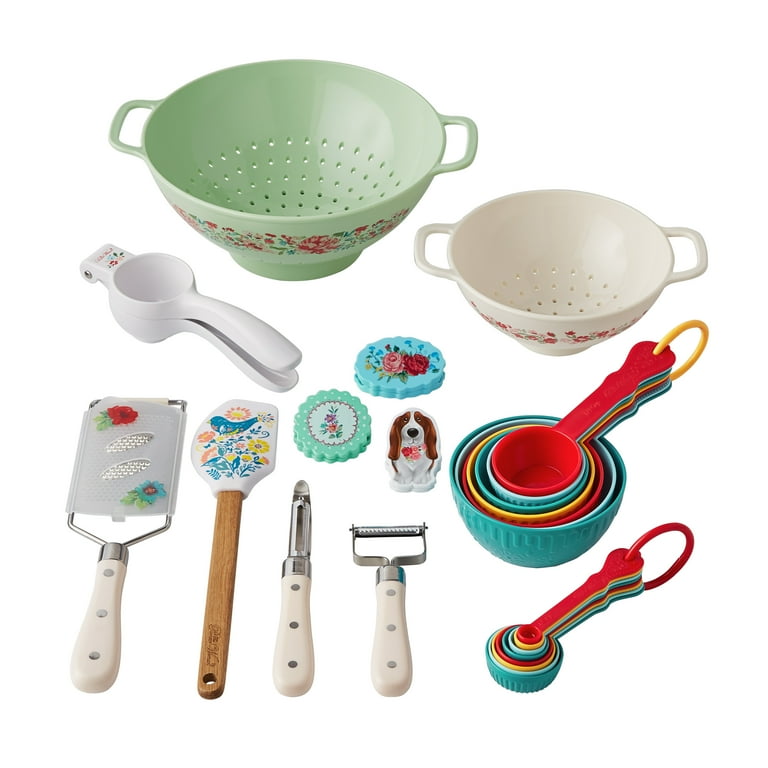
Create effective work zones and workflow
Design zones based on tasks, not just furniture. A prep zone near the sink and fridge saves steps. This approach defines How to set up a functional kitchen for everyday cooking.
Zone ideas:
- Prep zone: cutting board, knives, mixing bowls, trash or compost nearby.
- Cooking zone: stove, frequently used pans, nearby spices.
- Cleanup zone: sink, dishwasher, drying rack, trash bin.
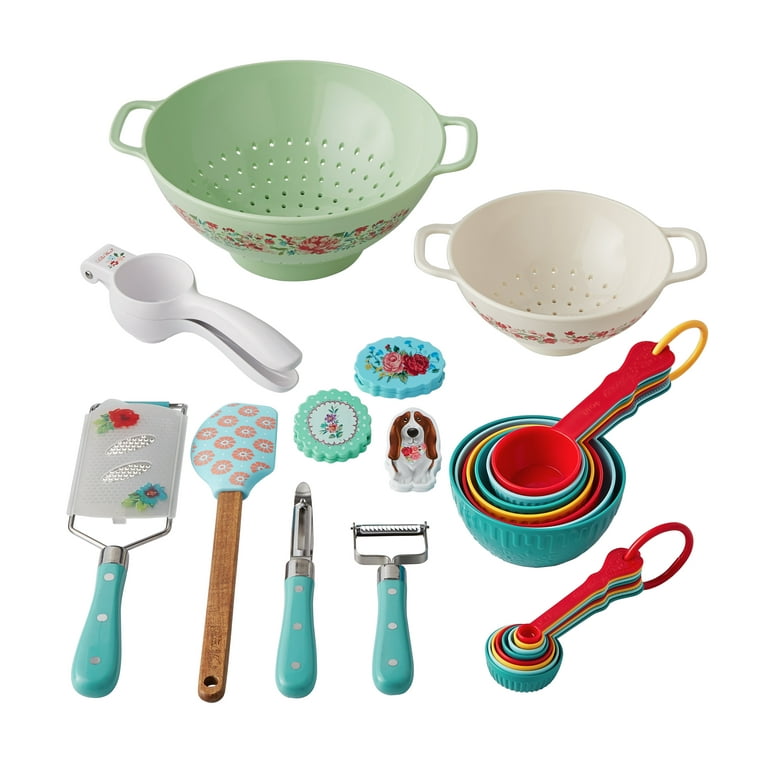
- Baking zone: mixer, measuring cups, baking sheets stored together.
Map your moves for a typical meal. I set my coffee station away from heavy prep so two people can work without bumping into each other. It keeps mornings calm.

Lighting, ventilation, and safety essentials
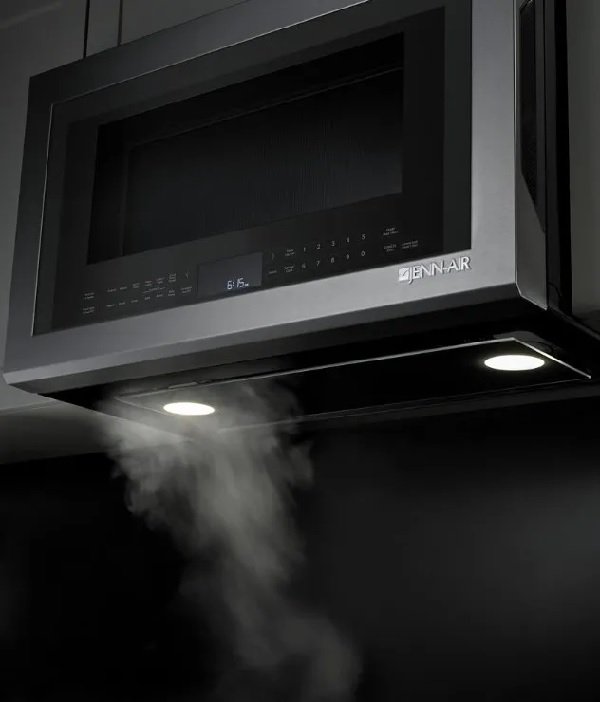
Good light and fresh air keep cooking pleasant and safe. Install task lighting over prep areas and the stove. Ventilation reduces smoke and odors, which is part of How to set up a functional kitchen for everyday cooking.
Safety checklist:
- Bright overhead light and under-cabinet lights for counters.
- Range hood that vents outside or a strong recirculating unit.
- Fire extinguisher in an accessible spot and a smoke detector nearby.
- Slip-proof mats near sink and stove.
I once had poor ventilation and the smoke alarm went off every time I seared meat. Upgrading the hood made the kitchen usable again.
Easy cleaning and maintenance routines
A kitchen that’s easy to clean will stay functional. Make cleanup predictable and fast. This habit is essential for How to set up a functional kitchen for everyday cooking.
Daily habits:
- Wipe counters after each meal.
- Load the dishwasher or wash dishes right away.
- Sweep crumbs and wipe spills before they bake on.
- Do a quick weekly check of pantry dates.
I keep a small spray bottle of mild cleaner and a microfiber cloth under the sink. It takes 2 minutes to wipe down after cooking. That small habit keeps the space inviting.

Budget-friendly upgrades that matter
You don’t need a designer budget to build a functional kitchen. Small changes can make a big difference. This makes How to set up a functional kitchen for everyday cooking realistic for many households.
Affordable improvements:
- Add under-cabinet lights for better task lighting.
- Replace cabinet pulls for a quick style and function boost.
- Install shelf risers or tension rods inside cabinets for better organization.
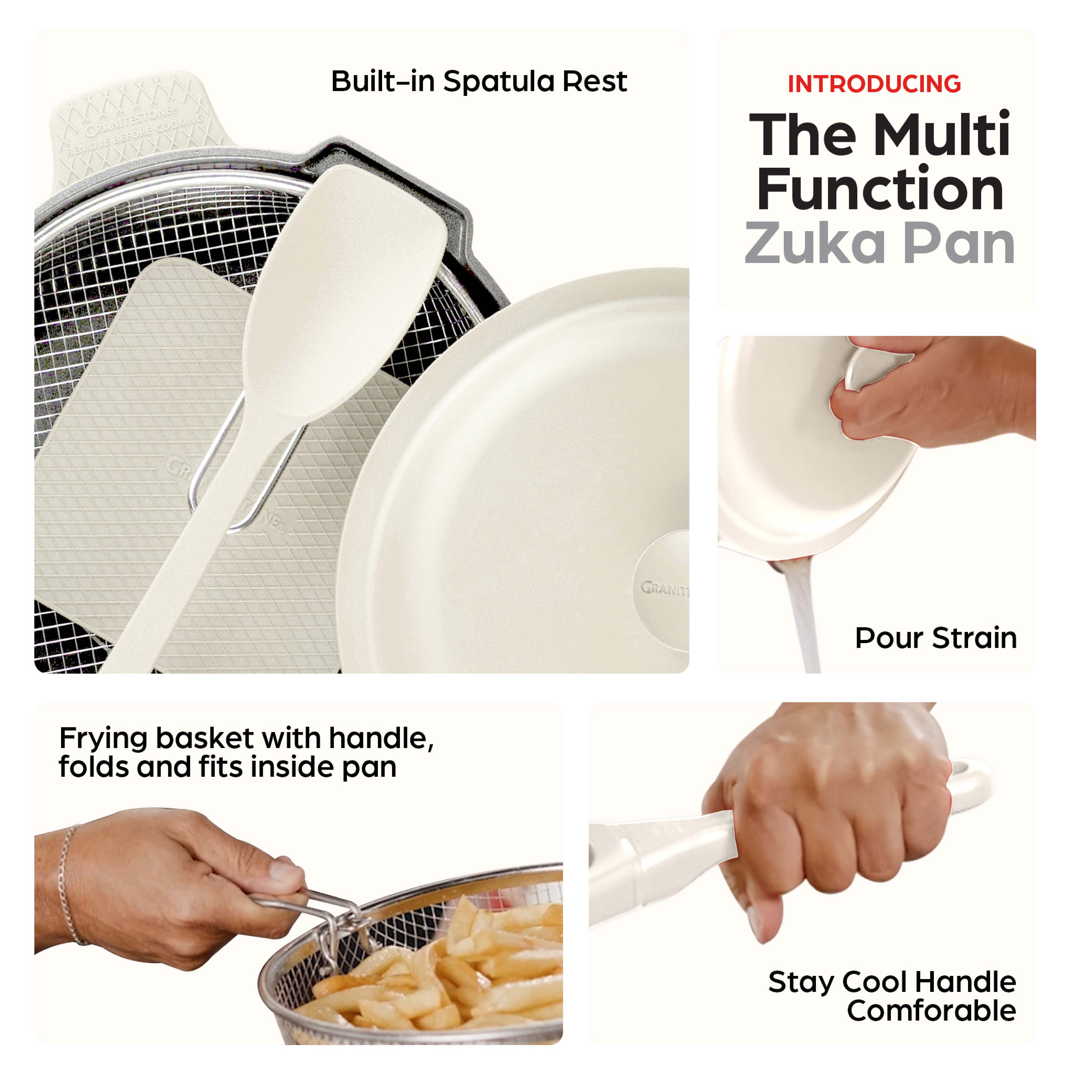
- Buy one high-quality tool at a time, like a good knife or pan.
I replaced one cheap pan with a cast-iron skillet and immediately used it daily. It was one of the best value upgrades I made.
Practical checklist to set up your kitchen today
Follow this step-by-step plan to get your kitchen working fast. Use this as a checklist for How to set up a functional kitchen for everyday cooking.
Step-by-step:
- Measure your kitchen and sketch zones.
- Prioritize daily tools and list what you need.
- Arrange fridge, sink, and stove in an efficient triangle.
- Organize cabinets by frequency of use.
- Add task lighting and check ventilation.
- Create a cleaning routine and place tools for easy reach.
- Test the flow by cooking a simple meal and tweak as needed.
Do one change per weekend. I improved flow by moving the trash can once. It felt small but it mattered a lot.
Frequently Asked Questions of How to set up a functional kitchen for everyday cooking
What are the must-have zones in a functional kitchen?
A functional kitchen should include prep, cook, clean, and storage zones. Place tools and supplies for each zone near where you use them for faster work.
How should I arrange the fridge, sink, and stove?
Arrange them in a triangle within easy reach of each other. This classic layout reduces steps and keeps your workflow smooth.
What basic tools do I need for everyday cooking?
Start with a good chef’s knife, cutting board, skillet, saucepan, measuring tools, and mixing bowls. These cover most daily meals and prep tasks.
How can I make small kitchens more efficient?
Use vertical storage, pull-out drawers, and wall-mounted racks to free counter space. Keep only daily-use items within arm’s reach and store extras higher up.
How often should I clean and organize my pantry?
Do a quick check weekly and a deep sort every 3 months. Rotate items so older food gets used first and discard expired goods.
Conclusion
A functional kitchen is built around flow, essentials, and simple habits. Use clear zones, pick reliable tools, and organize for how you actually cook. Start with one change this week—move a drawer, add a shelf, or set up a prep station—and you’ll feel the difference right away. Try these steps, tweak to fit your needs, and share your wins or questions below to keep improving your daily cooking space.