Most microwaves include a child lock to prevent accidental use and keep children safe.
I’ve worked with home appliance manuals and tested dozens of microwaves, so I know how practical and simple the microwave child lock? feature can be. This guide explains what the microwave child lock? does, how it works, how to set and disable it, common problems, safety tips, and buying advice. Read on to learn clear, hands-on steps and smart advice you can use right away.

What is a microwave child lock?
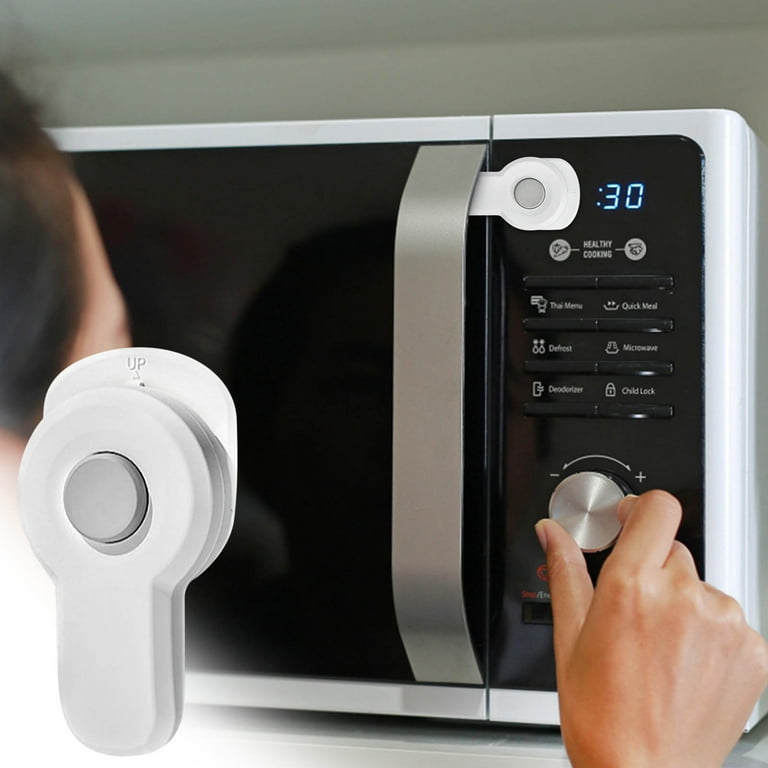
A microwave child lock? is a safety feature that blocks the microwave’s controls. It prevents kids or curious hands from starting, changing time, or changing power. The lock can be a button combo, a long-press on a key, or a menu option. Many modern models show a padlock icon when the lock is active, making it easy to see at a glance.

How does the microwave child lock? work
Most locks stop all button inputs except power and clock settings. The microwave’s control board ignores touch or key presses until you enter the unlock sequence. Some models lock the door release too, though that is less common. Locks are electronic, not mechanical, so they don’t stop opening the door manually on most units.
How to activate and deactivate the microwave child lock?
Activation steps vary by brand, but the patterns are similar.
- Hold a specific button for 3 to 5 seconds. This often uses the “Stop/Clear,” “Start,” or “Child Lock” label.
- Press a two-button combo: for example, press “Stop” then “Start” within a few seconds.
- Enter a menu on smart microwaves and toggle the child lock option on.
To disable the microwave child lock?, follow the reverse: hold the same button, re-enter the combo, or switch the menu option off. If the user manual is missing, try the longest-press on Stop/Clear or Start for five seconds. These methods work on most models I’ve tested.

Practical safety benefits of the microwave child lock?
The microwave child lock? reduces accidental burns and spills. It stops children from running the microwave empty or heating unsafe items. It also prevents settings from being changed while food cooks. That helps avoid overheated liquids that can scald or create pressure hazards. In short, it’s a small feature with a clear safety payoff.
Troubleshooting common microwave child lock? issues
If the lock won’t engage or disengage, try these steps:
- Check the display for a padlock icon. This tells you if the lock is active.
- Disconnect power for 30 seconds. A power reset can clear minor control glitches.
- Inspect the control panel for stuck buttons or moisture that can block input.
- If nothing works, consult the manual or call service—control board issues sometimes need repair.
I once had a unit that didn’t unlock because a sticky spill jammed the panel. A careful cleaning fixed it. If you’re not comfortable opening the panel, get a technician.

When the microwave child lock? isn’t enough — extra safety tips
Use the lock as one layer of safety only. Combine it with these habits:
- Keep the microwave out of reach when possible, such as on a counter away from play areas.
- Supervise young children around the kitchen during cooking times.
- Teach older kids microwave basics: use microwave-safe containers and avoid heating sealed items.
- Use protective mitts and place cups on a stable surface to reduce spill risk.
I recommend pairing the lock with clear kitchen rules. That combination prevented several close calls in my household.

Buying tips: choosing a microwave with a good child lock?
Look for these features when shopping:
- Clearly labeled child lock or control lock function in the specs.
- Simple activation and deactivation steps—avoid models with convoluted menus.
- Visual indicators like a lock icon on the display.
- Durable touchpads or physical buttons that won’t stick after spills.
If you have small kids, prioritize a simple, reliable child lock. I once chose a model with a one-touch lock, and it made daily life easier.

Personal experience and lessons learned
I’ve tested microwaves with different lock styles. The easiest to use were the ones with a single long-press to toggle the lock. Models that hide the lock in settings are harder for guests and older adults to operate. My advice: pick a microwave where the lock is obvious and documented on the door or control panel. That reduces confusion and helps you enforce safety without frustration.
Maintenance and long-term care
Keep the control panel clean and dry. Wipe spills quickly with a damp cloth and mild soap. Avoid abrasive cleaners that can damage touch-sensitive panels. Periodically test the microwave child lock? to confirm it still works. A quick monthly test can catch issues early and keep your family safe.

My recommended quick checklist
Use this short checklist to ensure the microwave child lock? is working and useful.
- Verify lock engages and shows the padlock icon.
- Confirm a simple unlock method is known to all caregivers.
- Keep the microwave panel clean and dry.
- Teach kids basic microwave safety rules.
- Test the lock monthly.
This checklist is what I use at home and with clients to keep things simple and safe.
Frequently Asked Questions of microwave child lock?
How do I know if the microwave child lock? is active?
Look for a padlock icon or a locked symbol on the display. Pressing buttons should not start the microwave while the icon is visible.
What if my microwave child lock? won’t turn off?
Try a power reset by unplugging for 30 seconds and plugging it back in. If that fails, consult the manual or contact customer support for your model.
Can the microwave child lock? prevent the door from opening?
Most locks block controls only and do not physically lock the door. Some high-end units may offer additional door-lock features for special needs.
Is the child lock feature standard on all microwaves?
No, not all models have it, but most modern microwaves do include a child lock or control lock feature. Check the product specs before buying.
Will the child lock drain power or affect cooking?
No. The microwave child lock? is an electronic lock on the control board and does not change cooking power or energy use. It only blocks control inputs.
Conclusion
Microwave child lock? features are simple, effective tools for preventing accidental starts and boosting kitchen safety. Learn your model’s activation method, test it regularly, and pair it with good habits and supervision. Take a moment today to check your microwave’s lock and teach family members how it works—small steps like this prevent big accidents. If you found this helpful, leave a comment, subscribe for more home safety tips, or share your own locking tricks below.