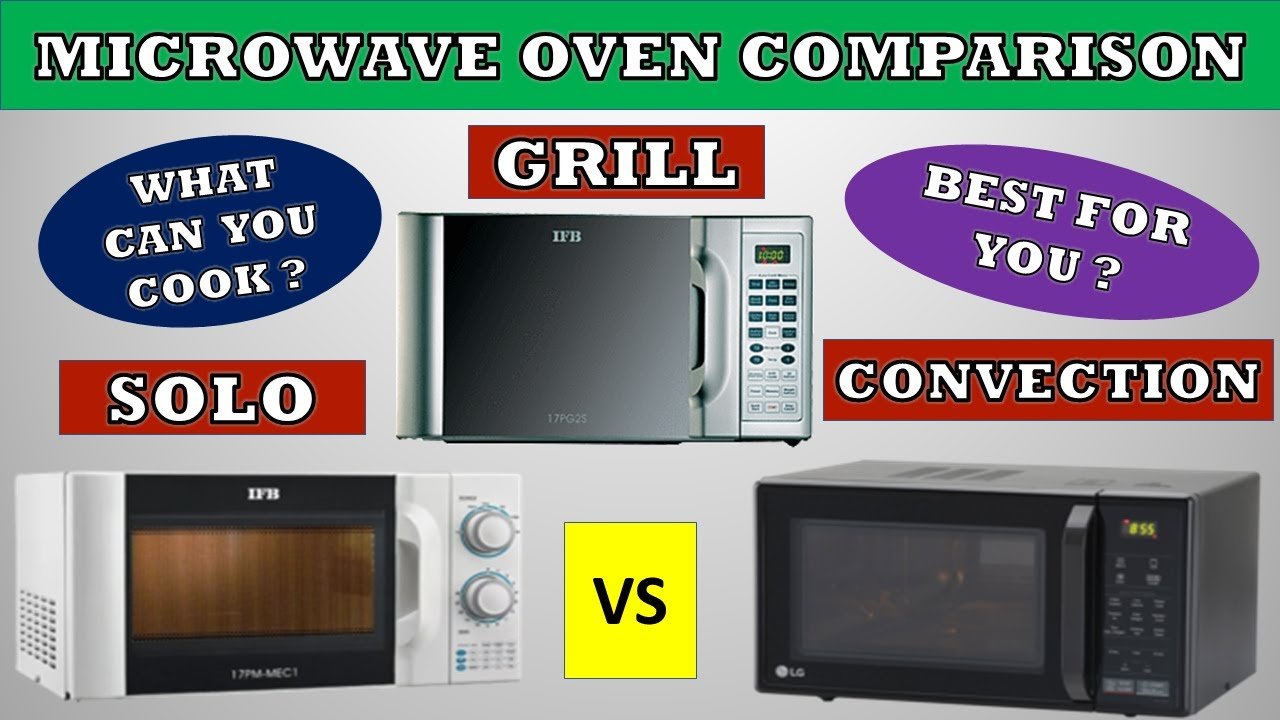
Convection microwaves use hot-air circulation plus microwaves; solo microwaves use only microwave radiation.
I’ve tested dozens of kitchen models and helped friends pick ovens for years, so I know the practical differences between microwave convection vs solo. This guide breaks down how each works, what they cook best, real-life tips, buying pointers, and easy rules to help you pick the right oven for your needs. Read on to get clear, usable advice on microwave convection vs solo and make a confident choice.
What is a solo microwave?
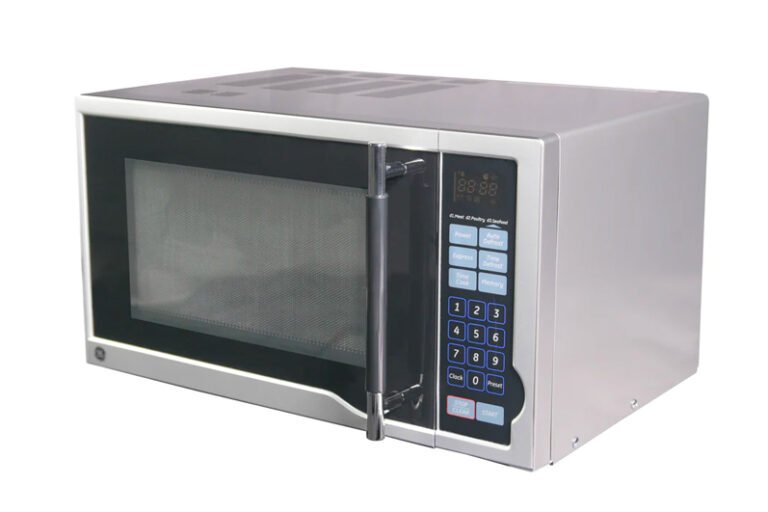
A solo microwave uses microwave radiation to heat and cook food. It heats water molecules in food to warm or reheat items quickly.
Solo units are simple to use and often cheaper. They are great for reheating, defrosting, and basic cooking tasks like steaming vegetables.

What is a convection microwave?
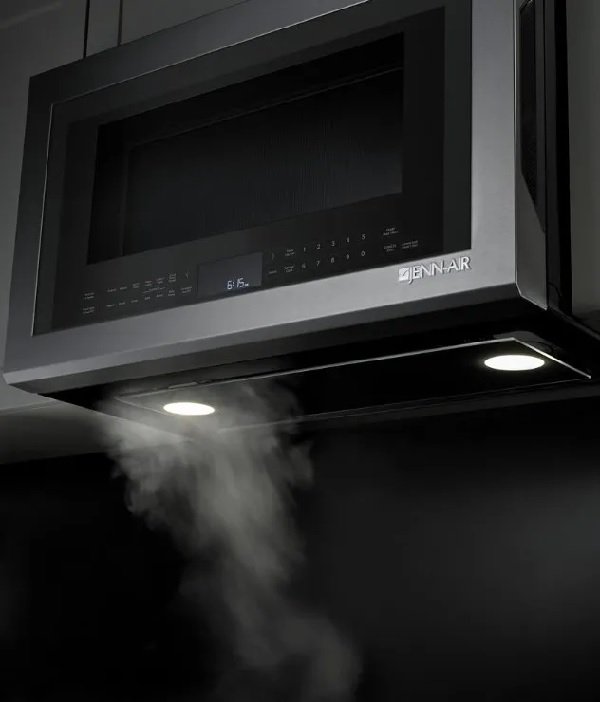
A convection microwave combines microwaves with a heating element and a fan to circulate hot air. This lets it brown, crisp, and roast like a small oven while still using microwave power for speed.
Convection mode gives better texture on baked goods and roasted foods. If you want oven-like results without a full-size oven, a convection microwave can be a smart choice.
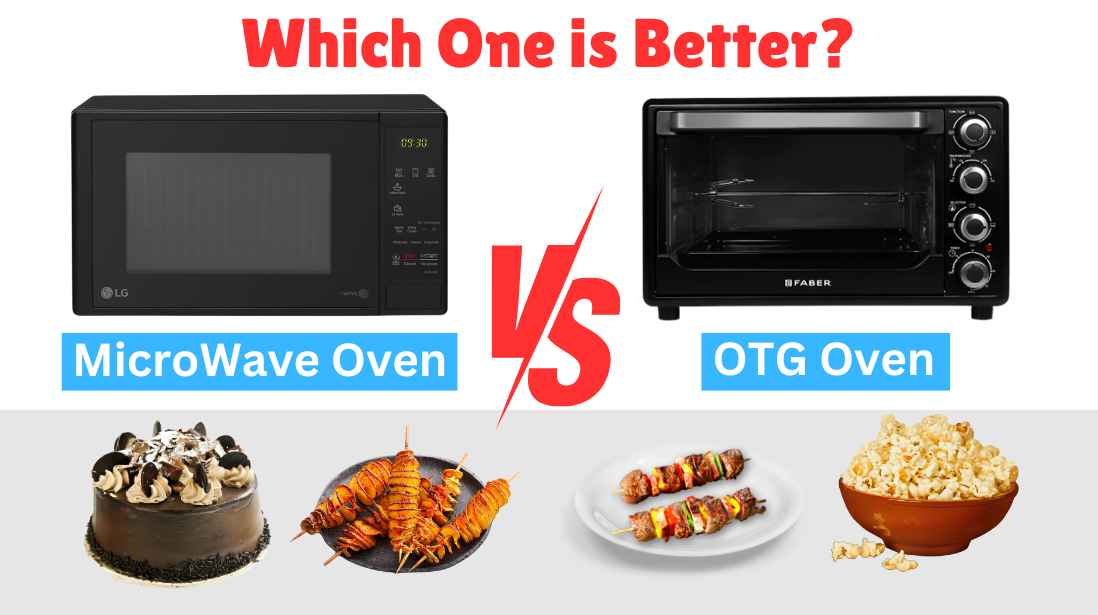
Key differences between microwave convection vs solo
- Cooking method
- Solo: Uses only microwave energy to heat food quickly.
- Convection: Uses microwaves plus hot-air circulation for browning and roasting.
- Browning and crisping
- Solo: Cannot brown or crisp well. Food can be soggy.
- Convection: Crisps and browns surfaces for better texture.
- Speed and efficiency
- Solo: Faster for reheating and defrosting.
- Convection: Slightly slower in convection mode but can replace an oven for some tasks.
- Versatility
- Solo: Best for basic tasks and tight budgets.
- Convection: More versatile for baking, roasting, and multicook uses.
- Cost and complexity
- Solo: Lower purchase price and fewer features to manage.
- Convection: Higher price, more settings, and potential learning curve.
- Energy use
- Solo: Uses only microwave energy, often uses less electricity for simple tasks.
- Convection: Uses heating element and fan, so higher energy use when used in convection mode.
- Size and installation
- Solo: Often smaller and lighter.
- Convection: Can be larger and might include racks and accessories.
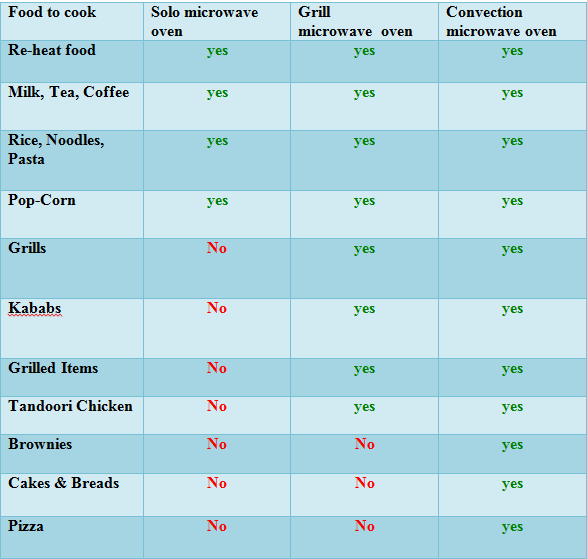
- Best foods
- Solo: Soups, leftovers, popcorn, reheating.
- Convection: Roasts, baked goods, casseroles, whole chicken.
These points help you compare microwave convection vs solo in practical terms and decide which fits your cooking style.

Pros and cons: microwave convection vs solo
- Pros of solo microwave
- Affordable and easy to use.
- Fast reheating and defrosting.
- Lower energy for simple tasks.
- Cons of solo microwave
- No browning or crisping.
- Limited to basic cooking tasks.
- Not ideal for baking or roasting.
- Pros of convection microwave
- Versatile: bakes, roasts, crisps, and reheats.
- Can replace a small oven in many homes.
- Better results for pastries and roasted dishes.
- Cons of convection microwave
- More expensive up front.
- Slight learning curve for best results.
- Uses more energy in convection mode.
If you weigh microwave convection vs solo, think about whether you need oven-like finishes or just quick heat and defrost.
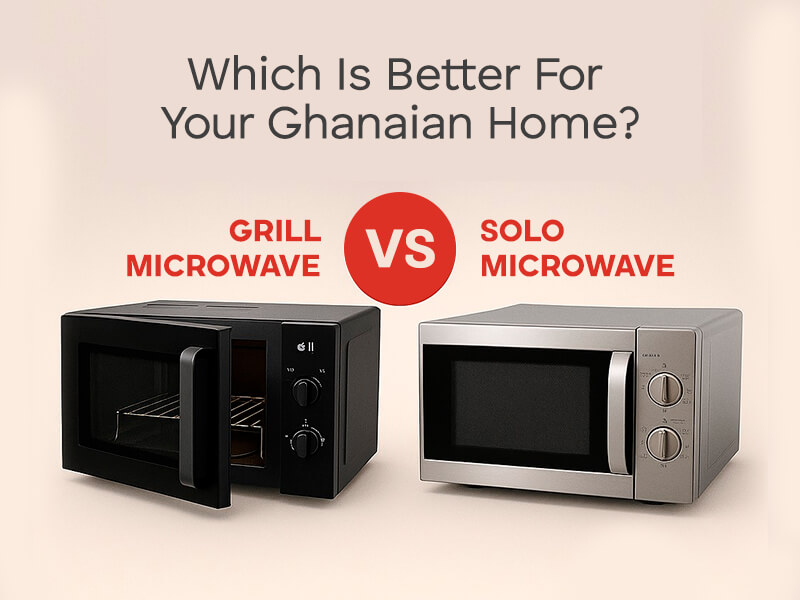
Which should you choose? Practical scenarios
- You live alone or mainly reheat meals
- Choose a solo microwave. It’s fast and affordable.
- You cook full meals, bake, or roast occasionally
- Choose a convection microwave. It adds oven-style results in a small footprint.
- You have limited counter space but want versatility
- Convection microwaves often work as a microwave and small oven.
- You are on a tight budget
- Solo microwaves give the best value for basic needs.
- You want the best texture for baked goods
- Choose convection. It browns and crisps much better than solo.
Think about daily use. If you often cook entire meals, the extra features of convection often pay off. If you mainly reheat and defrost, a solo model is smarter.

Personal experience and tips
I once replaced my old solo microwave with a convection model to bake small loaves of bread. The first week I burned a tray because I treated convection like a microwave. I learned to lower temperatures and increase time for even results.
Tips I use and share
- When using convection, preheat when a recipe asks for it.
- Use the microwave mode for quick reheat, and switch to convection for browning.
- Use metal racks and shallow pans for crisping if your manual allows them.
- Clean spills right away to avoid odor build-up in either type.
These real tips come from testing and from helping friends get the most from both microwave convection vs solo options.

Buying and maintenance tips
- Features to look for
- Wattage: Aim for 800–1,200W for good microwave power.
- Convection temperature range: Look for up to 450°F if you bake often.
- Size: Check interior capacity to fit plates or bake pans.
- Presets: Useful for common tasks like popcorn, pizza, defrost.
- Racks and accessories: Racks enable multi-level convection cooking.
- Maintenance tips
- Wipe interior after use to prevent odors and stains.
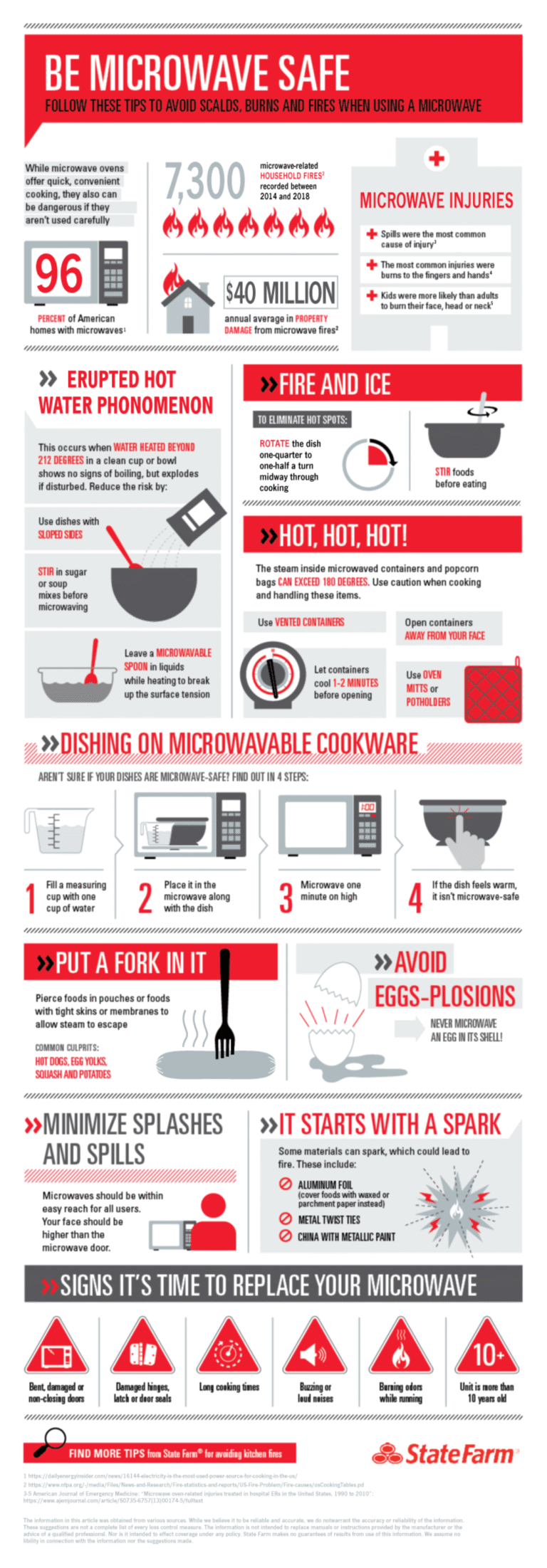
- Use microwave-safe covers to reduce splatters.
- Replace door seals or inspect hinges if you notice heat/steam leaks.
- Avoid metal in solo microwave mode; follow manual rules for convection mode.
These tips will help your unit last and cook well, whichever side of microwave convection vs solo you pick.

Frequently Asked Questions of microwave convection vs solo?
What is the main difference between microwave convection vs solo?
Solo microwaves use only microwave energy. Convection microwaves add a heating element and fan for browning and roasting.
Can a convection microwave replace a full-size oven?
In many cases, yes. A convection microwave can handle small roasts, baked goods, and casseroles, but it has less capacity than a full oven.
Is a convection microwave much more expensive than a solo model?
Convection models usually cost more, but the price difference varies with brand and features. You pay for added baking and roasting capability.
Which one is better for reheating leftovers?
Solo microwaves are often better for quick reheating because they are simple and fast. Convection can be used for reheating when crisp texture is desired.
Are convection microwaves harder to use than solo microwaves?
Convection microwaves have more settings and a short learning curve. Once you learn temperature and time adjustments, they are easy to use.
Conclusion
Choosing between microwave convection vs solo comes down to how you cook. Pick a solo microwave for speed, low cost, and simple reheating. Choose a convection microwave if you want oven-like browning, baking, and roasting in one compact appliance. Try to match the choice to your daily habits, kitchen space, and budget. Take one action now: list the meals you cook most and compare them to the strengths above to make a clear buying decision. Share your questions or experiences below and subscribe or comment to get more practical kitchen tips.