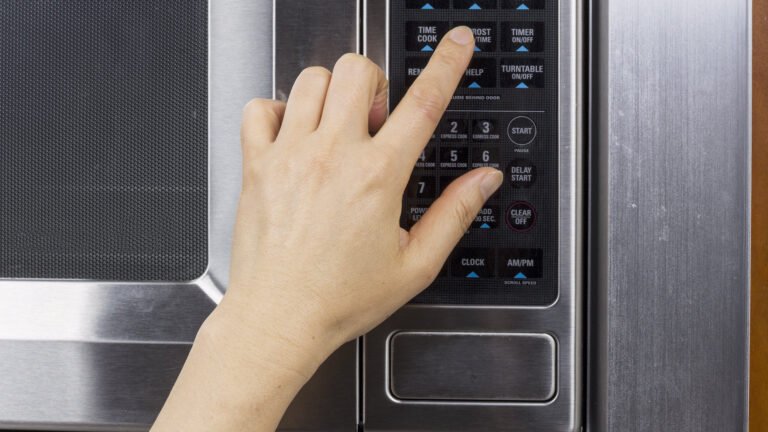
Microwave Door Safety: Essential Tips To Stay Safe
Microwave door safety prevents leaks and injuries by keeping seals, hinges, and interlocks intact.
I have spent years working with kitchen appliances and teaching people how to use them safely. This guide on microwave door safety explains how doors block radiation, what can go wrong, how to inspect and maintain doors, and clear steps to protect your family. Read on for expert tips, real-life lessons, and easy checks you can do today.
How microwave door safety works
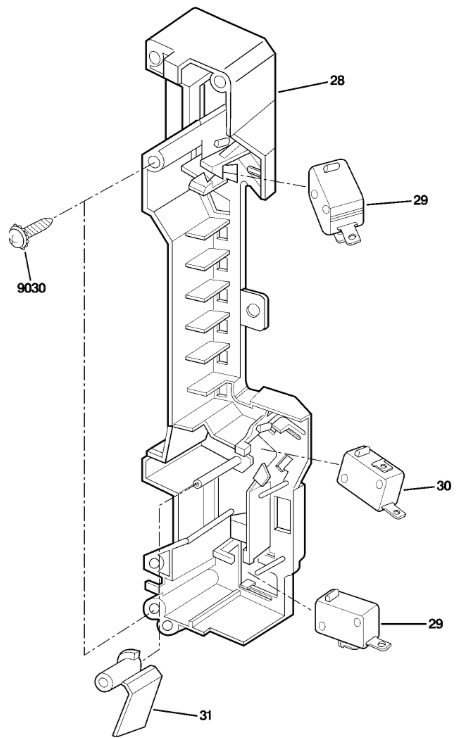
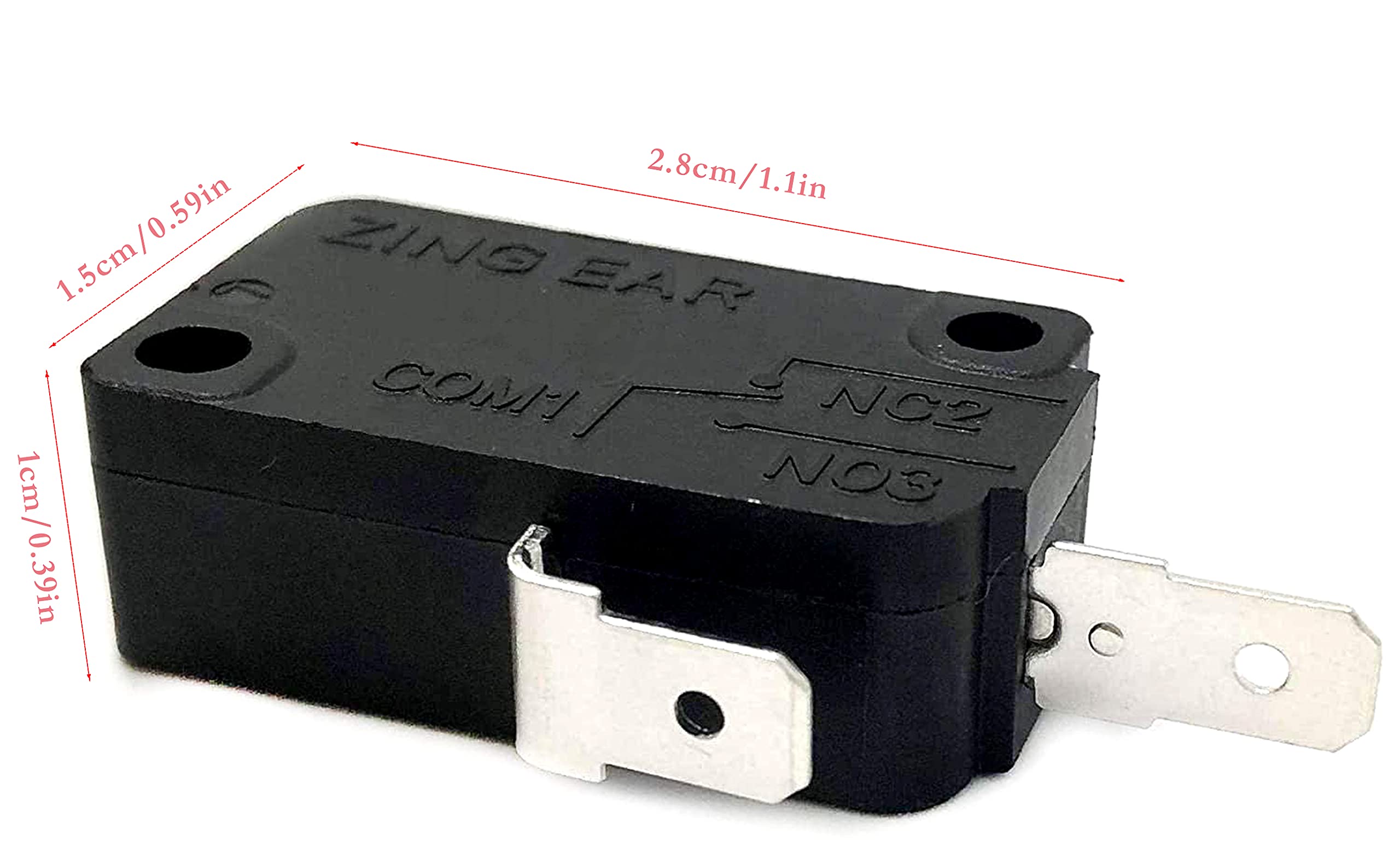
Microwave door safety relies on several simple parts that work together. The door has a metal frame, mesh screen, seals, and safety interlocks. These parts stop microwaves from escaping and protect you from burns and shocks.
The mesh you see in the glass is a barrier. It reflects and absorbs microwaves while letting light through. The interlocks cut power if the door opens so the oven cannot run with the door ajar.
Common safety features include:
- Metal mesh screen that blocks microwaves while allowing visibility.
- Rubber or silicone gasket that seals the door perimeter.
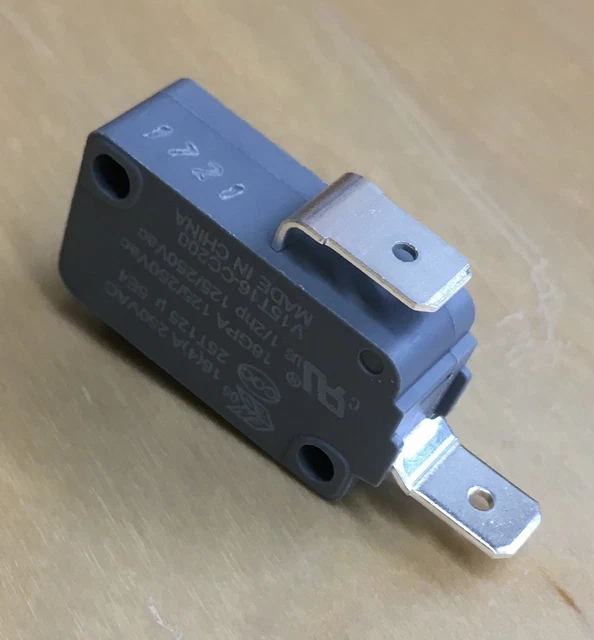
- Mechanical interlocks that stop the oven if the door is open.
- Latch and hinge assemblies that keep the door aligned.
Understanding these parts is the first step in good microwave door safety. When any part fails, risk rises quickly.
Common risks and hazards to watch for
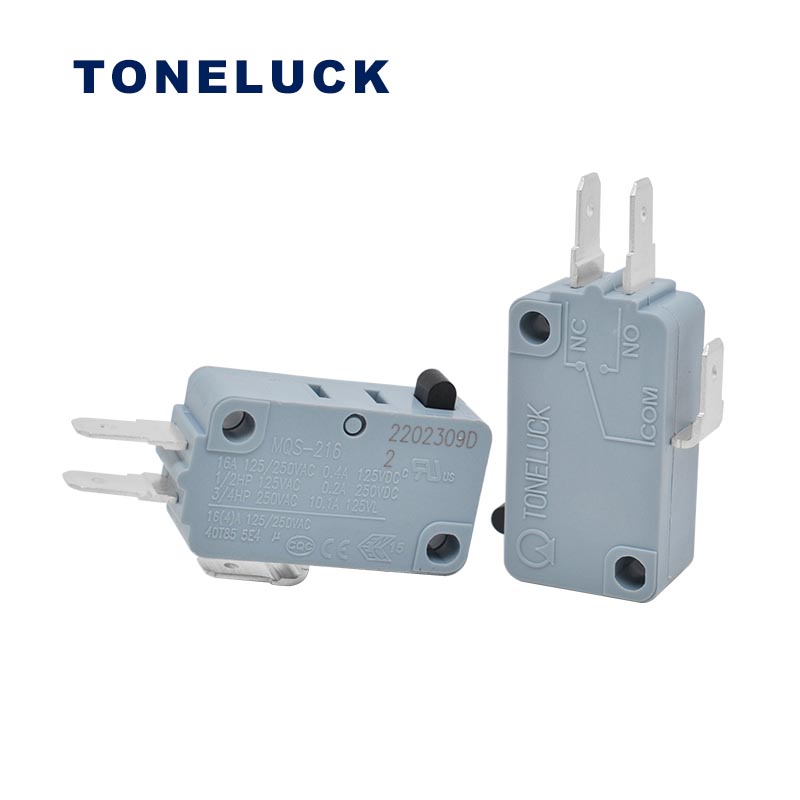
Damaged doors create the main hazards for microwave door safety. Even small dents or gaps can reduce the seal. That raises the chance of microwave leakage.
Corrosion and dirt hide problems. Food and grease build-up on seals can crack them over time. Loose hinges or bent latches let the door misalign and fail to engage interlocks.
Other risks include:
- Attempting to operate the microwave with a warped or dented door.
- Using metal objects to repair or prop the door open.
- DIY fixes that disable interlocks or seals.
- Children playing with the door or control panel.
Take any sign of damage seriously. Small delays in repair can become big safety issues.

Inspection and maintenance checklist
Check your microwave door regularly to keep microwave door safety strong. Make a quick habit of inspecting the door each month. Inspections take only a few minutes.
Follow this checklist:
- Look for dents, cracks, or warped edges on the door and frame.
- Inspect the mesh screen for holes or separation from the glass.
- Run your finger along the gasket to check for soft spots, cracks, or grease.
- Open and close the door to feel for smooth action and secure latching.
- Try to start the microwave with the door slightly open; it should not start.
- Clean the door and gasket with mild soap and a soft cloth. Avoid harsh abrasives.
- Note any unusual noises, sparks, or smells during operation.
If you find issues, stop using the microwave until repaired. Small problems are easy to fix when found early.

Safe use tips and best practices
Good habits keep microwave door safety intact. Use the microwave as intended. Avoid forcing the door or storing heavy items on top of the unit.
Practical tips:
- Keep the door and gasket clean to maintain a tight seal.
- Do not run the microwave empty; that can stress components.
- Avoid slamming the door or closing it with objects inside.
- Do not place magnets or metal objects on the door.
- Use only manufacturer-approved replacement parts.
- Teach children not to tamper with the door or controls.
- Use a small handheld microwave leakage detector if you want extra assurance.
Follow the manual for your model. Manuals include specific maintenance steps and warnings that match the design.

When to repair or replace the door
Deciding whether to repair or replace matters for microwave door safety. Repairs can be safe when done correctly. Some fixes are simple, such as replacing a gasket or hinge.
Consider replacement when:
- The door glass or mesh is cracked or pierced.
- Multiple interlocks fail or are unreliable.
- The door frame is bent and cannot be aligned.
- Repair costs approach the value of the microwave.
Always use a certified technician for electrical or structural repairs. Improper fixes can make the unit more dangerous than before.

Personal experience and lessons learned
I once saw a microwave with a bent door that still looked fine at a glance. The owner ran it for months. When I tested it, the interlock failed under stress and sparks occurred. We replaced the door assembly and the unit became safe again.
Lessons I learned:
- Never assume a door is safe because it closes firmly.
- Small dents can hide serious misalignment.
- Routine checks catch issues before they become dangerous.
- Using genuine parts keeps the safety features reliable.
I advise people to treat microwave door safety like seatbelt maintenance. A tiny failure can cause big harm.

Troubleshooting common door problems
When a door sticks or won’t latch, you can try a few safe steps before calling a pro. Always unplug the microwave first.
Quick troubleshooting steps:
- Clean the latch area and gasket with warm, soapy water. Dry thoroughly.
- Check for food crumbs or debris lodged in the latch.
- Gently realign the door by loosening hinge screws and adjusting, if you are comfortable.
- Test interlocks by powering the unit and attempting to start with the door slightly open; it should not run.
- If you see sparks, odors, or visible damage, stop and seek professional repair.
Do not tamper with interlocks or wiring. Those parts are critical for microwave door safety.
Maintenance schedule for long-term safety
A simple schedule keeps microwave door safety steady. Set reminders if you’re busy.
Suggested schedule:
- Weekly: Wipe down the door, mesh, and gasket after heavy use.
- Monthly: Do a visual and tactile inspection for cracks, dents, or misalignment.
- Yearly: Have a certified technician inspect interlocks and internal seals if you use the microwave heavily.
- After any incident: Inspect the door after a drop, impact, or power surge.
Regular care reduces the chance of sudden failure and extends appliance life.

Frequently Asked Questions of microwave door safety
What should I do if the microwave door is dented?
Stop using the microwave and inspect the door closely. If dents affect the seal or alignment, get it repaired or replaced by a professional.
Can microwaves leak if the door is slightly damaged?
Yes. Even small damage to the mesh or gasket can allow microwave leakage. Replace or repair the damaged parts promptly.
Is it safe to run a microwave with a cracked glass door?
No. Cracked glass can compromise the shielding and let radiation escape. Do not use the microwave until the door is fixed.
How can I test the door interlocks at home?
You can test interlocks by trying to start the microwave with the door slightly open; it should not start. If it does, unplug the unit and seek repair.
Are aftermarket parts okay for door repair?
Use parts approved by the manufacturer when possible. Aftermarket parts can work but may not meet the same safety standards.
Can cleaning the gasket improve microwave door safety?
Yes. Cleaning removes grease and food that can crack seals over time. Use mild soap and a soft cloth to preserve the gasket.
How often should a technician inspect my microwave door?
For heavy use, have a technician inspect it yearly. For normal home use, inspect monthly and call a pro if you find issues.
Conclusion
Microwave door safety is simple but vital. Check your door, clean seals, test interlocks, and repair damage promptly. Small actions prevent leaks, burns, and costly repairs.
Take one step today: inspect your microwave door for dents, gaps, or worn gaskets. If you are unsure, contact a certified technician. Share your questions or experiences in the comments and subscribe for more practical home safety tips.