Use low power, cover food, stir often, and check temperature for safe, even reheating.
I’ve spent years testing home meals, lunchbox leftovers, and restaurant takeout to master microwave food reheating tips. This guide shares clear, proven steps and real-world tricks to help you reheat food faster, safer, and tastier without guessing.

Why good reheating matters and how to think about it
Microwaving is quick, but it can leave cold spots or dry food. Using the right microwave food reheating tips keeps food safe and preserves taste.
I focus on heat control, container choice, and simple actions you can repeat. These basics cut waste and save money while keeping your meals enjoyable.
Safety basics everyone should follow
Food safety is the top concern with microwave food reheating tips. Heat must reach a safe temperature to kill bacteria.
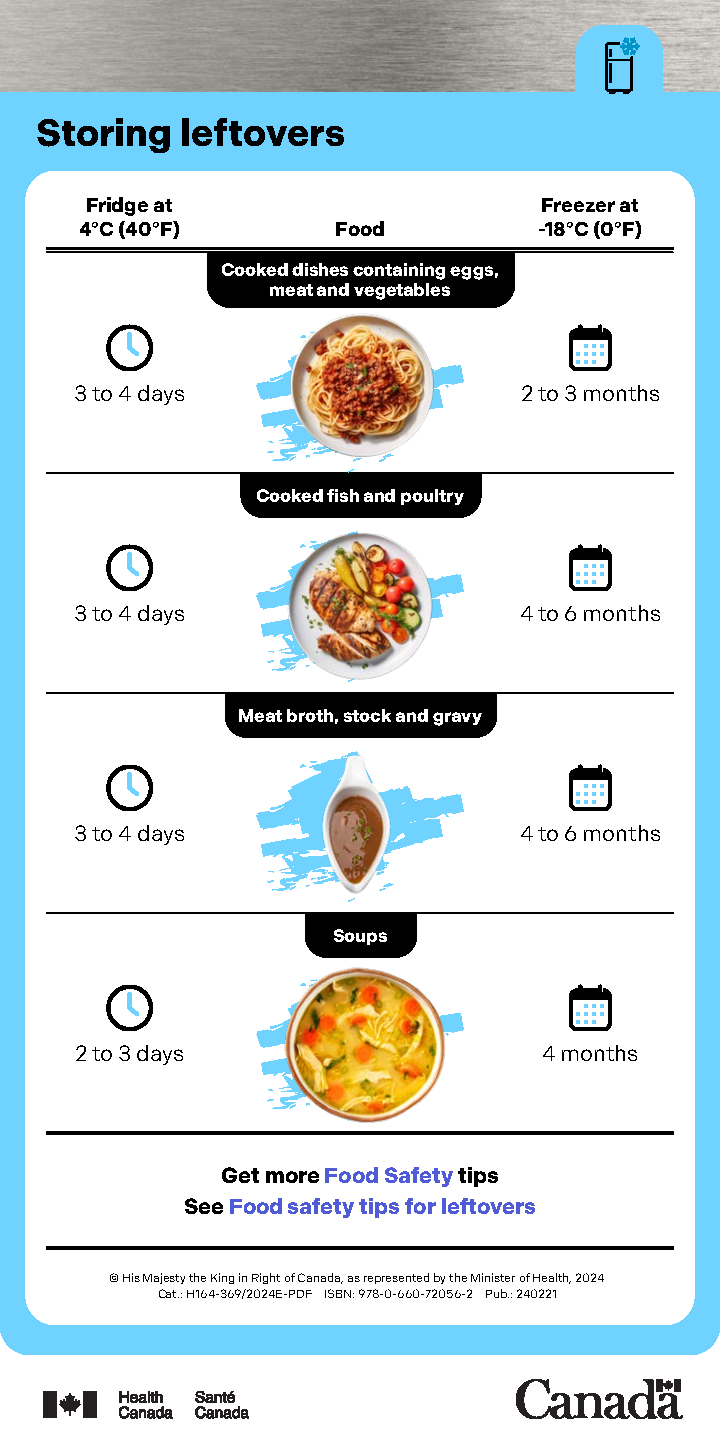
Use a food thermometer when unsure. Aim for 165°F (74°C) for most leftovers and allow standing time so heat evens out.
Best containers and covers
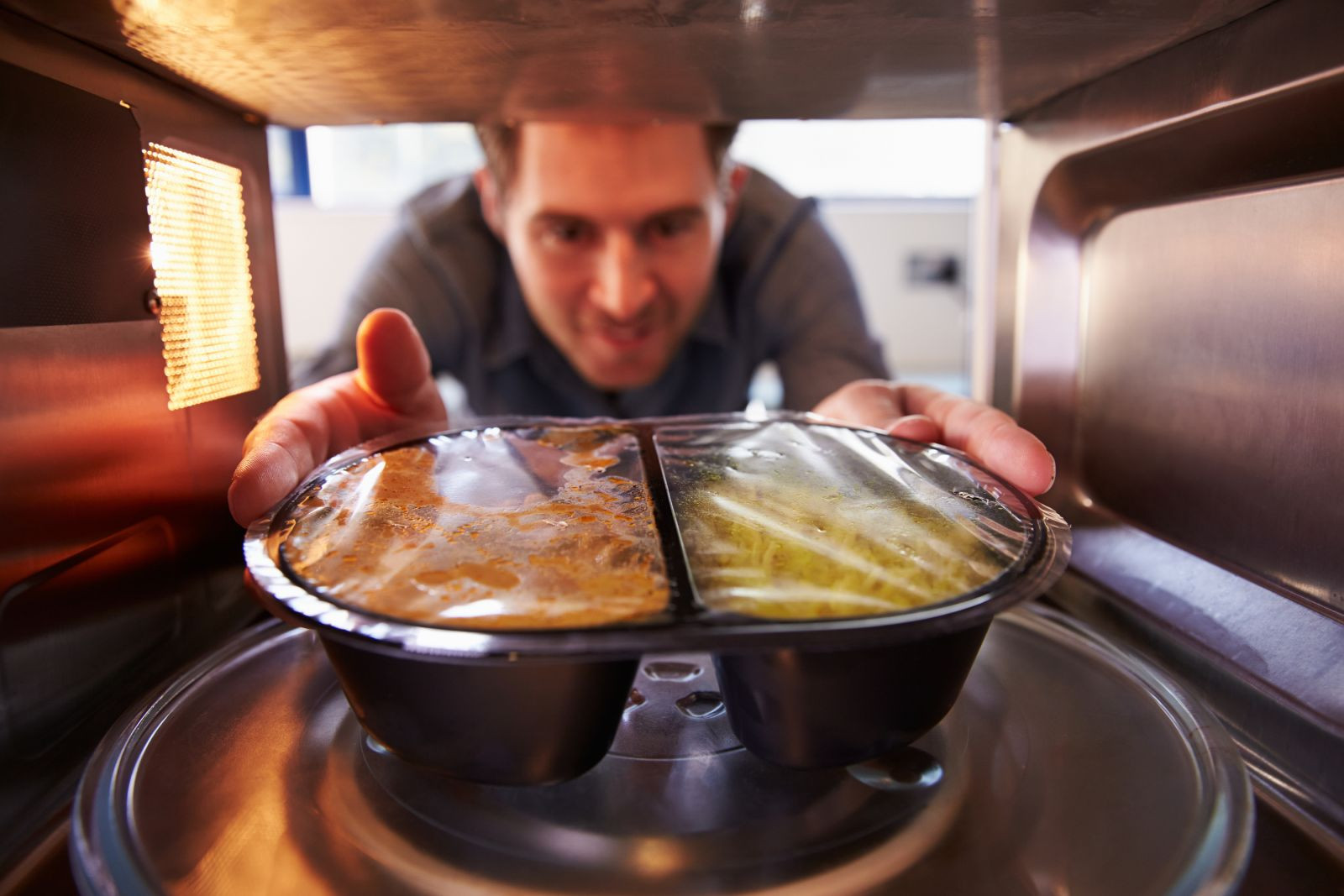
Choose the right dish and cover to avoid spills and uneven heat.
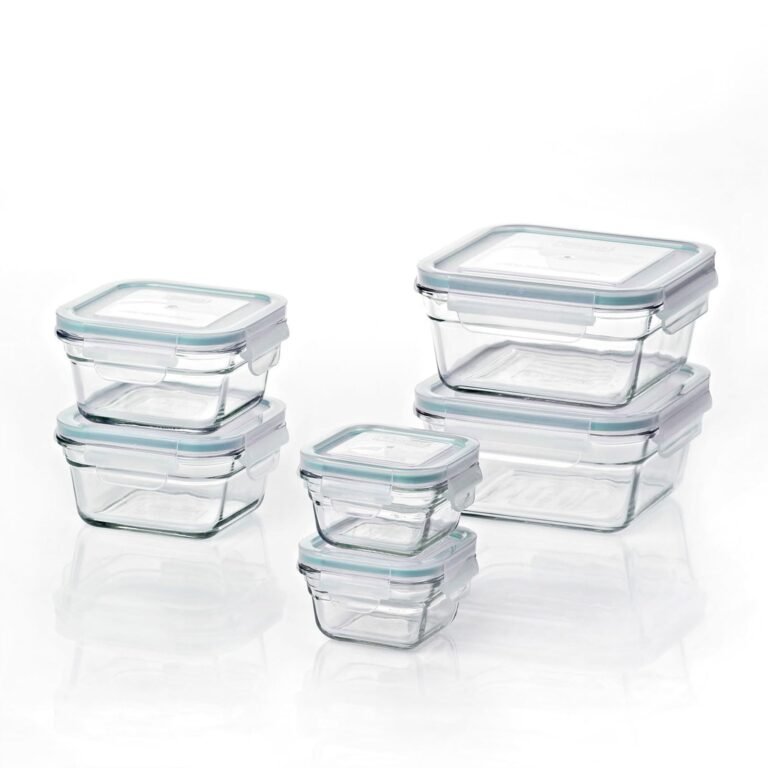
Use microwave-safe glass, ceramic, or microwave-safe silicone. Avoid metal and non-labeled plastics.
Cover with a vented lid, microwave-safe plate, or damp paper towel to trap steam and speed heating.
Power levels and heat control
Full power often overheats edges and leaves cold centers. Use medium or 50–70% power for denser foods.
Break long heating into short intervals. Pause to stir, flip, or rearrange between bursts.
This approach is one of the most important microwave food reheating tips for even results.
How to prevent hotspots and dry edges
Hotspots form when microwaves concentrate in one area. Stirring, rotating, and letting food rest fix this.
Add a splash of water to rice, pasta, or fried foods to restore moisture. Cover loosely to keep steam in.
These microwave food reheating tips will make leftovers taste closer to fresh.
Reheating common foods (quick, practical steps)
Pizza
- Place slices on a microwave-safe plate. Put a cup of water next to the slice to keep crust from getting soggy. Heat at medium power in 30-second bursts until warm.
Rice and grains
- Add a tablespoon of water per cup. Cover and heat at medium power for 60–90 seconds, then fluff and check temperature.
Pasta and sauced dishes
- Stir in a little liquid (sauce or water). Cover and heat in 45–60 second bursts, stirring between bursts.
Meat and poultry
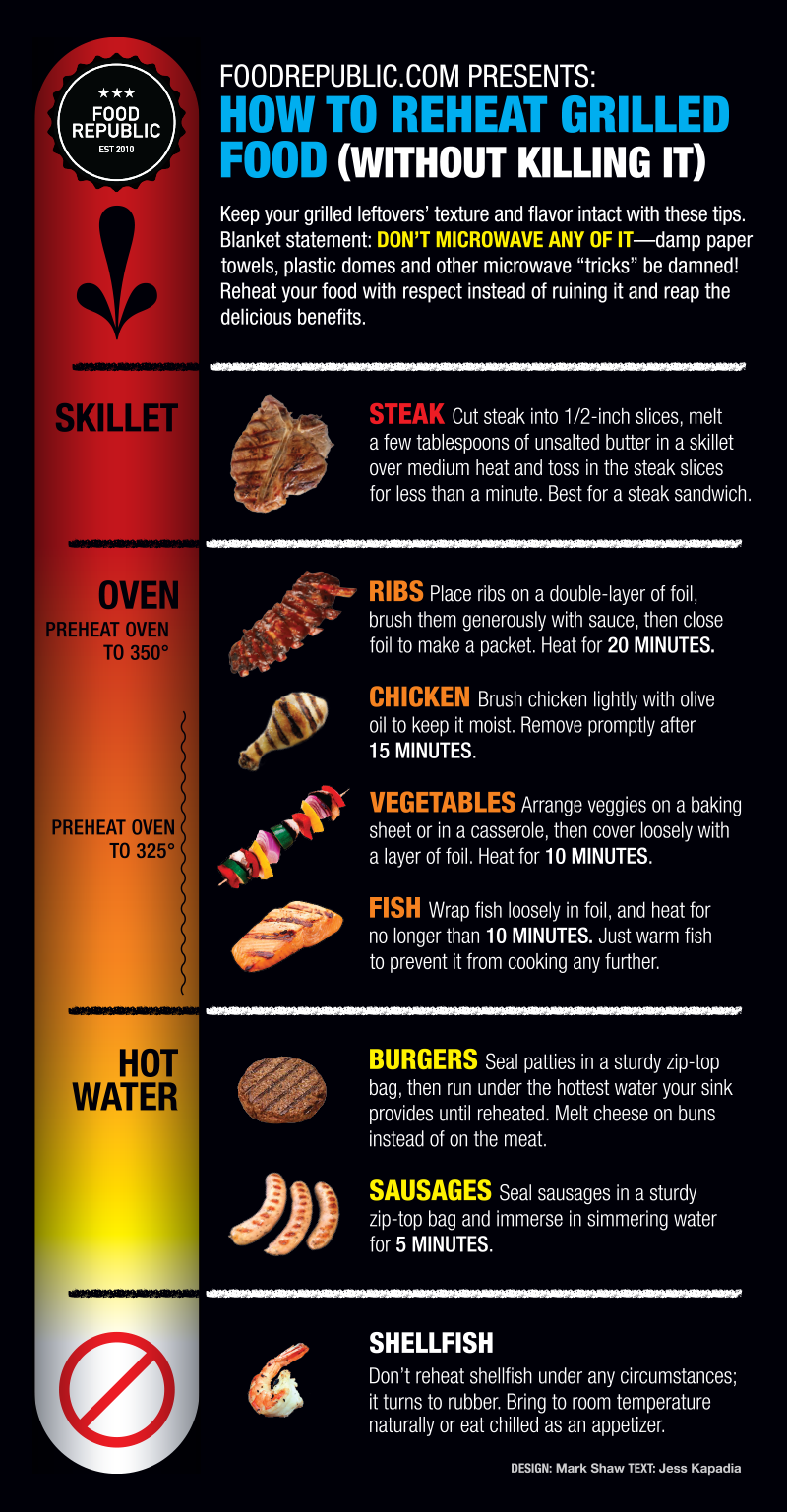
- Slice thicker pieces to heat evenly. Heat on medium power and use a thermometer to ensure 165°F (74°C).
Soups and stews
- Stir before and halfway through heating. Cover to avoid splatter and heat until steaming, then let sit for a minute.
Fried foods and crispy items
- Use short, lower-power bursts and a paper towel to absorb steam. For better crisp, finish in a toaster oven or skillet if possible.
Vegetables
- Add a splash of water and cover. Heat at medium power until just tender, then let rest.
Egg dishes
- Reheat gently at 50–70% power in short bursts and stir or flip to avoid rubbery texture.
These microwave food reheating tips will help you match the right method to the food you have.

My tested routine for best results
I follow a simple routine that usually works on the first try.
Step 1: Break food into even pieces. Step 2: Add moisture when needed. Step 3: Cover and use medium power. Step 4: Heat in short bursts and stir. Step 5: Check temperature and let rest.
This routine reflects trials, mistakes, and small wins from real kitchen use.

Common mistakes to avoid
Relying on full power for everything often ruins texture and taste.
Using unknown plastics can leach chemicals into food.
Skipping a rest period can leave cold centers. These are easy to fix with a few small changes.
Energy and time-saving hacks
Reheat only what you will eat right away. Reheat in portions to save time and energy.
Use lids or damp towels to speed heating and cut power use.
Microwave food reheating tips like shorter bursts and stirring often reduce wasted cycles and improve flavor.
Limitations and safety notes
Microwaves vary by wattage, so times are estimates not guarantees. Some foods reheat better in an oven or stovetop.
Always use a thermometer for baby food, large meat pieces, or when serving others. Be mindful of recalled containers or damaged wares.
Frequently Asked Questions of microwave food reheating tips
How long should I reheat leftovers in the microwave?
Reheat in short bursts at medium power, usually 60–90 seconds for single portions. Check and stir, then repeat until the food reaches 165°F (74°C) and is steaming.
Can I microwave food in plastic containers?
Only use containers labeled microwave-safe. Avoid old, cracked, or non-labeled plastics to reduce chemical risk.
How do I prevent soggy pizza in the microwave?
Place a cup of water next to the pizza slice and heat in short bursts at medium power; the water helps keep the crust from getting chewy or soggy.
Is it safe to microwave rice?
Yes, if rice is stored properly and reheated to at least 165°F (74°C). Add a bit of water and cover to restore moisture and heat evenly.
Can I reheat frozen meals in the microwave?
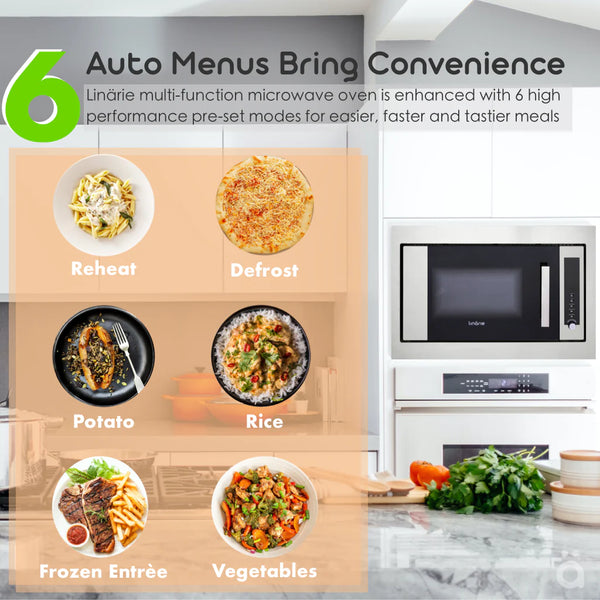
Yes, but use the microwave’s defrost setting first or thaw slightly, then heat at medium power in short intervals, stirring if possible for even heat.
What’s the best way to reheat fried foods?
Short, low-power bursts and a paper towel can help, but reheating briefly in a skillet or toaster oven will restore crispness best.
Conclusion
Microwave food reheating tips are simple habits that keep meals safe and tasty. Use the right dish, lower power, short bursts, and stirring to avoid dry edges and cold spots. Try the tested routine above with your leftovers this week, and notice the difference in texture and safety. If you found these tips useful, subscribe for more kitchen hacks, share your own reheating wins in the comments, or try one new tip today.