Microwave food safety? Yes, it is safe when you follow simple rules for containers, time, and temperature.
I have worked with food safety guidelines and tested microwave cooking tips for years, so I know what keeps meals safe. This article explains microwave food safety? clearly, with practical steps, real-world tips, and easy checks you can use every day. Read on to learn how to heat, store, and serve microwave food safely and confidently.
How microwaves work and why microwave food safety? matters
Microwave ovens heat food by making water molecules vibrate. This creates heat fast, which can be safe when heating is even and reaches the right temperature. Uneven heating can leave cool spots where bacteria survive, so understanding microwave food safety? helps you avoid illness.

Common microwave food safety? risks
Bacteria growth, uneven heating, and unsafe containers are the top risks. Foods with mixed densities, like casseroles, can heat unevenly and hide cold pockets. Using plastics that melt or leach chemicals increases risk, so follow container guidelines to protect food and health.

Safe practices for microwaving food
Check internal temperatures with a food thermometer. Cook or reheat until food reaches at least 165°F (74°C) in the center, and stir or rotate dishes midway to reduce cold spots. Use short intervals and rest time to allow heat to spread evenly — this improves microwave food safety?.

Choosing containers and covers for microwave food safety?
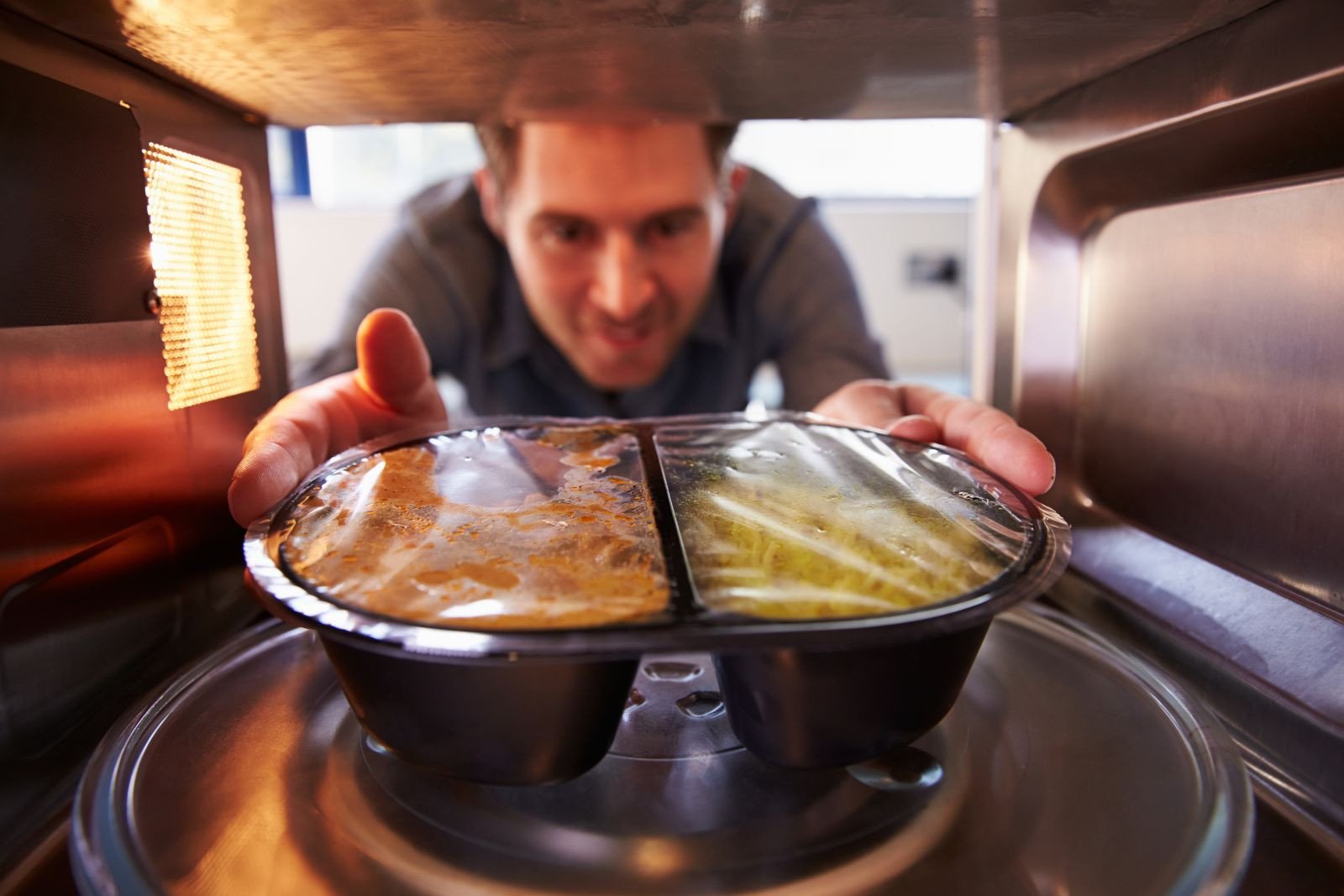
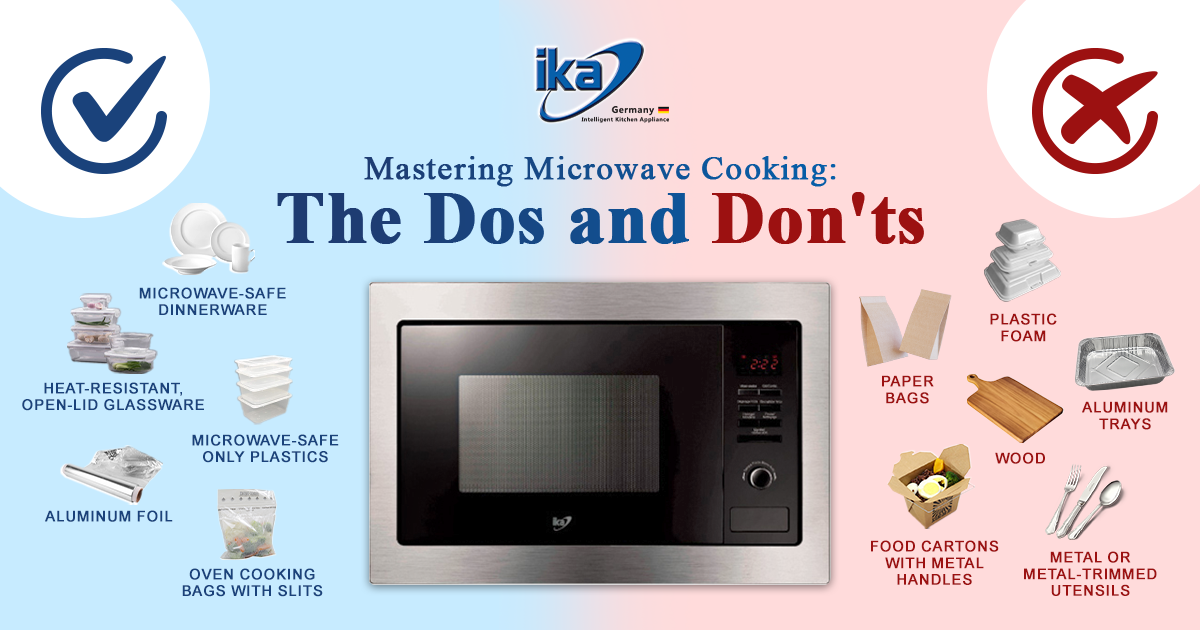
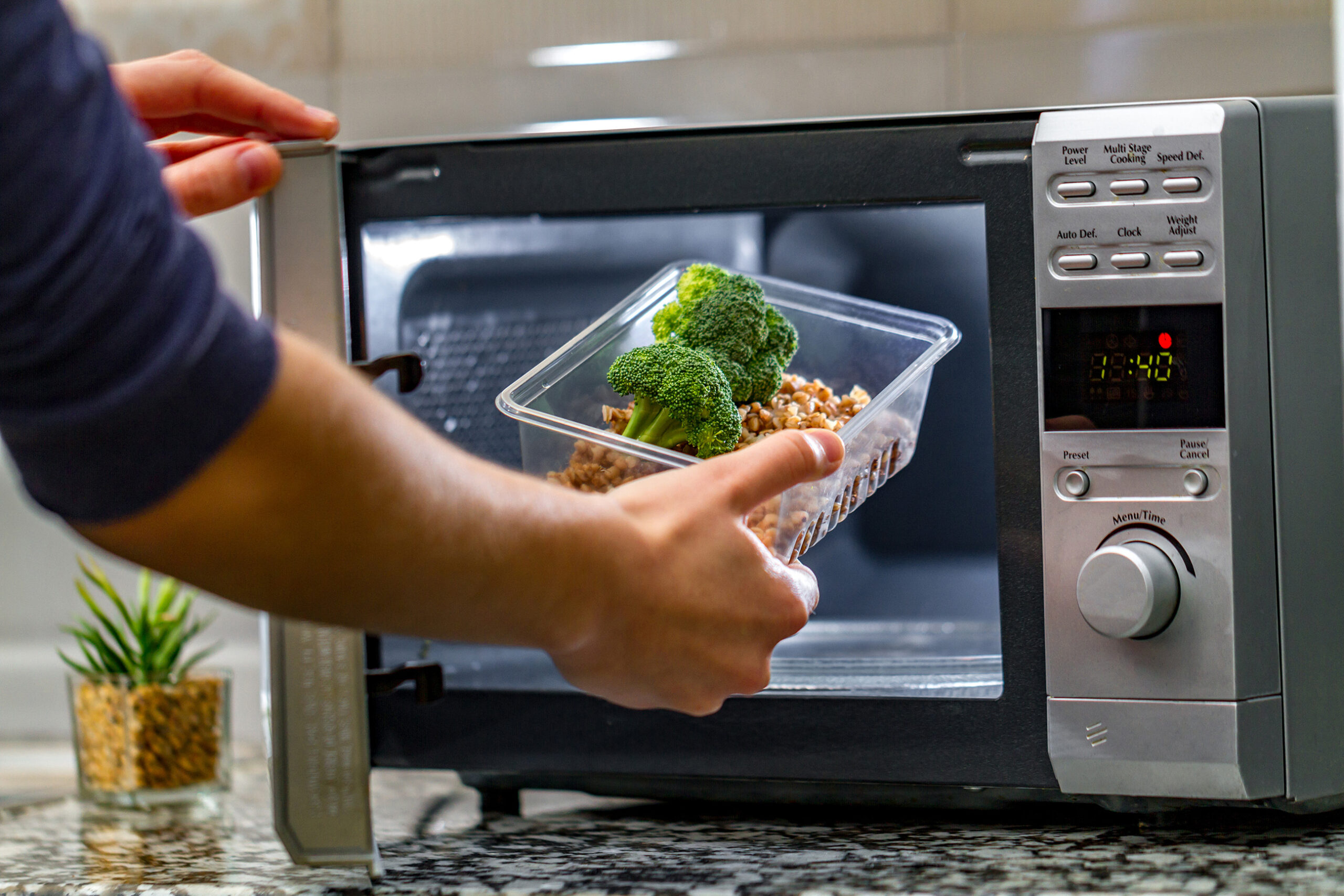
Use microwave-safe glass or ceramic and labeled microwave-safe plastics. Avoid containers with metallic trim and don’t use regular plastic wraps directly on hot food unless labeled microwave-safe. Cover food with a vented lid or microwave-safe paper towel to trap steam and prevent splatters while letting pressure escape.
Reheating, cooling, and storing leftovers safely
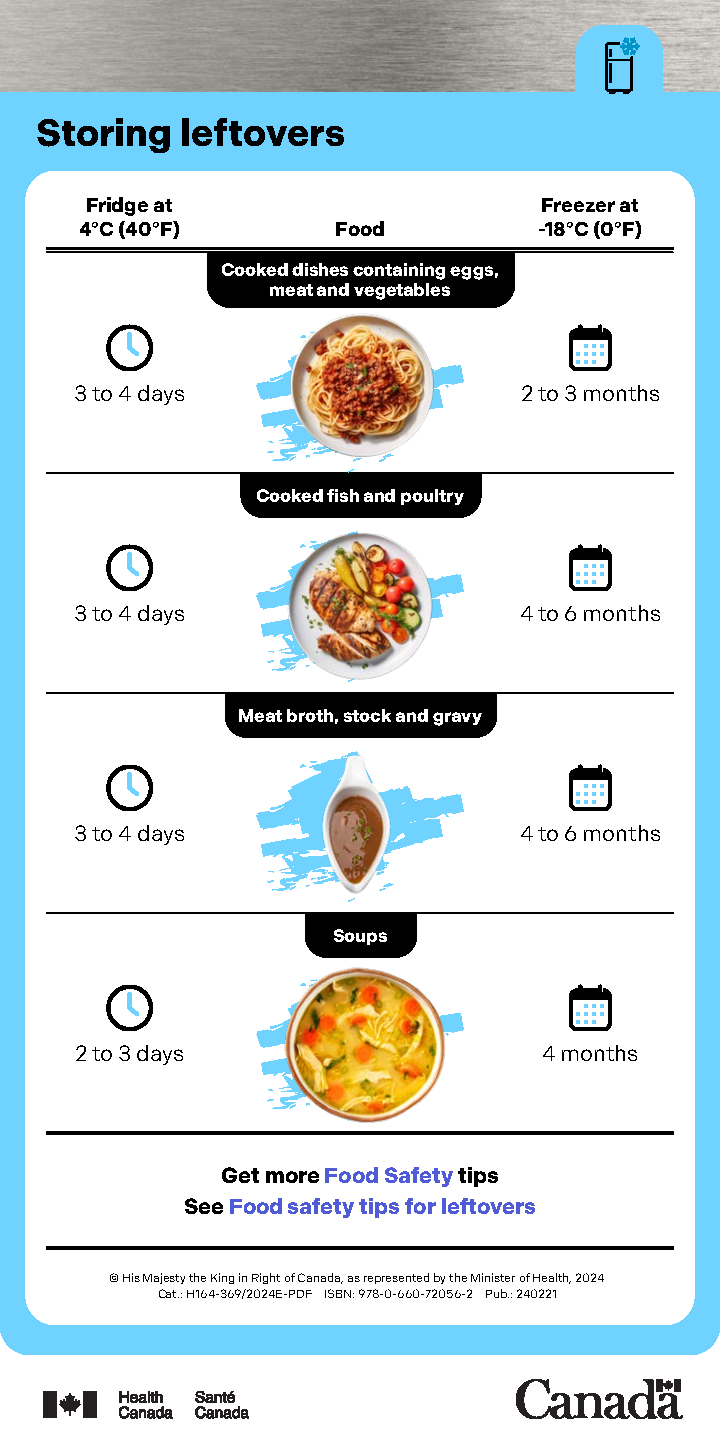
Cool leftovers quickly by dividing large portions into shallow containers before refrigerating. Refrigerate within two hours, or one hour if room temperature is hot. When reheating, bring food to 165°F (74°C) and let it rest for at least 2 minutes to ensure even temperature — these steps support reliable microwave food safety?.
Signs your microwaved food may be unsafe
Look for cold centers, odd textures, or off smells; these are red flags. If a meal was unevenly heated or left too long at room temperature, discard it. When in doubt, throw it out — this simple rule improves microwave food safety? and reduces risk.

My experience: mistakes, lessons, and practical tips
Early in my testing, I heated a pot pie without stirring and found a cold center that tasted fine but tested below safe temperature. I learned to always rotate and check the center with a thermometer. I now label containers, use shallow dishes, and set timers to avoid over- or undercooking — habits that make microwave food safety? easy to follow.
Expert tips and a quick microwave food safety? checklist
Follow these easy steps every time:
- Use a food thermometer to check that food reaches 165°F (74°C).
- Stir or rotate dishes halfway through heating to remove cold spots.
- Choose microwave-safe glass or ceramic, and avoid metal.
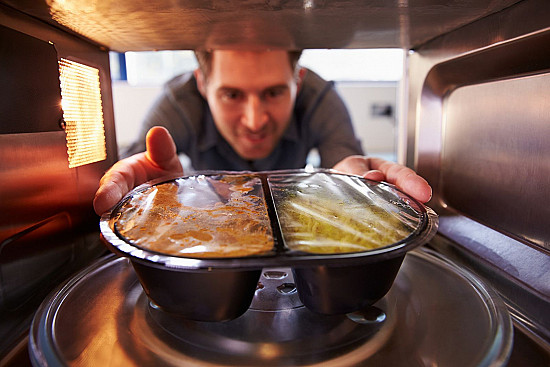
- Cover food with a vented lid to retain moisture and heat evenly.
- Cool leftovers in shallow containers and refrigerate within two hours.
Keep a small digital thermometer and labeled containers near your microwave to make safety routine. These steps reinforce microwave food safety? with minimal effort.
Frequently Asked Questions of microwave food safety?
What temperature is safe for reheated food?
Reheat food to an internal temperature of 165°F (74°C). Use a food thermometer and check the thickest part of the food for accuracy.
Can I use any plastic container in the microwave?
No. Only use containers labeled microwave-safe. Some plastics can melt or release chemicals when heated.
Is it safe to microwave meat that was frozen?
Yes, if you thaw or cook it fully and ensure the internal temperature reaches 165°F (74°C). Rotate and check the center, as frozen pockets heat unevenly.
How long should leftover food cool before refrigerating?
Cool leftovers and refrigerate within two hours of cooking, or within one hour if the room is hot. Divide large portions into shallow containers to speed cooling.
Are microwave ovens safe for baby food and bottles?
Only use microwave-safe containers and test temperature before feeding. Stir heated food and check the temperature to avoid hot spots that can burn.
Conclusion
Microwave food safety? is straightforward when you follow a few clear rules: use the right containers, heat to safe temperatures, stir or rotate food, and chill leftovers quickly. Small habits like using a thermometer and shallow containers make a big difference for safety and taste. Try the checklist today, share your own microwave tips below, and subscribe for more practical food-safety advice.