Follow simple microwave food safety rules to prevent burns and foodborne illness.
I’ve spent years testing kitchen tips and advising people on safe meal prep. This guide explains microwave food safety rules clearly and simply. You’ll get step-by-step actions, real-life tips, and expert-backed reasons for each rule. Read on to learn how to heat, thaw, store, and clean with confidence so you reduce risk and keep meals tasty.

How microwaves heat food and why safety matters
Microwave ovens heat food by agitating water molecules. This makes heat form unevenly if food is thick or dense. Knowing this helps you use microwave food safety rules to avoid cold spots that can harbor bacteria. I’ve measured temps and seen hot edges and cold centers in the same dish, so stirring and standing time matter.
 containers and coverings”
style=”max-width: 100%; height: auto; border: 2px solid black; border-radius: 10px; display: block; margin: 0 auto;”
loading=”lazy”
/>
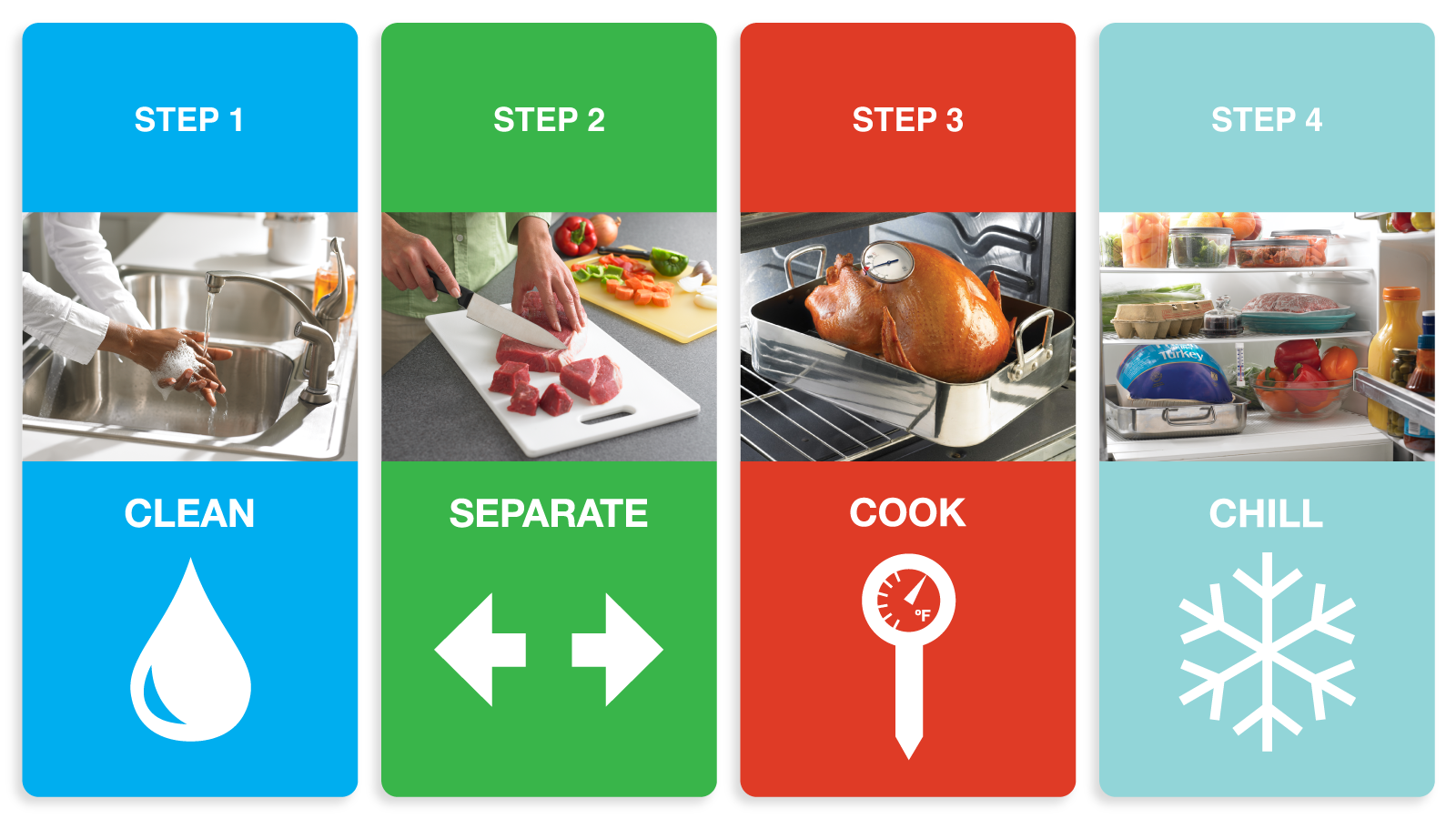
Microwave-safe containers and coverings
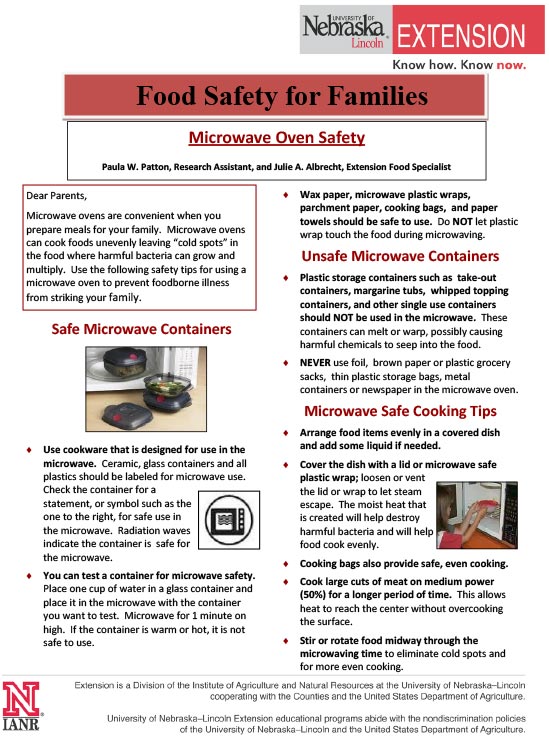
Use the right cookware to follow microwave food safety rules and avoid chemical leaching or fire risks.
- Glass and ceramic labeled microwave-safe. They heat evenly and are safe.
- Microwave-safe plastics marked with a symbol. They resist warping and do not melt easily.
- Paper towels and microwave paper plates for short heating. They work well for reheating.
- Avoid metal. Metal reflects microwaves and can spark or damage the oven.
- Avoid unknown plastics and takeout containers not labeled microwave-safe. They may leach chemicals into food.
I once reheated leftover sauce in a thin plastic tub and the edge melted. Since then, I always transfer food to safe glass or ceramic. This small habit is a key microwave food safety rules tip.
Heating, reheating, and standing time basics
Follow these actions to meet microwave food safety rules when cooking or reheating.
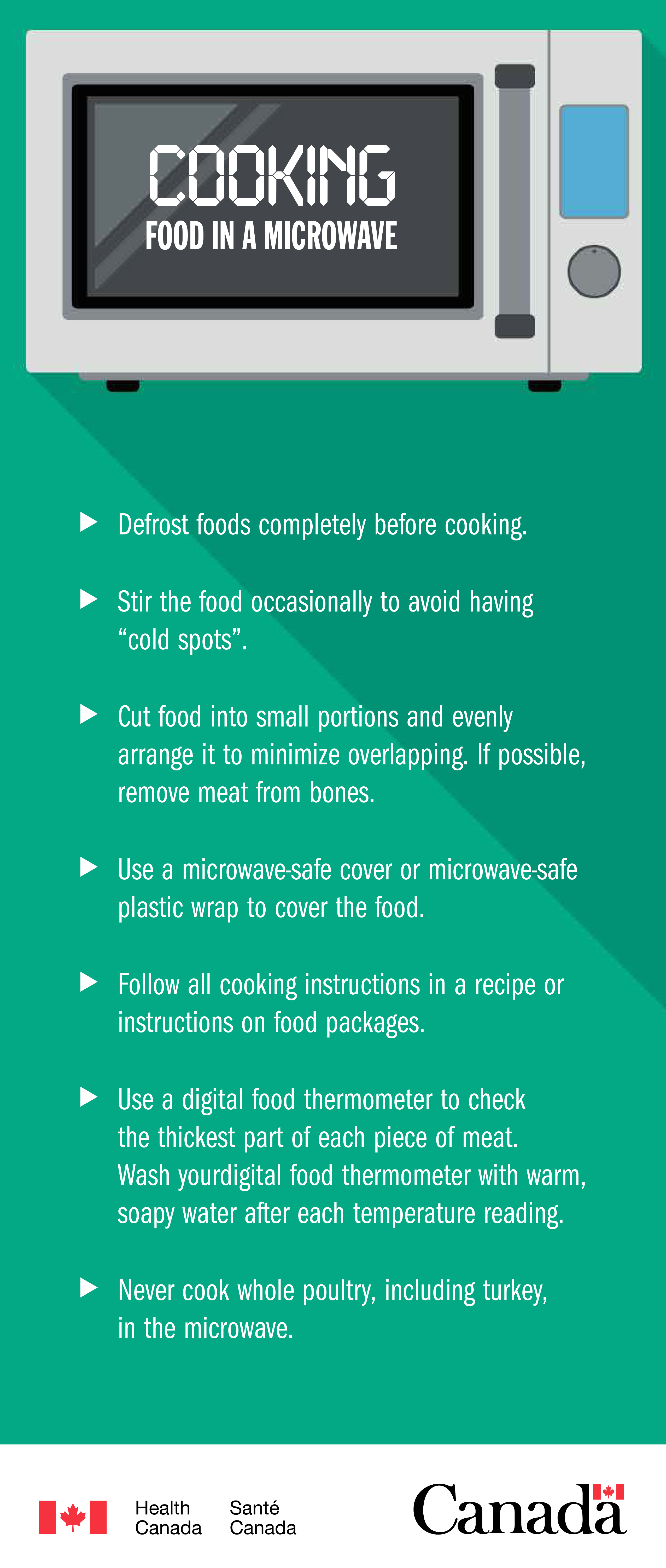
- Cover food loosely with a microwave-safe lid or vented wrap to trap steam and promote even heating.
- Stir and rotate halfway through heating for even temperature.
- Use a food thermometer. Check that internal temperature reaches 165°F (74°C) for most leftovers and reheated dishes.
- Let food stand 1–3 minutes after microwaving. Standing time evens heat and finishes cooking.
Microwave wattage varies. Lower-watt ovens need more time. I always note my oven’s wattage and adjust times, which prevents undercooking and follows microwave food safety rules.
Defrosting safely in the microwave
Thawing needs care to follow microwave food safety rules and avoid partial cooking.
- Use the defrost setting or reduce power to 30% to 50%. This prevents edges from cooking while the center stays frozen.
- Remove packaging before defrosting. Some wraps trap heat and can melt.
- Cook defrosted food immediately. Parts may reach temperatures that let bacteria grow if left too long.
- For large items, use the fridge or cold water method and reserve the microwave for small cuts.
A tip from experience: I defrost chicken in short bursts and check often. This stops the outside from warming too much while the core thaws safely.

Handling leftovers, storage, and cooling
Proper storage works with microwave food safety rules to reduce bacterial risk.
- Cool hot food fast. Divide large portions into shallow containers to chill quickly.
- Keep the refrigerator at or below 40°F (4°C). Cold slows bacterial growth.
- Label containers with dates. Most cooked leftovers are safe 3–4 days in the fridge.
- Reheat only what you will eat. Reheating repeatedly reduces food quality and safety.
I keep a stack of shallow meal containers handy. They speed cooling and make reheating safe and fast, which supports solid microwave food safety rules at home.

Cleaning, maintenance, and inspection
A clean and well-maintained microwave supports microwave food safety rules and prolongs the oven’s life.
- Wipe spills quickly. Food residue can harbor bacteria and create odors.
- Inspect the door seal and hinges. A damaged seal can leak microwaves and reduce safe operation.
- Use microwave-safe steam cleaning: a bowl of water with lemon or vinegar heated briefly loosens grime.
- Avoid sharp scrubbing on seals and vents to prevent damage.
I once ignored a sticky spill and it burned on later. A quick clean after each use prevents burnt smells and keeps the oven safe.
Special foods and tricky situations
Some foods need extra care under microwave food safety rules.
- Whole eggs with shells can explode. Scramble or pierce yolks for safe microwaving.
- Baby food and breast milk deserve careful handling. Heat gently and check temperature before feeding.
- Sauces and soups can bubble and erupt. Use lower power and watch them.
- Microwaving frozen vegetables is fast but stir and check for cold spots.
When cooking a whole casserole, I cut it into portions before microwaving. That helps heat through and follows microwave food safety rules for even cooking.
Common mistakes to avoid
Avoid these errors to keep microwave use safe and effective.
- Skipping a thermometer. Visual checks can miss cold centers.
- Using metal or foil inside the oven. This can spark and damage the unit.
- Overfilling containers. They can boil over and cause a mess or uneven heating.
- Reheating food multiple times. Each cycle increases risk and lowers quality.
I’ve seen users reheat in crumpled foil by mistake. Simple checks and safe choices prevent such hazards and align with microwave food safety rules.
Frequently Asked Questions of microwave food safety rules
Is it safe to microwave plastic containers?
Only use containers labeled microwave-safe. Thin or old plastics can melt or leach chemicals when heated.
How do I know if food is heated enough?
Use a food thermometer. Aim for 165°F (74°C) for reheated foods and ensure even temperatures throughout.
Can I microwave frozen meat to thaw it?
Yes, use the defrost setting and cook the meat immediately. Partial warming can let bacteria grow if not cooked right away.
Are microwave ovens safe to use with the door slightly damaged?
No. A damaged door or seal can reduce safety and should be inspected by a professional before use.
Can I microwave baby bottles or breast milk?
Heat gently and never overheat. Always test the temperature before giving it to a baby and avoid hot spots.
Does covering food prevent splatter and help safety?
Yes. Covering reduces splatter and helps even heating, which supports microwave food safety rules and keeps the oven clean.
How long should leftovers stand after microwaving?
Let food stand 1–3 minutes to allow heat to distribute. Standing time reduces cold spots and completes cooking.
Conclusion
Microwave food safety rules are simple habits that cut risk and improve meals. Use microwave-safe containers, stir and check temperatures, defrost safely, and keep the oven clean. Start small: use a thermometer, transfer food to safe dishes, and note standing times. Try these steps this week and share what works for you — subscribe or leave a comment to join the conversation.