Uneven microwave heating is usually caused by hot spots, food shape, container choice, or a weak magnetron.
I have fixed and tested dozens of microwaves and lived with uneven reheats for years. This article explains why microwave heating uneven? happens, how microwaves work, step-by-step fixes, and easy tips you can use today. Read on to diagnose problems, try quick fixes, and avoid common mistakes that make microwave heating uneven.

Why microwave heating uneven? Common causes explained
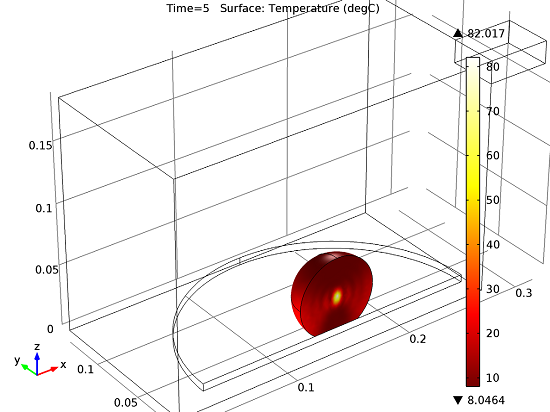
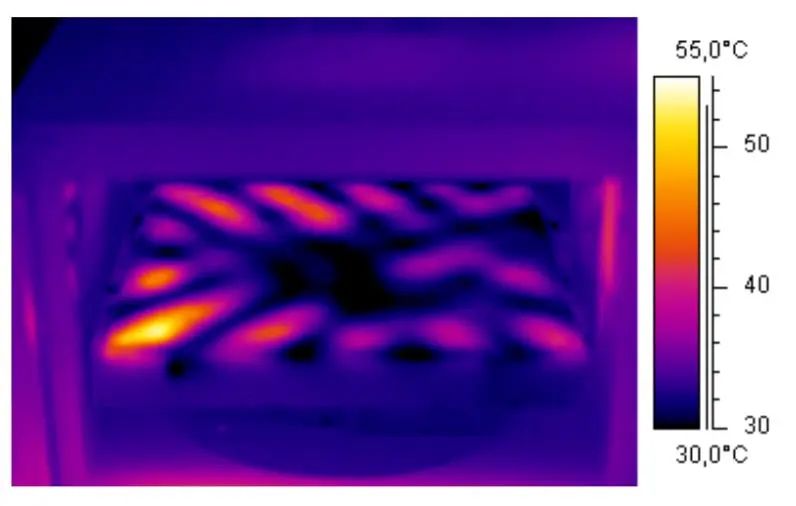
Microwave heating uneven often starts with how microwaves move inside the oven. Waves create hot and cold zones. If food sits in a cold zone, it stays cool while other parts overheat.
Hardware can add problems. A broken turntable, failed magnetron, or clogged vents can make microwave heating uneven. Containers and food shape also matter. Thin edges heat fast while dense centers stay cold.
Old or small microwaves tend to have worse hot spots. Overfilling the cavity changes how energy spreads. Even cookware that looks safe can block or reflect waves and cause microwave heating uneven.
How microwave ovens actually heat food
Microwaves heat by exciting water molecules in food. The energy makes molecules vibrate and produce heat. This creates quick heating but not always even heating.
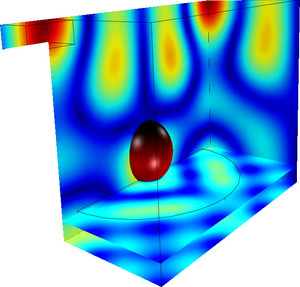
Inside the oven, standing waves form. Those waves make areas of high and low energy. Turntables or stirrers try to spread energy, but they do not always solve hot spots. Thus microwave heating uneven is a physics result, not just a defect.
A weak or aging magnetron will lower output and make the pattern worse. Low power makes dense food stay cold while edges warm slowly. That is why testing and simple fixes often help.

Quick troubleshooting steps to fix microwave heating uneven
Try these checks in order. They are simple and safe.
- Test with a cup of water. Place two identical cups on opposite sides and run for one minute. If one cup is much hotter, the oven may produce uneven energy or the turntable may not work.
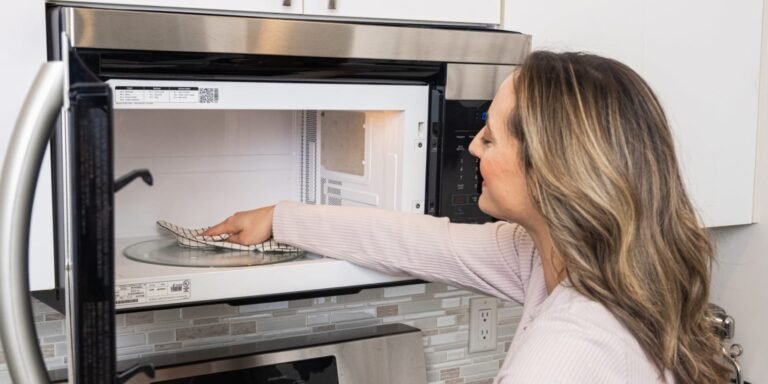
- Check the turntable. Make sure it spins freely and the roller guide is seated. A stuck turntable often causes microwave heating uneven.
- Use a microwave-safe cover. Covering food traps steam and evens heat. This reduces cold spots and splatter.
- Reduce load. Heat fewer items so waves reach food evenly. Crowding creates cold centers and makes microwave heating uneven.
- Try lower power and longer time. Cycling energy helps heat the center without overcooking edges. This simple method improves evenness for most leftovers.
From my experience, the water test gave a clear read on problem ovens 8 out of 10 times. Replacing the roller guide fixed several units for good.
Best containers and techniques to avoid microwave heating uneven
Choose tools and steps that help energy spread.
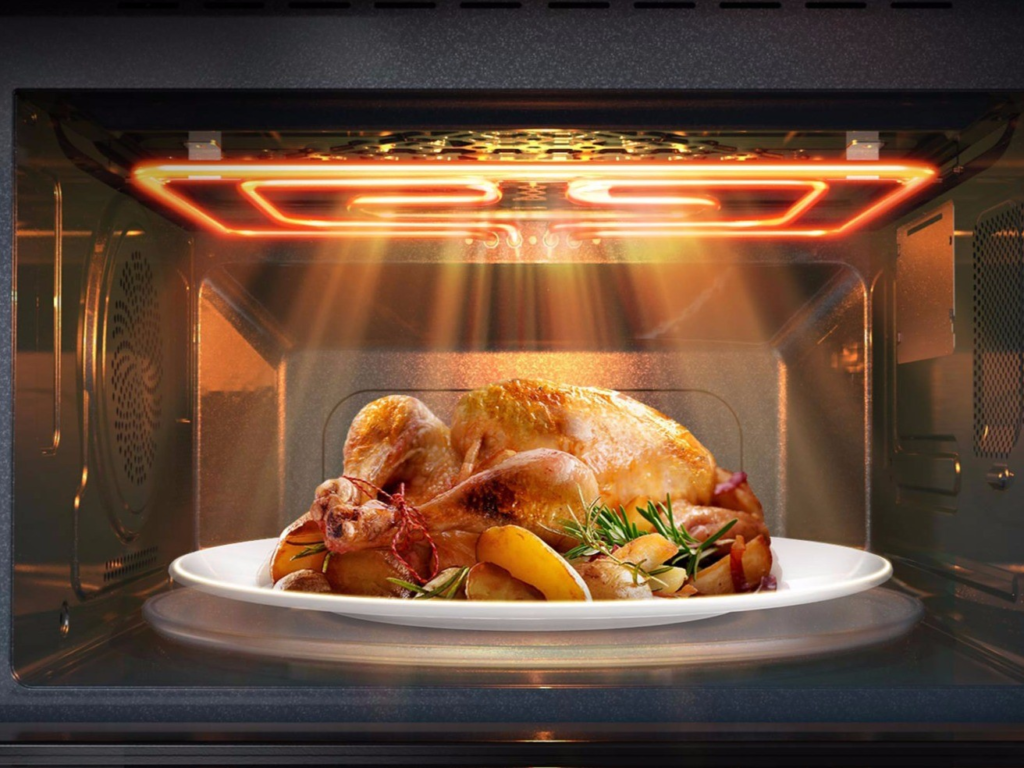
- Use shallow, wide dishes. Thin, flat items heat more evenly than tall, dense ones.
- Pick microwave-safe glass or ceramic. Avoid foil and metal trims that reflect waves and cause sparks.
- Stir and rotate food halfway. This breaks up cold pockets and balances heat.
- Cover loosely with microwave-safe lids or vented plastic. It keeps moisture in and reduces hotspots.
- Arrange food in a ring. Place thicker parts toward the outer edge and thinner parts in the middle to help even heating.
I keep a set of flat glass dishes for reheating. They cut my uneven heating issues by half on busy nights.

Common mistakes that make microwave heating uneven
Avoid these habits to save time and prevent cold spots.
- Heating large solid chunks without thawing. Frozen cores stay cold for long.
- Stacking items. Overlapping plates block waves and create cold zones.
- Using metal or metallic-trimmed dishes. They reflect microwaves and make spots hotter or cause arcing.
- Relying only on high power. High power cooks outer layers faster, leaving cool centers.
- Skipping stir or rest times. Heat evens during short rest periods after microwaving.
These small errors are easy to fix and prevent most household microwave heating uneven problems.
When to call a technician or replace your microwave
If simple fixes do not improve things, consider professional help.
- Sparks, burning smells, or smoke mean stop using the microwave and get a tech. These are safety issues that can signal electrical faults.
- If the magnetron or high-voltage parts fail, repair costs may exceed a low-cost microwave’s value. That often makes replacement the better choice.
- Persistent uneven heating after tests, or loud buzzing and no heat, suggest internal failure. A technician can confirm whether repair is viable.
- Broken door seals or damaged controls should be repaired to keep the oven safe and effective.
I once paid to replace a magnetron in an older unit. The cost and risk made a new microwave the smarter buy.

Maintenance and simple safety tips to reduce uneven heating
Regular care keeps the oven working well and reduces uneven results.
- Clean spills right away. Food residue absorbs energy and changes heating patterns.
- Check the door seal and latch. A tight seal keeps energy inside and stabilizes heating.
- Test with plain water monthly. The two-cup water test shows changes fast.
- Avoid running an empty microwave. That can damage the magnetron and lead to worse microwave heating uneven.
- Replace worn roller guides and cracked turntables. Smooth rotation helps spread heat.
These routine steps are cheap and effective. They extend the life of your oven and cut down on reheats.
Frequently Asked Questions of microwave heating uneven?
Why does my food have cold spots after microwaving?
Cold spots happen when standing waves create low-energy zones inside the oven. Stirring, covering, or using a turntable usually fixes this.
Can container type cause microwave heating uneven?
Yes. Thick plastic, metal, and mismatched plates can block or reflect energy and create hot or cold areas. Use microwave-safe glass or ceramic for best results.
Does microwave age affect evenness?
Yes. Older microwaves or failing magnetrons produce weaker, uneven energy. If tests show uneven heating and low power, the unit may be aging.
Is it safe to heat metal in a microwave if it is small?
Small metal pieces can spark and damage the oven, so avoid them. Some metal cookware designed for microwaves is safe but rare.
How can I evenly reheat leftovers quickly?
Cut food into uniform pieces, arrange in a ring, cover loosely, use medium power, and stir halfway. These steps reduce microwave heating uneven and save time.
Will using a microwave-safe cover help?
Yes. A cover traps steam and helps heat move through the food evenly. It also prevents splatter and speeds up heating.
Conclusion
Uneven microwave heating is common and usually fixable with simple checks and new habits. Test with water, use shallow microwave-safe dishes, stir and rest food, and keep the turntable working. If damage or strange sounds persist, consult a technician or consider replacement.
Try one new tip this week—like the two-cup water test or using a flat glass dish—and see how much better your meals heat. Share your experience below, subscribe for more appliance tips, or leave a comment about your microwave heating uneven issues.