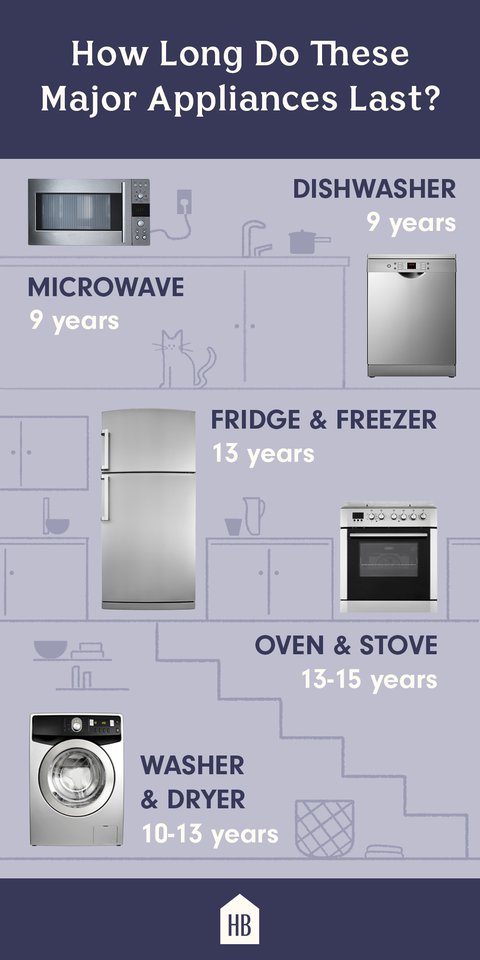
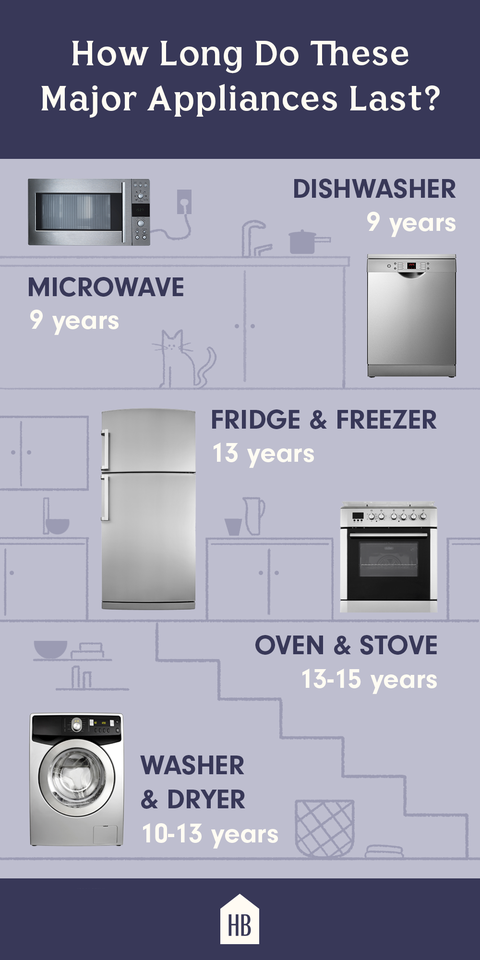
Most microwaves last about 7–10 years with normal use and proper care.
As someone who has repaired and replaced dozens of kitchen appliances over the years, I can say the question microwave lifespan how long comes up all the time. This guide digs into realistic life expectancies for different microwave types, explains the key factors that shorten or extend service life, and gives clear, tested tips you can use today. Read on to learn when to repair, when to replace, and how to get the most from your microwave lifespan how long with simple habits and smart buying choices.

How long does a microwave last?
A typical microwave lasts between 7 and 10 years. Some models, with light use and good care, can reach 12 years or more. Heavy use, poor maintenance, or cheap parts can cut that to 3–5 years.
Key averages I use from industry data and repair experience:
- Countertop microwaves: usually 7–10 years.
- Built-in and over-the-range models: often 9–12 years.
- Commercial or heavy-duty units: lifespan varies based on duty cycle and may be shorter if used beyond design.
Knowing the range helps you set expectations and plan a budget for repair or replacement. Many of the common failures are easy to spot and sometimes cheap to fix. When you ask microwave lifespan how long, think of the number as a range affected by use and care.

Factors that affect microwave lifespan
Several things change microwave lifespan how long in real homes. Here are the main ones:
-
Frequency of use
The more you use it, the faster parts wear. Heating many meals daily shortens life. -
Power level and workload
Running at high power for long cycles stresses the magnetron and capacitor. -
Cleanliness and maintenance
Grease and food spillover cause hot spots. Those speed wear and can cause early failure. -
Build quality and brand
Better components and assembly usually mean more years of service. -
Installation and ventilation
Over-the-range units need clear airflow. Poor ventilation traps heat and shortens components. -
Electrical supply and surges
Power spikes damage control boards and magnetrons. A surge protector can help. -
Repairs and parts availability
Older models may be hard to repair if parts are scarce. That affects the practical microwave lifespan how long it remains usable.
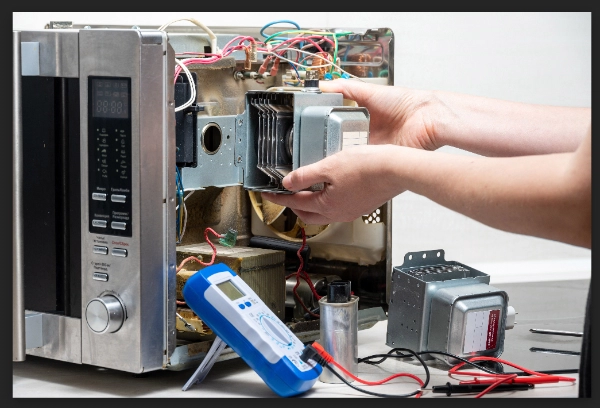
From my repair bench, clogged vents and fried control boards are frequent reasons microwaves stop working sooner than expected. Small fixes can add years if done early.
Types of microwaves and expected lifespans
Different microwave types have different typical lifespans. Here’s a quick breakdown:
-
Countertop microwaves
Life expectancy: 7–10 years. They are easy to replace and often cheaper. -
Over-the-range microwaves
Life expectancy: 8–12 years. They face more heat and need good ventilation. -
Built-in microwaves
Life expectancy: 9–12 years. Installation matters; proper airflow extends life. -
Commercial microwaves
Life expectancy: 3–8 years depending on duty cycle. They are built for heavy use but wear faster under constant load. -
Small or compact microwaves
Life expectancy: 5–9 years. Lower cost and lighter parts can mean shorter life.
When you wonder microwave lifespan how long for a specific style, consider how it is used and installed. I once had a built-in microwave last 13 years because the family cooked mainly on the stove and kept vents clean.
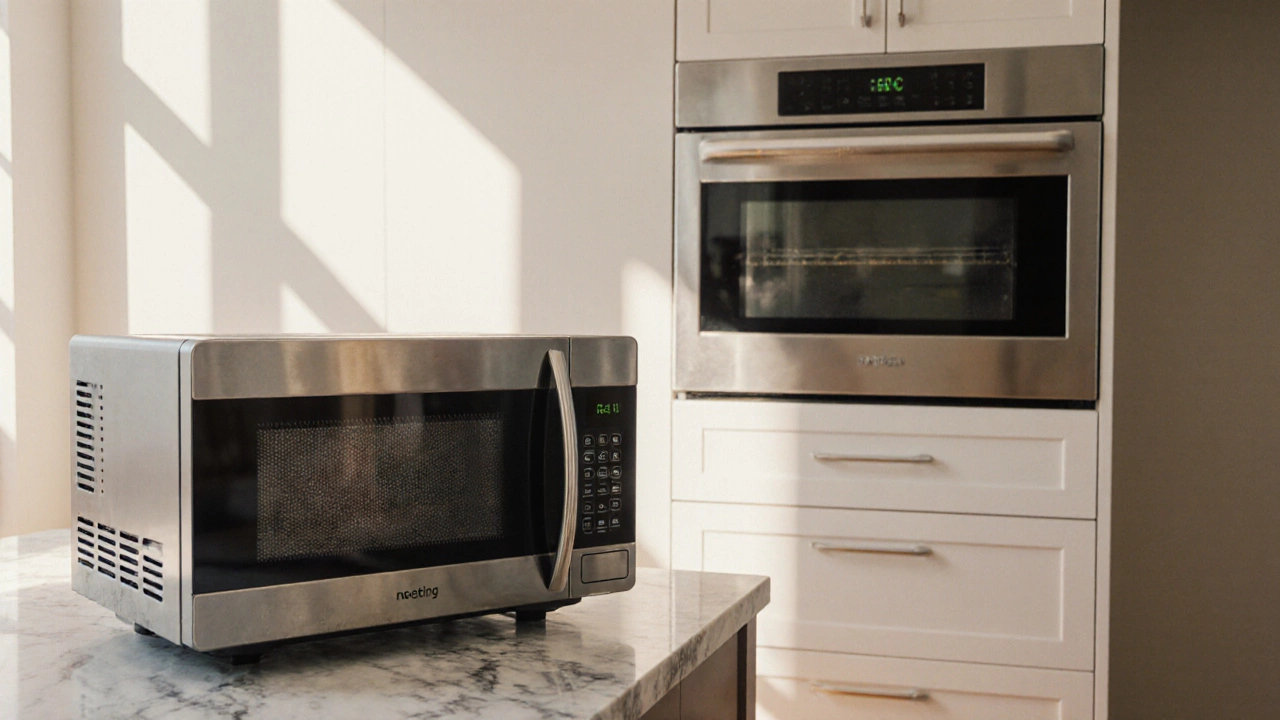
Common failure modes and signs your microwave is failing
Spotting early symptoms saves money. These signs often tell you the end of microwave lifespan how long is near:
-
Strange noises or sparking
Buzzing, humming, or sparks can mean a failing magnetron or damaged waveguide. -
Uneven heating or cold spots
If food heats unevenly, the magnetron or stirrer motor may be failing. -
Turntable stops spinning
This often points to a simple turntable motor or coupling issue. -
Control panel malfunctions
Buttons that stick or a blank display suggest control board or power issues. -
Burning smell or smoke
This is urgent. Stop using the appliance and unplug it immediately. -
Frequent fuse blowouts
Repeated blown fuses point to a deeper electrical problem.
From experience, uneven heating and noise are the earliest and most common complaints before a full failure. If you see sparks, stop using the unit right away.
How to extend your microwave lifespan how long
Small habits add years. Try these easy steps:
-
Clean spills right away
Wipe interior after each use to avoid baked-on messes. -
Use microwave-safe covers
A lid or microwave-safe plate reduces splatter and keeps parts clean. -
Avoid running empty or on high for long times
That stresses the magnetron. -
Allow ventilation space
Give vents room to breathe on countertop units. Over-the-range units must have clear ducting. -
Use a surge protector
Protects electronic control boards from spikes. -
Replace simple parts early
Fix turntable motors or fuses when they first fail; don’t ignore symptoms. -
Schedule periodic checks
Inspect door seals and vents every few months.
I follow these steps at home. My last microwave ran strong for 11 years. Regular cleaning and not overheating frozen meals made a big difference.

Repair vs replace: practical decision guide
When deciding between repair and replacement, consider these points:
-
Age of the microwave
If older than 8–10 years, replacement is often better. -
Cost of repair vs replacement
If repair is more than half the price of a new unit, replace it. -
Nature of the fault
Simple repairs like a turntable motor are cheap. Magnetron or control board failures can be costly. -
Safety and parts availability
If parts are hard to find or the unit has safety issues, buy new. -
Energy efficiency and features
New models often save energy and offer better features.
- Get a repair estimate.
- Compare to new unit price.
- Factor in age and expected remaining microwave lifespan how long.
- Make the call.
I once paid to replace a magnetron in a 9-year-old microwave. The cost was close to 60% of a new unit, so I replaced it. That decision saved time and gave better features.
:max_bytes(150000):strip_icc()/lifespan-of-household-appliances-4158782_final_v3-7b0e2714582145398d1605b3f96cb110.png)
Buying tips to maximize microwave lifespan how long
Choose wisely to get the most years from a new unit:
- Pick trusted brands with good service networks.
- Look for models with metal interiors and durable turntable motors.
- Check warranty length and what it covers.
- Read reviews about long-term reliability.
- Consider models with replaceable parts or easy access for service.
- Match capacity and power to your cooking habits; oversized power for light use can wear parts.
Buying the right model with reasonable power and robust build helps extend microwave lifespan how long. Spend a bit more on quality if you want 10+ years.
Frequently Asked Questions of microwave lifespan how long
How long should a microwave last before replacing it?
Most microwaves last 7–10 years. If it is older than 8–10 years and needs a big repair, replacement is usually wiser.
Can I extend my microwave lifespan how long with simple maintenance?
Yes. Regular cleaning, good ventilation, and avoiding empty runs all help extend life by years.
Is it worth repairing a broken microwave?
It depends. For minor part fixes, yes. If the repair cost is more than half the price of a new unit, replacement is usually better.
Do over-the-range microwaves last longer than countertop models?
Often they last slightly longer due to build quality, but poor ventilation or heavy use can reduce life.
What are the signs that my microwave is near the end of life?
Look for strange noises, uneven heating, sparking, or repeated electrical faults. Those signs suggest major components are failing.
Does warranty affect microwave lifespan how long?
A good warranty does not lengthen life, but it does protect you against early failures and repair costs. Choose a model with reliable coverage.
Conclusion
Understanding microwave lifespan how long helps you plan repairs, upgrades, and purchases with confidence. Regular cleaning, proper use, and timely small repairs can add years. If your unit is old and repair costs are high, replacing it often saves money and gives better features. Take action today: inspect vents, clear spills, and note odd noises. Consider a new model if your microwave is past its expected life or shows multiple failure signs. Share your microwave stories below, subscribe for more appliance tips, or ask a question in the comments.