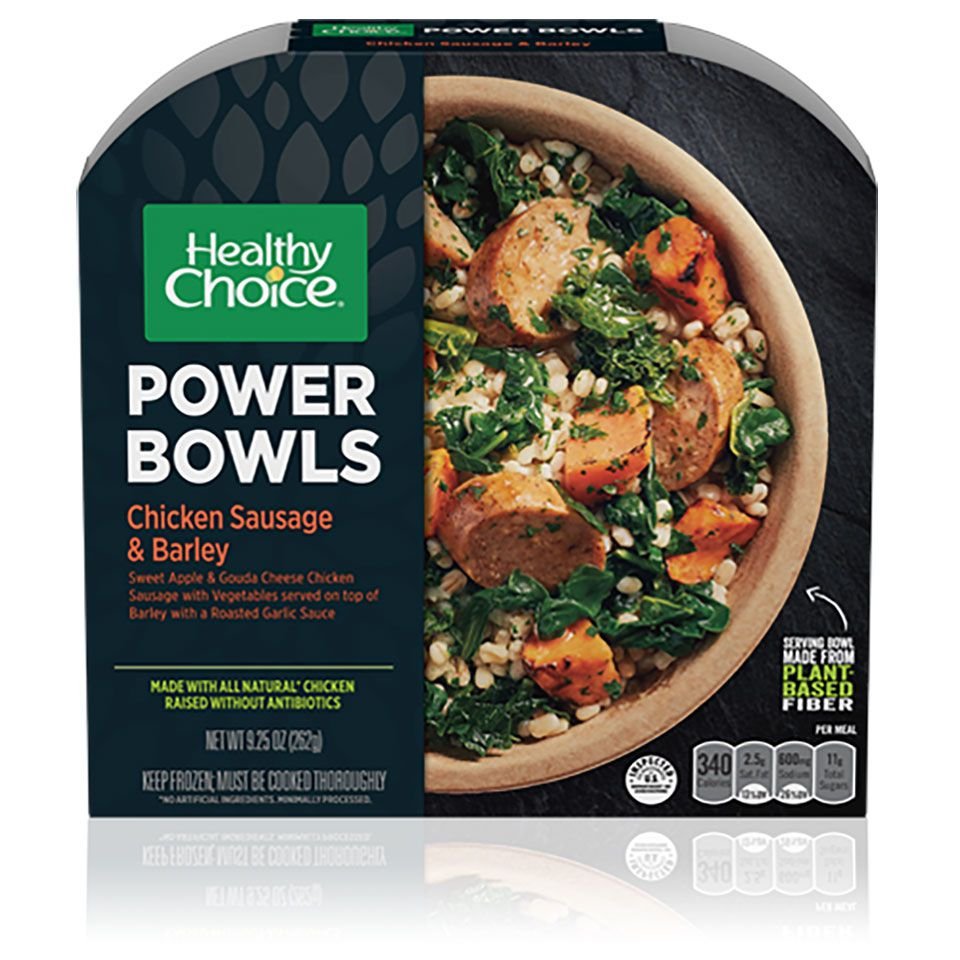
Microwave low calorie meals are quick, healthy dishes that save time and support weight goals.
I’ve designed and tested hundreds of simple microwave low calorie meals for busy people who want real flavor without excess calories. As a nutrition-focused cook, I’ll walk you through why microwave low calorie meals work, how to make them safely, and share practical recipes, meal-prep tips, and troubleshooting advice. Read on for step-by-step recipes, nutrient-smart swaps, and easy ways to keep calories low while enjoying satisfying food made right in your microwave.

Why choose microwave low calorie meals?
Microwave low calorie meals are fast, affordable, and easy to portion. They help you control calories without needing advanced cooking skills. Microwaves heat food quickly, which cuts prep time and often reduces oil use. This makes it simple to build meals around lean protein, vegetables, and whole grains.
I’ve used microwave low calorie meals during busy weeks and found they keep hunger at bay and lower impulse eating. For people tracking calories, these meals make portion control reliable and repeatable. They also fit into office routines, dorm life, and small kitchens.
Benefits at a glance:
- Fast cooking that saves time and reduces fat use.
- Reliable portion control for calorie tracking.
- Low equipment needs—no stove or oven required.
- Good nutrient retention for many vegetables when steamed quickly.

Nutrition basics for microwave low calorie meals
A balanced microwave low calorie meal should include protein, fiber, and healthy fat in modest amounts. Aim for 300–500 calories per meal for most weight-loss plans, depending on your needs. Prioritize lean proteins and fiber-rich carbs to boost fullness.
Simple composition rules:
- Protein: 20–30 grams per meal to support satiety and muscle maintenance.
- Fiber: 5–10 grams per meal to help fullness and digestion.
- Healthy fats: 5–15 grams to aid flavor and nutrient absorption.
- Vegetables: Fill half the plate with low-calorie, micronutrient-rich vegetables.
I rely on quick-cooking proteins like egg whites, canned beans, tofu, and thin chicken slices for microwave low calorie meals. They reheat well and keep calories predictable. When possible, weigh portions or use measuring cups to keep numbers accurate.

Microwave safety and smart cooking tips
Microwave low calorie meals are safe if you use microwave-safe containers and follow basic rules. Cover food to retain moisture, but allow venting to prevent pressure build-up. Stir or rotate food when possible to avoid cold spots.
Safety checklist:
- Use microwave-safe glass, ceramic, or BPA-free plastic containers.
- Pierce or vent tight lids and plastic wrap to release steam.
- Stir midway through cooking when heating dense foods.
- Let food rest for 1–2 minutes after microwaving for even heat distribution.
- Check internal temperatures for proteins—165°F (74°C) is a safe target for reheated leftovers.
I once underheated a chicken bowl and learned to test temperature each time. A quick thermometer check prevents foodborne illness and ensures quality.
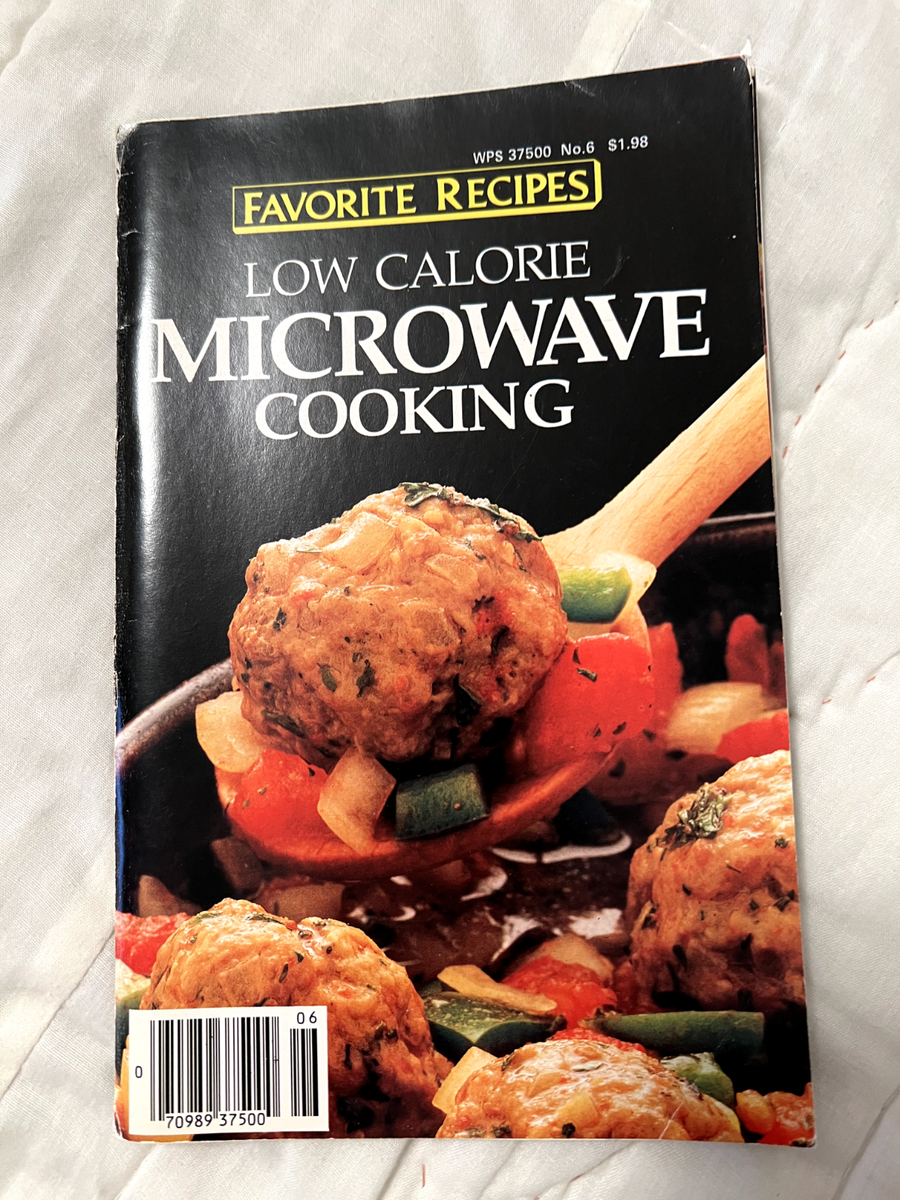
12 easy microwave low calorie meals (recipes and calories)
Below are simple recipes you can make in 5–15 minutes. Each recipe is designed to be low calorie and balanced. Portions and calories are approximate.
- Egg white veggie scramble — ~180 calories
- Ingredients: 1 cup egg whites, 1/2 cup chopped spinach, 1/4 cup diced bell pepper, salt, pepper.
- Steps: Mix ingredients in a microwave-safe bowl. Microwave 90 seconds, stir, then microwave 30–45 seconds until set. Let rest 30 seconds.
- Greek yogurt berry bowl — ~220 calories
- Ingredients: 3/4 cup nonfat Greek yogurt, 1/2 cup mixed berries, 1 tbsp flaxseed.
- Steps: Combine and enjoy cold or microwave 20 seconds for warm.
- Microwave salmon packet with asparagus — ~320 calories
- Ingredients: 3 oz salmon, 6 asparagus spears, lemon juice, pepper.
- Steps: Place on parchment in a microwave-safe plate, cover with microwave-safe lid, cook 3–4 minutes. Rest 1 minute.
- Quinoa and bean bowl — ~350 calories
- Ingredients: 1/2 cup cooked quinoa, 1/3 cup canned black beans (rinsed), 1/4 cup salsa, cilantro.
- Steps: Mix and microwave 60–90 seconds. Top with salsa.
- Oatmeal mug with banana and cinnamon — ~250 calories
- Ingredients: 1/2 cup rolled oats, 1 cup water or skim milk, 1/2 banana, cinnamon.
- Steps: Microwave 90–120 seconds, stir, top with sliced banana.
- Microwave chicken stew (single serve) — ~400 calories
- Ingredients: 3 oz cooked shredded chicken, 1/2 cup diced tomatoes, 1/2 cup mixed veggies, 1/4 cup low-sodium broth.
- Steps: Combine in bowl, cover, microwave 2–3 minutes, stir, microwave until hot.
- Veggie-packed baked potato — ~300 calories
- Ingredients: 1 medium potato, 1/2 cup steamed broccoli, 2 tbsp Greek yogurt, chives.
- Steps: Pierce potato, microwave 6–8 minutes. Top with steamed broccoli and yogurt.
- Tofu and veggie stir bowl — ~330 calories
- Ingredients: 4 oz firm tofu (cubed), 1 cup mixed veggies, 1 tbsp low-sodium soy sauce.
- Steps: Microwave tofu and veggies 2–3 minutes, stir, add soy sauce, microwave 30 seconds.
- Lentil soup in a mug — ~280 calories
- Ingredients: 1/2 cup cooked lentils, 1/2 cup low-sodium broth, diced carrot, spices.
- Steps: Combine and microwave 2–3 minutes until hot.
- Cauliflower rice and turkey mince — ~340 calories
- Ingredients: 3 oz ground turkey (pre-cooked or microwavable), 1 cup cauliflower rice, spices.
- Steps: Microwave cauliflower 2 minutes, add turkey, microwave 1–2 minutes.
- Spinach and feta omelet in a mug — ~200 calories
- Ingredients: 2 eggs or 3 egg whites, 1/2 cup spinach, 1 tbsp crumbled feta.
- Steps: Whisk eggs, add fillings, microwave 90–120 seconds, check and serve.
- Chia pudding (overnight microwave prep) — ~220 calories
- Ingredients: 3 tbsp chia seeds, 1 cup almond milk, 1 tsp honey, berries.
- Steps: Warm milk 30 seconds, mix with chia, refrigerate for 4+ hours.
These microwave low calorie meals are flexible. Swap veggies or proteins to match your calorie goals. I test recipes with a kitchen scale for consistent calories.

Meal prep and storage strategies
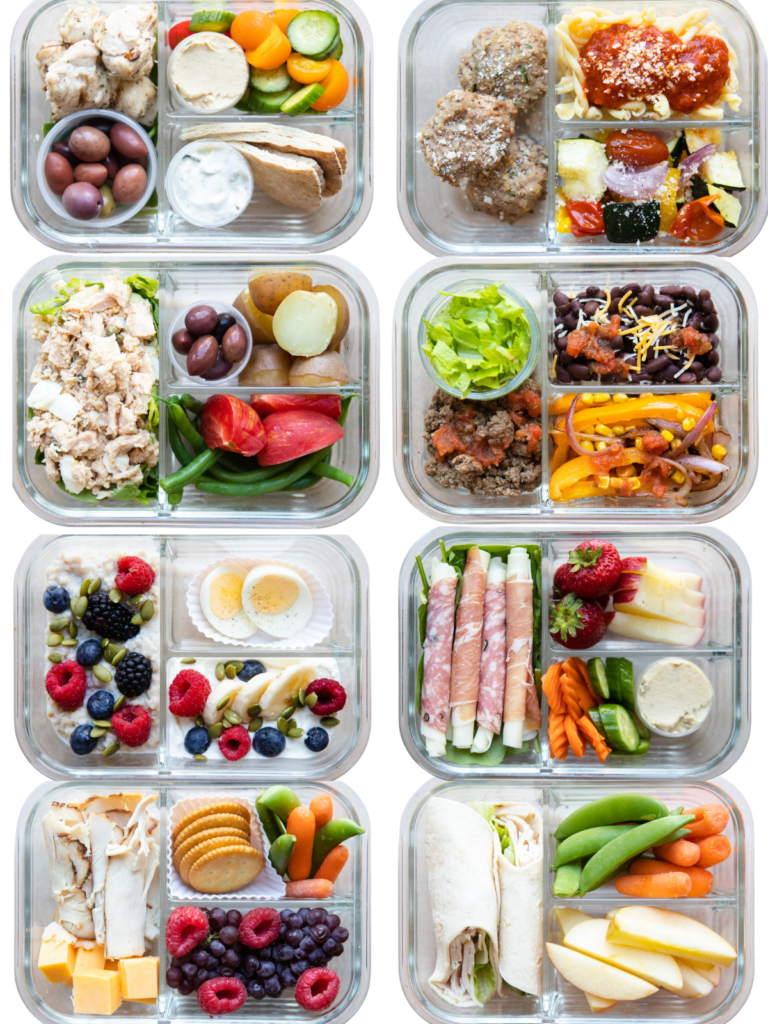
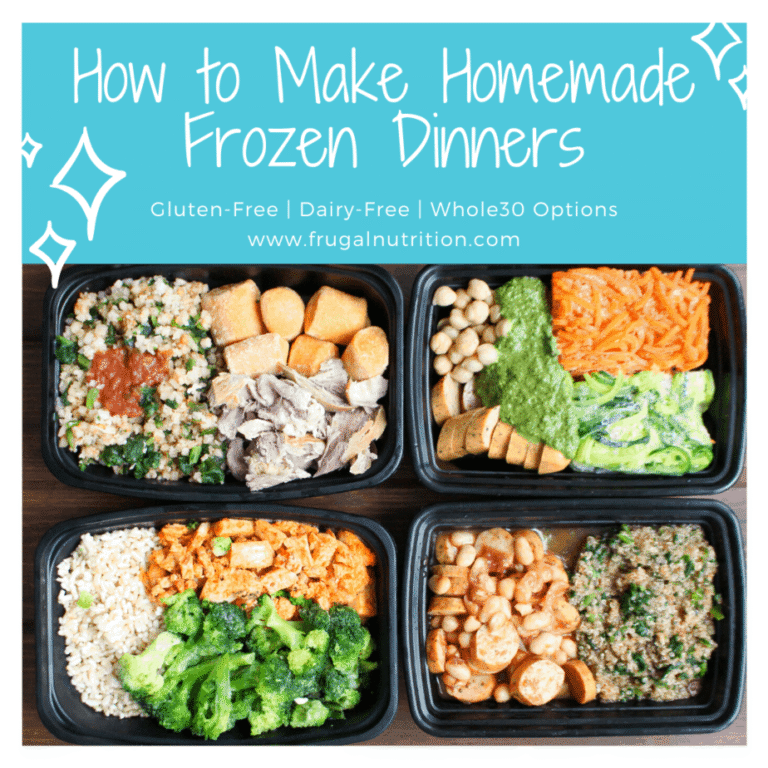
Planning helps microwave low calorie meals stay easy and tasty. Batch-cook grains and proteins, portion into single-serve containers, and label with calories and date. Use airtight containers to preserve texture.
Meal-prep tips:
- Cook bulk quinoa, brown rice, or lentils and freeze single portions.
- Pre-chop vegetables and store in clear containers for quick assembly.
- Pack sauces separately to prevent sogginess.
- Reheat covered with a vented lid and check temperature.
I recommend prepping 3–5 microwave low calorie meals at once. This reduces decision fatigue and keeps you on track during busy days.

Common mistakes and how to avoid them
Many people overcook or under-season microwave low calorie meals. Others rely on high-calorie sauces that negate calorie control. Avoid these issues with small adjustments.
Common problems and fixes:
- Soggy vegetables: Cook shorter and use resting time to finish cooking.
- Uneven heating: Stir halfway through cooking or use a microwave-safe turntable.
- Hidden calories: Measure oils and sauces and opt for fresh herbs and spices.
- Dry proteins: Add a splash of broth or cover while microwaving to retain moisture.
I once added too much dressing and doubled the meal’s calories. Now I measure sauces before adding them.
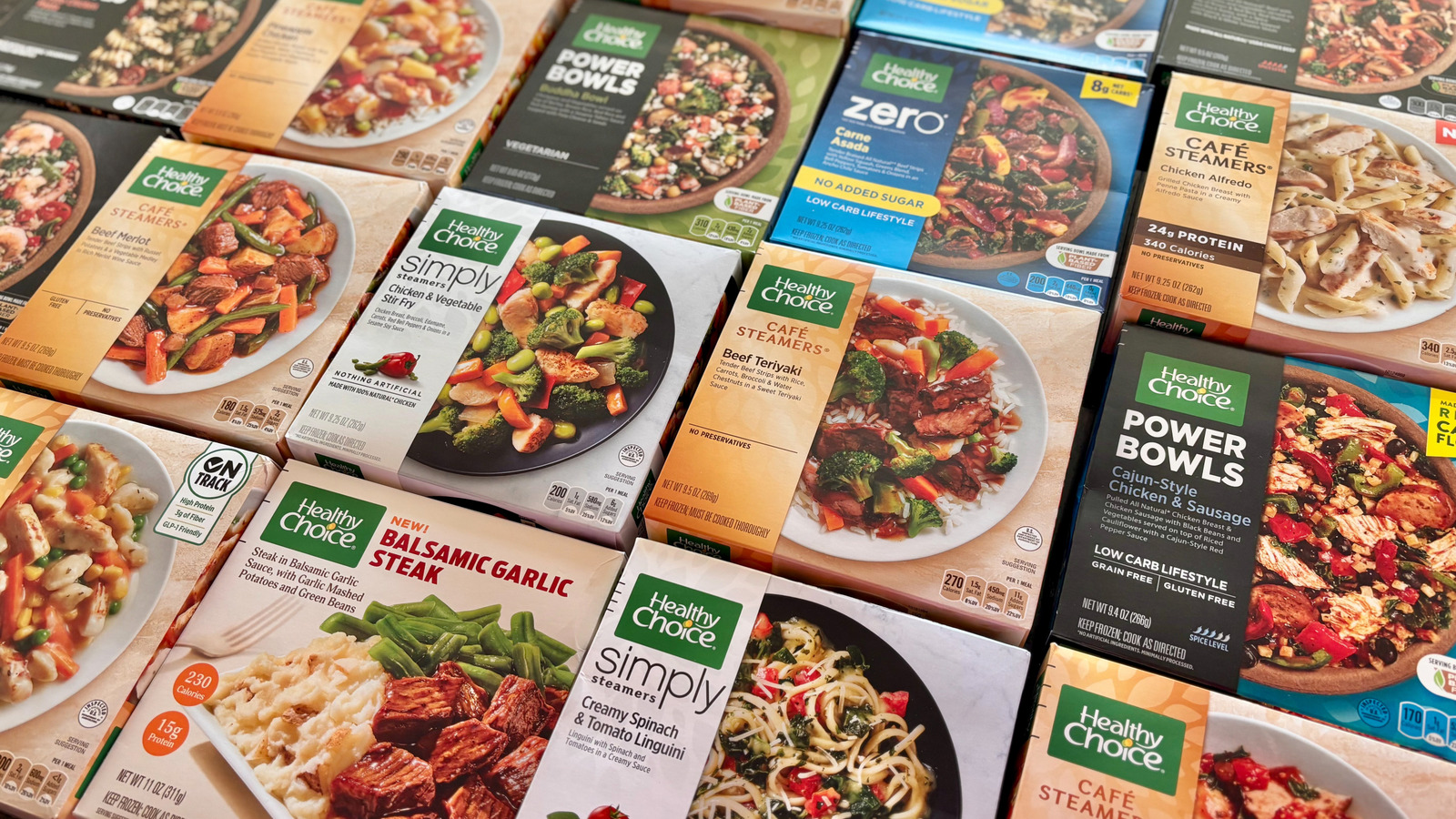
Tracking calories and staying on target
Consistent tracking keeps microwave low calorie meals effective. Use a food scale and a simple app to log portions. Record meals and review weekly to spot trends.
Tracking tips:
- Weigh proteins and grains before cooking when possible.
- Save favorite microwave low calorie meals as recipes in your tracking app.
- Aim for gradual changes—small daily calorie deficits lead to sustainable weight loss.
- Adjust portion sizes rather than removing foods you enjoy.
Tracking built confidence for me. It helped me see where hidden calories lived and how simple swaps improved results.

Frequently Asked Questions of microwave low calorie meals
What counts as a low calorie microwave meal?
A low calorie microwave meal generally ranges from 200 to 500 calories. The exact number depends on your daily calorie budget and activity level.
Are microwave meals nutritionally inferior?
Not necessarily. Microwave cooking can preserve vitamins in vegetables and is fine when meals include protein, fiber, and healthy fats. Avoid heavily processed microwave meals.
Can I batch-cook and freeze microwave meals?
Yes. Many microwave low calorie meals freeze well in single portions and can be reheated in the microwave. Use freezer-safe containers and label dates.
Is microwave cooking safe for nutrients?
Microwaving often preserves nutrients because cooking time is short and less water is used. Steaming vegetables in the microwave keeps vitamins intact.
How do I prevent uneven heating?
Stir halfway through cooking, use a vented cover, and allow standing time. These steps reduce cold spots and ensure even temperature.
Conclusion
Microwave low calorie meals make healthy eating practical, fast, and flexible. They let you control portions, save time, and still enjoy real food. Start with simple recipes, track portions, and prep a few single-serve meals each week to stay consistent.
Take action today: pick two microwave low calorie meals from the recipes above, prep them this week, and track your portions. Share your results or questions in the comments and subscribe for more easy, calorie-smart recipes.