Microwave Magnetron Function: How It Works
A magnetron converts electrical energy into microwave radiation used for heating food in a microwave oven.
I have worked around kitchen appliances and electronics long enough to explain microwave magnetron function clearly and simply. This article breaks down how a magnetron makes microwaves, what parts matter most, common faults, and safe ways to handle or diagnose issues. You will learn practical tips I’ve picked up from repairs and testing. Read on for a complete, friendly, and expert guide to microwave magnetron function.
How a magnetron works
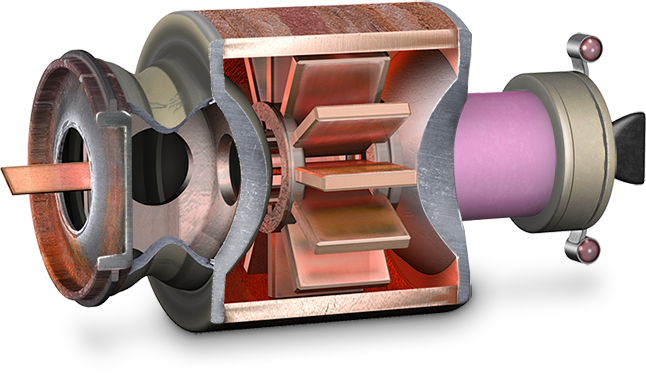
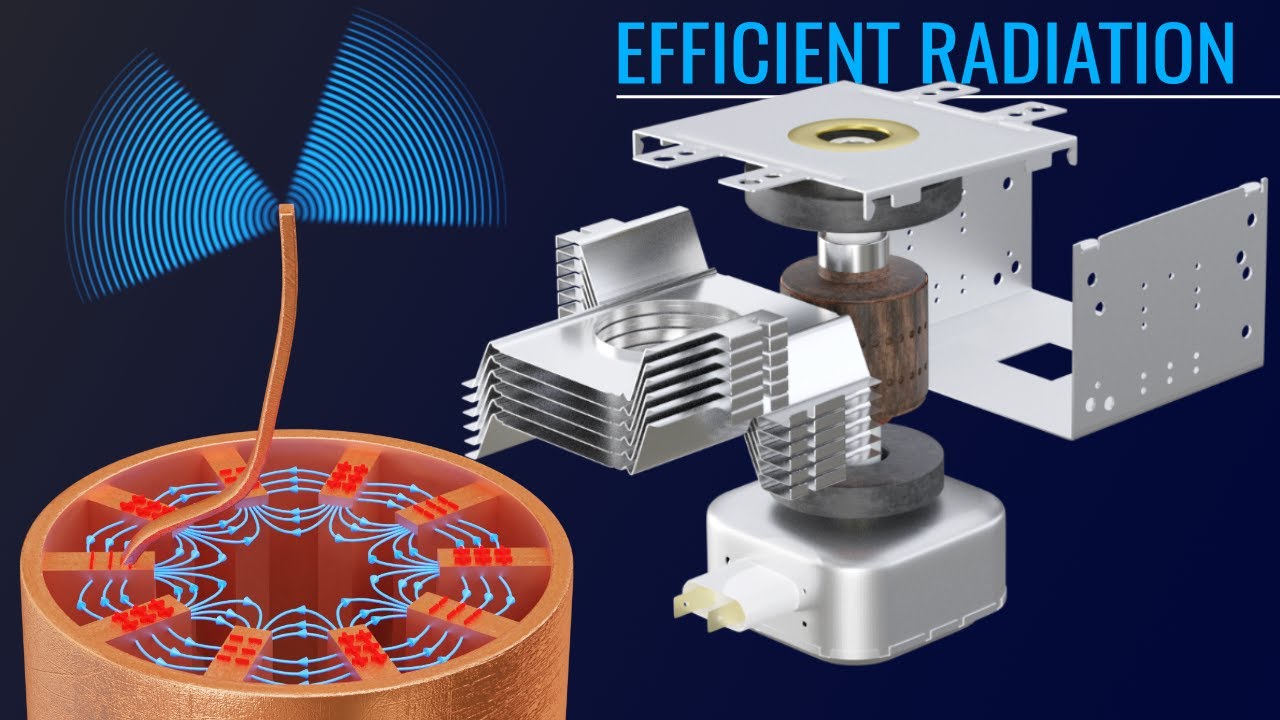
A magnetron is a vacuum tube that makes microwaves by forcing electrons to move in circular paths. It uses a heated cathode that emits electrons. Those electrons are shaped by a magnetic field and pass by metal cavities. The cavities are tuned to resonate at about 2.45 GHz, which makes the microwaves.
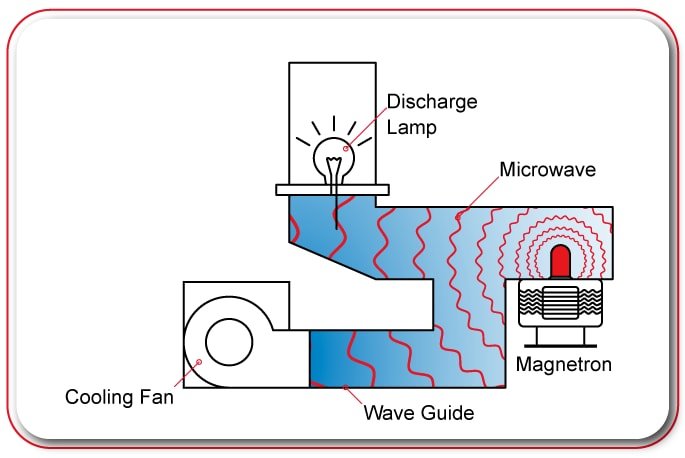
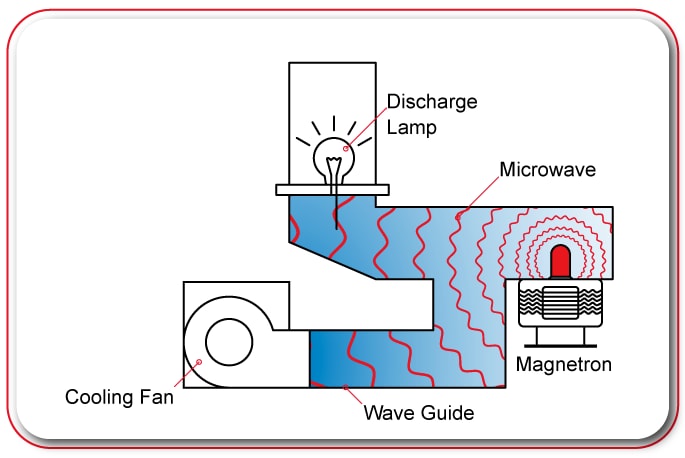
Microwaves leave the magnetron through an output antenna and travel via a waveguide into the oven cavity. There the energy is absorbed by water and fat molecules in food. That absorption causes the food to heat fast and from the inside out.
Steps in simple terms:
- Electrons are emitted from the cathode and pulled toward the anode by voltage.
- A perpendicular magnetic field bends their paths into circular orbits.
- Electrons excite resonant cavities, creating microwave oscillations.
- Microwaves are fed out into the oven cavity through a waveguide.
I like to think of the magnetron as a tiny radio station inside the oven. The cavities are the radio towers. The electrons are the broadcasters. The oven then gets the signal and turns it into heat.
The clear, main point is this: the microwave magnetron function is to turn high-voltage DC into focused microwave energy that can heat food quickly and efficiently.

Key components and their roles
Understanding parts helps you diagnose problems. Each part plays a clear role in microwave magnetron function.
Main components:
- Cathode: Emits electrons when heated.
- Anode block with resonant cavities: Shapes electron motion and sets the microwave frequency.
- Permanent magnets: Create the magnetic field that bends electron paths.
- Output antenna or coupling loop: Sends microwaves from the magnetron into the waveguide.
- Cooling fins and mounting: Help remove heat and secure the tube.
Auxiliary items that matter:
- High-voltage transformer and capacitor: Provide the DC voltage to drive the magnetron.
- Waveguide: Directs microwaves to the oven cavity.
- Thermal sensors or interlocks: Prevent overheating and unsafe operation.
These parts work together. If one fails, the microwave magnetron function drops or stops. For example, a weak cathode emission or failed magnet will reduce microwave output and make heating slow or uneven.
Microwave magnetron function in microwave ovens
In a kitchen microwave, the magnetron turns electrical power into the microwave field that cooks food. Typical home magnetrons operate around 600–1200 watts of microwave output. The household power supply and internal high-voltage circuitry supply the magnetron with several thousand volts.
How that translates to heating:
- Microwaves enter the oven cavity and bounce off metal walls.
- Water and polar molecules in food try to align with the alternating field.
- This back-and-forth motion causes friction and heats the food.
Differences to note:
- Standard magnetron microwaves produce fixed-frequency power pulses. Inverter microwaves use different electronics to give variable power but may still use a magnetron.
- Power rating on the oven is not the magnetron tube rating exactly. Efficiency, cavity design, and waveguide coupling all affect final heating.
Common symptoms of reduced magnetron performance:
- Longer heating times for the same power setting.
- Cold spots or very uneven heating.
- Strange noises or a burning smell during operation.
If the microwave magnetron function drops, check the door interlocks, HV capacitor and diode, and finally the magnetron itself. Often the HV components fail before the magnetron.

Common failures, troubleshooting, and safety
Magnetrons are robust but can fail. Here are common causes and what to look for.
Common failures:
- Burned or cracked anode block from arcing.
- Cathode degradation after long life.
- Mechanical damage to the antenna or coupling.
- Faults in the high-voltage supply or diode.
Troubleshooting steps for the home technician:
- Verify the oven gets power and fuses are intact.
- Test for heating with a known-safe load like a cup of water, but do not run the oven empty for long.
- Inspect for visible damage or burn marks in the cavity and waveguide.
- Check HV components with appropriate tools only if you know how; capacitors hold lethal charge.
Safety rules:
- Always unplug before opening the chassis.
- Discharge HV capacitors safely; they can store dangerous voltage.
- Do not touch the magnetron face or terminals. It contains beryllium oxide ceramic in some designs and is unsafe to disassemble.
- Replace magnetrons only with correct, rated parts and follow manufacturer guidance or use a qualified technician.
Be transparent: repair can be hazardous. If you are unsure, get professional help. The magnetron produces high voltage and uses materials that require careful handling.
Personal experience and practical tips
I have repaired several microwaves in my own kitchen and at small repair shops. I once replaced a magnetron where the oven only warmed food slowly. The real problem was a cracked HV diode. Replacing the diode fixed the issue without wasting a costly tube.
Lessons learned:
- Test simple items first like fuses and diodes. They often fail more than magnetrons.
- Keep a notebook of oven model numbers and part specs. It speeds repairs.
- When replacing a magnetron, check the mounting and gasket to avoid microwave leaks.
- Avoid running the oven empty. It stresses the magnetron and shortens its life.
Practical tips for users:
- Use microwave-safe covers to keep splatter off the waveguide and magnetron area.
- Rotate food or use the turntable for even heating to reduce stress on the magnetron.
- If your microwave emits odd sounds or sparks, stop using it and unplug immediately.
These are small steps that protect both the appliance and your safety. They also preserve the magnetron’s life and the microwave magnetron function.
Frequently Asked Questions of microwave magnetron function
What exactly does a magnetron do in a microwave oven?
A magnetron converts high-voltage electrical energy into microwave radiation. Those microwaves then heat food by agitating water molecules.
How long does a typical magnetron last?
Most magnetrons last 5–10 years under normal home use. Heavy or commercial use shortens that life significantly.
Can I replace a magnetron myself?
Replacing a magnetron is possible but risky due to high voltages and hazardous materials. It is best done by a trained technician unless you have experience.
Why does my microwave hum but not heat?
A humming motor or transformer can run while the magnetron or HV diode has failed. The sound can continue even if no microwaves are produced.
Are magnetrons dangerous to people?
Operating magnetrons inside a sealed oven is safe. Direct exposure, disassembly, or leakage can be harmful, so avoid tampering with the device.
What causes a magnetron to fail prematurely?
Running the oven empty, frequent arcing, or poor cooling can cause early failure. Faulty power components also stress the tube.
Conclusion
Understanding microwave magnetron function helps you use and maintain your microwave more wisely. The magnetron is the heart of the oven. It makes microwaves, and its health determines how well your microwave cooks. Use simple checks first, follow safety rules, and call a professional for repairs you can’t handle. Try the tips here to extend the life of your appliance, and leave a comment or subscribe to learn more about appliance care.