A noisy microwave usually means a loose, worn, or failing part that needs inspection.
I’ve spent years repairing and testing kitchen appliances, and I know the alarm a noisy microwave can cause. This guide explains why your microwave making noise? what the likely causes are, how to diagnose the sound safely, quick fixes you can try, and when to call a professional. Read on for clear steps, real-world tips from my experience, and practical maintenance advice to keep your microwave quiet and working well.
Common causes when your microwave making noise?
When your microwave making noise? it often comes from a handful of parts that wear out or shift. Many noises are harmless but annoying. Others hint at electrical or mechanical faults that need repair.
Typical causes include:
- Turntable motor problems. A grinding or buzzing often points here.
- Roller or glass tray misalignment. Clunking sounds can occur when the tray rubs.
- Stirrer or magnetron cooling fan issues. Fans make whirring or rattling noises.
- Worn bearings in motors. Bearings can squeal or grind when old.
- Loose screws or mounting brackets. Vibration amplifies simple looseness.
- High-voltage components or magnetron faults. These can make popping or arcing sounds.
From my service experience, the most common culprit is the turntable system. I’ve fixed many microwaves where simply cleaning underneath the tray stopped the noise. When your microwave making noise? start with the simple checks before assuming a major failure.
How to safely diagnose why your microwave making noise?
Safety first. Always unplug the microwave before touching anything inside or underneath. If the noise happens only when heating, use these steps.
Diagnostic steps:
- Observe when noise occurs. Note if it’s only during heating, only when rotating, or constantly.
- Listen closely to locate the area. Is it from the top, back, or inside the cavity?
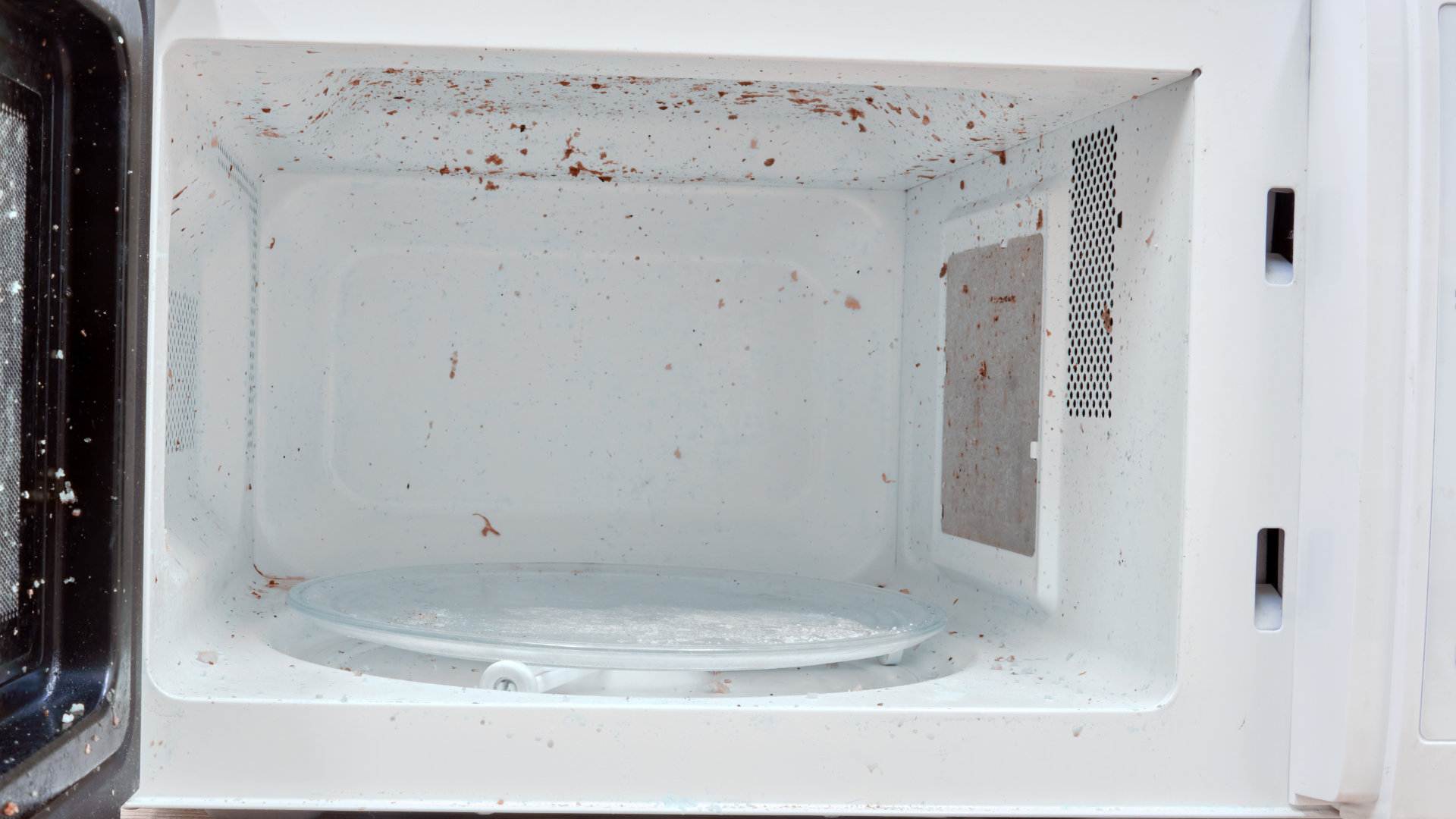
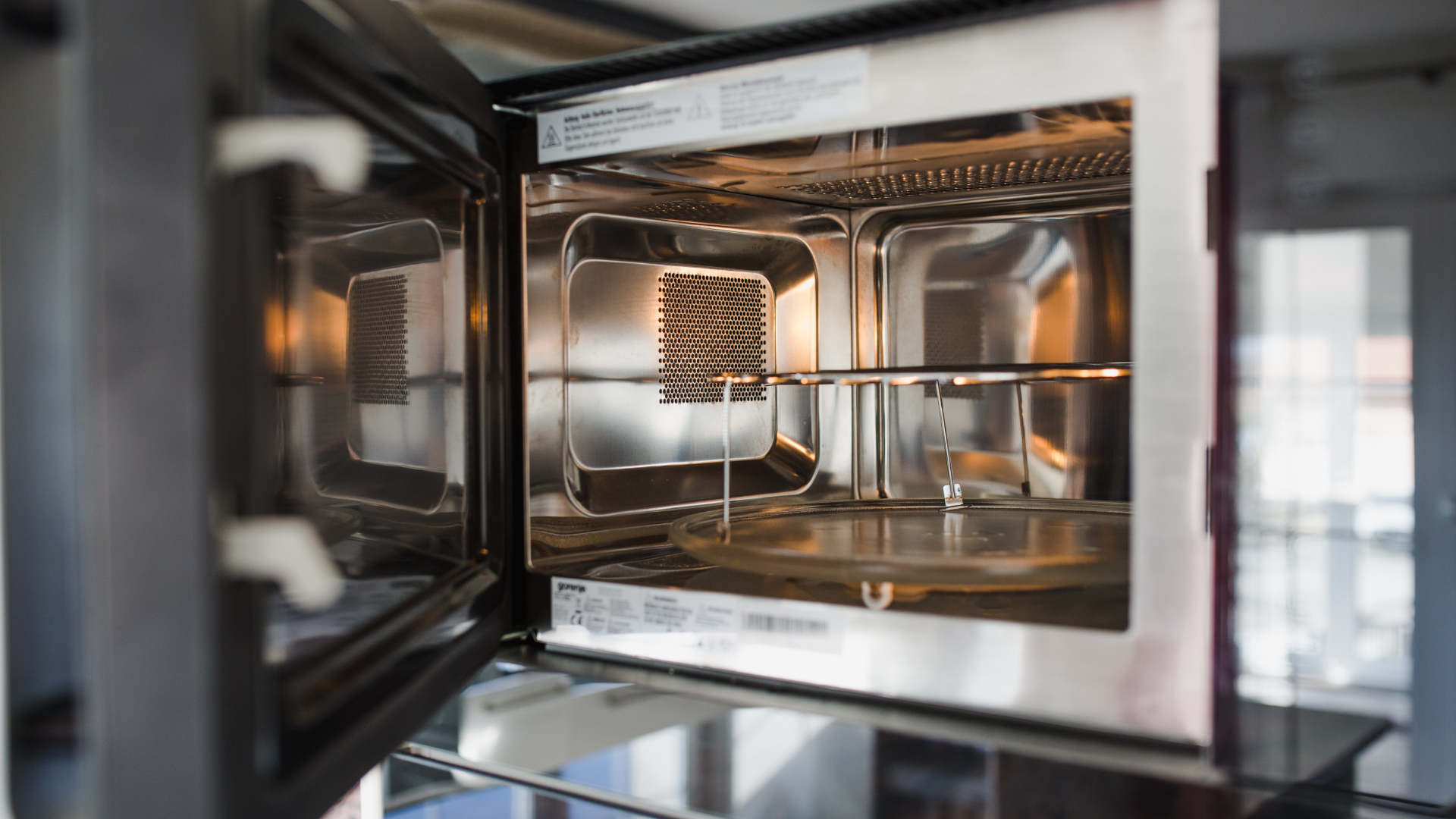
- Remove the glass tray and roller ring. Clean them and run the microwave briefly (without food) to see if noise persists.
- Check for loose screws on the casing and bottom. Tighten gently if needed.
- Inspect the turntable motor with the tray removed. A loud motor usually needs replacement.
- If the noise is a high-pitched electrical sound, stop using the unit and unplug it.
When your microwave making noise? keep a log of the sound type, timing, and any smells or sparks. This helps if you call a repair technician. From trying these steps in my shop, most users find the noise source quickly and fix it without major parts.

Quick fixes you can try when your microwave making noise?
Many fixes are cheap and easy. Try these before buying parts or calling a technician.
Simple fixes:
- Clean the cavity, tray, and roller. Food debris often makes noise and blocks rotation.
- Re-seat the glass tray and roller ring. Ensure they sit flat and turn freely.
- Tighten external screws. Vibration can loosen screws around the case and feet.
- Replace the roller ring. These are inexpensive and swap in minutes.
- Lubricate the turntable motor shaft with a tiny drop of machine oil if accessible. Use sparingly and only on metal shafts.
- Test with a cup of water to ensure magnetron operation is normal.
I’ve replaced countless roller rings and seen immediate silence restored. If your microwave making noise? try these low-cost steps first. They solve the majority of minor noise issues.

When to call a professional about your microwave making noise?
Some noises need expert attention. If you hear sparks, burning smells, or loud electrical buzzing, stop using the microwave and call a professional.
Call a pro if:
- You hear arcing, popping, or burning smells.
- The noise is loud and comes from high-voltage parts like the magnetron.
- The motor buzz continues after replacing the roller or tray.
- The microwave is under warranty and requires internal repair.
- You’re not comfortable opening panels or handling electrical parts.
In my experience, magnetron and high-voltage repairs should never be DIY. They carry shock risks and require special parts and testing. When your microwave making noise? know your limits and get a trained technician for internal electrical faults.
Maintenance tips to prevent your microwave making noise?
Good habits keep your microwave quiet and extend its life. Regular checks prevent many noise issues.
Maintenance checklist:
- Clean spills and food crumbs after each use. Keep the roller and cavity clean.
- Inspect the glass tray and roller ring monthly for chips and wear.
- Avoid running the microwave empty. This stresses the magnetron.
- Keep vents clear and dust-free to prevent fan noise.
- Level the microwave on a stable surface to avoid vibration.
- Replace worn parts at the first sign of noise.
Years of routine maintenance in my kitchen and shop have kept appliances silent and reliable. Preventive care is easier and cheaper than repairs. When your microwave making noise? these small steps often stop the problem before it starts.

Parts, repair options, and typical costs when your microwave making noise?
Understanding costs helps you decide repair versus replace. Prices vary by model and region.
Common part costs:
- Roller ring: $5–$15.
- Glass tray: $10–$40.
- Turntable motor: $20–$60.
- Cooling fan: $20–$80.
- Magnetron: $80–$200 or more, plus labor.
Repair choices:
- DIY parts replacement for roller rings and trays is inexpensive.
- Motor or fan replacement often requires a technician if you’re not comfortable with disassembly.
- Magnetron or high-voltage repairs can approach the cost of a new microwave for older or small units.
From repairing dozens of units, I often recommend replacing a microwave if the magnetron fails on a low-cost model. When your microwave making noise? weigh the repair cost, age, and features before deciding.
Frequently Asked Questions of microwave making noise?
What does a grinding sound mean when my microwave making noise?
A grinding sound usually points to the turntable motor or worn bearings. Remove the tray and test; if the sound remains, the motor likely needs replacement.
Is it safe to use a microwave making noise?
It depends on the noise. Rattles or tray noises are usually safe. Sparks, burning smells, or loud electrical buzzes are unsafe—unplug and stop using it.
How long does a turntable motor last if my microwave making noise?
A turntable motor can last many years with light use, but heavy daily use may wear it in 3–7 years. Regular cleaning and avoiding overloading help extend its life.
Can I replace the roller ring myself when my microwave making noise?
Yes. Roller rings and glass trays are designed for user replacement and are affordable. Unplug the unit and follow the manual for safe removal and installation.
Why does the microwave make a high-pitched squeal when heating and my microwave making noise?
A high-pitched squeal may come from the cooling fan or magnetron shielding. If it’s electrical, stop using the microwave and get professional service to avoid hazards.
Conclusion
Noisy microwaves are common and usually fixable. Start with simple checks: clean the tray and roller, tighten loose parts, and observe when the noise happens. Use safe diagnostic steps and call a professional for sparks, smells, or high-voltage issues. Small maintenance habits prevent most problems and save money over time. If your microwave making noise? take action today—try the quick fixes, track the sound, and decide whether a DIY part swap or professional repair is best. Share your experience below, subscribe for more appliance tips, or ask a question in the comments.