Only some metals are safe in microwaves; most metal can spark, catch fire, or damage the oven.
I have worked with kitchen safety guides and tested microwave practices for years, so you can trust clear, practical advice on microwave metal use guidelines?. This article explains which metals are safe, which are not, how microwaves and metal interact, and easy, real-world rules you can follow to avoid sparks, fires, or ruined appliances. Read on to learn step-by-step guidance you can use tonight.

How microwaves and metal interact
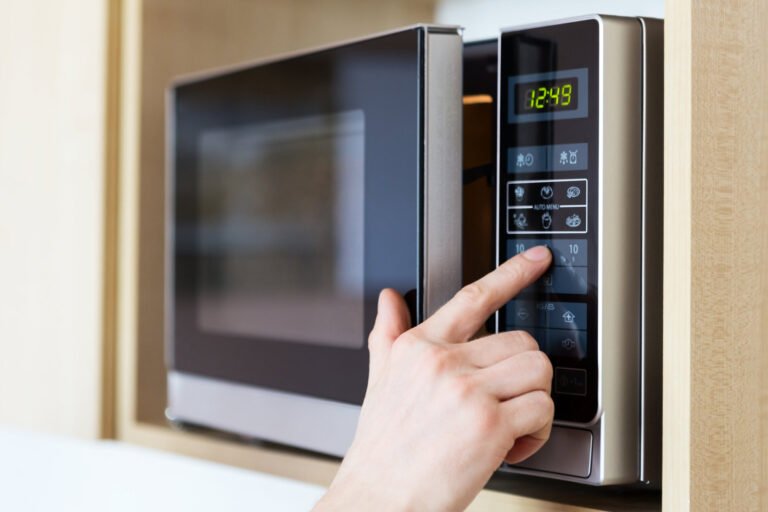
Microwaves heat food by exciting water molecules. Metal reflects microwave energy. That reflection can cause uneven fields. Sharp edges or thin foil concentrate energy. That concentration creates sparks and can start a fire or damage the magnetron.
Microwave metal use guidelines? focus on avoiding conditions that let sparks form. Think of metal as a mirror inside a tiny radio. If that mirror has points or is thin, it can create electric arcs.

Which metals and items are safe or risky
Many items contain metal. Know which are okay and which are dangerous.
- Safe when used as intended: metal racks supplied with the oven feel safe. They are designed to work.
- Often safe: solid, thick metal cookware with no exposed thin foil can sometimes be used for short, specific microwave cook modes.
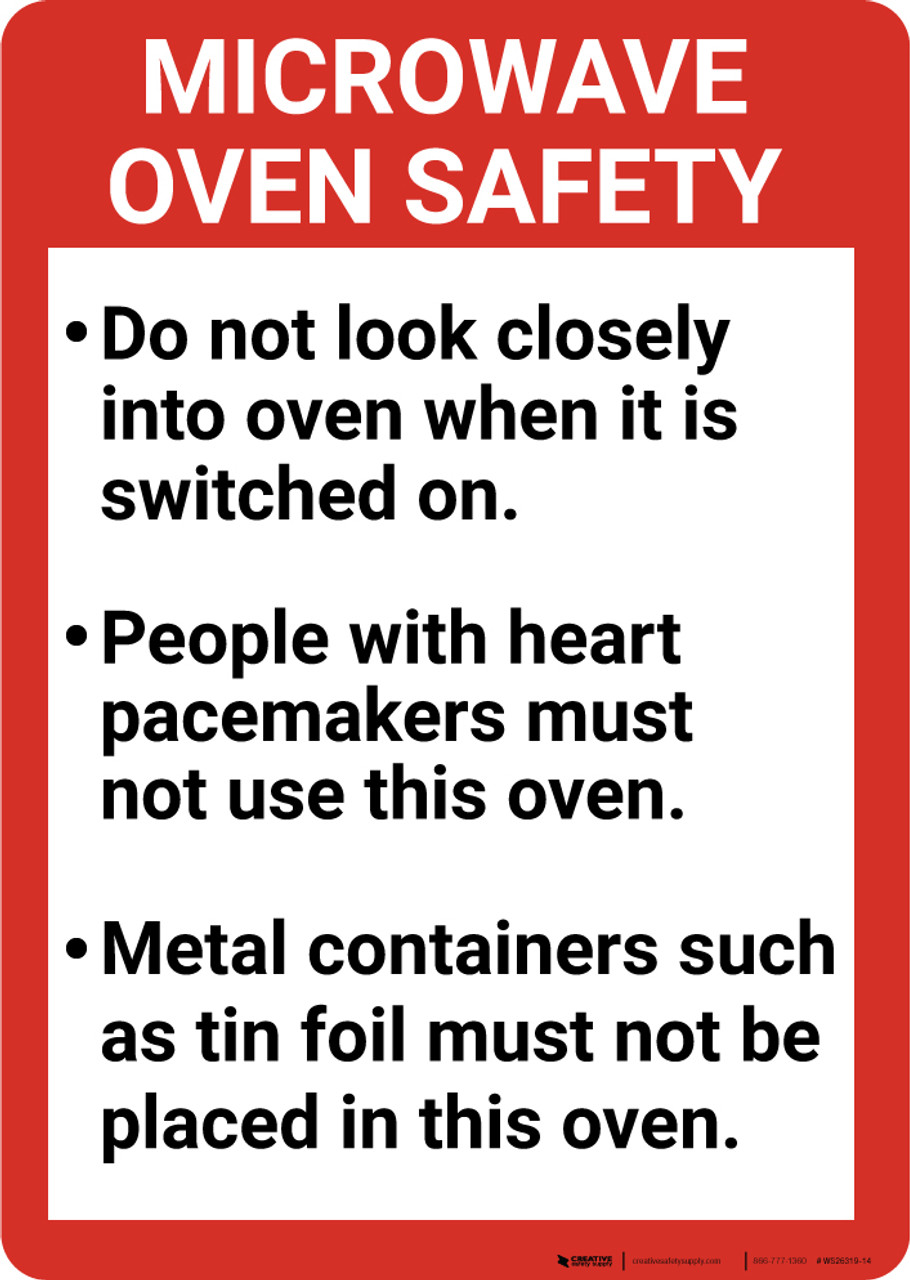
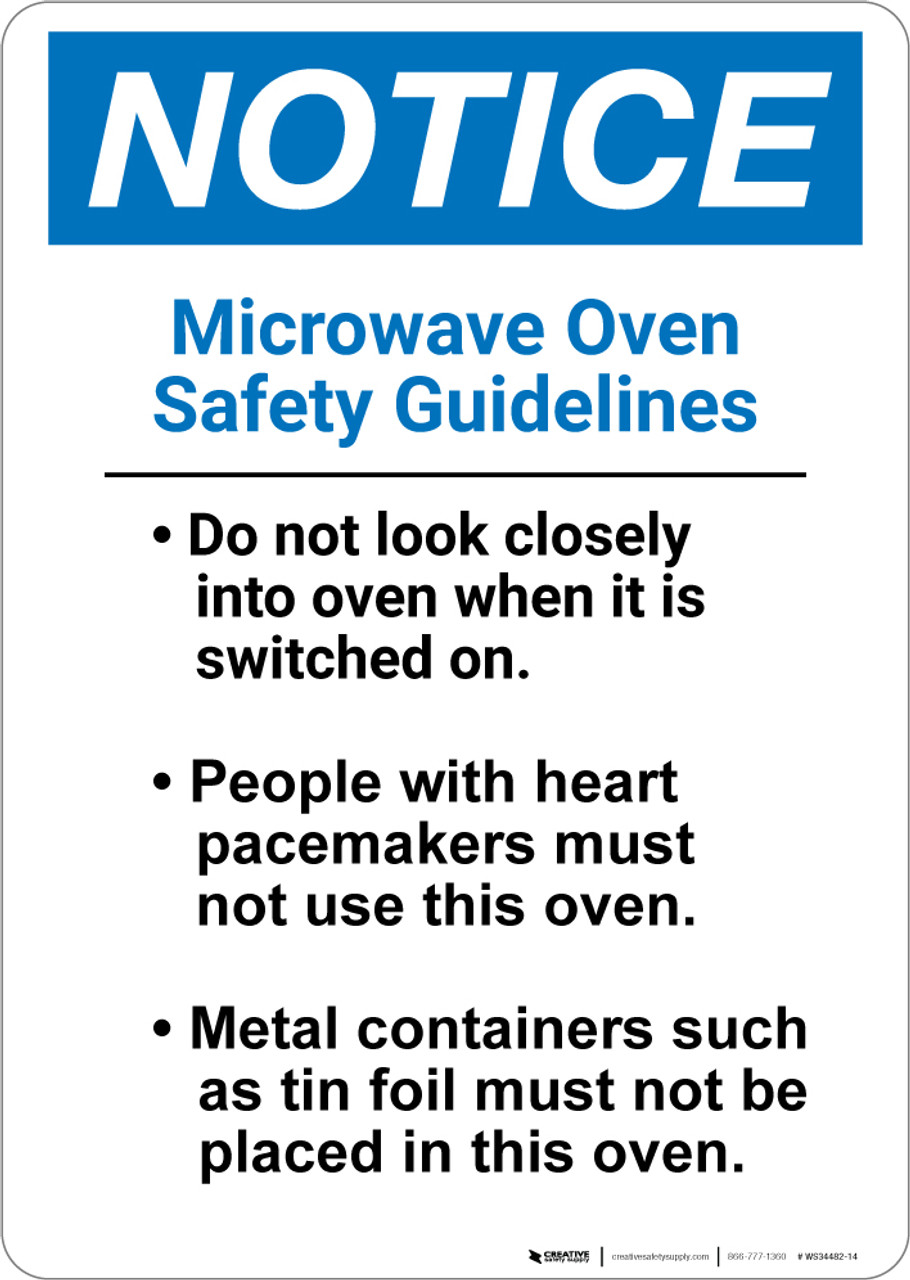
- Risky: aluminum foil, takeout containers with thin metal, twist ties, and metal utensils. These are the usual spark sources.
- Dangerous: closed metal containers, metal lids, and any item with sharp points or thin edges.
Microwave metal use guidelines? recommend a conservative approach: if unsure, do not use the metal item.
Practical rules you can follow
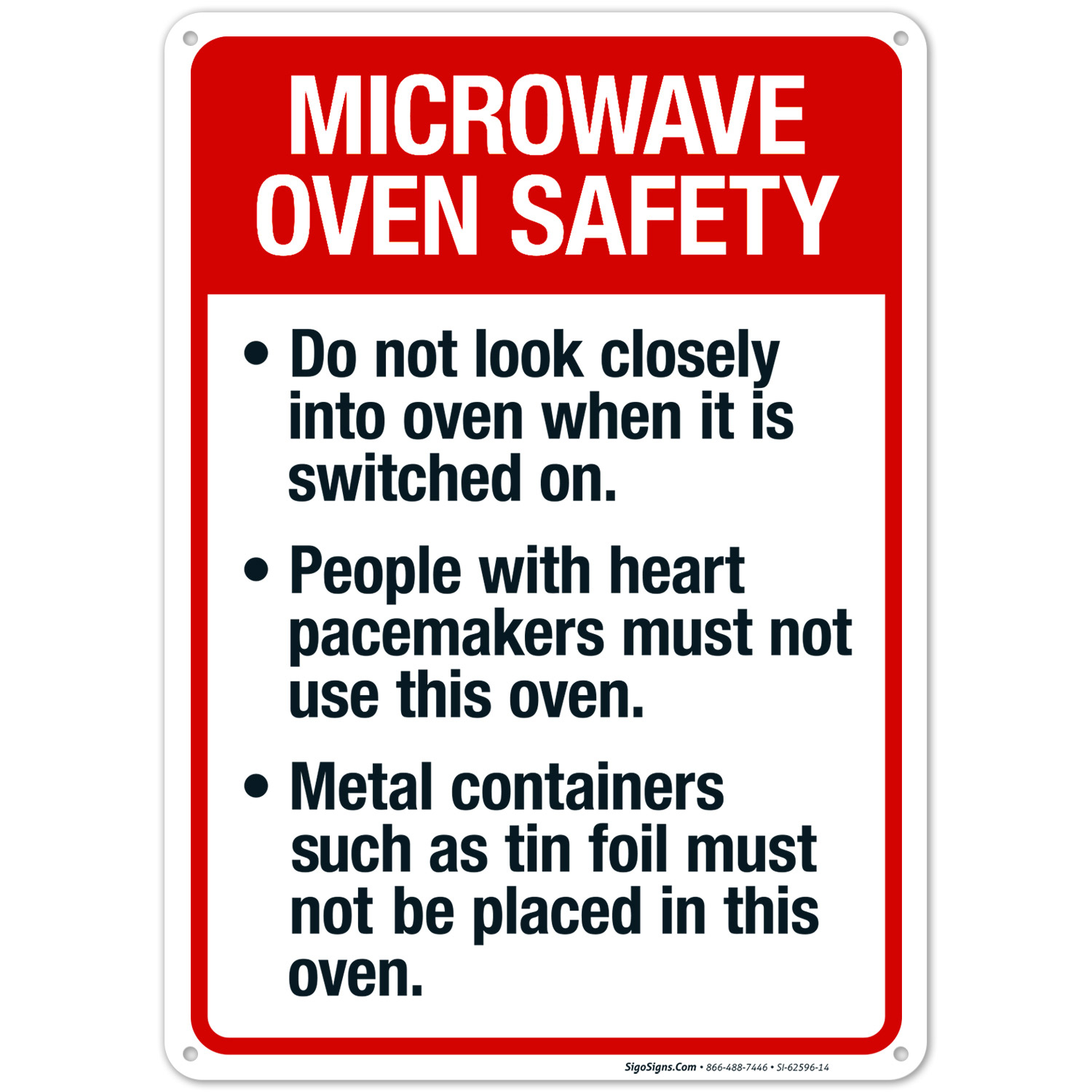
Follow simple rules to reduce danger. These rules are based on tested behavior and common-sense safety.
- Never use crumpled foil. Smooth foil reduces sparks but still risks heat spots.
- Never microwave metal containers that seal. Pressure can build and cause an explosion.
- Avoid metal utensils inside microwaves. Forks and spoons can arc if they touch the oven walls.
- Use manufacturer racks only. The oven rack is sized and placed to be safe.
- Keep at least one inch clearance from walls. This reduces field concentration near metal.
- Use microwave-safe labels. Glass and ceramic labeled microwave-safe are safer choices.
These points reflect standard microwave metal use guidelines? and will help prevent sparks and damage.
Short cooking hacks that work
If you need crisping or browning, choose safe methods. These tips helped me in the lab kitchen.
- Use a microwave-safe browning plate or crisper pan. They are made to handle direct heat.
- Replace foil with parchment for short cover needs. Parchment resists moisture and is microwave-safe.
- For removed metal handles, only use if manufacturer allows. Some pans have removable parts rated for microwave use.
- Finish under a broiler. Use the oven broiler for crisping instead of a microwave with metal.
These hacks use microwave metal use guidelines? but give the texture you want without risk.

Troubleshooting sparks, smoke, or odd noises
If you see sparks or hear buzzing, act fast but stay calm.
- Stop the microwave immediately. Unplug if you can safely do so.
- Keep the door closed. This may smother small flames.
- If smoke or fire persists, call emergency services. Your safety comes first.
- Inspect the oven after it cools. Look for burned spots or damaged interior coatings. Stop using if damaged.
These emergency steps follow clear microwave metal use guidelines? to protect you and your kitchen.
Buying and labeling tips
Choose safe items to avoid guesswork. Clear labels make life easier.
- Look for microwave-safe labeling on cookware. Manufacturers often test these items.
- Avoid single-use metal trays. They are thin and designed for ovens, not microwaves.
- Choose glass or ceramic for reheating foods. They are simple and reliable.
- If you buy a microwave with metal features, read the manual. The manual explains allowed uses.
These buying tips reflect practical microwave metal use guidelines? and reduce mistakes.

My real-world experience and lessons learned
I once microwaved a small foil-covered dish to shield a crust. It sparked. The oven shut off and the food was ruined. I learned three key lessons from that mistake.
- Never improvise with foil unless the recipe and oven manual both allow it.
- Keep items away from walls and the magnetron. Small clearances make a big difference.
- Test new cookware with short, watched intervals. Stop if you see signs of arcing.
Sharing these moments is part of honest microwave metal use guidelines? advice. These are practical tips I still follow.
Common safe alternatives
If metal is tempting, try these safe swaps. They give the same result without the risk.
- Glass or ceramic dishes for reheating.
- Microwave-safe plastic containers for short heats.
- Silicone covers and lids for splatter control.
- Oven or broiler for any browning or finishing steps.
These alternatives support microwave metal use guidelines? while keeping your food safe and tasty.
Frequently Asked Questions of microwave metal use guidelines?
What happens if metal sparks in the microwave?
Sparks, or arcing, occur when metal concentrates microwave energy. This can damage the oven and start a fire, so stop the microwave immediately and unplug if safe.
Can I put aluminum foil in the microwave?
Small smooth pieces may work for brief shielding if the manual allows, but foil often causes sparks and uneven heating and is generally not recommended.
Are microwave racks safe to use?
Yes, racks provided with the oven are designed for microwave use. Use them only as directed by the manufacturer to avoid clearance and arcing problems.
Is it safe to microwave a plate with a metal rim?
Plates with thin metal rims are risky because the rim can arc. Use plain ceramic or glass instead to avoid sparks and damage.
How do I know if a container is microwave-safe?
Look for a microwave-safe label. If unsure, test with water for short intervals while watching closely; avoid metal or metallic-trim pieces.
Can I microwave stainless steel?
Stainless steel generally reflects microwaves and can arc, so it is not safe unless the manufacturer explicitly states it is microwave-safe.
What should I do if my microwave makes a loud buzzing noise?
Turn it off and inspect for metal inside or damage. Buzzing can indicate arcing or magnetron issues; stop use and have it inspected.
Conclusion
Understanding microwave metal use guidelines? keeps you safe and your appliances working well. Use clear rules: avoid thin foil, never microwave sealed metal, use manufacturer racks, and choose glass or ceramic when possible. Take small, careful steps and test new items in short intervals. Try one change tonight—swap foil for parchment or use a microwave-safe dish—and notice how much easier and safer reheating can be. If this guide helped, leave a comment, subscribe for updates, or share a tip from your own kitchen experience.