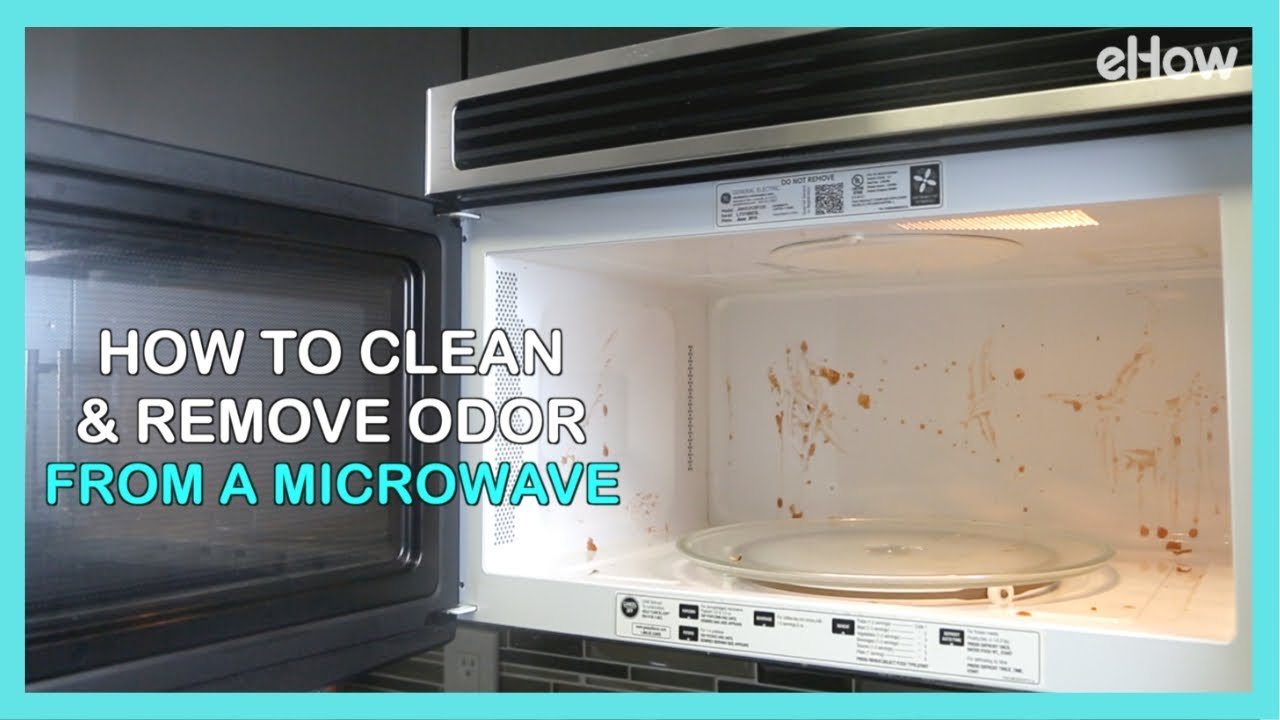
Vinegar, lemon, or baking soda steam removes most microwave odors fast and safely.
I have cleaned dozens of microwaves in kitchens I manage and in homes of friends. This guide on microwave odor removal tips draws on hands-on experience and simple chemistry. Read on for step-by-step methods, safe cleaners, and prevention tricks that work every time.

Why microwaves smell and how that affects cleaning
Food splatters, spills, and tiny steam clouds can lodge odor molecules inside a microwave. Those molecules stick to paint, rubber seals, and turntable surfaces. Heat then releases those smells each time you use the oven. Understanding where odors hide helps you use the right microwave odor removal tips for fast results.

Fast odor-busting methods you can do in minutes
Use these quick microwave odor removal tips when you need fast results before guests arrive.
- Vinegar steam: Mix 1 cup water with 2 tablespoons white vinegar in a microwave-safe bowl. Heat 3–5 minutes until steamy, then let sit 5 minutes before wiping.
- Lemon steam: Slice a lemon, squeeze juice into a cup of water, drop in the slices, and microwave 3 minutes. Wipe after cooling.
- Baking soda air-out: Place an open bowl of baking soda in the microwave overnight to absorb smells.
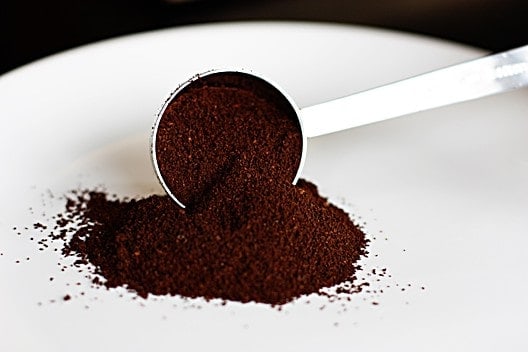
- Coffee grounds: A small bowl of fresh grounds left for a few hours will pull out lingering odors.
- Charcoal sachet: Place activated charcoal in a breath-safe cloth bag and leave it inside for a day.
I use vinegar steam most often. It is cheap and reliable. These microwave odor removal tips work because steam loosens residue and mild acids neutralize smelly compounds.
Deep-clean step-by-step for stubborn smells
When quick methods fail, follow this clear, deep-clean routine to remove baked-on smells.
- Remove parts
- Take out the turntable and roller ring. Wash them with warm soapy water.
- Interior wash
- Mix a teaspoon of dish soap in warm water. Use a soft sponge to clean walls and ceiling. Rinse with a damp cloth.
- Tough spots
- Make a paste of baking soda and water. Apply, let sit 10 minutes, then scrub gently.
- Seal and vent care
- Clean door seals with a soft brush dipped in vinegar solution. Rinse and dry fully.
- Final steam and wipe
- Finish with a vinegar or lemon steam cycle. Wipe dry to remove any leftover scent.
I once rebuilt the gasket area of an old microwave by cleaning crevices with cotton swabs and vinegar. That fixed a stubborn burnt-on smell that resisted normal cleaning. These microwave odor removal tips help you target hidden odor sources without harsh scrubbing.

Natural versus commercial cleaners: pros and cons
Choose the right cleaner for the job. Here are trade-offs to keep in mind.
- Natural cleaners
- Pros: Non-toxic, cheap, easy to find. Vinegar, lemon, and baking soda are gentle and effective.
- Cons: May need repeat treatments for heavy or oily odors.
- Commercial microwave cleaners
- Pros: Formulated to cut grease fast and leave a neutral smell.
- Cons: Can contain strong chemicals. Rinse thoroughly to avoid lingering fumes.
For regular use I pick natural options. For heavy grease, a targeted commercial product can save time. Use these microwave odor removal tips to balance safety and power.
Prevent odors with smart habits and maintenance
Small habits keep smells away. Use these daily and weekly tips to stop odors before they start.
- Cover food while heating to prevent splatters.
- Wipe spills right away with a damp cloth.
- Run a steam-clean once a week using vinegar or lemon.
- Replace sponge and cloths regularly to avoid reintroducing smells.
- Leave the door open after use to air out moisture.
I learned to keep a small microfiber cloth near the microwave. Wiping after each use cut odor complaints in half. These microwave odor removal tips are easiest when you make them part of your routine.

Troubleshooting stubborn or unusual odors
If smells persist, try targeted fixes based on the odor type.
- Burnt smell
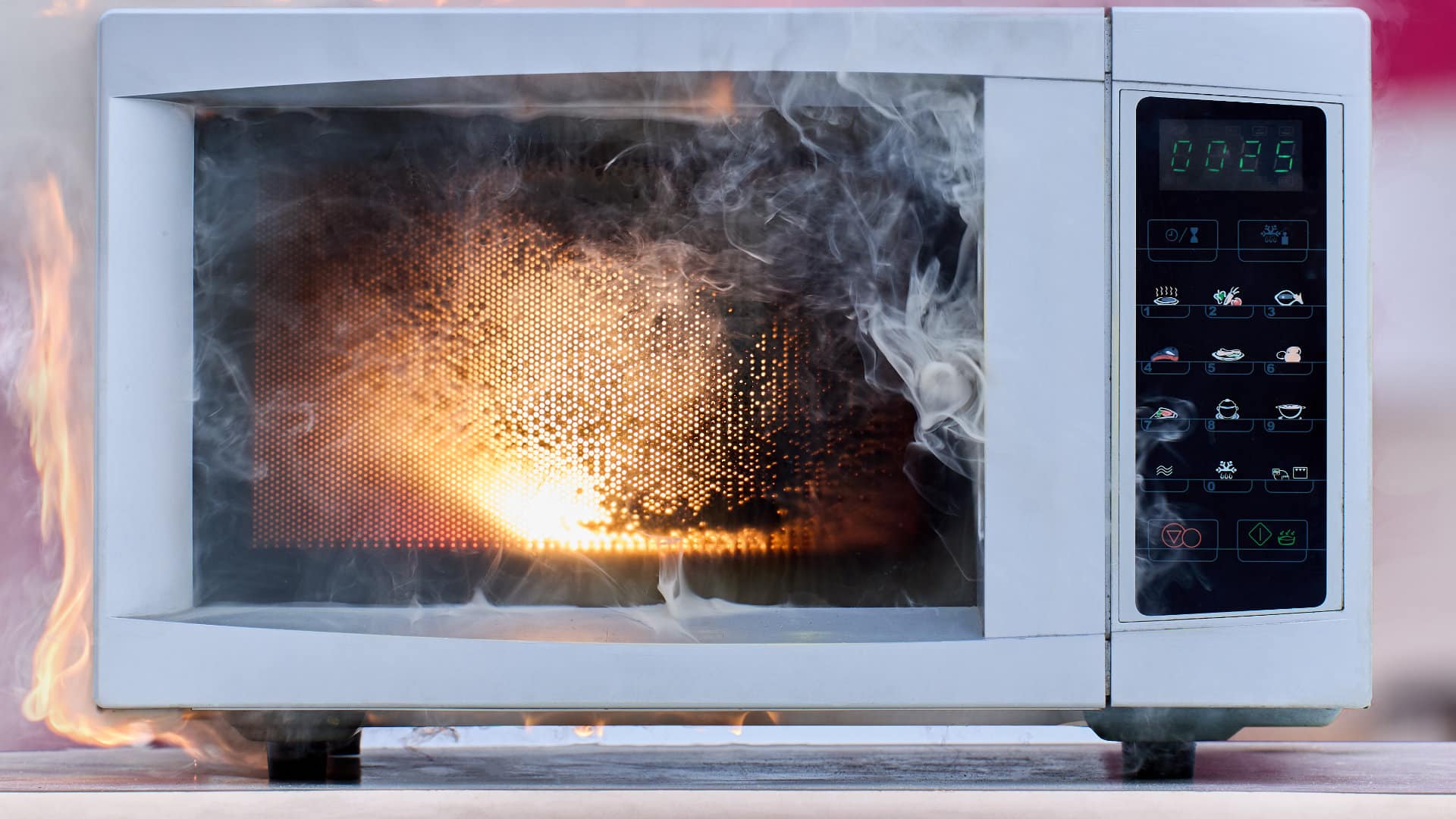
- Inspect for charred food under the turntable or in vents. Deep clean and run several steam cycles.
- Musty or mildew smell
- Dry seals and vents thoroughly. Use baking soda or charcoal to absorb moisture and odor.
- Chemical or plastic smell
- Check for melted plastics or non-microwave-safe containers. Ventilate and run vinegar steam to neutralize fumes.
- Smoke or grease odor
- Use a degreasing cleaner on interior surfaces, then neutralize with lemon steam.
If none of these microwave odor removal tips work, the smell may come from internal components. In that case, contact a technician to inspect the microwave safely.

My top five practical tips from real cleanings
These are quick lessons from hands-on work that save time and avoid mistakes.
- Test cleaners in a small spot first to avoid damage.
- Never put metal or sealed containers in steam cycles.
- Replace worn door seals to stop odor leaks.
- Use a fresh lemon for a bright scent; reuse baking soda for odor control.
- When selling or gifting a microwave, clean thoroughly and run a vinegar cycle to ensure no odors remain.
I once forgot to remove a plastic lid during a steam cycle. The resulting smell took three cleanings to fix. Learn from my mistake: remove lids and wrap plastics before heating. These microwave odor removal tips help you avoid common pitfalls.
Frequently Asked Questions of microwave odor removal tips
How long should I steam clean a microwave with vinegar?
Heat one cup of water and two tablespoons of vinegar for 3–5 minutes, then let it sit closed for 5 minutes. The steam will loosen grime and make wiping easy.
Can I use lemon instead of vinegar to remove smells?
Yes. Lemon gives a fresh scent and mild acidity to cut odors and grease. It works well for light to moderate smells.
Is baking soda safe inside the microwave to absorb odors?
Yes. Place an open bowl of baking soda inside the microwave when it is off and cool. Leave it overnight for best absorption.
Will commercial cleaners damage my microwave?
Most commercial cleaners are safe if labeled for kitchen or microwave use. Always rinse surfaces well and follow product instructions to avoid residues.
When should I call a pro for a smelly microwave?
Call a technician if smells persist after deep cleaning or if you suspect melted parts or electrical issues. A pro can inspect internal components safely.
Conclusion
Microwave odor removal tips are simple, safe, and effective when you use the right method for the smell. Start with steam methods like vinegar or lemon, follow with a deep clean if needed, and adopt small habits to prevent odors. Try one of the tips today and keep your microwave fresh and ready to use. Share your success, ask a question, or subscribe for more kitchen care advice.