Microwave power levels? They control how long the magnetron runs, not how strong it heats.
I’ve worked with kitchens and appliances for years, so I know microwave power levels? can confuse cooks. This guide breaks down what those settings mean, how to convert recipes, and real tips from my experience so you can cook faster and safer.

Understanding microwave power levels?
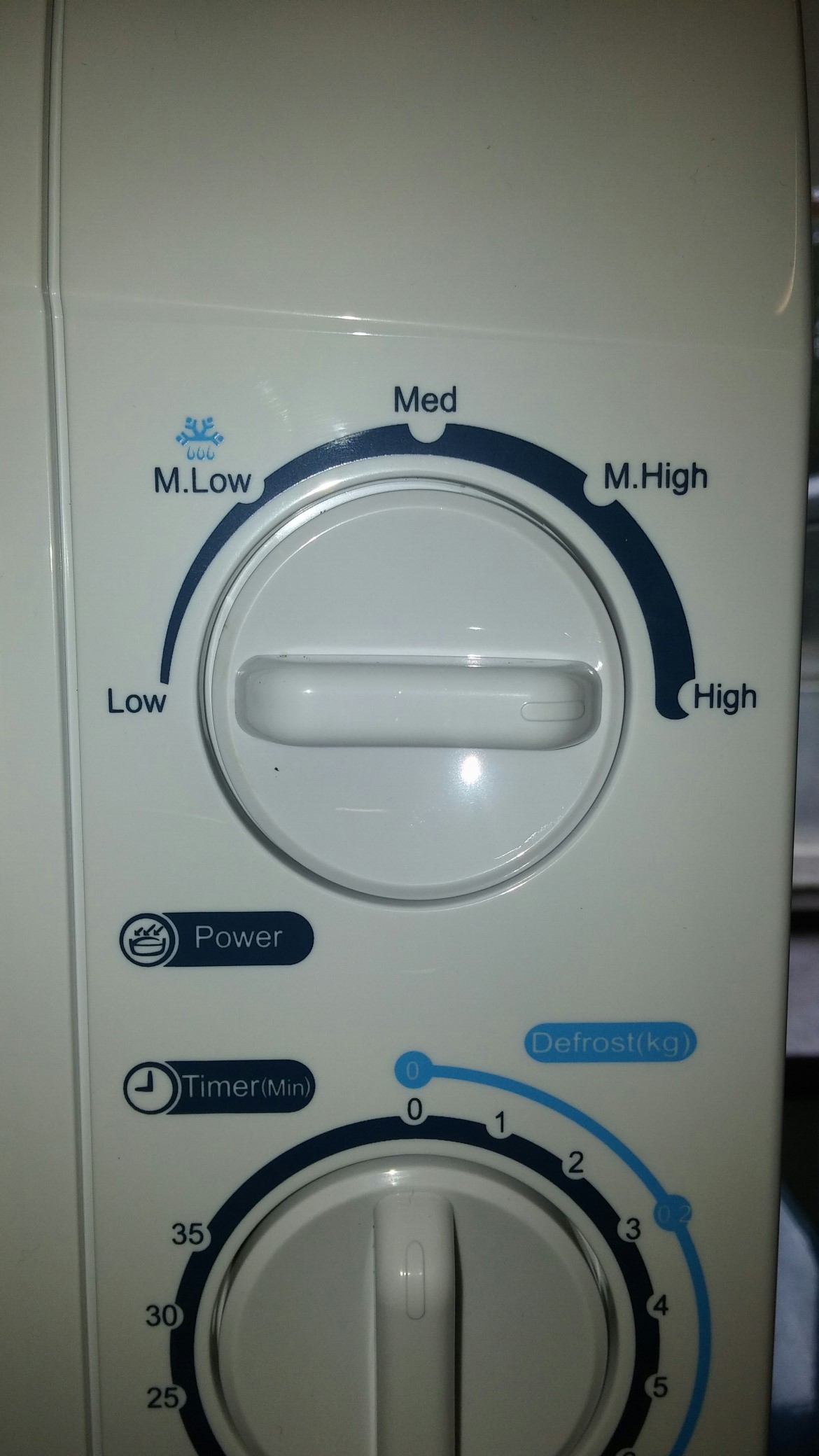
Microwave power levels? tell the oven how long to emit waves. A microwave at 100% runs the magnetron nearly nonstop. Lower power levels cycle the magnetron on and off to lower average heat. Wattage matters too. A 1200 W oven at 50% still delivers more energy than a 700 W oven at 100%. Knowing this helps when you follow recipes or reheat food. I have tested different ovens and learned that percent settings are best treated as duty cycles, not weaker waves.

Common power settings and what they do
Most microwaves use percent settings that match common tasks. Below I list typical uses and simple how-to tips.
- 100% — Full power for boiling water, heating sturdy foods, and when a quick high-heat blast is needed.
- 70% to 80% — Good for cooking meats and vegetables without overcooking the outside.
- 50% — Ideal for gentle reheating and even cooking of casseroles or dense foods.
- 30% — Use this for simmering, softening butter, or slow melting chocolate.
- 10% to 20% — Best for keeping food warm or for long, gentle defrost cycles.
When you see a recipe that says to cook on medium or 50%, it means the oven should average about half the power. If your microwave power levels? run high or low compared to the recipe, adjust time by wattage or test with short increments. From my tests, stirring and resting cut cold spots and give more even results.
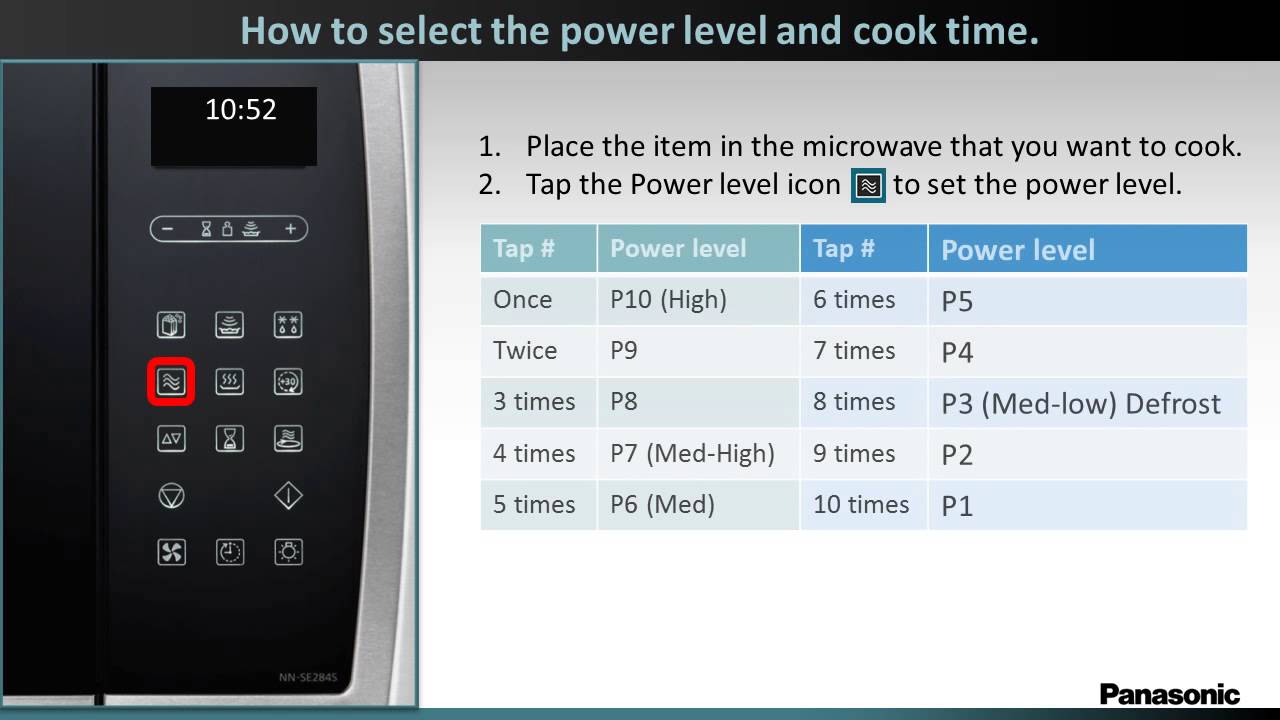
How to convert recipes to microwave power levels?
Converting a recipe is simple when you know two things: your microwave’s wattage and the recipe’s assumed wattage. Follow these steps.
- Find your microwave wattage. This is on a label inside the door or in the manual.
- Note the recipe wattage. If none is given, assume 1000 W as a mid-range baseline.
- Adjust time: new time = recipe time × (recipe wattage ÷ your wattage) × (100% ÷ power percent).
Examples:
- If a recipe for 1000 W needs 2 minutes at 100% and your oven is 800 W, time = 2 × (1000 ÷ 800) = 2.5 minutes at 100%.
- If you need 2 minutes at 100% but want 50% power, double the on-time to about 4 minutes, while checking midway.
For defrosting, use lower power and short bursts. I often thaw in 30-second intervals to avoid cooking edges. Keep a thermometer handy for meats to be safe.
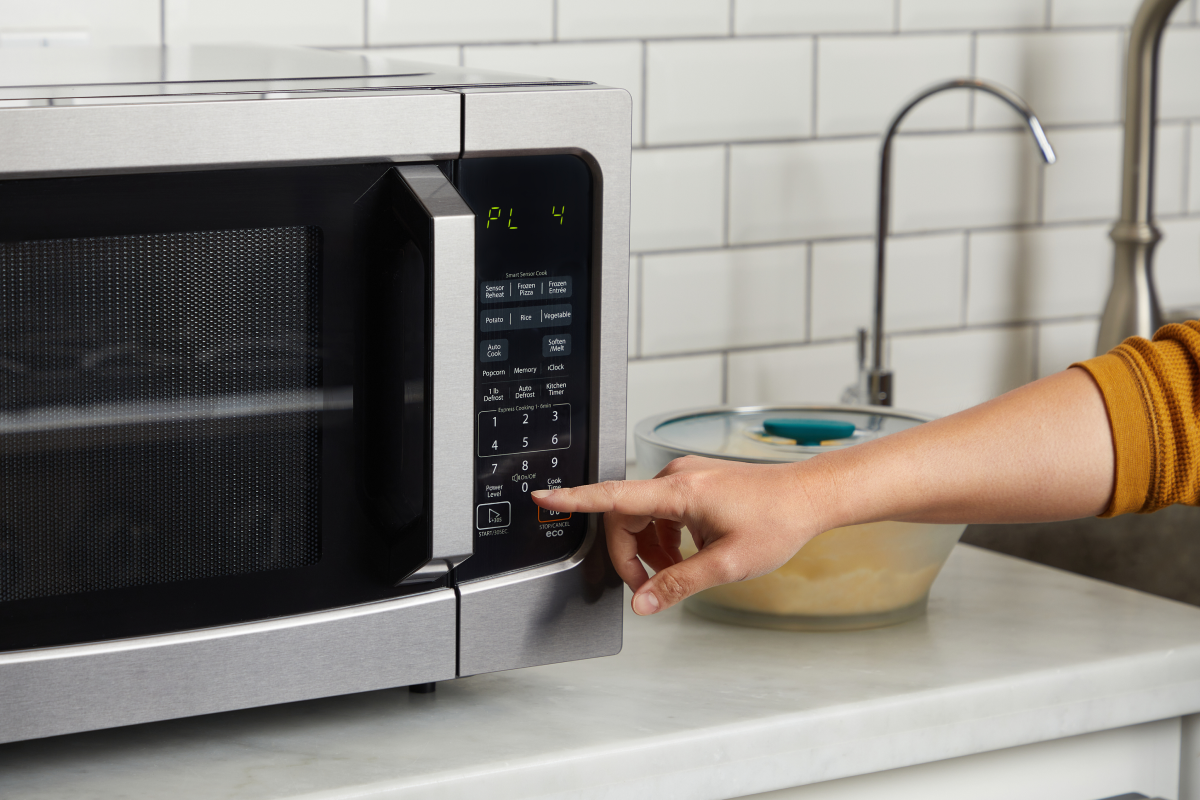
Safety, myths, and best practices for microwave power levels?
Microwave power levels? do not make food radioactive or change basic food safety rules. Common myths deserve correction and safe tips help avoid trouble.
- Myth: Lower power means no sealing of nutrients. Reality: Gentle cooking can preserve texture and nutrients better.
- Tip: Always use microwave-safe containers and covers to retain moisture and prevent splatter.
- Tip: For frozen items, use defrost or 30% power, then finish at higher power to cook through.
- Safety: Use a food thermometer for meat and evenly check thick areas. Let food rest; carryover heat evens temperatures.
- Caution: Do not use metal or foil except when manufacturer allows it, and avoid sealed containers that can explode.
From my experience, the biggest mistake is over-relying on time alone. Adjust for wattage, vessel shape, and portion size. That habit prevented many burned dinners in my early cooking days.

Troubleshooting and tips from experience
If food cooks unevenly, try these quick fixes I learned over the years.
- Stir food halfway through heating to reduce cold spots.
- Use a turntable or manually rotate dishes for even exposure.
- Cover food with a microwave-safe lid to trap steam and heat food faster.
- Cut food into uniform pieces to promote even cooking.
- When melting chocolate, use 20% to 30% power in 15-second bursts, stirring between bursts.
If your microwave seems weak at 100%, compare times with a friend’s oven or check the manual. Sometimes wear on the magnetron reduces output over years. Regular short tests and notes on times help you know your oven’s real behavior and adjust recipes accordingly.
Frequently Asked Questions of microwave power levels?
What exactly do microwave power levels? mean on my microwave?
Microwave power levels? usually mean the magnetron cycles on and off to create an average power output. A lower percent reduces run time rather than wave strength.
Can I use lower microwave power levels? to defrost meat?
Yes. Use 20% to 30% power and short intervals to thaw evenly without cooking the edges. Turn or rearrange pieces during defrosting.
Do microwave power levels? change cooking time linearly?
Not always. Power levels? affect duty cycle, but food shape, container, and composition change how fast it heats. Always check and adjust in short intervals.
Will using lower microwave power levels? keep food more nutritious?
Gentle cooking often preserves texture and some nutrients better than high heat. Use moderate power and short times for delicate foods to retain quality.
How do I convert a recipe if my microwave power levels? differ from the recipe?
Find your wattage, then scale the time by recipe wattage divided by your wattage. Also adjust for power percent by dividing by the percent fraction if you plan to lower power.
Can I rely on microwave power levels? for complex recipes?
You can, but test first. For complex dishes, combine microwave steps with stovetop or oven finishing for better texture and flavor.
Conclusion
Microwave power levels? are simple once you know they control run time, not microwave strength. Use wattage checks, short tests, and the tips above to convert recipes and avoid mistakes. Try lowering power for gentle tasks and use stirring, covers, and rest time for even results. Ready to cook smarter? Try a quick experiment with one recipe at different power levels and leave a comment on what worked for you.