Microwave Power Levels Meaning: How To Use Them
Microwave power levels mean how strongly the microwave heats food, not just time.
I have worked with kitchens and tested dozens of recipes, so I know how helpful clear guidance can be. This article explains microwave power levels meaning in plain words, shows real use cases, and gives tips you can use tonight. Read on to learn how to set power right, avoid overcooking, and make your microwave work like a pro.
What microwave power levels meaning actually is
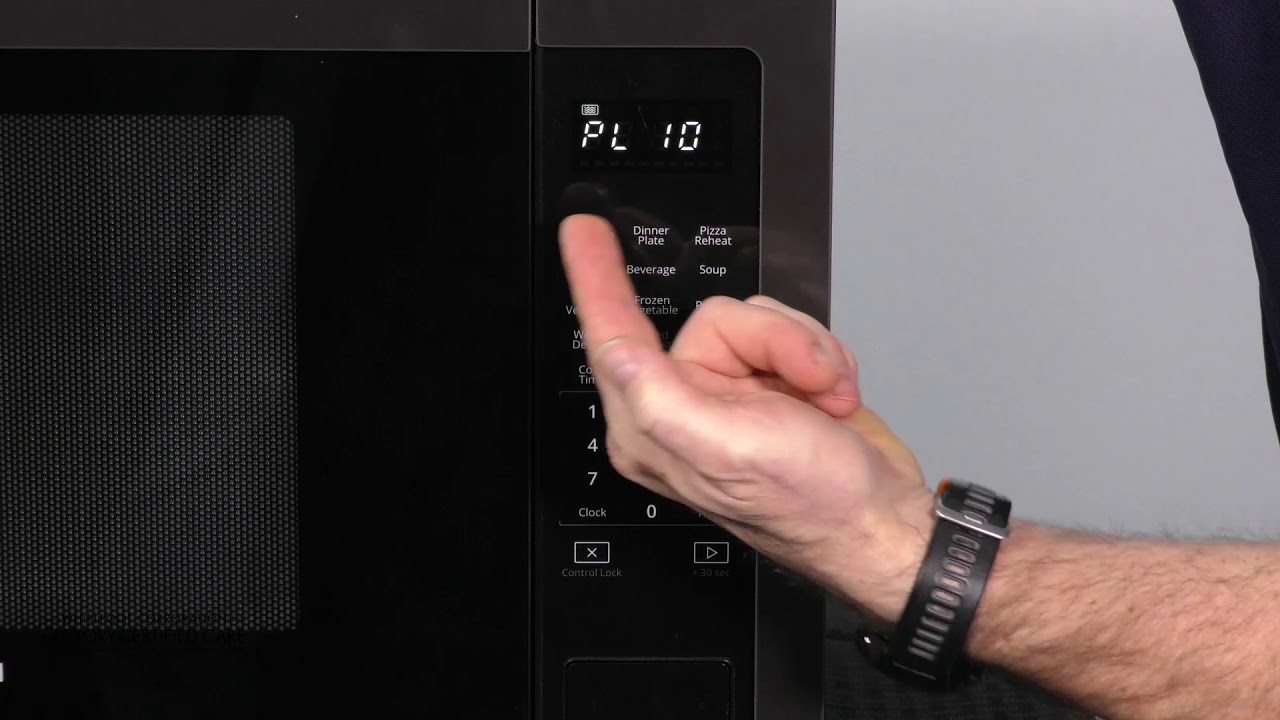
Microwave power levels meaning is about how much energy your oven uses while running. It is not a measure of temperature. It tells you the fraction of full power the unit delivers over time.
Most home microwaves list power levels as percentages or numbers. For example, Power Level 50 or 50% means the magnetron runs half the time and rests half the time. This pulsing creates an average energy output that affects how food cooks.
Understanding microwave power levels meaning helps you adapt recipes that only list cooking time. With this knowledge, you can keep foods moist and avoid hot spots.
How microwave power levels work in practice
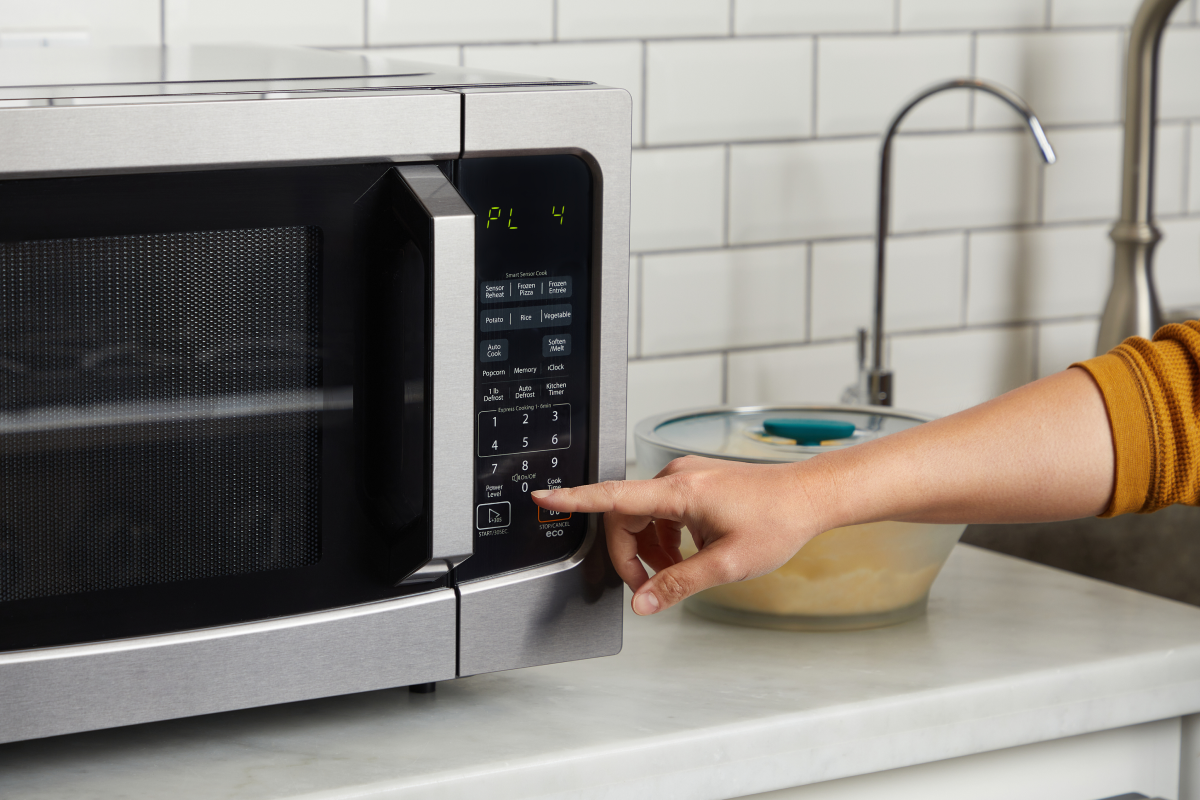
Microwave power levels meaning comes down to the magnetron running in on/off cycles. At full power, it runs continuously. At lower settings, it cycles on and off to reach an average power output.
This cycling does not change the microwave frequency. It only changes the average energy sent to the food. That is why items heat slower at low power. You get gentler, more even warming.
Here are quick rules to follow:
- Full power cooks fast and is best for liquids and boiling.
- Medium power is good for dense foods and reheating.
- Low power is great for defrosting and gentle melting.

Common power settings explained
Most microwaves use 10 to 11 power levels. The numbers map roughly to percentages. Knowing the map helps when a recipe says Power Level 5 or 70%.
Typical mappings:
- Power Level 10 = 100%
- Power Level 7 = 70%
- Power Level 5 = 50%
- Power Level 3 = 30%
- Power Level 1 = 10%
These mappings matter because microwave power levels meaning changes how you time food. For example, 2 minutes at 100% is not the same as 2 minutes at 50%.

How to use power levels for common tasks
You can replace guesswork with a simple plan. Use power and time together. Adjust both to match food type.
Reheating leftovers
- Use 50% power for 1–2 minutes, stir, then add short bursts at 30% power as needed.
Defrosting meat
- Use 30% power. Check and flip every few minutes to break up cold spots.
Melting chocolate or butter
- Use 20%–30% power. Heat in 10–15 second bursts and stir each time.
- Use 70% for firmer veggies. Use 50% for softer or mixed veggies to avoid sogginess.
Microwave power levels meaning is your tool to control texture and moisture.

My real-life tests and tips
I often test foods at home. I found these practical tips work well.
Tip 1: When I reheat pasta, 50% power for one minute then 30% for 30 seconds gives even heat. It stops edges from drying.
Tip 2: For frozen chicken breasts, low power and time in short cycles keep the center from overcooking while the outside warms.
Tip 3: Always let food rest after microwaving. Residual heat evens out temperature and finishes cooking.
These small actions show why understanding microwave power levels meaning matters in the kitchen.
Mapping wattage to power levels
Microwave ovens list wattage, like 700W or 1200W. Power levels scale from that number.
To estimate output:
- Find the microwave wattage (look inside the door or manual).
- Multiply wattage by the power level percent.
Example:
- 1000W at 50% = 500W average output.
- 700W at 30% = 210W average output.
This math helps when you follow recipes that list watts or when converting times between ovens.
Common mistakes and how to avoid them
Many cooks misuse microwave power levels meaning by only changing time. That can burn or dry food.
Mistake 1: Using full power for everything. Result: uneven heating and splatter.
Mistake 2: Not stirring or turning food. Result: cold spots and food safety issues.
Mistake 3: Ignoring wattage differences. Result: wrong cook times and poor texture.
Avoid these by using lower power for delicate tasks. Stir, cover, and rest food. Test first with short bursts.
Safety and food quality considerations
Microwave power levels meaning also affects safety. Proper heating kills bacteria. Uneven microwaving can leave cold zones.
To stay safe:
- Use a food thermometer for reheated meats and casseroles.
- Stir liquids to prevent sudden boiling.
- Cover food to reduce splatter and promote even heat.
These steps protect flavor and health.
Troubleshooting: if your microwave heats oddly
If food heats unevenly, try these fixes.
Check turntable: Ensure it spins freely. If it’s stuck, food won’t heat evenly.
Stir and rotate: Stop and stir food halfway through cooking.
Adjust power: Use lower power and longer time for dense items.
If problems persist, the magnetron or control board may need service. A technician can test real output and cycles.
When to trust the recipe and when to adapt
Some recipes assume a specific wattage or power level. Others give only time.
Steps to adapt:
- Read the recipe note about wattage or power levels.
- Use the wattage math to convert power.
- Test in short bursts and adjust.
This approach turns vague instructions into reliable results. It proves why microwave power levels meaning is worth knowing.
Frequently Asked Questions of microwave power levels meaning
What does microwave power level 50 mean?
Power level 50 usually means 50% average power. The microwave cycles on and off to reach that average. It cooks gentler than full power.
Can I use lower power to cook frozen food?
Yes. Lower power melts ice and thaws food without overcooking edges. You should check and turn the food often.
Do power levels change microwave frequency?
No. Power levels change how long the magnetron runs. The frequency stays the same for all settings.
How do I convert times between two microwaves?
Find each oven’s wattage. Use the wattage ratio to scale time. Short test bursts help fine-tune the final time.
Is power level 10 always full power?
On many microwaves, power level 10 equals full power. Check your manual or the label inside the door to be sure.
Will using low power save electricity?
Running at lower power for longer gives similar energy use to short high-power bursts. It is more about cooking control than big energy savings.
How often should I check food at low power?
Check every 30–60 seconds when defrosting or melting. For larger items, check every few minutes and rotate or stir.
Conclusion
Understanding microwave power levels meaning gives you control, consistency, and better food. Use lower power for gentle heating, medium for dense foods, and full power for boiling or fast tasks. Test with short bursts, stir, and let food rest to finish cooking. Try one tip tonight: reheat leftovers at 50% power and stir halfway to see the difference. Share your results, subscribe for more kitchen tips, or leave a question below.