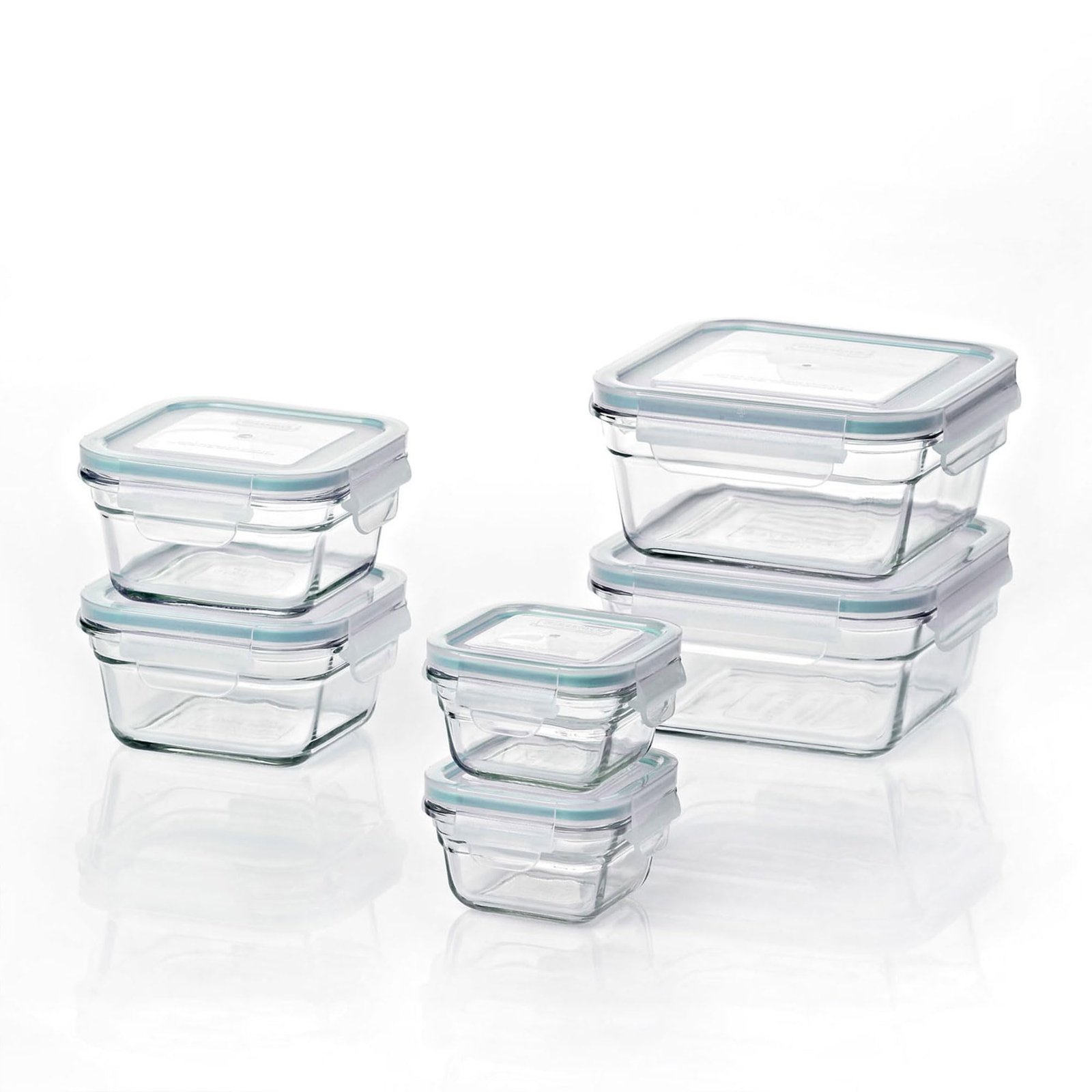
Microwave-safe containers resist heat, won’t melt, and limit harmful chemical leaching.
I’ve worked with kitchen gear for years and tested dozens of microwave safe containers in real kitchens. This guide explains what “microwave safe containers” really means, how to spot safe options, what to avoid, and practical tips to heat food safely. Read on for simple tests, real-world lessons, and easy rules that keep meals hot and kitchens safe.
:max_bytes(150000):strip_icc()/food-recipes_tools-products_cookware-bakeware_food-containers-safe-for-microwave_02-realsimple-9403c47853044b7f983b6120028c8a94.jpg)
What does "microwave safe" mean?
Microwave safe containers are made to handle microwave energy without breaking, melting, or releasing harmful chemicals into food. Manufacturers test materials for heat tolerance and chemical stability under microwave conditions, though labels and standards vary by region. Even with a label, always check for cracks, stains, or warped parts before reheating.

Common microwave safe materials
Glass
- Tempered glass and borosilicate glass are often safe and heat resistant. They handle high heat well and rarely retain odors.
Ceramic
- Glazed ceramic pots and dishes are usually safe if the glaze is intact. Avoid cracked or crazed ceramics because they can trap bacteria and heat unpredictably.
- Some plastics are microwave safe when labeled. Look for containers marked microwave safe or with recycling codes like 5 (polypropylene). Thin single-use plastics are less reliable.
Silicone
- Food-grade silicone is flexible, withstands heat, and is often safe in microwaves. It is good for covers and reusable baking cups.
Paper and cardboard
- Plain paper plates and towels are fine for short use. Avoid printed or waxed paper products that can melt or catch fire.
Every time you pick a dish, confirm that the specific item is marked safe as not all items in a material class behave the same. Use microwave safe containers to reduce risk and improve heating performance.

Materials to avoid in the microwave
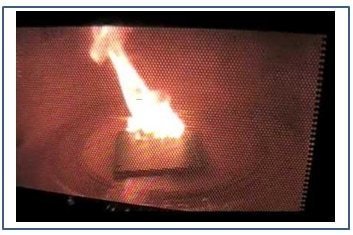
Metal
- Metal bowls, utensils, or dishes cause sparks and can damage your microwave. Never use them unless the appliance manual explicitly allows it.
Aluminum foil
- Small pieces can create dangerous arcing and should not be used near the heating element. Large, smooth sheets can sometimes be used to shield food, but this is risky and often unnecessary.
Certain plastics
- Plastics with recycling codes 3, 6, or 7 and those labeled non-microwave-safe can melt or leach chemicals. Single-use containers may warp under heat.
Styrofoam
- Many foam food containers are not made for microwaving and can break apart or release chemicals.
Decorated or metallic-trimmed dishes
- Gold or silver trims and some paint can spark or melt, so avoid using them for reheating.
Avoiding these materials reduces fire risk and prevents contamination of food when you use microwave safe containers instead.
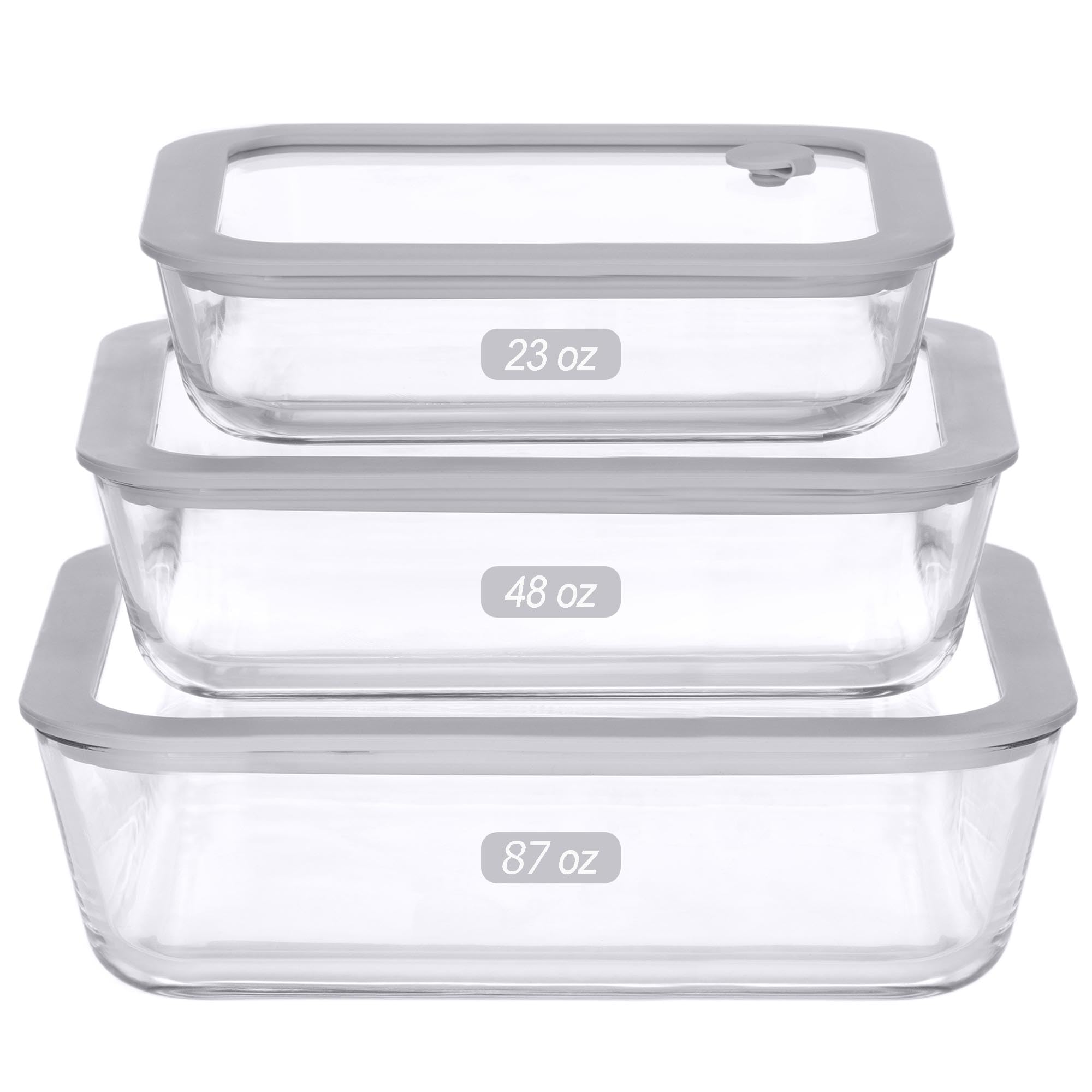
How to tell if a container is microwave safe
Look for symbols and labels
- Check the bottom or packaging for the microwave-safe symbol or text. If it says microwave safe, that is your first clue.
Do a water test
- Put the empty container and a cup of water in the microwave. Heat for one minute on high. If the container stays cool and the water heats, it is likely safe. If the container gets hot, it may not be microwave safe.
Read manufacturer guidance
- Check the user manual or product page. Manufacturers note limits like max heat, microwave settings, or whether lids should be vented.
Watch for warning signs
- If the item warps, smells odd, or shows residue after a short heat, stop using it for microwaving and replace it.
These tests help you confirm that your microwave safe containers work as intended.

Safety tips and best practices
Vent and cover food
- Use vents or leave a small gap to let steam escape. That prevents pressure build-up and splatters.
Stir and rotate
- Pause midway and stir food to avoid hot spots. Microwaves heat unevenly, so stirring helps distribute heat.
Avoid superheating liquids
- Use a microwave-safe container and place a wooden stir stick or spoon in liquids to prevent sudden boiling over.
Replace damaged items
- Toss cracked, pitted, or crumbed containers. Damage can let heat stress and chemicals leak into food.
Use lids and microwave-safe wraps correctly
- Choose loose-fitting lids or vented covers made for microwave use. Tight sealed containers can explode when heated.
I once reheated soup in a cheap plastic container that warped and leaked. Lesson learned: buy labeled microwave safe containers and test new items before regular use. These simple habits keep your meals safe and your microwave in good shape.

Cleaning and maintenance
Wash gently
- Use warm soapy water for glass, ceramic, silicone, and labeled plastics. Avoid very hot water for thin plastics that may warp.
Avoid abrasive tools
- Nonabrasive sponges protect coatings and printed labels. Scrub gently to keep surfaces smooth and safe.
Inspect often
- Check for scratches, stains, or odors. If a container retains strong smells or looks degraded, replace it.
Stack smart
- Store microwave safe containers without heavy pressure that can crack lids. Replace snap-on lids if they lose shape.
Good care extends the life of microwave safe containers and keeps food tasting fresh.
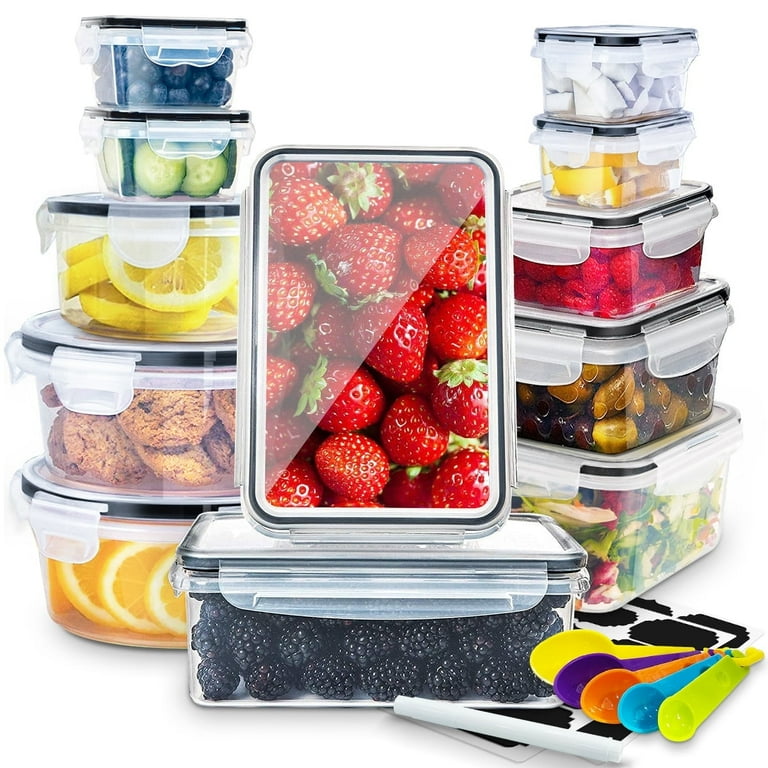
Sustainability and choosing the right container
Pick long-lasting materials
- Glass and high-quality ceramic last much longer than disposables. They reduce waste and save money over time.
Choose BPA-free and certified plastics
- If you use plastic, pick BPA-free options labeled microwave safe. This adds a layer of chemical safety.
Avoid single-use whenever possible
- Reusable microwave safe containers cut landfill waste. Use compostable paper products only for brief heating.
Recycle and replace responsibly
- Check local recycling rules for plastics and glass. Replace items rather than trying to fix unsafe ones.
Small choices add up. Selecting durable microwave safe containers can lower your carbon footprint and improve kitchen safety.
Frequently Asked Questions of microwave safe containers?
What does microwave safe mean for containers?
Microwave safe means the item is tested to handle microwave heat without melting or leaching harmful chemicals. It also implies the container won’t spark or cause damage to the microwave.
Can I microwave plastic food containers?
You can microwave plastic food containers only if they are labeled microwave safe. Thin single-use plastics and containers without clear labeling should not be used.
Is glass always safe in the microwave?
Most tempered and borosilicate glass is safe, but avoid glass with metallic paint or cracks. Rapid temperature changes can cause thermal shock, so use caution.
How do I perform a safe microwave test at home?
Place a cup of water and the empty container in the microwave and heat one minute on high. If the container gets hot, it is not safe; if the water heats and the container stays cool, it likely is safe.
Are silicone containers microwave safe?
Food-grade silicone is generally microwave safe and flexible under heat. Always check the product label for maximum temperature guidance.
Can I cover food with aluminum foil in the microwave?
No. Aluminum foil and metal trims can cause sparks and damage the microwave. Use microwave safe lids or vented covers instead.
How often should I replace microwave safe containers?
Replace containers when they show cracks, heavy stains, odors, or warping. Replace lids that no longer seal or vent properly to maintain safety.
Conclusion
Microwave safe containers protect your food and appliance when chosen and used correctly. Pick labeled glass, ceramic, or certified plastics, perform a simple water test, and follow safe heating habits like venting and stirring. My best tip: invest in a few durable glass or high-quality plastic sets and replace damaged items promptly. Try one change today—swap a disposable item for a reusable microwave safe container—and notice the difference in safety, taste, and waste. Leave a comment with your favorite microwave-safe dish or subscribe for more kitchen tips.