Most glass, ceramic, and labeled plastics are safe to microwave when used correctly.
I’ve spent years testing kitchen gear and teaching safe cooking habits, so I know how confusing choices about microwave safe containers? can be. This guide breaks down what makes a container microwave safe, how to check labels, which materials to trust, and practical tips I’ve learned from real use. Read on to make smart, safe choices for heating food in the microwave.
:max_bytes(150000):strip_icc()/food-recipes_tools-products_cookware-bakeware_food-containers-safe-for-microwave_02-realsimple-9403c47853044b7f983b6120028c8a94.jpg)
What are microwave safe containers?
Microwave safe containers? are items that won’t melt, warp, or release harmful chemicals when exposed to microwave energy. These containers let microwaves pass through to heat food without breaking down the material or causing sparks. Safety depends on material, construction, and how you use the container.
Common signs a container is microwave safe include a clear label, a microwave symbol, and materials known to handle heat well. Always follow manufacturer guidance to avoid spills, burns, or chemical migration.

Which materials are truly microwave safe?
Knowing materials helps you pick the right container every time. Below are common materials and how they behave in a microwave.
- Glass
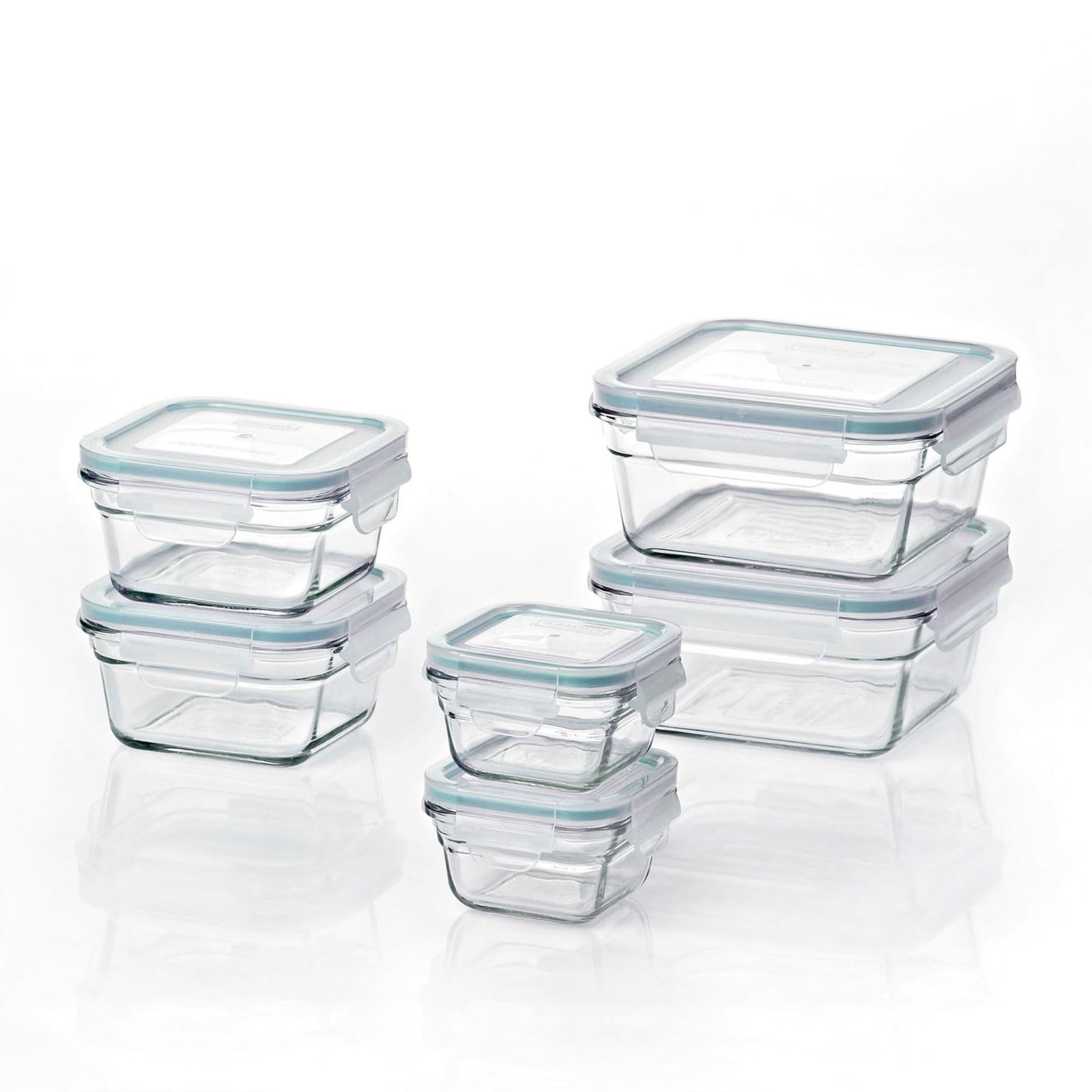
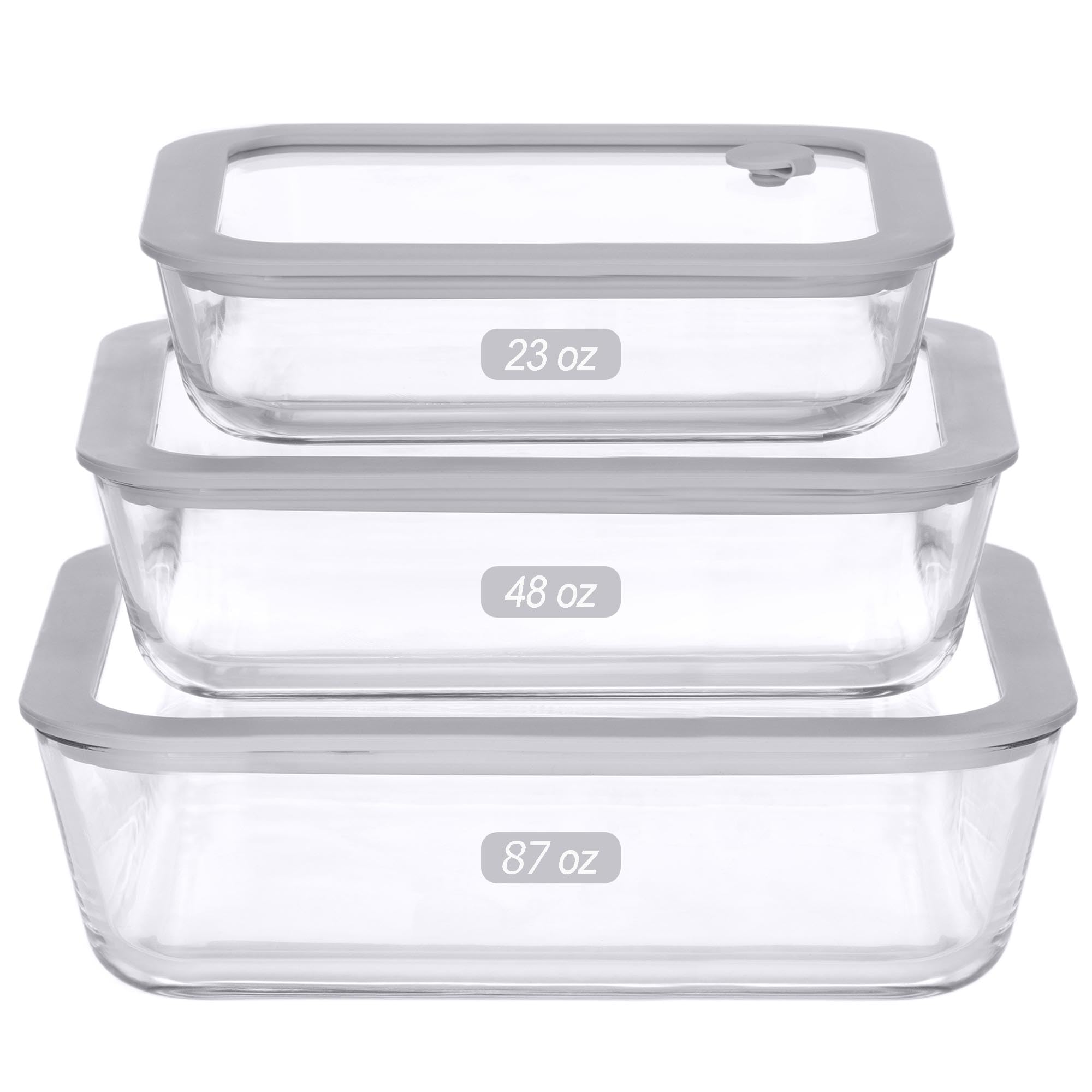
- Heat resistant glass is one of the safest choices. It rarely reacts with food and won’t leach chemicals.
- Tempered and borosilicate glass handle temperature shifts better than thin glass.
- Ceramic
- Glazed ceramics are usually safe unless the glaze contains metals or cracks.
- Avoid old or decorative ceramics that may have lead in the glaze.
- Plastic
- Look for plastics labeled microwave safe. Many polypropylene (often recycling code 5) products tolerate microwave heat well.
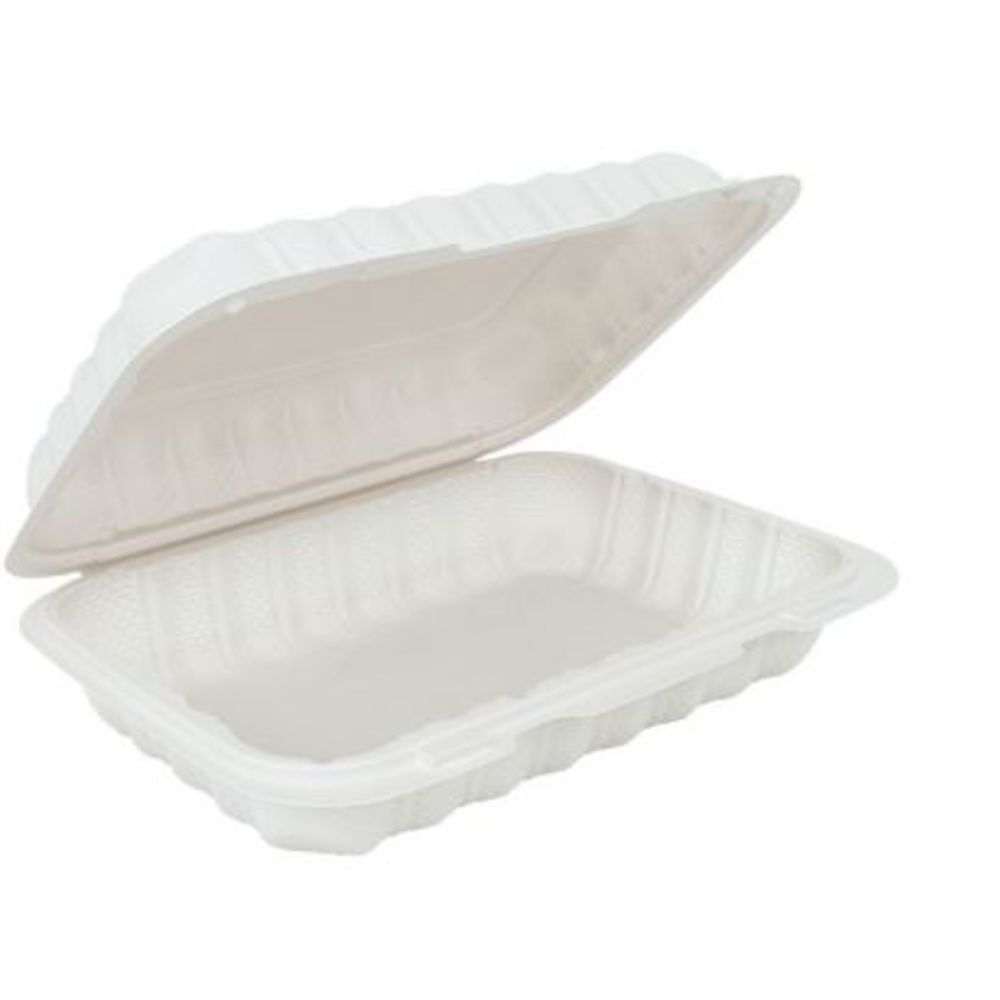
- Avoid plastics with no label, and don’t microwave single-use plastic containers unless the label says it’s safe.
- Silicone
- High-quality silicone is flexible and heat resistant. It performs well for short heating or steaming.
- Metal and foil
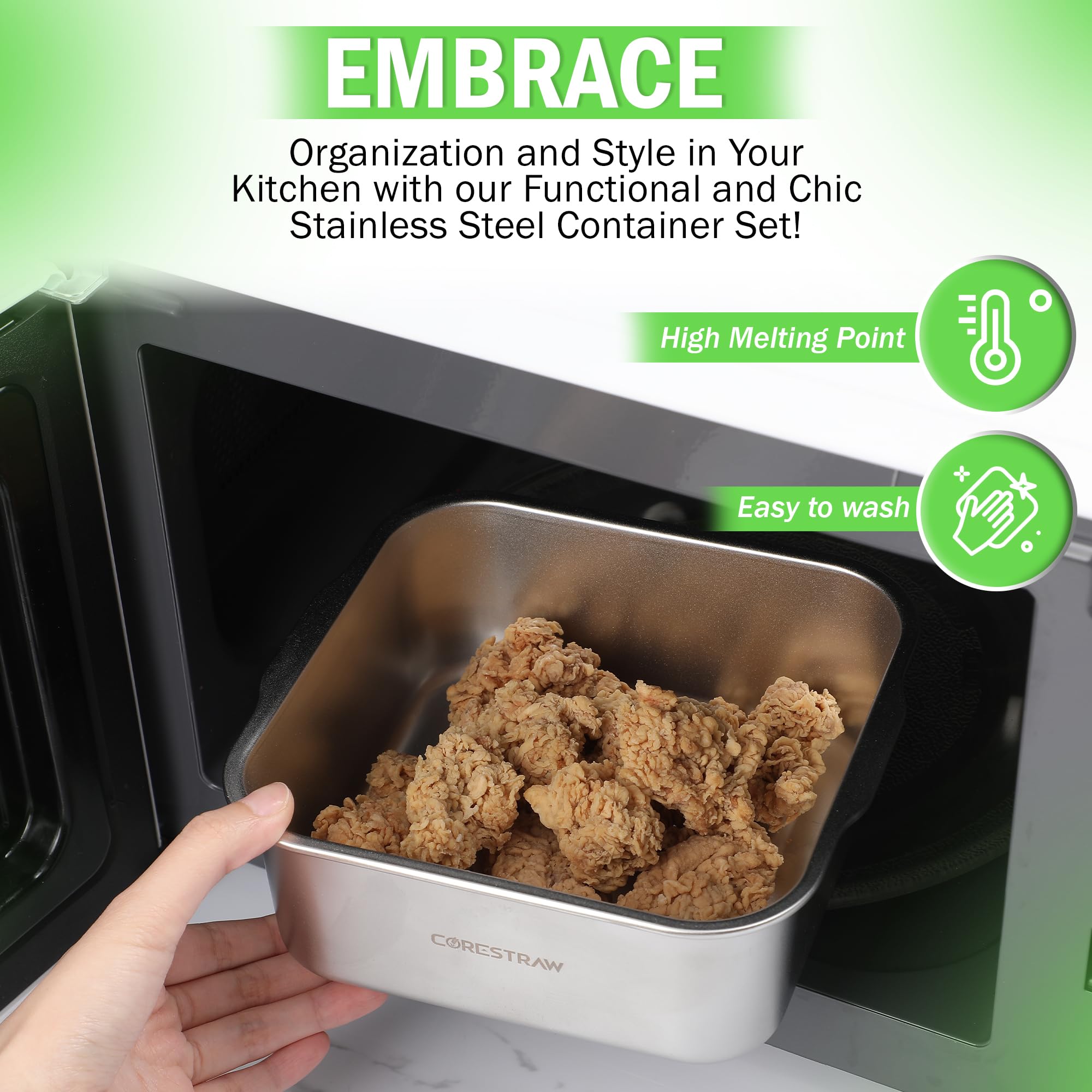
- Metal sparks and can damage the microwave. Never microwave metal bowls, utensils, or aluminum foil unless the appliance manual explicitly allows small controlled use.
From my experience, glass and high-quality ceramics are the most reliable long-term choices. Plastics marked microwave safe can work but need extra care and frequent replacement.

How to tell if a container is microwave safe
If you’re unsure whether a container is microwave safe containers? follow these simple checks.
- Check the label
- Look for “microwave safe” or a microwave icon on the bottom.
- Perform a microwave test
- Place the empty container next to a cup of water. Microwave on high for one minute. If the container stays cool and the water is hot, the container is likely microwave safe. If the container becomes hot, it’s absorbing microwave energy and may not be safe.
- Inspect the recycling code
- Plastics labeled 1, 3, or 6 are best avoided for microwaving. Plastics labeled 2, 4, and 5 are more stable, but still check for a microwave-safe label.
- Visual and tactile check
- Avoid cracked, chipped, or warped containers. Damaged items can leach chemicals or break when heated.
These steps will help you avoid common mistakes and keep your food and microwave safe.
Practical safety tips and best practices
Simple habits reduce risk and extend the life of your containers. Follow these tips when using microwave safe containers? to keep food safe.
- Use lids and covers correctly
- Loose-fitting lids and microwave-safe covers prevent splatters and retain moisture. Leave a vent to let steam escape.
- Avoid overheating
- Heat in short intervals and stir food between cycles to distribute heat and prevent hotspots.
- Do not microwave oily or sugary foods in thin plastic
- Oils and sugars can reach high temperatures and damage plastic or cause melting.
- Replace often
- Replace plastic containers that stain, smell, or show signs of wear.
- Avoid direct contact with heating elements
- Keep containers away from microwave walls or heating coils if visible.
I once melted a cheap takeout container by heating marinara sauce too long. Since then I always use glass or labeled microwave-safe plastic and shorter heat bursts. That small change stopped the mess and kept my kitchen safer.
Choosing the best microwave safe containers for everyday use
Pick containers based on how you cook, store, and reheat food. Here’s a simple guide.
- For reheating leftovers
- Use tempered glass or glazed ceramic for even heating and no taste transfer.
- For meal prep and storage
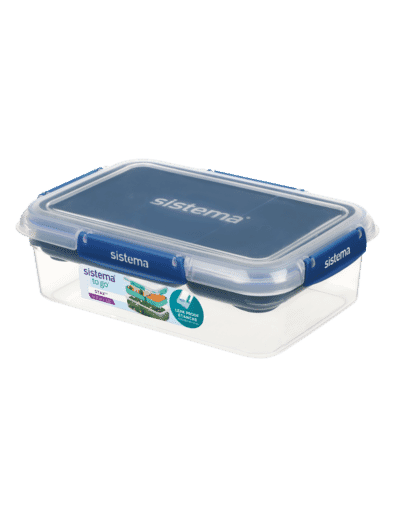
- Use BPA-free, microwave-safe plastic containers with tight lids. Swap to glass for long-term use.
- For steaming or baking in a microwave
- Use microwave-safe steamers made of silicone or glass. Check power recommendations on the product.
- For soups and liquids
- Use deep, vented containers and stir often to avoid splatter.
In my kitchen, I keep a set of glass containers for hot meals and silicone steamers for veggies. They last longer and are easy to clean.

Care, cleaning, and maintenance
Good care keeps microwave safe containers? reliable and hygienic. Use these habits to make them last.
- Clean promptly
- Wash containers soon after use to prevent stains and odors. Use warm soapy water or the dishwasher if labeled safe.
- Avoid abrasive cleaners
- Scrubbing pads can scratch surfaces and create places for bacteria.
- Dry fully before storing
- Damp lids trap smells and can grow mold.
- Inspect regularly
- Look for cracks, warping, or discolored areas and replace when needed.
Regular care makes your containers safer and prevents unexpected failures.
Common myths and misunderstandings
There are many myths about microwave safe containers? that cause confusion. Let’s clear up the most common ones.
- Myth: “All plastic melts in the microwave”
- Reality: Some plastics are designed to resist microwave heat. Look for microwave-safe labels.
- Myth: “Glass always shatters when microwaved”
- Reality: Heat-resistant glass is built for microwave use. Avoid sudden temperature shocks.
- Myth: “If it’s plastic, it’s toxic”
- Reality: Not all plastics leach chemicals. Certified microwave-safe plastics are tested for this risk.
Understanding the facts helps you make safer choices without fear.
My top picks and buying checklist
When shopping, keep this checklist to choose reliable microwave safe containers?.
-
Checklist
- Look for a microwave-safe label or icon.
- Prefer glass or marked BPA-free plastic for hot foods.
- Choose vented lids for reheating.
- Check dishwasher safety for easy cleaning.
- Confirm manufacturer temperature limits.
-
My personal picks
- Tempered glass meal containers with polypropylene lids for daily meals.
- Silicone steamers for quick veggies.
- Ceramic bowls with clear microwave-safe marking for soups.
Using this checklist saved me money and reduced waste from replacing damaged containers.

Troubleshooting: what to do if a container heats up or smells
If a container gets very hot, warps, or emits an odor, stop using it in the microwave immediately. These signs mean the material is breaking down or absorbing microwave energy. Discard the item and switch to a known safe option like glass.
If food heats unevenly, stir and heat in shorter intervals. For lingering smells, soak plastic in baking soda water or swap to glass to avoid flavor transfer.
Frequently Asked Questions of microwave safe containers?
What does “microwave safe” really mean?
It means the container won’t melt, crack, or release harmful chemicals when used in a microwave under typical conditions. It also means the manufacturer tested it for microwave use.
Can all glass be used in the microwave?
Not all glass is safe. Use tempered or heat-resistant glass designed for cooking, and avoid thin decorative glass that can crack under heat.
Is plastic with a microwave-safe label completely risk-free?
Labels reduce risk but don’t remove it entirely. Avoid overheating, watch for damage, and replace stained or odored plastic containers.
Can I microwave food in takeout containers?
Only if the container is labeled microwave safe. Many single-use takeout containers are not designed to handle prolonged heat and can melt or leach chemicals.
How can I test a container to see if it’s microwave safe?
Place the container next to a cup of water and microwave for one minute. If the container stays cool and the water heats, it’s likely safe. If the container gets hot, don’t use it.
Conclusion
Choosing and using microwave safe containers? is simple once you know the signs, materials, and best practices. Favor glass and certified microwave-safe plastics, inspect items regularly, and use short heating intervals to avoid damage. Start today by checking your current containers for microwave-safe labels and swapping risky pieces for safer alternatives. If you found this guide helpful, subscribe for more kitchen safety tips or leave a comment with your questions or experiences.