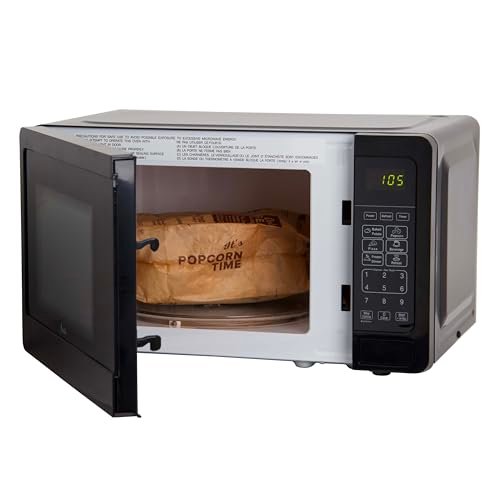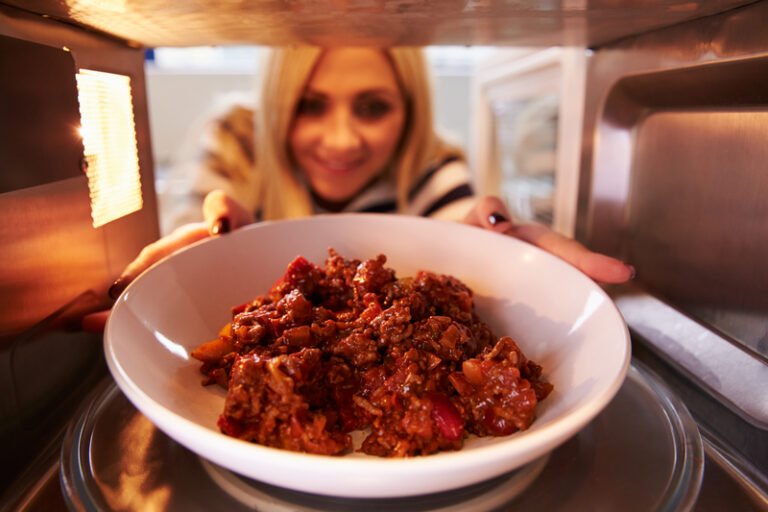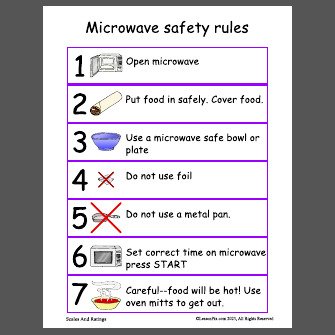
Follow simple microwave safety rules to prevent burns, fires, and food-borne illness.
I have worked around kitchens and tested many appliances, so I know what keeps people safe. This guide covers practical microwave safety rules, clear do-and-don’t steps, and real tips you can use right away. Read on to learn how small habits protect your food, family, and home.
Why microwave safety rules matter
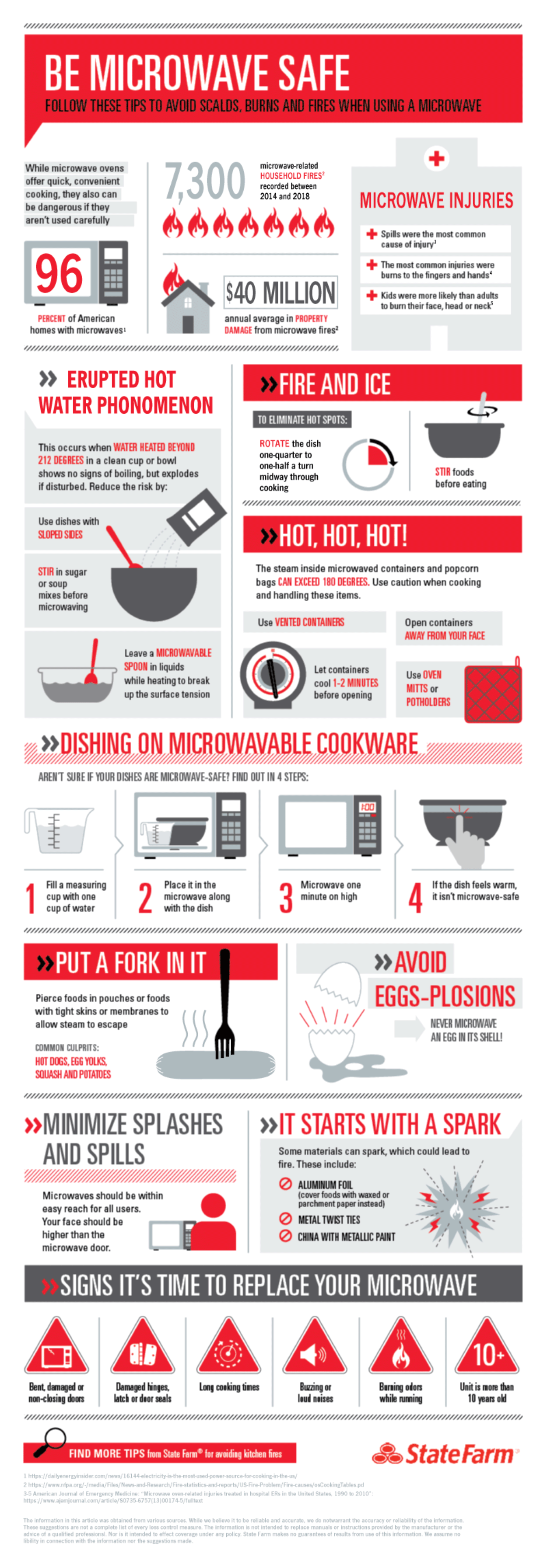
Microwaves heat fast and can hide danger. Following microwave safety rules cuts risks of burns, fires, and food sickness. I have fixed ovens and advised families, and I still see the same risky habits. Good rules make daily life safer and stress-free.
Essential microwave safety rules to follow
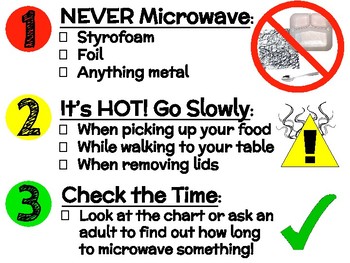
Follow these microwave safety rules every time you use the oven. They are simple and work.
- Keep the door closed and intact. Never use a microwave with a cracked door or broken seal.
- Use only microwave-safe containers. Avoid metal, some types of plastic, and containers with metallic paint.
- Cover food to stop splatters and to heat evenly. Use microwave-safe lids or paper towels.
- Stir and rotate food for even heating. This reduces cold spots that can harbor bacteria.
- Let food rest after heating. This helps heat spread and finishes cooking.
- Do not operate an empty microwave. Running it empty can damage the unit and cause fires.
- Follow manufacturer instructions for wattage and time. Adjust recipes for your microwave’s power.
- Supervise children and teach them the rules. Set clear limits and show safe methods.
- Check temperature with a food thermometer for leftovers and baby food. Aim for 165°F (74°C) where needed.
- Stop if you smell burning or see sparks. Unplug and inspect before using again.
Safe containers and materials
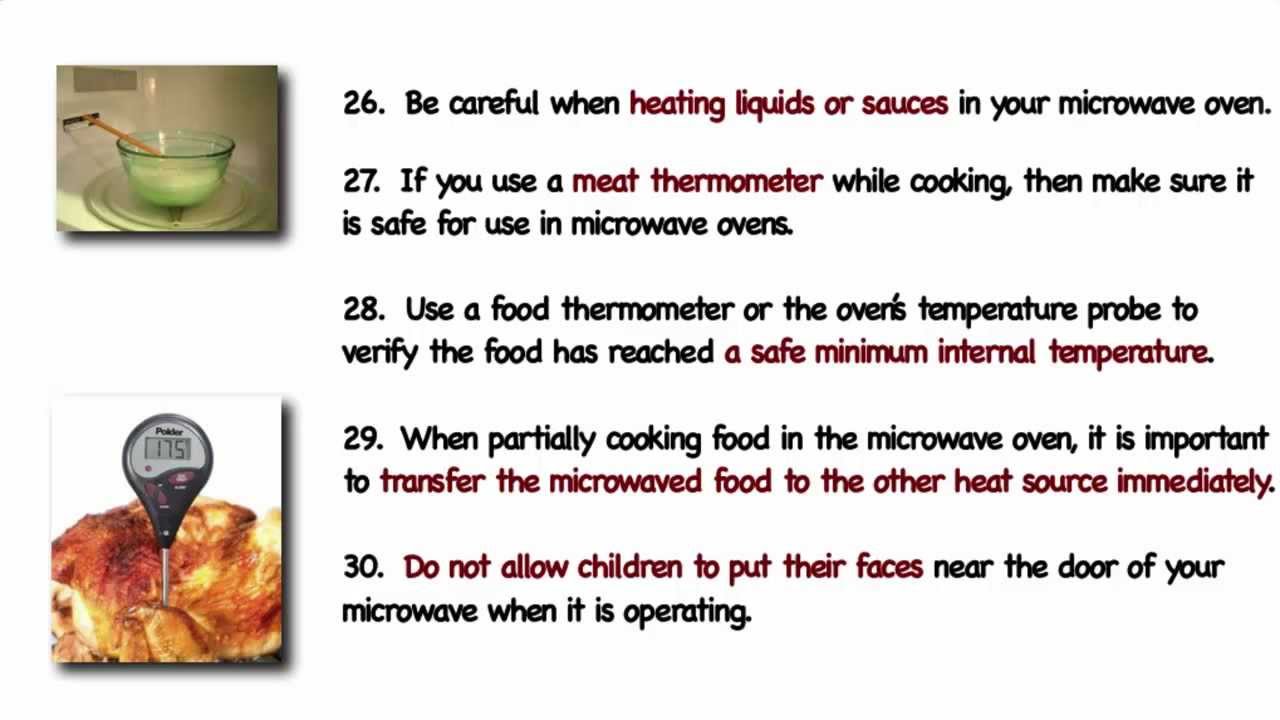
Not all dishes belong in a microwave. Use the right items to follow microwave safety rules and avoid accidents.
- Glass and ceramic labeled microwave-safe are best. They heat evenly and do not melt.
- Paper towels and parchment paper are okay for short use. They reduce mess but can catch fire if overheated.
- Some plastics are microwave-safe. Look for a clear label and avoid old, cracked plastic.
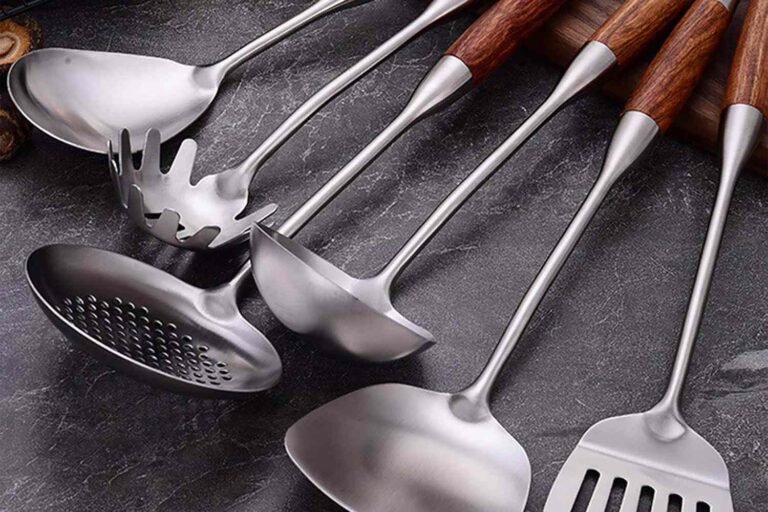
- Never use metal. Metal causes sparks and can damage the oven.
- Avoid sealed containers. Pressure can build up and cause a pop or explosion.
- Test suspicious items by microwaving with water for 30 seconds. If the item gets hot, it’s not safe.
From my own kitchen: I once tried to reheat food in a takeaway container without checking the label. The container warped and leaked. Now I always transfer food to labeled microwave-safe dishes.
Cooking, reheating, and defrosting tips
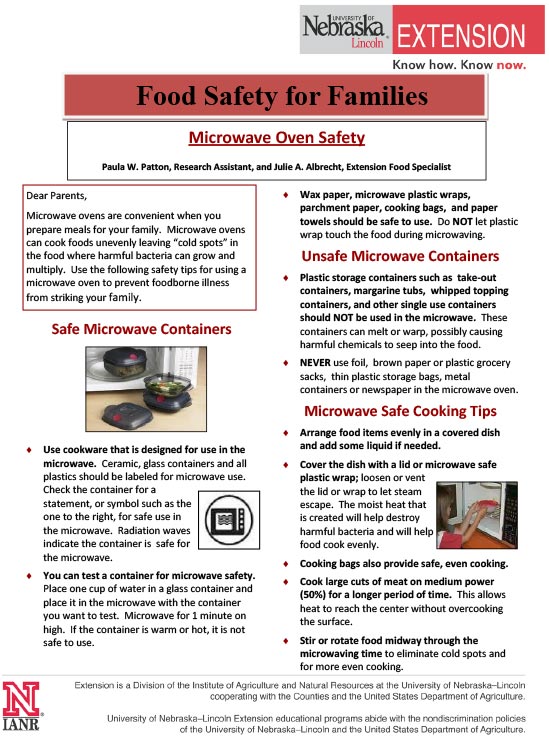
Good technique keeps food safe and tasty. Follow these microwave safety rules for better cooking results.
- Cover food loosely to retain moisture and prevent splatter. Lift the cover carefully to avoid steam burns.
- Heat in short intervals and stir. This avoids hot spots and helps you check progress.
- Use the defrost setting and turn the food often. Finish cooking right after thawing for best safety.
- Reheat leftovers until they are steaming hot throughout. Use a lid or microwave-safe wrap to aid even heating.
- For baby food and drinks, stir and test temperature before serving. Hot spots can scald.
- Use a food thermometer for meats and casseroles to ensure safe internal temps.
Cleaning, maintenance, and troubleshooting
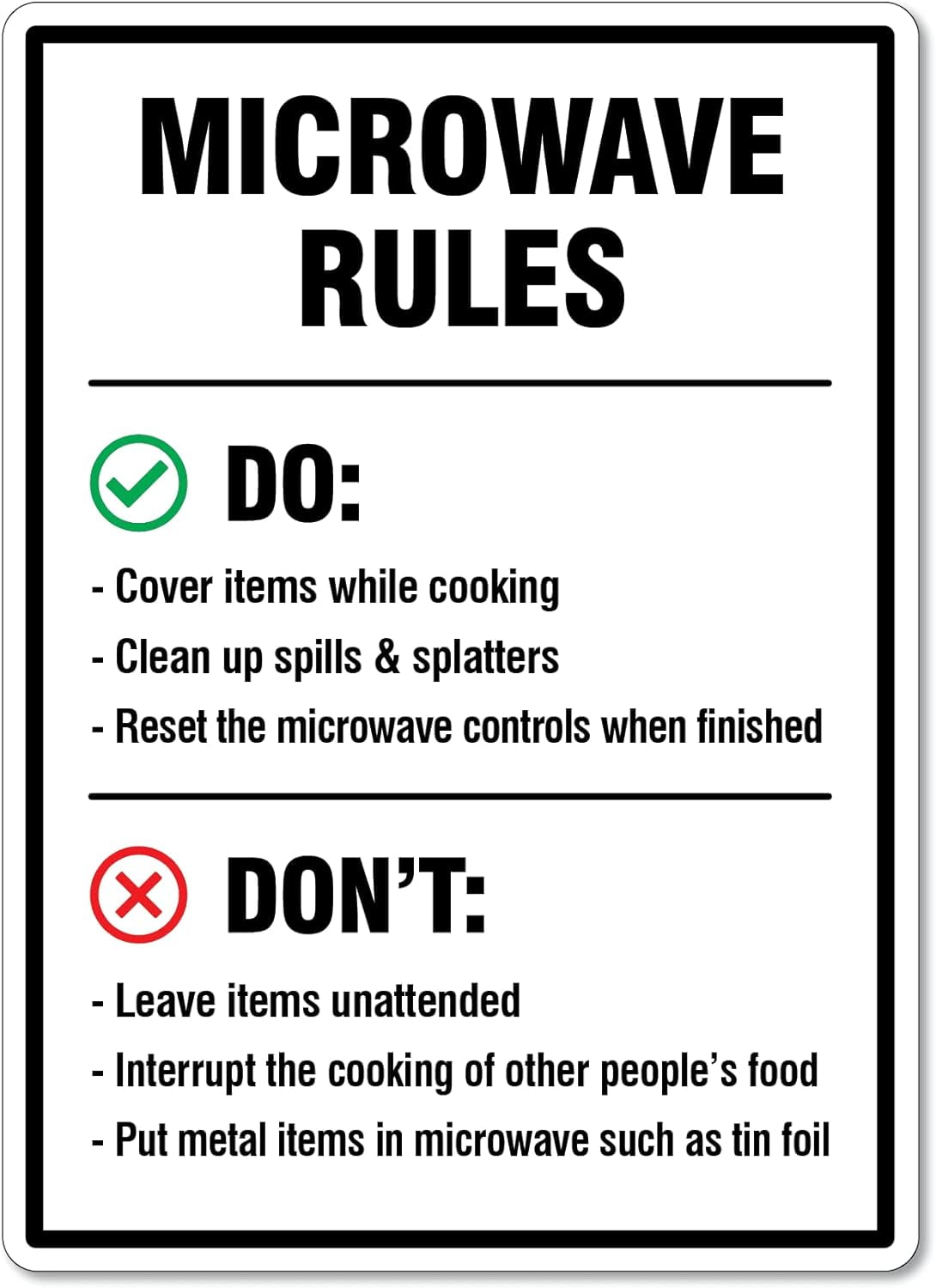
A clean microwave is a safe microwave. These microwave safety rules for care will extend the life of your oven.
- Clean spills immediately. Food buildup can burn and cause odors.
- Use mild soap and water or a microwave steam method to loosen grime. Avoid strong chemical cleaners inside.
- Replace the door seals if they are damaged. A tight seal keeps radiation inside and the unit safe.
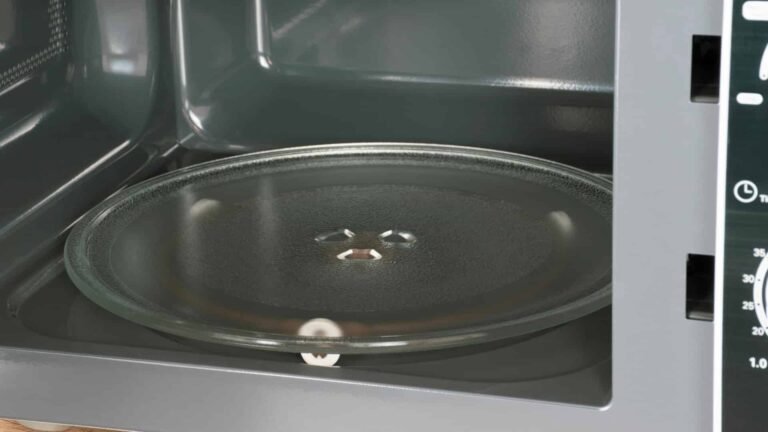
- Inspect the turntable and rollers. If they crack or break, replace them.
- If you see sparks, stop the microwave right away. Inspect for metal, foil, or damage.
- Get professional help for electrical issues. Don’t try to fix wiring or the magnetron yourself.

When to replace or repair your microwave
Knowing when to repair or replace helps protect you. Follow these microwave safety rules to decide the next step.
- Replace if the door won’t close or is bent. A bad seal is a major safety risk.
- Repair if simple parts fail and parts are available. Small fixes can be safe and cheap.
- Replace if the unit smokes, sparks often, or has a burnt smell. These signs show serious internal damage.
- Consider age and efficiency. Older units may lack safety features found on newer models.
- Always unplug the microwave before any repair or inspection. If unsure, call a qualified technician.
My top practical tips from experience
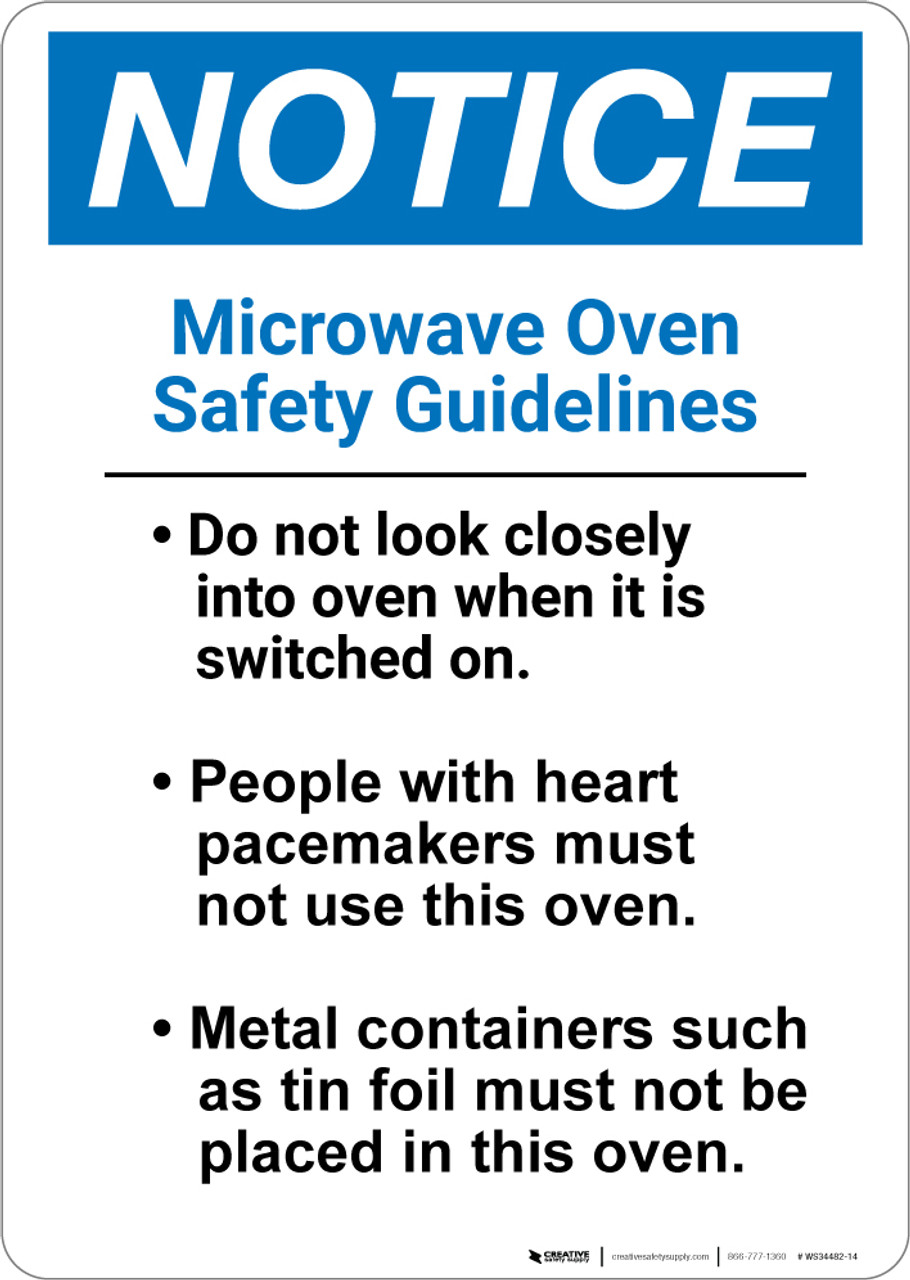
I use these quick habits daily. They are simple, but they work and follow core microwave safety rules.
- Keep a microwave-safe measuring cup and plate set near the oven. It saves guesswork.
- Label plastic containers as “microwave-safe” or not. This stops mistakes in rush hours.
- Teach kids to use a timer and to stand back when opening hot containers.
- Store a small fire extinguisher near the kitchen and know how to use it for grease or electrical fires.

Frequently Asked Questions of microwave safety rules?
What containers are safe for microwave use?
Use glass, ceramic, and plastics labeled microwave-safe. Avoid metal, foil, and containers with metallic paint.
Can I heat water in the microwave safely?
Yes, but be careful. Heat in short bursts and place a nonmetallic object in the cup to prevent superheating.
Is it safe to microwave food in plastic wrap?
Only if the wrap is labeled microwave-safe and not touching the food. Leave vents to avoid pressure build-up.
How do I know if food is heated enough?
Use a food thermometer and aim for 165°F (74°C) for leftovers and many casseroles. Stir food to remove cold spots.
What should I do if the microwave sparks?
Turn it off immediately and unplug it. Check for metal, foil, or damage and get repairs if needed.
Can microwaves cause fires?
Yes, if misused. Running empty, overheating grease, or using metal can lead to sparks and fires.
Conclusion
Microwave safety rules are easy to learn and simple to use. Follow safe container choices, cover and stir food, clean the oven, and stop when you see sparks or smell burning. Little habits make a big difference for safety and food quality. Try one new safety habit this week, like always checking labels or using a thermometer, and share your results or questions below.