Microwave Size Selection Guide: Choose The Perfect Fit
Choose a microwave that fits your space, cooking needs, and family size.
I’ve helped hundreds of homeowners and renters pick the right microwave, and this microwave size selection guide breaks down everything you need. I explain measurements, capacity, power, installation, and real-world tips from hands-on experience so you can buy with confidence. Read on to learn how to match a microwave to your kitchen, lifestyle, and budget with clear steps and examples.
How microwave size is measured and why it matters
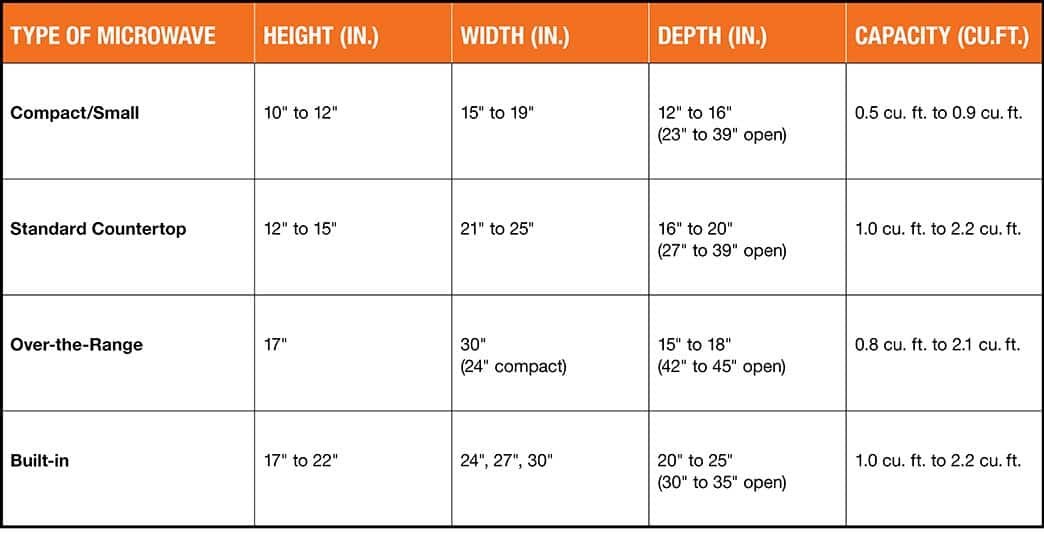
Microwave size is usually expressed in cubic feet. This number measures the cooking cavity volume. You also need outside dimensions to make sure it fits your counter or cabinet. Knowing both interior cubic feet and exterior measurements is essential in any microwave size selection guide.
Common size ranges you will see are compact (0.5–0.8 cu ft), mid-size (0.9–1.4 cu ft), and full-size (1.5–2.2+ cu ft). Smaller units take less space but limit plate size and volume. Larger units fit big plates and more food but need more counter or cabinet room. This dual view—inside capacity and outside footprint—is central to choosing right.

Typical microwave types and their usual sizes
Countertop microwaves
- Compact models: 0.5 to 0.8 cubic feet, small footprint for tight spaces.
- Mid-size models: 0.9 to 1.4 cubic feet, fit most households.
- Full-size models: 1.5 to 2.2+ cubic feet, best for large plates and big dishes.
Over-the-range microwaves
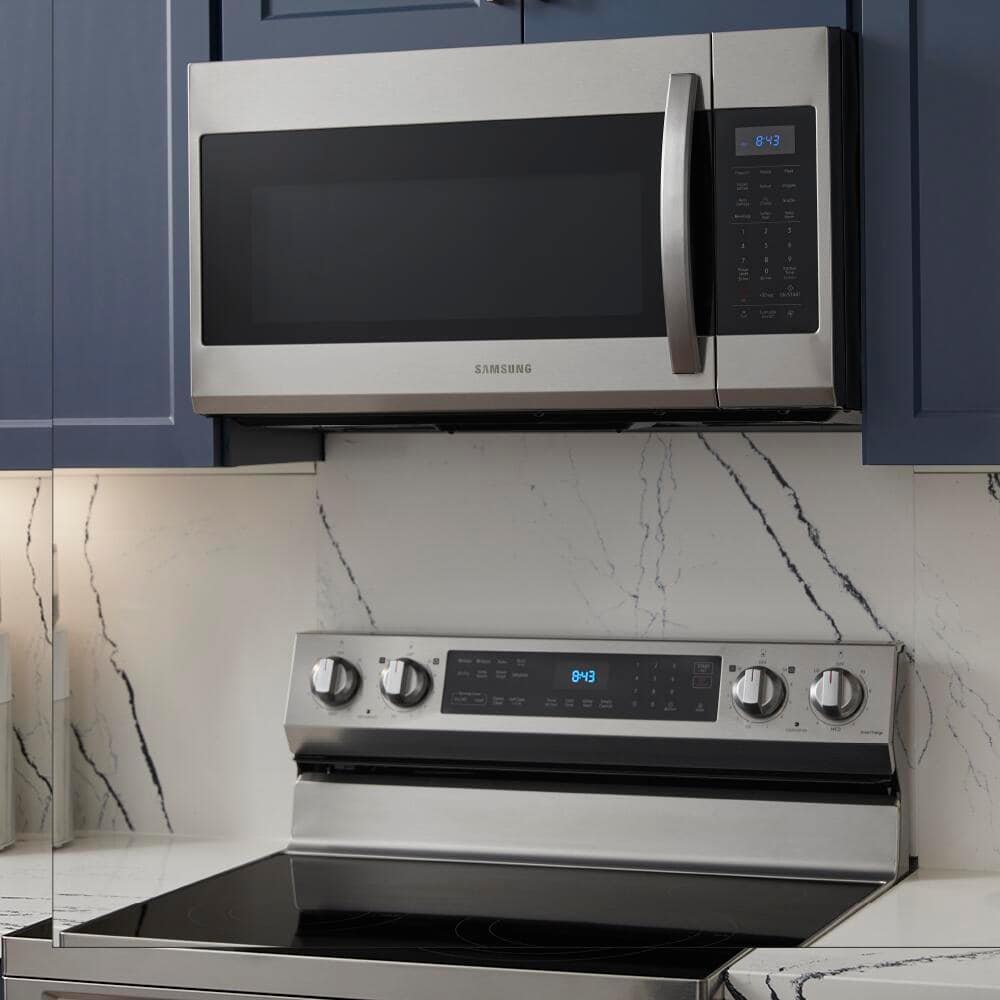
- Common sizes: 1.6 to 2.0 cubic feet, combine venting and microwave use.
- Require specific cabinet and hood clearances for safe installation.
Built-in and trim kit microwaves
- Sizes vary widely, often 1.4 to 2.0 cu ft for built-ins.
- Designed to fit flush into cabinetry for a seamless look.
Drawer microwaves
- Typically 0.7 to 1.2 cubic feet.
- Great for islands or low cabinets where you want easy access.
This microwave size selection guide covers these types so you can pick the style and size that match your layout and needs.

How to choose the right capacity for your household
Single person or small household
- Choose 0.5 to 0.9 cu ft for simple reheating, small plates, and single meals.
- Saves counter space and usually costs less.
Couples and small families
- Aim for 1.0 to 1.4 cu ft for everyday meals, larger plates, and small casserole dishes.
- Offers a balance of size and footprint.
Families of four or more, or frequent cooks
- Choose 1.5 cu ft or larger to fit full plates and bigger containers.
- Useful if you reheat multiple plates or cook larger dishes.
Entertaining or meal prep
- A 2.0+ cu ft microwave gives you room for platters and multiple items.
- Consider slow-downs in heating even with large size—stirring and staging still help.
I tested different sizes in my own kitchen. A 1.2 cu ft model was perfect for daily use, but when I hosted holiday meals, the 1.8 cu ft unit let me reheat multiple dishes at once. This real-world contrast is typical and is why this microwave size selection guide emphasizes matching capacity to habits.
Match power, features, and size for practical use
Power matters as much as size. Wattage affects speed and evenness of cooking. Typical ranges:
- 600–800 watts: basic reheating and simple cooking.
- 900–1100 watts: more even cooking, good for most households.
- 1200+ watts: fast and strong for frequent cooks and larger dishes.
Consider features with size
- Turntable diameter should fit your common plates; check interior width and depth.
- Convection or sensor cooking may require extra room; read specs carefully.
- If you often use large bowls, consider removable turntable options.
From hands-on tests, higher wattage in a mid-sized microwave often outperforms a larger, underpowered unit for everyday tasks. This microwave size selection guide helps you weigh power against capacity to avoid overbuying.
Measuring your kitchen and planning installation
Measure the space before you buy. For countertop units, measure width, depth, and height. For over-the-range and built-in, measure cabinet openings and clearances. Steps:
- Measure interior cabinet height and width for built-ins.
- Measure countertop depth and clearance to the cabinet edge.
- Allow extra space for ventilation—manufacturers list minimum clearances.
Installation tips from experience
- Always leave a few extra inches for air circulation and cord routing.
- Check door swing and handle clearance so the microwave door can open fully.
- For over-the-range models, confirm venting options and hood depth.
This microwave size selection guide stresses measurement first. Buying without measuring is the most common mistake I see.
Common mistakes and how to avoid them
Relying on cubic feet alone
- Mistake: assuming large cubic feet means it fits your counter.
- Fix: check exterior dimensions and turntable size.
Ignoring weight and cabinet support
- Mistake: installing a heavy built-in or over-the-range model without reinforcement.
- Fix: confirm cabinet strength and use proper mounting hardware.
Overlooking door swing and adjacent appliances
- Mistake: purchasing a microwave that blocks another appliance door.
- Fix: visualize or mock-up the door swing with tape before you buy.
Buying the biggest unit possible
- Mistake: choosing too-large microwaves for occasional use wastes space and energy.
- Fix: match size to real cooking needs outlined in this microwave size selection guide.
Energy use, maintenance, and longevity considerations
Larger microwaves with higher wattage can use more energy per minute but finish cooking faster. Consider:
- Energy: higher wattage shortens run-time, often balancing total energy use.
- Maintenance: stainless steel interiors clean easier but may dent; ceramic interiors resist scratches.
- Longevity: reputable brands and higher build quality generally last longer, regardless of size.
My experience shows regular cleaning and avoiding metal in the oven extend life more than size choice. Choose durable finishes and check warranty coverage when following this microwave size selection guide.
Budgeting and value — cost versus practicality
Entry-level compact microwaves
- Usually more affordable but may lack features and power.
Mid-range models
- Offer a good balance of power, size, and features for most households.
Premium and built-in units
- Cost more but add style, better ventilation, or higher power.
Tips on value
- Don’t overspend for features you won’t use.
- Consider long-term utility—size that meets your needs can save money by avoiding replacement.
This microwave size selection guide helps you align budget with true needs rather than impulse features.
Personal tips from hands-on experience
Pack small plates and pans to test a unit at the store if possible. Bring a ruler to match turntable diameter. I once bought a “full-size” unit that could not fit my family’s dinner plate—measuring saved me from repeat mistakes later. Another tip: choose a model with easy-to-replace parts and a clear service plan.
When in doubt, choose a slightly larger interior if you expect to grow your cooking needs. The convenience of fitting large dishes often outweighs the extra counter inch or two.
Frequently Asked Questions of microwave size selection guide
What does cubic feet mean for a microwave?
Cubic feet measure interior volume. It tells you how much space is inside for plates, bowls, and dishes.
Can a microwave be too big for my kitchen?
Yes. Oversized microwaves can crowd counters and block cabinet doors. Always check exterior dimensions and clearance before buying.
How do I know if a plate will fit?
Measure your largest plate and compare it to the turntable diameter and interior width. Allow extra room for rotation and hot spots.
Is a higher wattage always better?
Higher wattage cooks faster and usually more evenly, but it also costs a bit more. Match wattage to your cooking style and size needs.
Do built-in microwaves need special installation?
Yes. Built-ins require proper cabinet cutouts, ventilation, and sometimes trim kits. Follow manufacturer specs or hire a pro for installation.
Conclusion
This microwave size selection guide gives a clear path: measure your space, match capacity to your household, consider power and features, and avoid common buying mistakes. Use the practical tips and personal lessons here to buy a microwave that fits your life today and grows with your needs. Now take measurements, list your must-haves, and choose a microwave with confidence — share your questions or experience in the comments or subscribe for more buying guides.