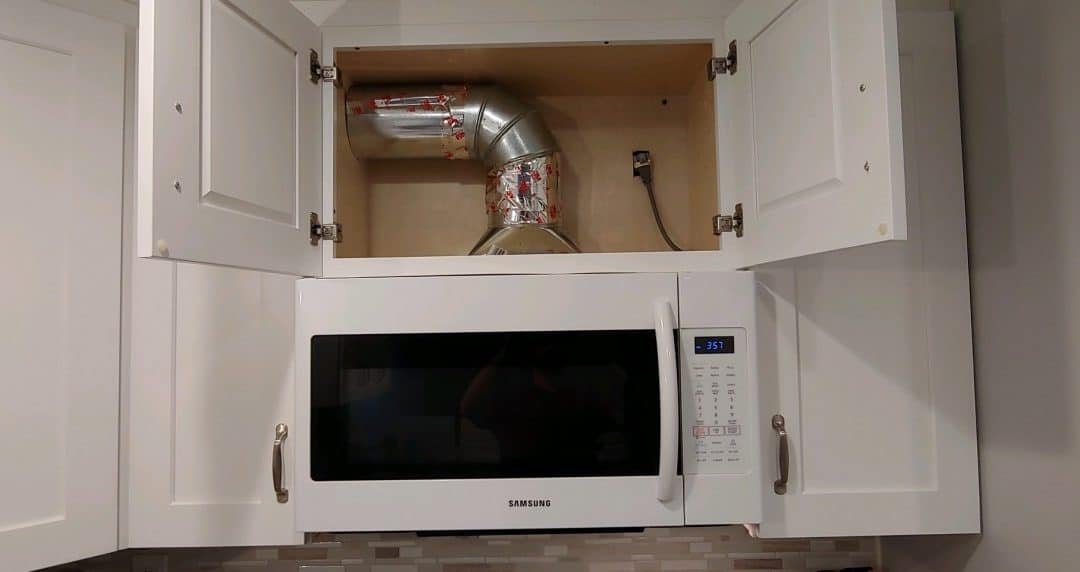
Microwave ventilation is usually necessary to clear steam, odors, and grease from your kitchen.
I have spent years working on kitchen remodels and helping homeowners pick the right appliances. In this article I explain when microwave ventilation needed? how different vent types work, what codes and specs matter, and practical tips to avoid common mistakes. Read on to learn clear, usable guidance so you can make a confident choice for your kitchen.
Why is microwave ventilation needed?
Good kitchen air matters. When you cook, steam, smoke, grease, and odors rise. A microwave over the range sits right where that air travels. That is why microwave ventilation needed? It removes moisture, reduces grease buildup, and helps indoor air quality.
Proper ventilation also protects cabinets and paint. It cuts down on stains and sticky residue. If you cook often, a vented microwave will keep smells out of rooms and improve comfort.

Types of microwave ventilation and how they differ
There are three common setups. Each fits different kitchens and budgets.
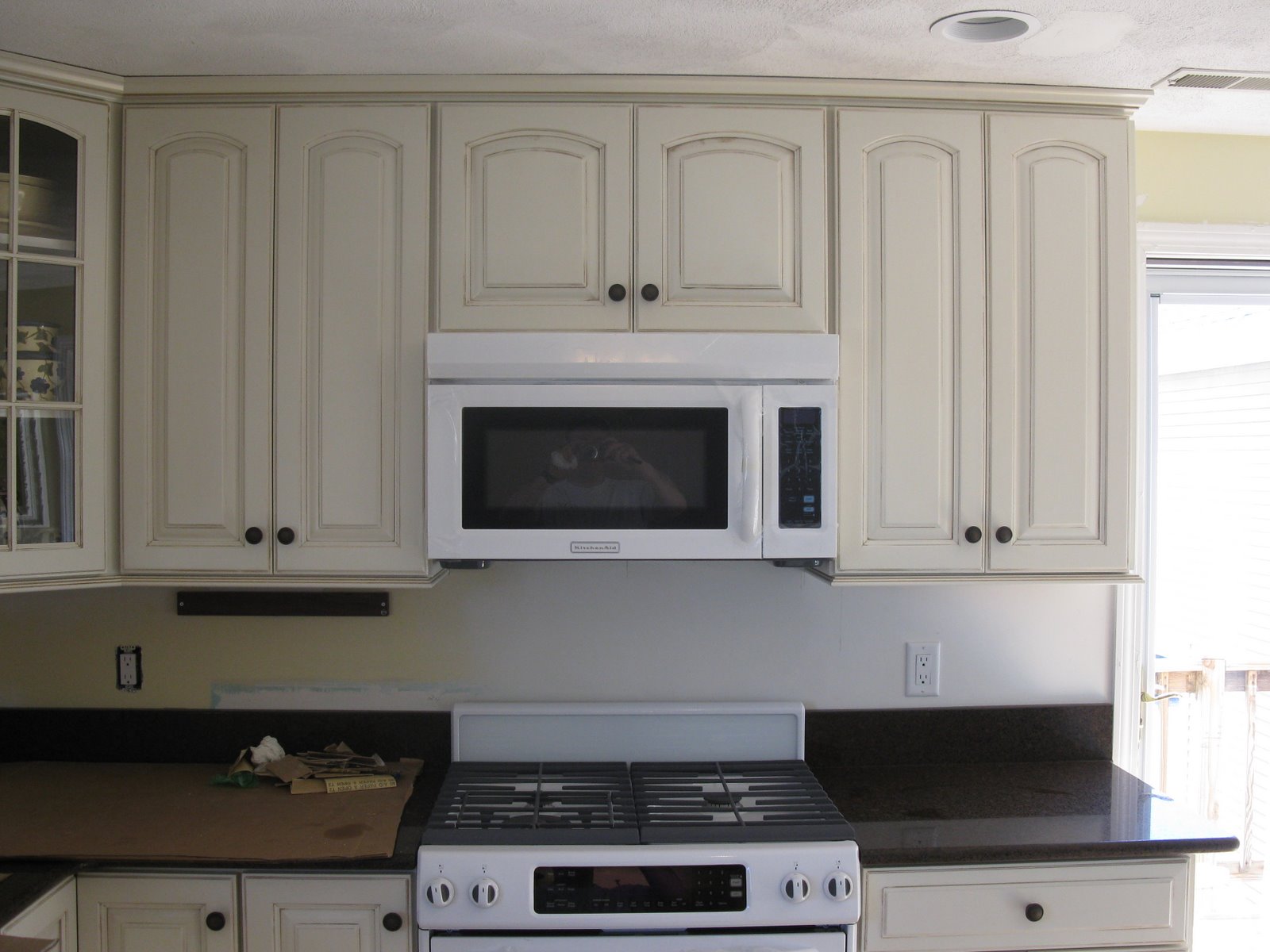
- Over-the-range vented to exterior — Air goes outside through ductwork. This is the best for removing moisture and grease.
- Over-the-range recirculating (charcoal filter) — Air is filtered and returned to the kitchen. It helps odors but is less effective for moisture and grease.
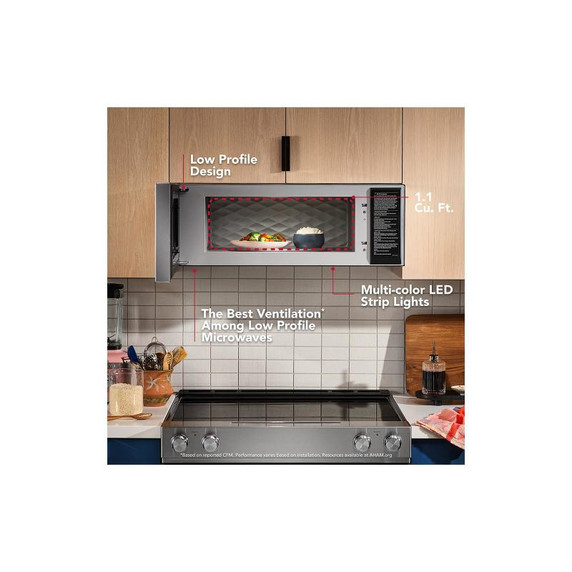
- Microwave installed under a hood or built-in with hood ducting — Works like a range hood and often gives better airflow control.
Deciding which to use answers the question microwave ventilation needed? by matching the vent type to your cooking style, space, and budget.
Building codes, safety, and practical rules
Local code can affect whether microwave ventilation needed? For many jurisdictions, venting to the exterior is recommended when the microwave sits over a cooktop. Some codes require specific duct sizes, fire-safe ducts, and minimum clearances.
Simple rules to keep in mind:
- Keep at least 30 inches of clearance between cooktop and bottom of microwave where possible.
- Use rigid or semi-rigid metal ducts for long runs.
- Terminate the duct outside with a proper vent cap that has a damper.
Check local code and consult a professional installer when in doubt. These steps reduce fire risk and ensure safe operation.
Key specs to look for when choosing a vented microwave
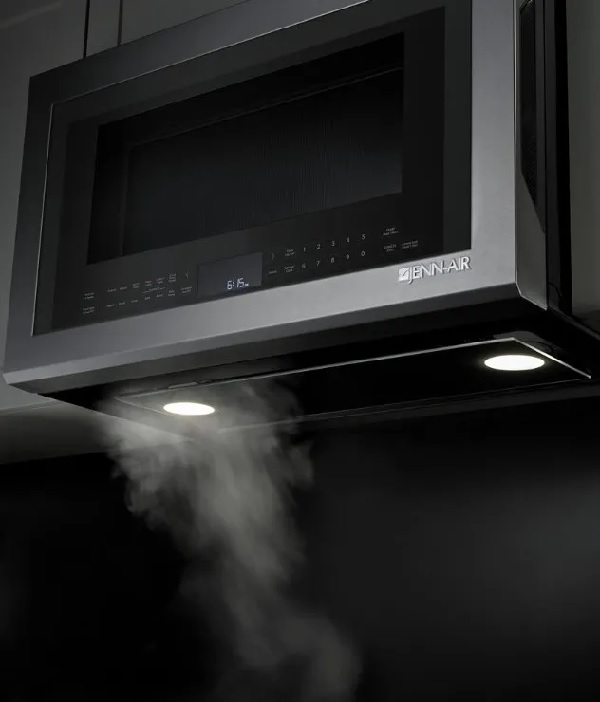
When evaluating if microwave ventilation needed? pay attention to specs. Important numbers matter for performance.
- CFM (cubic feet per minute) — 100 to 400 CFM is common. More cooking and gas ranges need higher CFM.
- Sones — This measures noise. Look for lower sones for quieter kitchens.
- Duct size — 3 1/4 inch, 6 inch round, or 2 1/2 x 10 inch rectangular are common. Larger ducts move air more efficiently.
- Filter type — Grease filters trap oil; charcoal filters reduce smell in recirculating setups.
Match CFM to your cooktop size. A high CFM with a small duct will lose efficiency. Balance power, noise, and ducting for the best result.
Installation tips and common mistakes
A good install answers microwave ventilation needed? in the most practical way. Small mistakes can cut venting performance by half.
- Plan the duct path — Short, straight runs work best. Avoid many bends.
- Use metal ducts — Flexible plastic ducts reduce airflow and catch grease.
- Size the duct properly — Match the microwave outlet to the duct diameter.
- Seal joints — Use metal tape or clamps to avoid leaks.
- Mind termination — Install a vent cap with a backdraft damper and keep it clean.
From personal installs, I learned that squeezing a microwave into a tight duct run makes it noisy and weak. Plan ducting early in a remodel.

When microwave ventilation is not strictly necessary
Not every kitchen must have an externally vented microwave. There are cases where microwave ventilation needed? is less critical.
- You cook rarely or only reheat items.
- You have a separate, powerful range hood over the cooktop.
- You live in a small unit where exterior ducting is impossible.
Even then, a recirculating microwave can help with smoke and smells. Weigh convenience and air quality before skipping external venting.
Cost, maintenance, and value
Understanding costs helps answer microwave ventilation needed? in budget terms. Venting to the outside costs more up front but often saves trouble later.
- Upfront cost — Exterior-venting installations usually cost more for ductwork and labor.
- Maintenance — Replace charcoal filters every 6–12 months if recirculating; clean grease filters every 1–3 months.
- Long-term value — Exterior venting protects surfaces and can improve resale appeal.
I once saved money by choosing recirculating ventilation in a rental kitchen. Later, tenants complained about lingering smells. Investing in exterior ducting would have reduced calls and maintenance.
My personal experience and lessons learned
I installed over-the-range microwaves in three homes. In one, I used a short rigid duct and noticed a big drop in humidity and grease on cabinets. In another, I routed a long flexible duct to save time and later replaced it because it was noisy and clogged.
Lessons I share:
- Do it right the first time with metal ducts.
- Match CFM to cooking habits.
- Plan cleanouts and filter replacements as part of routine upkeep.
These small choices make a big difference in comfort and appliance longevity.
Frequently Asked Questions of microwave ventilation needed?
Is it required to vent a microwave to the outside?
Many building codes recommend or require exterior venting for over-the-range microwaves when installed above a cooktop. Always check local code and installer guidance for your area.
Does a recirculating microwave work well?
Recirculating units help with odors and light smoke but are less effective at removing moisture and grease compared to external venting. They are a good option when ducting outside is not possible.
What CFM do I need for an over-the-range microwave?
Typical microwaves range from 100 to 400 CFM. If you cook frequently or use high-heat methods, choose a higher CFM to clear smoke and steam efficiently.
Can I install my own ductwork?
Homeowners can install ductwork, but proper materials and techniques matter. Using rigid metal duct and sealing joints is essential; hiring a pro avoids mistakes and code issues.
How often should I clean filters?
Clean grease filters every 1–3 months, depending on use. Charcoal filters in recirculating systems should be replaced every 6–12 months or per manufacturer instructions.
Conclusion
Deciding whether microwave ventilation needed? comes down to your cooking habits, kitchen layout, and safety needs. Exterior venting offers the best removal of steam, grease, and odors. Recirculating systems help when ducting is impossible but demand more filter care.
Takeaway: plan ventilation early in any kitchen project, match the CFM to how you cook, and use proper metal ducting. If you value clean air and low maintenance, venting to the outside is worth the investment. Share your questions or experiences below, subscribe for more kitchen tips, or consult a local pro to evaluate your setup.