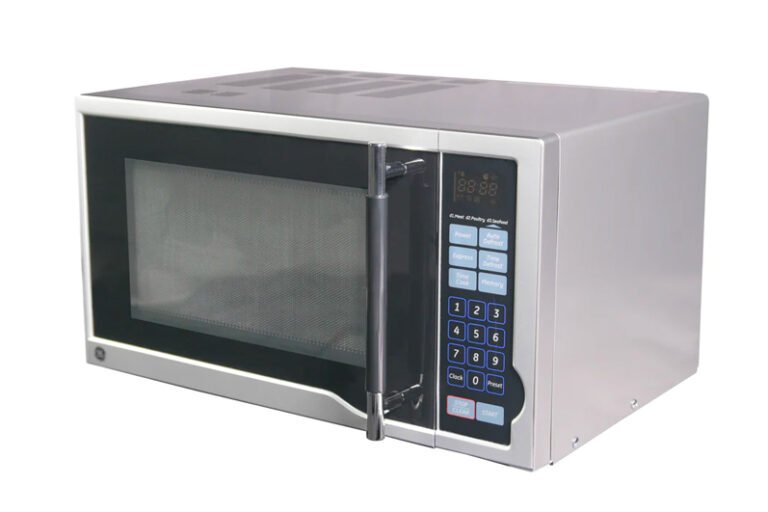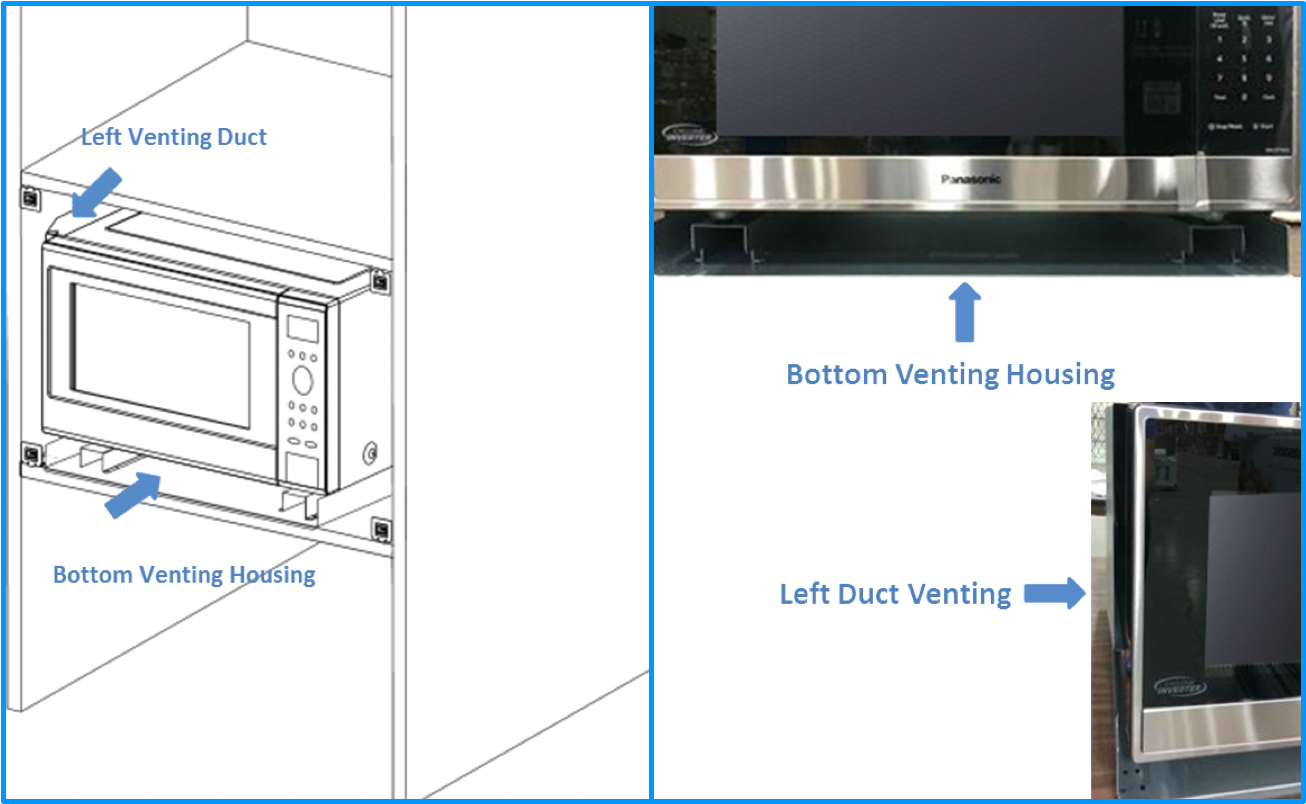
Microwave ventilation requirements ensure safe clearances, proper airflow, and correct ducting for odors and heat.
I’ve worked on many kitchen remodels and helped homeowners and contractors meet microwave ventilation requirements that keep homes safe and kitchens comfortable. This guide breaks down what those requirements usually mean, how to choose the right venting setup, the common rules installers follow, and practical tips from real installs. Read on and you’ll know how to plan, install, and maintain microwave ventilation requirements for a reliable, code-aware kitchen.
Why microwave ventilation requirements matter
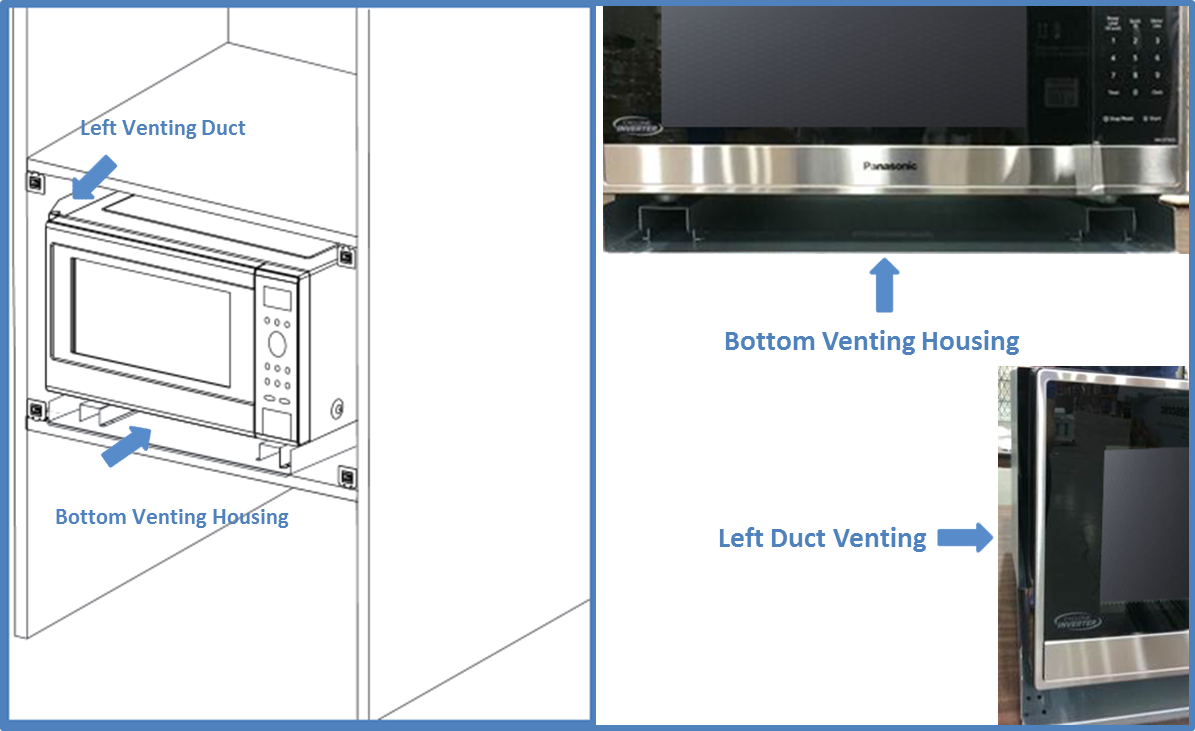
Microwave ventilation requirements protect your home from grease, steam, and heat. Proper venting reduces smoke, cooking odors, and moisture that can damage cabinets and drywall. They also help prevent excessive heat around the microwave and meet safety and building-code checks. I’ve seen kitchens with poor venting develop sticky grease on cabinets and faster paint failure, so good ventilation is more than comfort — it’s prevention.

Key components of microwave ventilation systems
Microwave ventilation requirements cover several parts that must work together.
- Vent hood or blower: Moves air out or through filters to clean and expel air.
- Ducting: Connects the microwave to the outside for vented systems.
- Filters: Grease filters are metal and reusable; charcoal filters are used in recirculating systems.
- Backdraft damper: Stops outside air from entering when the fan is off.
- Control and fan speeds: Determine flow and noise levels.
- Exhaust termination: A roof or wall cap that directs air outside.
Knowing these parts helps you match a microwave to the right venting method and meet local requirements for microwave ventilation requirements.
Types of venting and how they relate to microwave ventilation requirements
There are two main venting types to consider. Each ties into microwave ventilation requirements differently.
- Vented to exterior: Exhausts air outside through ductwork. This is the best for removing heat, moisture, and odors.
- Recirculating (ductless): Air passes through charcoal filters and returns to the kitchen. This helps when exterior venting is not possible but is less effective at removing moisture and heat.
Most building codes and best practices prefer exterior venting when possible. I often recommend exterior venting in remodels for long-term performance and to meet typical microwave ventilation requirements.

Typical installation and clearance considerations
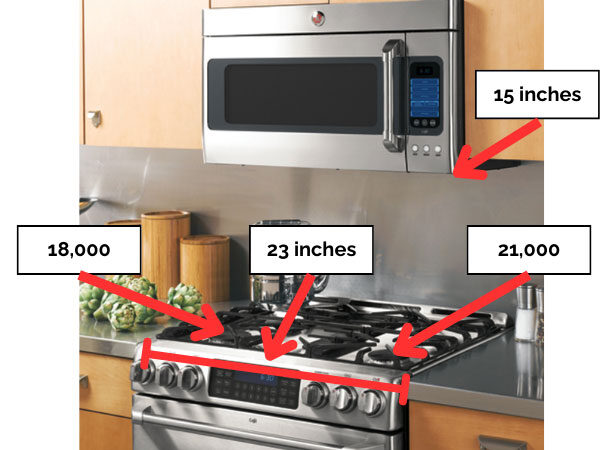
Microwave ventilation requirements include safe clearances and correct duct layout. Exact numbers vary by model and local code, so always check the microwave manual and local rules. Common practical considerations include:
- Clearance above cooking surface: Follow the manufacturer’s stated minimum height above the cooktop. Typical ranges vary, so confirm before installing.
- Cabinet cutout and support: Cabinets must allow proper air flow and support the unit per the installation guide.
- Duct sizing: Use the duct size recommended by the manufacturer. Many microwaves work with 3-1/4" x 10" rectangular ducts or 6" round ducts where specified.
- Duct run: Keep the run short and straight. Use rigid metal duct where possible to maintain airflow and meet microwave ventilation requirements.
- Termination: Use a proper exterior cap and backdraft damper to prevent pests and drafts.
From my experience, planning the duct path before buying the microwave saves time and keeps your install within microwave ventilation requirements.
Building codes, materials, and safety rules
Microwave ventilation requirements are influenced by building codes and safety standards. Key points to watch:
- Permits: Many jurisdictions require a permit for changes to kitchen ventilation or ducting.
- Materials: Use smooth, rigid metal ducts for best airflow and to meet many code expectations. Flexible ducts reduce efficiency and trap grease.
- Fire safety: Keep ducts clear of grease buildup. Install where local fire codes require and follow specified clearances from combustible materials.
- Local code variations: Rules vary by city and county. Always verify local requirements to ensure your microwave ventilation requirements are compliant.
I once had a job delayed two weeks because the local inspector required a change from flexible duct to rigid metal. Checking codes early avoids that delay.

Maintenance and troubleshooting to meet microwave ventilation requirements long-term
Good maintenance keeps ventilation effective and safe. Typical steps include:
- Clean grease filters regularly. Metal filters can be washed; replace charcoal filters per the manufacturer.
- Inspect and clean ducts every few years. Grease buildup lowers airflow and raises fire risk.
- Check airflow: Hold a piece of tissue at the exterior vent while running the fan. It should pull firmly.
- Listen for unusual noise or vibration. Loose mounts or worn blowers can cut performance.
- Replace items on schedule. Fans and filters wear out and reduce compliance with microwave ventilation requirements.
Routine care keeps your system working and avoids costly repairs later.
Common mistakes and best practices
Avoid these common pitfalls related to microwave ventilation requirements.
- Mistake: Using long runs of flexible duct. Flexible duct cuts airflow and traps grease.
- Best practice: Use short, straight, rigid ducts sized per the microwave manual.
- Mistake: Relying on recirculating units for high-heat cooking. They do not remove moisture well.
- Best practice: Opt for exterior venting when cooking produces lots of steam or grease.
- Mistake: Ignoring the manual. Every model has unique microwave ventilation requirements.
- Best practice: Follow the manufacturer’s installation instructions and local codes.
In my installs, following these best practices saved hours of rework and ensured inspectors passed the job.
Cost, performance, and upgrade considerations
Planning for microwave ventilation requirements includes budget and performance trade-offs.
- Cost factors: Ducting complexity, vent termination, and labor affect total cost.
- Performance: Exterior venting delivers the best odor and moisture removal. Higher CFM fans move more air but can be louder.
- Noise: Check sone or dB ratings. A quiet fan might have lower airflow.
- Upgrades: Replacing a recirculating microwave with a vented unit may require cutting new ducts or holes. Factor in wall or roof work.
I recommend getting at least two quotes for duct work. A small extra spend for rigid ducting often pays off with better performance and fewer future repairs.

Frequently Asked Questions of microwave ventilation requirements
Do microwaves always need external venting?
No. Some microwaves recirculate air through charcoal filters. External venting is preferred when possible for better removal of moisture and grease.
How do I know the required clearance for my microwave?
Check the microwave’s installation manual for the manufacturer’s required clearances. Local building codes may also set additional minimums.
Can I use flexible ducting for microwave ventilation requirements?
Flexible ducting is sometimes allowed but is less efficient and traps grease. Rigid metal ducting is recommended for best airflow and code compliance in many areas.
How often should I clean the filters and ducts?
Clean metal grease filters monthly if you cook often. Inspect ducts every one to three years and clean as needed to prevent buildup.
Will a higher CFM fan always perform better?
Higher CFM moves more air, but efficiency depends on duct size and layout. A well-sized duct and short run often outperform a high-CFM fan with poor ducting.
Do I need a permit to change microwave ventilation?
Many areas require permits for new ducts or major ventilation changes. Check with your local building department before starting work.
Conclusion
Microwave ventilation requirements matter for safety, comfort, and code compliance. Focus on correct vent type, proper ducting, and following the microwave manual and local rules. Keep maintenance simple and regular to preserve performance and prevent problems. Take action now: review your microwave manual, inspect your ducting, and consult a pro if you plan major changes — and feel free to comment below or subscribe for more kitchen upgrade tips.