Some plastics are microwave safe, but many can release chemicals or warp when heated.
I have worked with kitchen safety and tested containers for years, so I can guide you through how to tell if a plastic microwave safe option is right for your needs. This article explains what "plastic microwave safe" means, the risks, clear testing tips, and practical steps you can use today to heat food safely and avoid common mistakes.
How microwaves heat food and why plastic matters
Microwaves cook food by making water molecules move. Heat builds quickly in wet or oily foods. Plastic can stay cool or trap heat. That matters because heat can change plastic structure and cause chemicals to move into food.
When you ask if plastic microwave safe, you are really asking if that plastic can hold heat without melting, releasing chemicals, or losing shape. Not all plastics meet that test, so knowing the type helps you avoid harm.
Understanding plastic types and "plastic microwave safe"
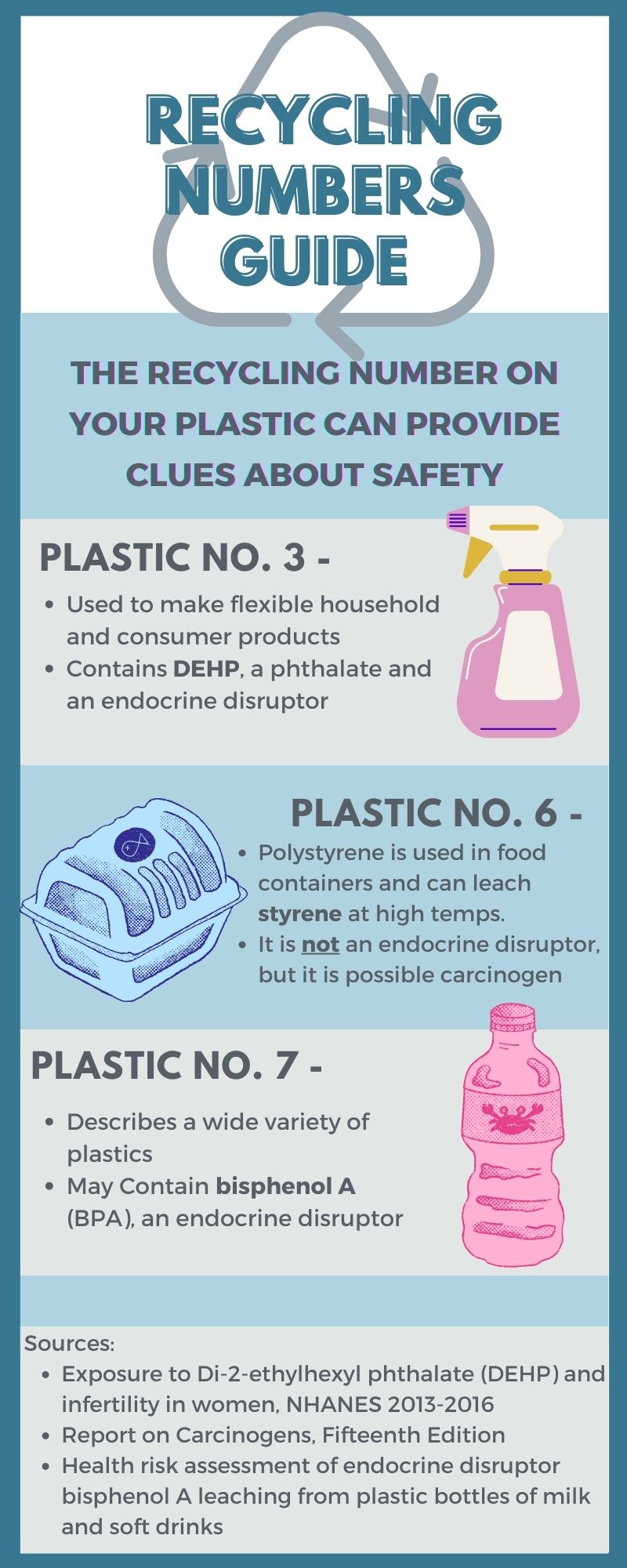
Plastics come in many types. Each type reacts to heat differently. Common types include polyethylene, polypropylene, and polycarbonate. Look at resin codes, the little triangle with a number. Numbers 1, 2, 4, and 5 are often safer, but this is not a firm rule.
When labeling says plastic microwave safe, manufacturers tested the item for short-term heat use. Still, some items labeled microwave safe are only safe for reheating, not for high heat cooking. Treat any plastic you use in the microwave with care.
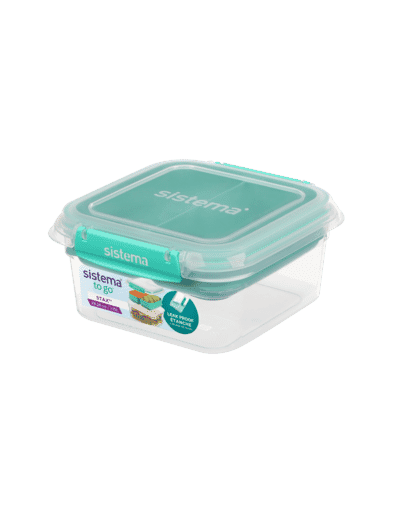
How to tell if a plastic is microwave safe
You can use simple checks at home to judge if a container is plastic microwave safe.
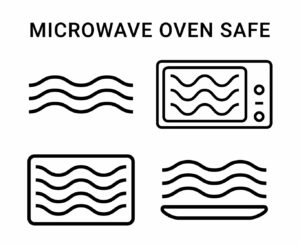
- Look for a microwave-safe label or symbol on the bottom of the container.
- Check the resin code; 5 (polypropylene) is commonly microwave friendly.
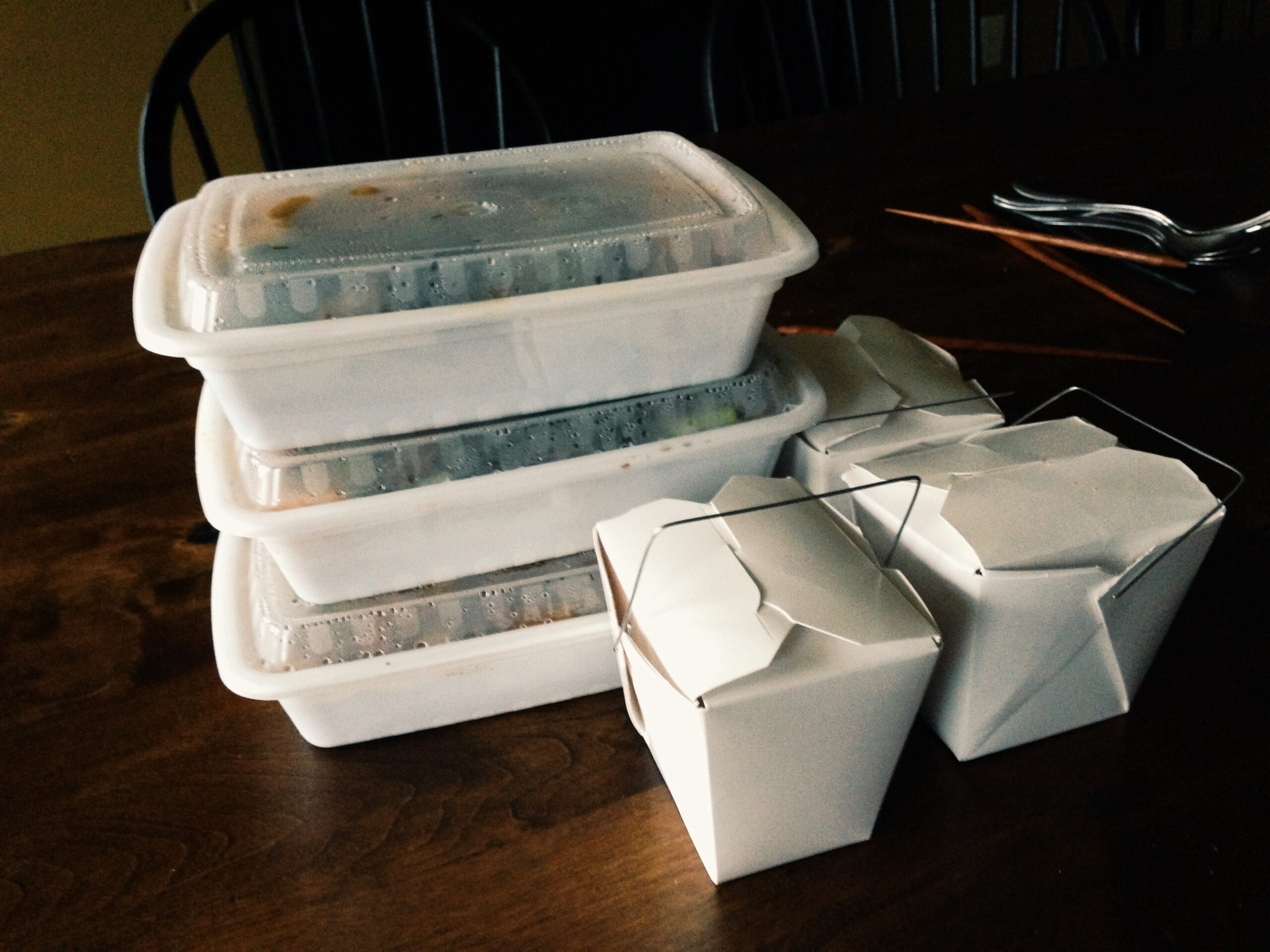
- Avoid plastics labeled for single use, like some takeout containers.
- If the container warps, smells, or stains after heating, stop using it in the microwave.
I learned to toss containers that looked thin and flexible. They often did not stay plastic microwave safe after a few uses.
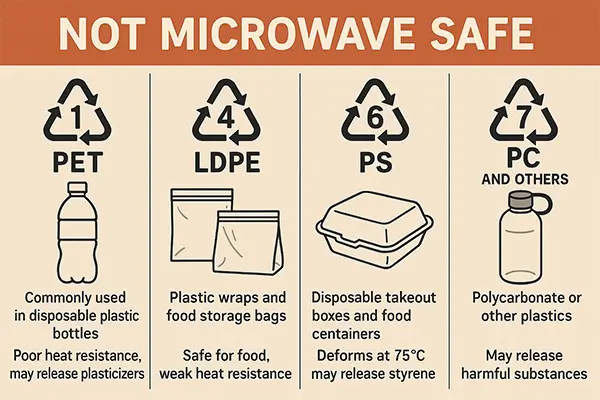
Risks of microwaving non-microwave-safe plastic
Microwaving the wrong plastic can cause three main problems.
- Chemical leaching: Heat can cause additives and monomers to move into food.
- Melting and deformation: Thin plastics can warp and spill food.
- Fire or smoking: In rare cases, plastics with metallic paint or parts can spark.
Studies show that certain chemicals can migrate faster at high heat. While most risks come from old or low-quality plastic, it is best to be cautious and choose items labeled plastic microwave safe.

Safe practices and tips for microwaving plastic
Follow these practical tips to keep heating safe when you use plastic microwave safe items.
- Use only containers labeled microwave safe for reheating.
- Avoid heating fatty or sugary foods in plastic, since they reach higher temperatures.
- Loosen lids or vent sealed containers before heating to prevent pressure build-up.
- Replace scratched, cracked, or cloudy containers—they often lose their plastic microwave safe qualities.
- Prefer glass or ceramic for long cooking times or high heat to reduce risk.
- Avoid using plastic wrap directly on food unless it is labeled microwave-safe and you leave room for steam.
From my experience, venting lids and choosing thicker plastic saved a lot of food mess and worry. I also swapped worn plastic containers for glass and noticed fewer stains and no warping.

Alternatives to plastic microwave safe options
Sometimes the best answer is to skip plastic altogether. Here are reliable alternatives.
- Glass containers with a lid made for microwaving.
- Ceramic bowls and plates rated microwave safe.
- Silicone containers that say microwave safe and can handle higher heat.
Using these alternatives reduces the need to question whether a given item is plastic microwave safe. I switched many of my meal-prep containers to glass and found it simpler and safer overall.
How industry standards and labels work
Labels and standards help shoppers know if a product is plastic microwave safe. Manufacturers test items for heat resistance and chemical migration. Labels like microwave-safe are meant to indicate short-term reuse for heating.
However, labels are not foolproof. Some tests use specific temperatures and times that may not match how you use the microwave. Keep in mind that everyday use—like heating greasy pizza—can exceed those test limits. Use labels as a guide, not an absolute guarantee.
Personal experience and common mistakes to avoid
I once reheated soup in a thin plastic container without venting. The lid warped and leaked. That taught me three lessons.
- Never assume single-use plastic is plastic microwave safe.
- Always vent lids to avoid pressure and warping.
- Replace containers that look tired; age changes safety.
These simple changes cut down on mess and eliminated worries about chemical transfer in my kitchen.

Frequently Asked Questions of plastic microwave safe?
Is it safe to microwave all plastic containers?
No. Not all plastic containers are microwave safe. Only containers labeled microwave safe should be used, and even then caution is needed with hot, fatty, or sugary foods.
Does plastic release chemicals when microwaved?
Some plastics can release chemicals when heated. The amount depends on the plastic type, heat, and time. Choosing items labeled plastic microwave safe reduces but does not eliminate risk.
Can I microwave plastic food storage containers?
You can microwave plastic storage containers if they are marked microwave safe and are in good condition. For long or high-heat cooking, prefer glass or ceramic.
Are plastic wraps safe in the microwave?
Some microwave-safe plastic wraps are designed for short-term use and should not touch hot food. Use only wraps labeled microwave safe and vent them to allow steam to escape.
How do I test if a plastic container is microwave safe?
A common home test is to place the empty container and a cup of water in the microwave for one minute. If the container stays cool and the water heats, it may be microwave safe. This test is not perfect and does not measure chemical leaching.
Conclusion
Plastic microwave safe is not a simple yes or no. Some plastics handle heat well and carry a microwave-safe label, while others can warp or release chemicals. Choose containers with clear labeling, replace worn items, vent lids, and prefer glass or ceramic when you can. Take small steps today: check labels, toss damaged plastic, and use safer alternatives to protect your health and your food. Share your experiences or questions below, and subscribe for more kitchen safety tips.