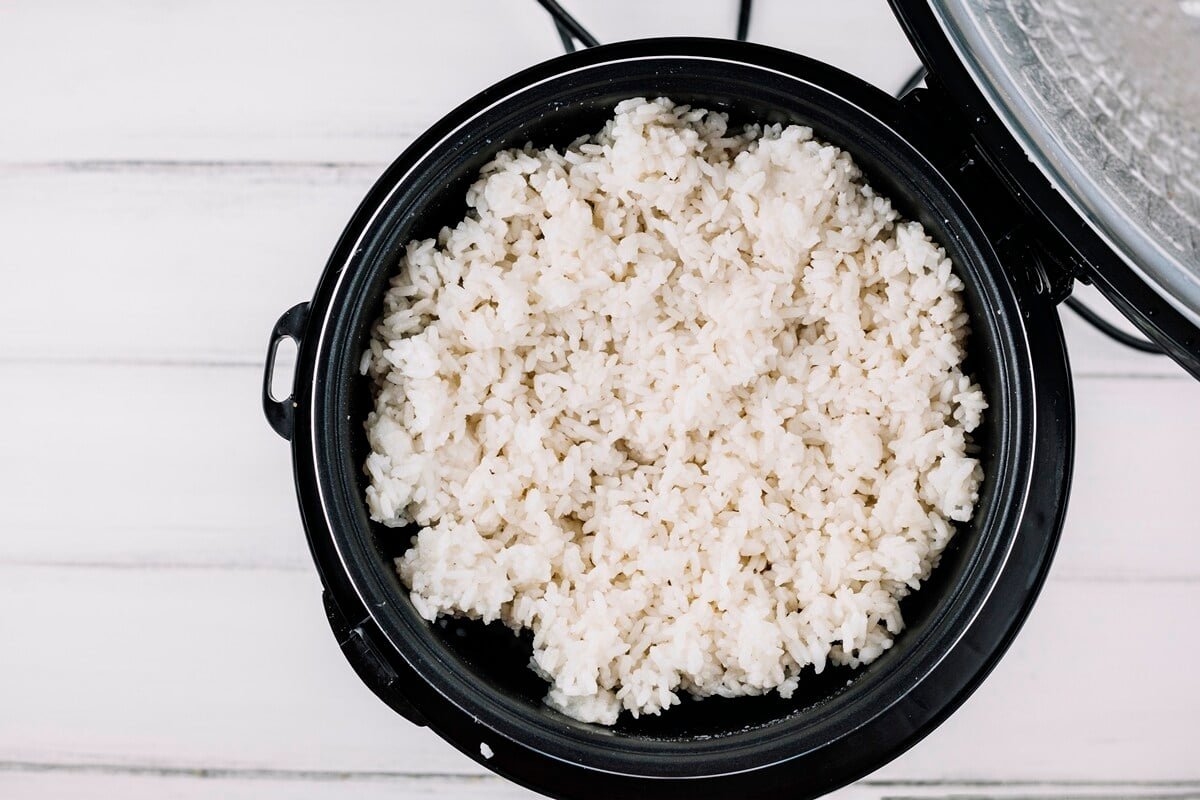
Rice cooker wins for foolproof rice; Instant Pot shines for speed and multi-use cooking.
I’ve cooked hundreds of rice batches and tested both machines across many kitchens. This article on rice cooker vs instant pot for cooking rice explains texture, timing, ease, and value. You’ll get clear pros and cons, real-life tips, and a buying guide so you pick the right tool for your home. Read on to learn what works best for your rice routine.

Side-by-side: rice cooker vs instant pot for cooking rice
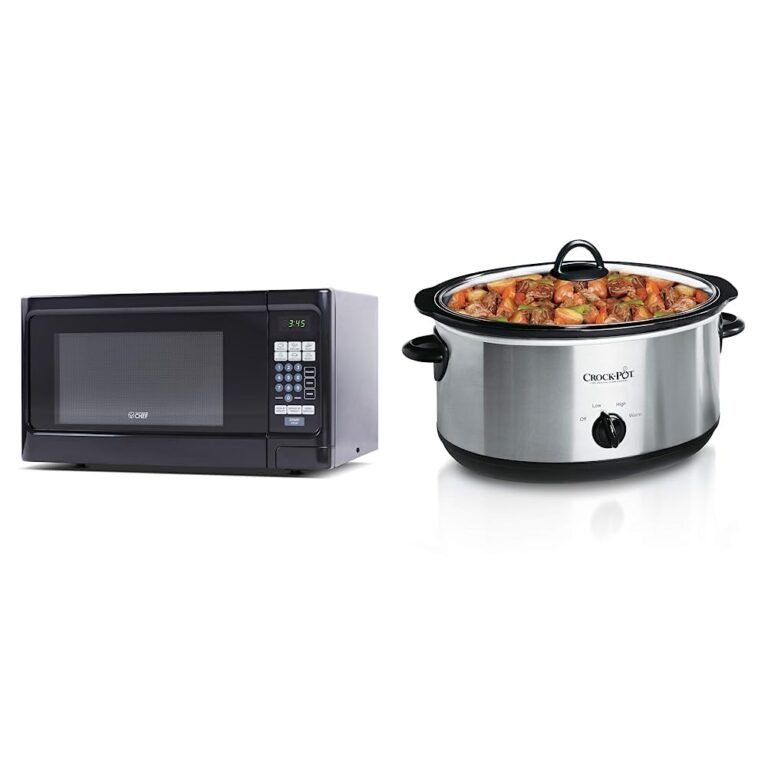
Both machines cook rice well, but they do it in different ways. The rice cooker uses steady heat and a simple on/off cycle to make consistent rice. The Instant Pot uses pressure and high heat for faster results and more functions. Choose a rice cooker for simple, reliable rice and an Instant Pot if you want speed and extra cooking options.

How each appliance cooks rice
A rice cooker heats a thin metal plate under the pot until the water boils away. An internal sensor switches to “keep warm” when the liquid is gone. This method makes overcooking rare and keeps rice fluffy.
An Instant Pot raises pressure and temperature to cook rice fast. Steam and pressure penetrate grains quickly, cutting cook time by 30–70 percent. It needs more hands-on settings and sometimes a release step.

Texture and taste: rice cooker vs instant pot for cooking rice
Rice cookers tend to produce evenly cooked, fluffy rice with separate grains. The gentle heat helps delicate grains stay intact. This is why many home cooks prefer rice cookers for jasmine and basmati.
Instant Pots can yield slightly firmer rice or a denser texture if water ratios or pressure settings are off. With a little practice, the Instant Pot gives soft, even rice too. If you prefer very sticky rice, both machines can work with adjusted ratios and timing.
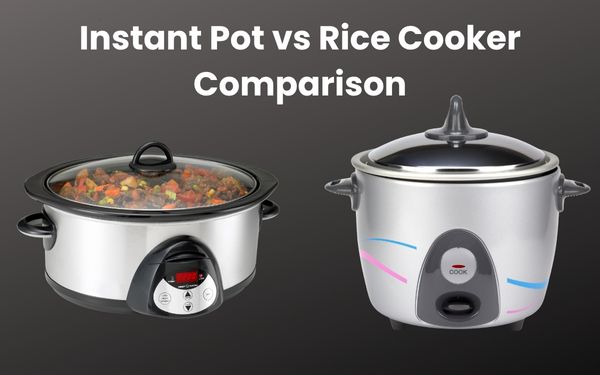
Speed and convenience
Rice cooker benefits:
- Hands-off cooking: add rice and water, press one button.
- Built-in “keep warm” holds rice without drying it.
- No pressure release or timing fuss.
Instant Pot benefits:
- Much faster cook times for white and brown rice.
- Multi-use: pressure cook, sauté, steam, and slow cook.
- Useful when you need rice fast or want to finish a meal in one pot.
For daily rice, the rice cooker wins for ease. For speed and multi-tasking, the Instant Pot performs better.
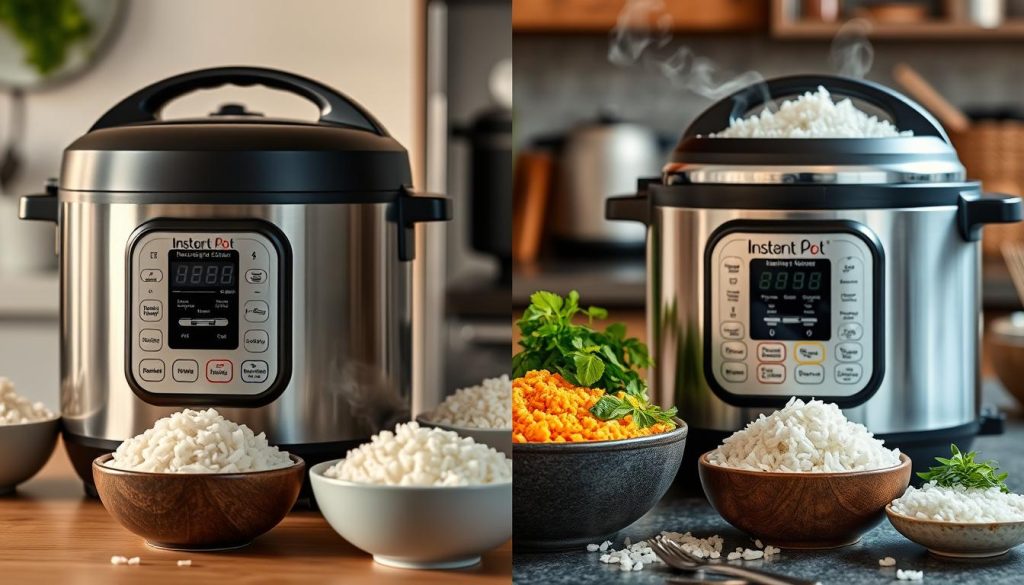
Versatility beyond rice: rice cooker vs instant pot for cooking rice
Rice cookers do more than rice. Many can steam vegetables, make porridge, and slow-cook simple dishes. Their menu is limited but reliable.
Instant Pots are true kitchen workhorses. They can pressure cook stews, make yogurt, sauté, and even bake. If you want a single appliance to replace several, the Instant Pot is the stronger pick.
Cost, size, and maintenance
Price and size matter. Basic rice cookers are cheap and compact. Higher-end models add features like fuzzy logic and multiple settings. They are easy to clean and store.
Instant Pots are bulkier and often cost more. They come in several sizes with multiple accessories. Cleaning is still straightforward, but some parts require attention to seals and vents.
Look for a nonstick removable inner pot, and follow manufacturer care steps to extend life and performance.
Tips for perfect rice in both appliances
My hands-on lessons from dozens of tests:
- Rinse rice until water runs clear to remove excess starch and avoid gumminess.
- Use slightly less water in an Instant Pot than a rice cooker; pressure reduces evaporation.
- Let rice rest 5–10 minutes after cooking to let steam finish the job.
- For sticky rice, increase water and shorten cook time in a rice cooker. For an Instant Pot, use the pot-in-pot method for better control.
- Measure rice and water by weight for repeatable results.
These tips will help whether you choose a rice cooker or Instant Pot for cooking rice.
Buying guide: choose the right tool for your kitchen
Ask these quick questions:
- Do you want one appliance mainly for rice or one that does many tasks?
- Is countertop space a concern?
- How many people do you typically cook for?
Recommendations:
- For simple, perfect rice daily, pick a mid-range rice cooker with a keep-warm function.
- For busy cooks who want speed and one-pot meals, choose an Instant Pot with a rice setting.
- For small kitchens, a compact rice cooker is the space saver.
I bought a basic rice cooker for weekday rice and an Instant Pot for Sunday meals. Both get used often. My rice cooker made rice more reliably every day, and the Instant Pot saved time for big meals.
Frequently Asked Questions of rice cooker vs instant pot for cooking rice
Which makes better-tasting rice: rice cooker or Instant Pot?
Both can make great rice. Rice cookers often give a gentler heat that yields fluffier, separate grains, while Instant Pots can be faster and firmer if not dialed in.
Can I use the same rice-to-water ratio in both?
No. Use slightly less water in an Instant Pot because pressure traps more steam. Rice cookers usually need a bit more water for the same texture.
Is one appliance safer to use?
Both are safe when used per instructions. Rice cookers have simpler operation. Instant Pots require attention to pressure release and sealing ring care.
Which is better for sticky or sushi rice?
A rice cooker is easier for sticky and sushi rice because it cooks gently and keeps moisture steady. An Instant Pot can do it but may need a pot-in-pot method and trial runs.
Can the Instant Pot replace a rice cooker?
Yes, it can if you are willing to learn timing and water ratios. But many cooks keep both for convenience and best results.
Conclusion
Choosing between a rice cooker vs instant pot for cooking rice comes down to your needs. Pick a rice cooker for simple, hands-off, and consistently fluffy rice. Choose an Instant Pot if you want speed and a multi-use appliance that can handle rice plus many other dishes. Try both approaches if you can—small testing batches teach the most. Share your experience or ask a question below, and consider subscribing to get more cooking tips and clear guides.