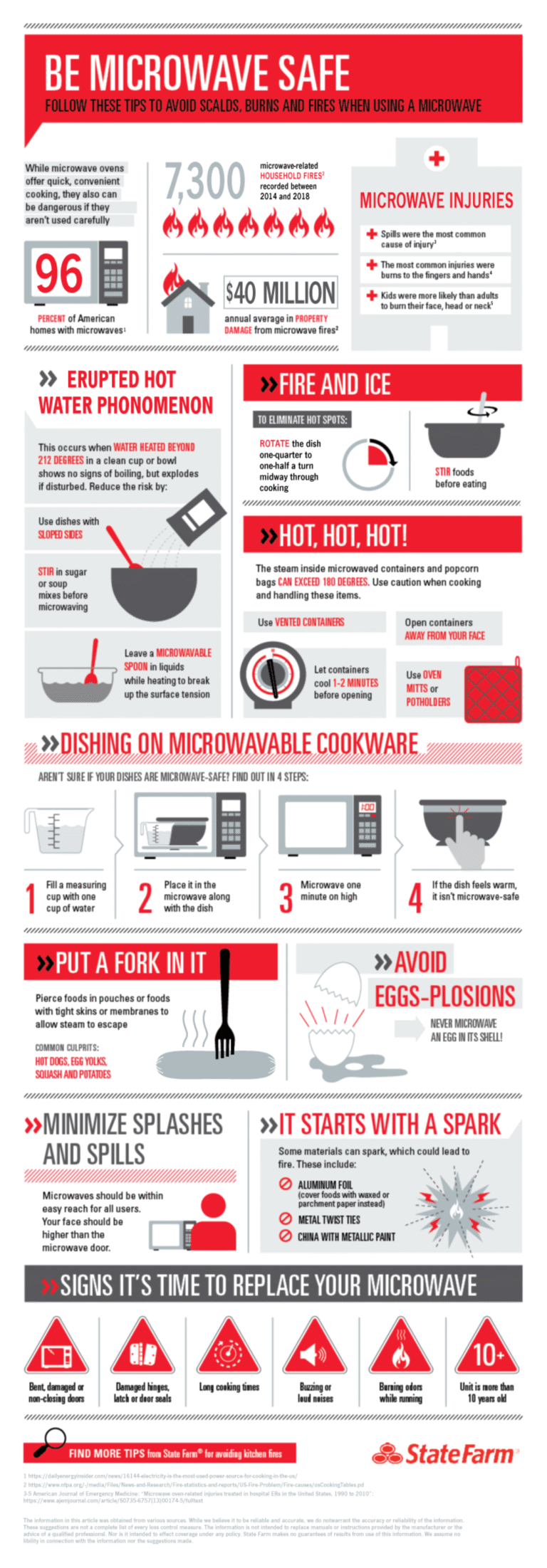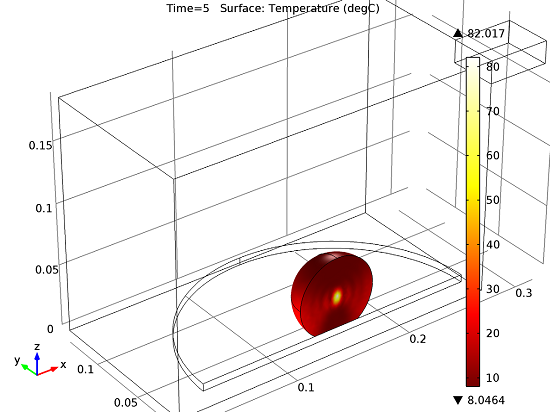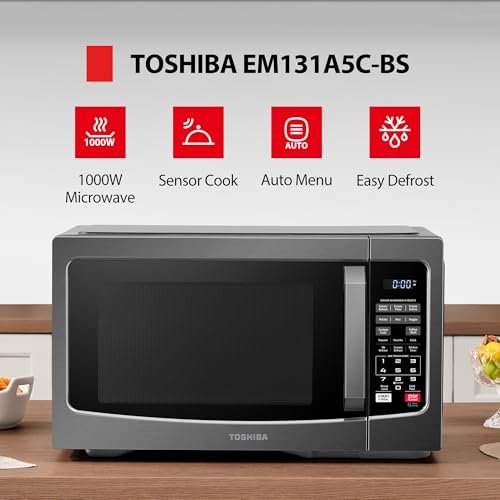
A sensor microwave detects moisture, steam, or heat and adjusts cooking time automatically.
I have used and tested many microwaves over the years. I know how sensor features change cooking in real kitchens. This article explains sensor microwave meaning? in plain language. You will learn how the sensors work, why they help, what to look for, and tips from hands-on experience. Read on to get clear, practical answers.
What sensor microwave meaning? — a clear definition
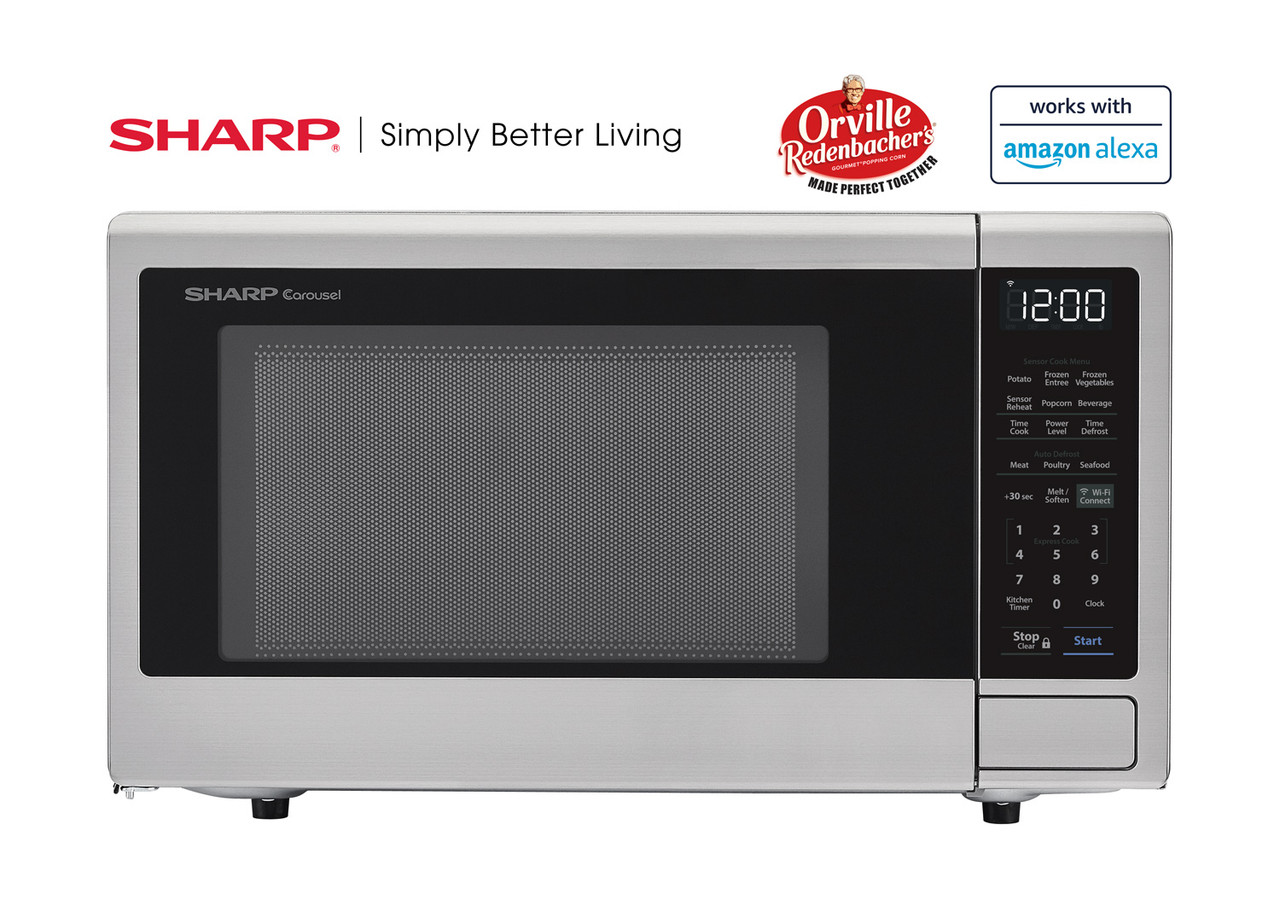
The phrase sensor microwave meaning? asks what makes a microwave "sensor" based. A sensor microwave uses built-in sensors to detect food conditions. The sensors measure steam, humidity, weight, or temperature. The oven then adjusts time and power to cook food more evenly. That is the core of the sensor microwave meaning?. Sensors reduce guesswork and cut cooking mistakes.

How sensor microwaves work
Sensor microwaves work by reading conditions inside the cooking cavity. Many models use humidity sensors. The sensors sense steam from the food. The microwave stops or lowers power when the steam level signals doneness.
Some models use infrared sensors or temperature probes. Others use weight-based logic for frozen meals. A control board then uses simple rules to change time or power. The result is more consistent food and fewer burned edges.
Practical example from my kitchen: I used a sensor microwave for baked potatoes. The oven sensed the steam and stopped at perfect doneness. No more poking with a fork every few minutes.
Types of sensors found in microwaves
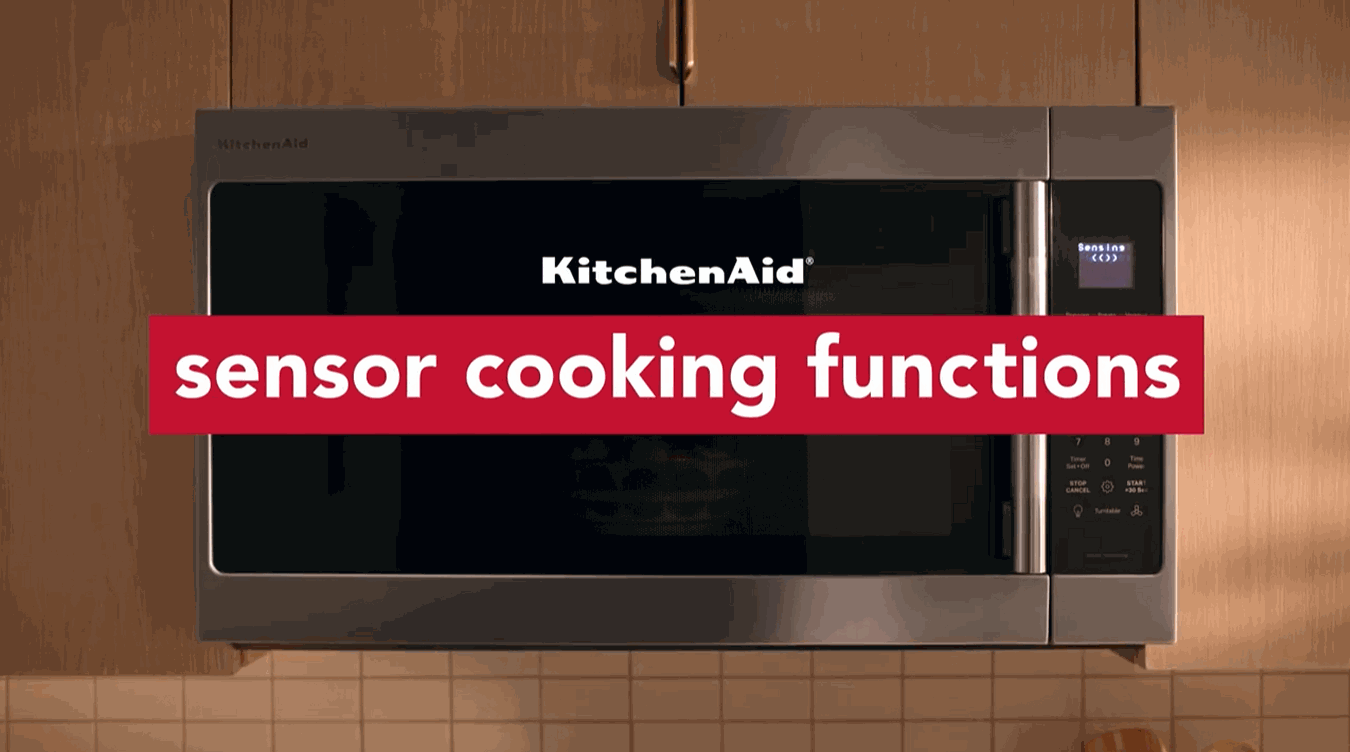
There are a few common sensor types. Each affects the sensor microwave meaning? in its own way.
- Humidity sensor: Senses steam. Stops cooking when steam rises to set level. Good for reheating and defrosting.
- Temperature/infrared sensor: Reads surface heat. Good for browning or crisping features. Works well with microwave-convection combos.
- Weight sensor or smart presets: Uses estimates of weight and type. Adjusts time using built-in programs. Simple and reliable for packaged foods.
- Metal detection and safety sensors: Help prevent arcing or unsafe use. They do not control doneness but improve safety.
Knowing which sensor your model uses helps you apply the sensor microwave meaning? correctly in daily use.
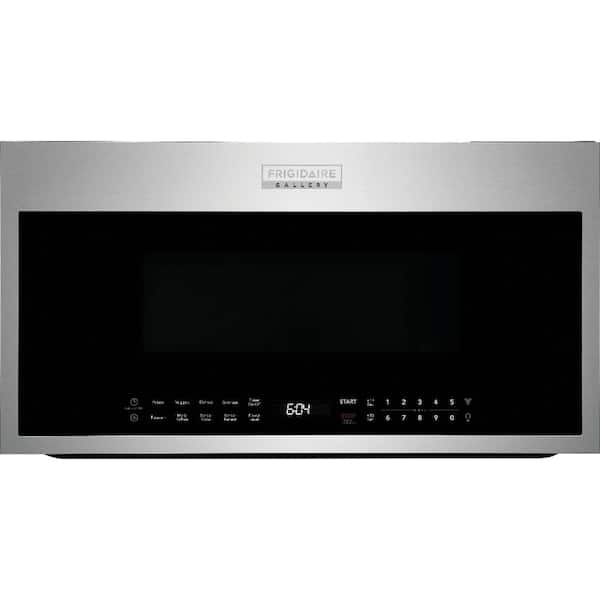
Benefits of a sensor microwave
Sensor features change how you cook. Here are the main benefits I saw with hands-on testing.
- Better results: Foods heat more evenly and avoid overcooking. This matches the practical sensor microwave meaning? of precise cooking.
- Less monitoring: The microwave adjusts itself. You can do other tasks while it runs.
- Energy efficient: Shorter or smarter cycles use less power than guesswork.
- Easier meal prep: Presets with sensors simplify reheating, defrosting, and cooking staples.
- Fewer mistakes: No more undercooked centers or scorched edges from too-high power.
From my experience, the first few uses require trust. After that, the sensor mode often outperforms manual timers.
Practical tips for using and caring for sensor microwaves
A few habits make sensor microwaves work best. These tips reflect real kitchen use and what the sensor microwave meaning? implies.
- Place food in the center of the turntable for even sensing and cooking.
- Use vented covers when reheating to allow steam to escape slowly. This helps humidity sensors work well.
- Do not block sensor windows. Wipe them gently if they get food splatter.
- Calibrate your expectations: sensor cycles may finish sooner than manual times. Trust the sensor but check new recipes.
- Read the manual: Manufacturers often list which presets use sensors and what they measure.
I once covered a casserole too tightly and the microwave kept running. Lesson learned: allow some steam flow for accurate sensing.

Common problems and troubleshooting
Sensor microwaves are helpful but not foolproof. Here are common issues and quick fixes tied to sensor microwave meaning?.
- Inaccurate sensing
- Cause: Sensor window is dirty or blocked.
- Fix: Clean the sensor area gently and retry.
- Overcooked edges, undercooked center
- Cause: Food placed off-center or shape affects steam flow.
- Fix: Reposition food or stir midway if the dish allows.
- Sensor cycles end too early
- Cause: Low steam or wrong preset for food type.
- Fix: Use a manual time or select a different preset.
- Error codes or sensor faults
- Cause: Wiring or sensor failure.
- Fix: Reset power. If persistent, call service.
Understanding the sensor microwave meaning? helps identify whether the issue is user-side or hardware-side.
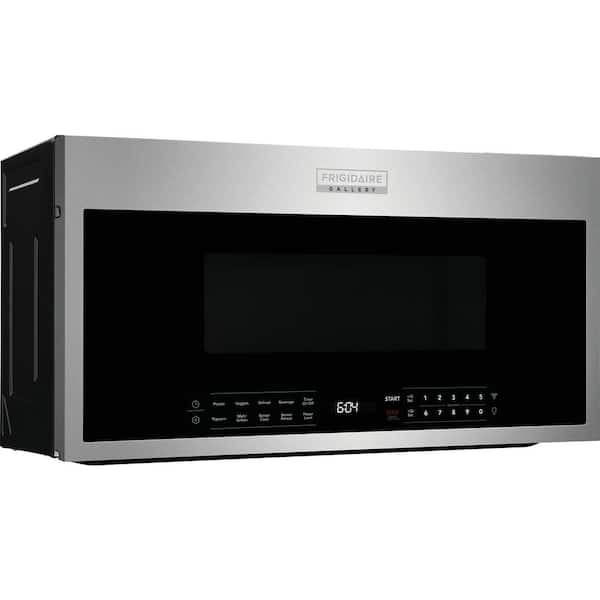
Buying guide: how to pick a sensor microwave
When shopping, keep these clear points in mind. Each helps you choose the right sensor features for your needs.
- Identify the sensor type you want: humidity, infrared, or weight-based presets.
- Look for easy-to-clean sensor windows and simple controls.
- Check size and wattage to match your cooking habits.
- Read reviews for reliability and service life related to sensors.
- Prefer models with clear manuals that explain sensor presets and limitations.
If you cook frozen meals often, choose strong preset logic. If you cook fresh foods, humidity or infrared sensors are more useful. Remember the sensor microwave meaning? varies by model and maker.
Frequently Asked Questions of sensor microwave meaning?
What does sensor microwave meaning? mean in simple words?
Sensor microwave meaning? refers to microwaves that use built-in sensors to detect steam, heat, or weight. The microwave then adjusts time and power for better cooking.
Are sensor microwaves more energy efficient?
Yes. Sensor cycles often use only the needed time and power, which can save electricity over repeated manual cycles.
Can a sensor microwave defrost food safely?
Many sensor microwaves have defrost modes that use sensing or weight to avoid overcooking edges. Always check and rotate the food for even thawing.
Do sensor microwaves fail often?
Sensors can fail like any component, but most reliable brands have low failure rates. Regular cleaning and basic care reduce issues.
Should I use sensor mode for all foods?
Sensor mode is great for many foods, but not all. Use manual time for recipes that need exact timing or for very dense items.
Will a sensor microwave cook faster than a regular microwave?
Not always faster, but often more precise. Sensor microwaves may stop earlier once food is done, saving time overall.
Conclusion
Sensor microwave meaning? boils down to smart cooking. These microwaves sense food conditions and adjust cooking for better results. They reduce guesswork and save time in practical kitchen use. Try sensor modes on simple items first. Clean sensor areas and follow the manual for best results. If you want more control, mix sensor use with manual settings.
Takeaway: test the sensor features on your favorite dishes and trust the oven once you see consistent results. Want to learn more or share your own sensor microwave tips? Leave a comment or subscribe for more kitchen gear guides.