For most home bakers, aluminized steel or heavy aluminum pans are the best overall choice.
I have tested and used many pans over years in both home and small commercial kitchens. I will walk you through what bakeware material is best for different needs. This guide blends hands-on tips, expert reasoning, and clear comparisons to help you pick the right pan.
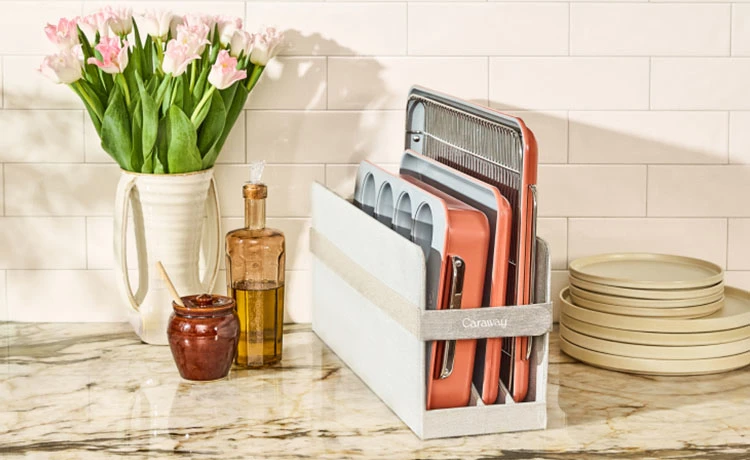
Overview of common bakeware materials
Choosing what bakeware material is best starts with knowing the options. Each material moves heat in its own way. That affects baking time, browning, and ease of use. Here I list the common types and what they do.
- Aluminum: Light and a great heat conductor. It gives even browning and fast baking.
- Aluminized steel: A steel core with aluminum coating. It resists warping and lasts long.
- Stainless steel: Durable and reactive for some recipes. It often needs a thicker base to heat evenly.
- Glass: Holds heat long and shows browning well. Good for casseroles and pies.
- Ceramic: Attractive and steady heat. Best for slow baking and serving.
- Cast iron: Excellent heat retention and crust. Heavy and needs care.
- Silicone: Flexible and nonstick. Great for cold doughs and novelty shapes.
- Nonstick coated pans: Easy release but can wear. Avoid high heat with nonstick coatings.
What bakeware material is best depends on the recipe and your priorities. If you want a single answer, aluminized steel or heavy aluminum is usually the sweet spot for most bakers.

Material breakdown: pros, cons, and best uses
Below I break down each material and how it performs in real kitchens. This will help you decide which one fits your style.
Aluminum
Aluminum heats fast and evenly. It browns well and is light to handle. It can react with acidic foods, so anodized or coated aluminum is often better.
Pros:
- Fast, even heat
- Lightweight and affordable
Cons: - Can react with acid unless treated
Best for: - Cookies, sheet cakes, quick breads
Aluminized steel
Aluminized steel resists dents and warping. It blends the heat of aluminum with the strength of steel. This is my go-to for everyday pans.
Pros:
- Durable and stable
- Good browning and even bake
Cons: - Slightly heavier than aluminum
Best for: - Sheet pans, cake pans, roasting
Stainless steel
Stainless steel holds up to high heat and looks clean. It does not conduct heat as well, so thin stainless pans may bake unevenly.
Pros:
- Nonreactive and durable
- Good for high-heat tasks
Cons: - Needs heavy base for even heat
Best for: - Roasting, certain cakes, stovetop-to-oven uses
Glass
Glass is inert and shows doneness well. It keeps heat long after you remove it, so watch for carryover cooking. Glass is brittle when cold-to-hot changes are extreme.
Pros:
- Inert and clear to inspect
- Holds heat and browns edges
Cons: - Slow to heat and cool; risk of breakage
Best for: - Casseroles, pies, cobblers
Ceramic
Ceramic is beautiful and steady. It gives even, gentle heat. Ceramic is best for slow bakes and serving tables.
Pros:
- Even, gentle heat
- Great for presentation
Cons: - Can chip and crack with thermal shock
Best for: - Gratins, bread puddings, tarts
Cast iron
Cast iron keeps heat like no other. It makes great crusts and roasts. It is very heavy and needs seasoning or oiling.
Pros:
- Excellent heat retention
- Versatile on stovetop and oven
Cons: - Heavy and maintenance-heavy
Best for: - Skillet cornbread, deep-dish pizza, rustic breads
Silicone
Silicone bends and releases with ease. It is nonstick and fun for shaped molds. It does not brown well and can be floppy with thin batters.
Pros:
- Flexible and nonstick
- Easy to store
Cons: - Weak browning and structure
Best for: - Muffins, novelty molds, no-bake desserts
Nonstick coated pans
Nonstick makes cleanup easy and stops sticking. The coating can wear over time, and you should avoid metal tools and very high heat.
Pros:
- Easy release and clean
- Good for sticky batters
Cons: - Coating may degrade; avoid high heat
Best for: - Delicate cakes, brownies, sticky glazes
What bakeware material is best will also change based on bake type. For crisp edges use metal. For slow, even cooking use ceramic or glass. For strong heat retention use cast iron.

How to choose based on what you bake and your habits
Match material to task and lifestyle. Think of pans as tools. The right tool speeds work and improves results.
- If you bake daily and want fast, even results, choose aluminized steel or heavy aluminum.
- If you serve at the table and want pretty dishes, pick ceramic or glass.
- If you want crust and sear, reach for cast iron.
- If you want easy cleanup and low fuss, use nonstick or silicone.
- If you need a pan that lasts decades, invest in stainless or cast iron.
I once used a thin aluminum pan for a tart and ended with an uneven base. Since then I favor heavier pans for pastries. That lesson taught me what bakeware material is best for flaky crusts: a heavy, conductive pan that heats evenly.
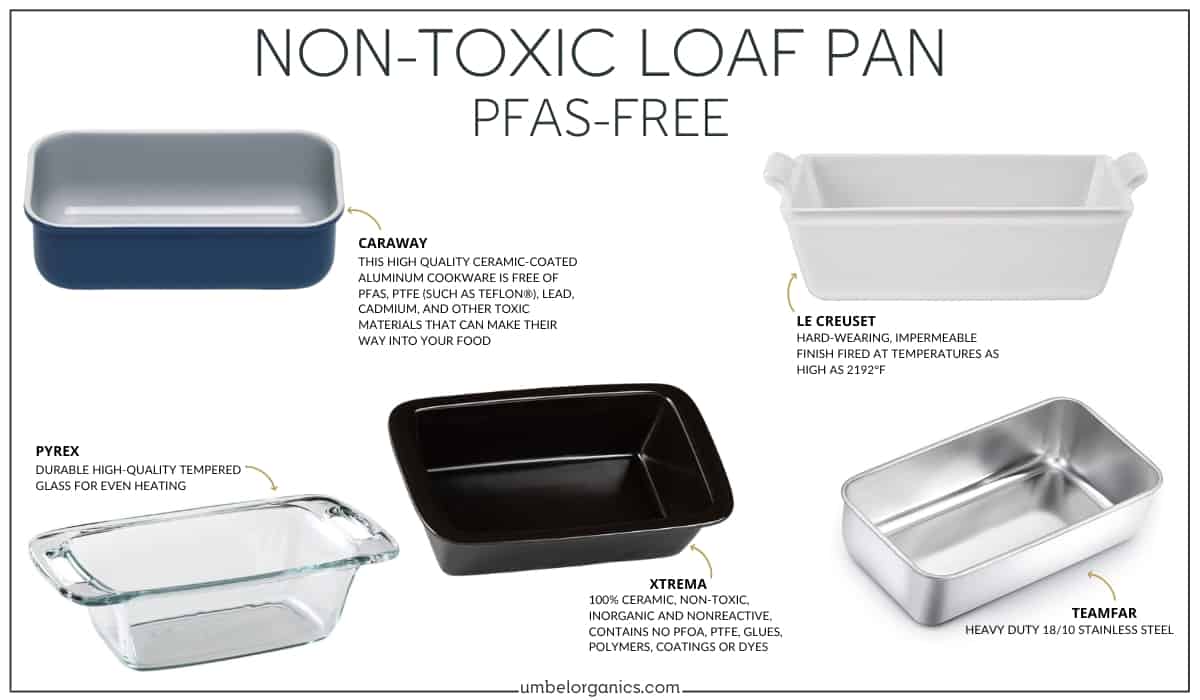
Care and maintenance tips to extend lifespan
Take care of pans and they will reward you for years. Proper care keeps performance steady.
- Clean gently: Use warm water and soft cloth for nonstick. Avoid abrasive pads.
- Avoid thermal shock: Let glass and ceramic cool before adding cold liquids.
- Season cast iron: Oil and heat regularly to keep the surface slick.
- Store right: Stack with pads or cloth between pans to prevent scratches.
- Inspect coatings: Replace visibly worn nonstick pans to avoid flaking.
From my experience, a small effort in care prevents big baking problems. A well cared for pan helps answer what bakeware material is best for long term use: durable, well-maintained steel or cast iron.
Frequently Asked Questions of what bakeware material is best
What bakeware material is best for cookies?
For cookies, what bakeware material is best is a heavy aluminum or aluminized steel pan. These give even browning and reduce hot spots.
Is glass or metal better for baking?
Glass holds heat longer and browns edges, but metal heats faster and gives crisper bottoms. Which is best depends on whether you want slower even cooking or quick browning.
What bakeware material is best for bread?
Cast iron or heavy steel are best for crusty bread. They retain heat and create a good oven spring and crust.
Are silicone pans safe for high heat?
Silicone is safe up to specified temps, usually around 428°F (220°C). It does not brown well and can flex if batter is thin.
What bakeware material is best for casseroles?
Glass and ceramic are best for casseroles because they heat slowly and are good for serving. They also hold heat so dishes stay warm at the table.
Can I use metal pans with nonstick coatings at high temperature?
Avoid very high heat with nonstick pans to protect the coating. Low to medium oven heat is safest for the coating’s longevity.
Conclusion
Choosing what bakeware material is best comes down to three things: the recipe, how you bake, and how you care for your pans. For everyday, reliable results I recommend aluminized steel or heavy aluminum. For specialty tasks, use cast iron, ceramic, or glass as needed. Try one material at a time and learn how it behaves. Your baking will get better as you match pans to recipes and treat them well. Share your experiences, subscribe for more tips, or leave a comment with your favorite pan.