Stainless steel, seasoned cast iron, and quality uncoated ceramic are the safest cookware choices.
I’ve tested dozens of pans and read scientific guidance on cookware safety. This article explains what cookware is safest for cooking, the risks to watch for, and how to choose and care for pans that keep food healthy and flavors pure. Read on for clear, practical advice based on hands-on experience and research.

Understanding what cookware is safest for cooking
Choosing what cookware is safest for cooking starts with materials. Different metals and coatings behave differently with heat and food. Safety concerns include chemical leaching, coating breakdown, and contamination when pans are scratched or overheated.
I will walk you through the safest options. I’ll also show when a less-safe pan is still fine to use. You will learn easy rules to pick pans for daily cooking and special recipes.
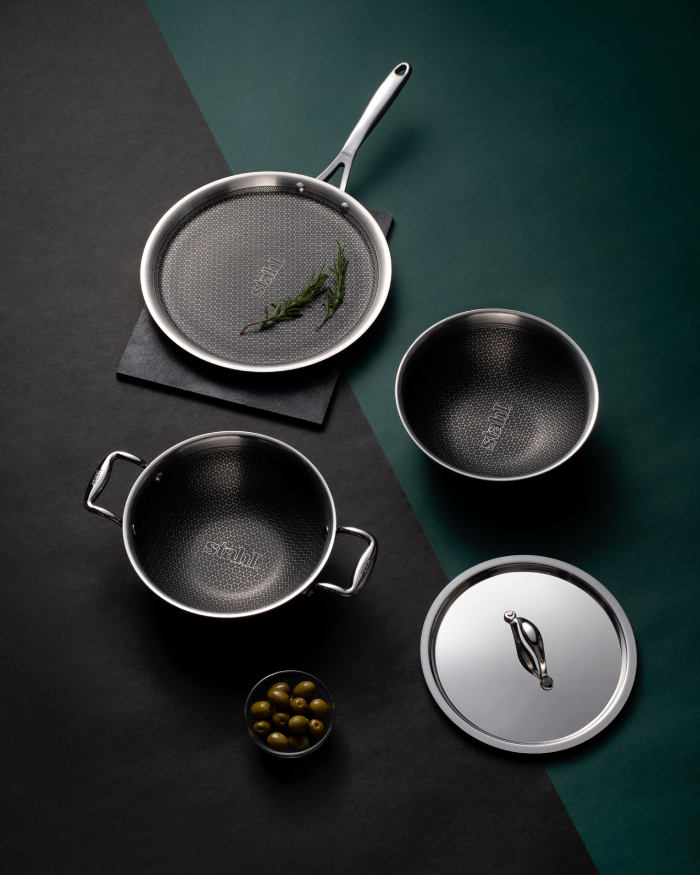
Common cookware types: safety, pros, and cons
Stainless steel
- Pros: Durable and nonreactive. Good for browning and boiling.
- Cons: Not nonstick, can stick if not heated or oiled correctly.
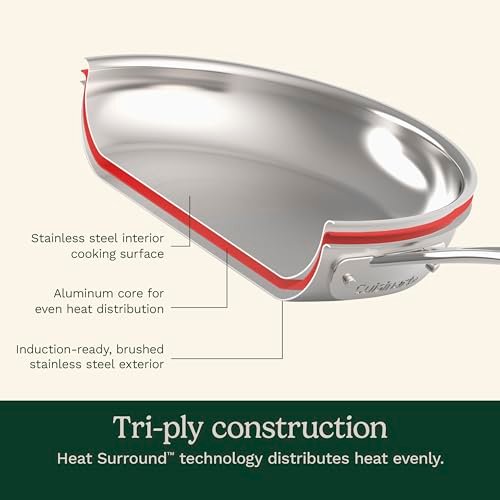
Stainless steel is often what cookware is safest for cooking when you want a simple, long-lasting option. It rarely leaches harmful chemicals and holds up to high heat.
Cast iron
- Pros: Long lifespan, adds small dietary iron. Great heat retention.
- Cons: Reactive with very acidic food unless enameled.
Properly seasoned cast iron is among the top answers to what cookware is safest for cooking for high-heat searing. When maintained it becomes nonstick naturally.
Enameled cast iron
- Pros: Nonreactive surface, durable, great for sauces.
- Cons: Heavy and can chip if dropped.
Enameled cast iron gives the heat benefits of cast iron while reducing reactivity, making it a strong contender for what cookware is safest for cooking acidic dishes.
Uncoated ceramic and glazed ceramic
- Pros: Nonreactive and often free of PTFE and PFOA.
- Cons: Can be fragile and may wear with heavy use.
Ceramic cookware often ranks high when we ask what cookware is safest for cooking, especially for low- to medium-heat home use.
Hard-anodized aluminum
- Pros: Durable and heats evenly.
- Cons: If coating is damaged, aluminum underneath can leach.
Hard-anodized pans are better than raw aluminum. Still, many people ask if hard-anodized pans answer what cookware is safest for cooking. They can be safe if the anodized layer is intact.
Nonstick (PTFE)
- Pros: Very nonstick, easy to clean.
- Cons: Can degrade at high heat and release fumes when overheated.
Nonstick pans are convenient but bring safety questions. Use them correctly if you choose them, and recognize their limits when considering what cookware is safest for cooking.
Copper (lined)
- Pros: Excellent heat control.
- Cons: Bare copper reacts with food; rely on lining to be safe.
Copper can be safe when lined with stainless steel. For many, a lined copper pan fits their list of what cookware is safest for cooking for precise tasks.
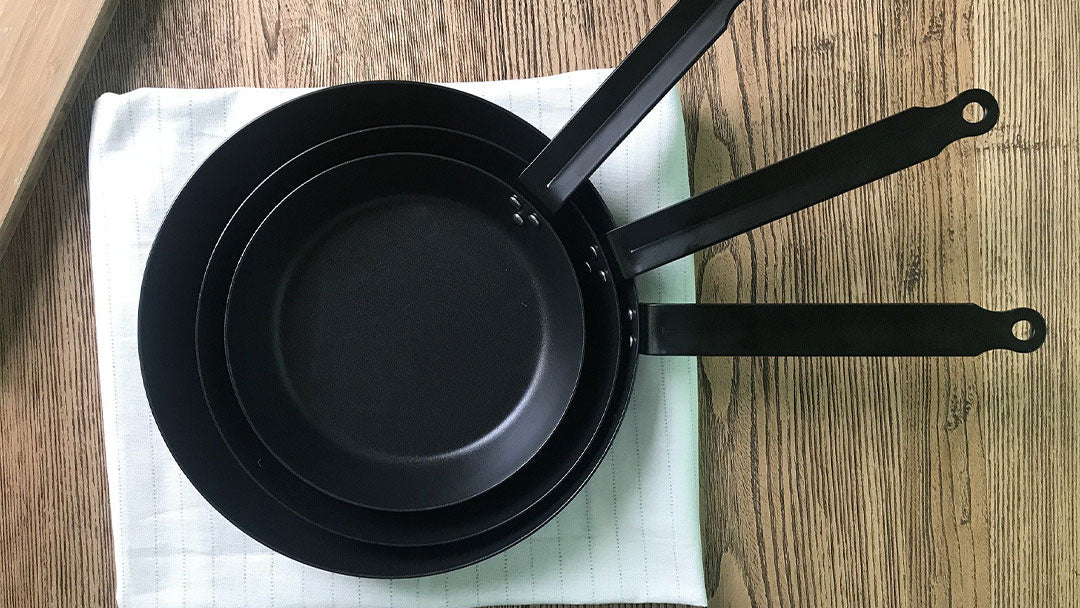
How to choose safe cookware: materials and coatings
Decide by what you cook most. If you sear meats often, pick stainless steel or cast iron. If you cook eggs or pancakes, a reliable nonstick or ceramic works well. Ask these questions before buying.
- Is the surface nonreactive? Nonreactive surfaces like stainless steel and ceramic are safer for acidic foods.
- Is the coating durable? Avoid pans with flaking or scratched coatings.
- Can I use the heat I need? Some coatings fail at high heat.
- Is the weight and handle comfortable? Safe cooking also means using pans you can handle without spills.
When you wonder what cookware is safest for cooking for your family, look for uncoated metals or stable ceramic. Choose certified products and check manufacturer guidance about oven and temperature limits.
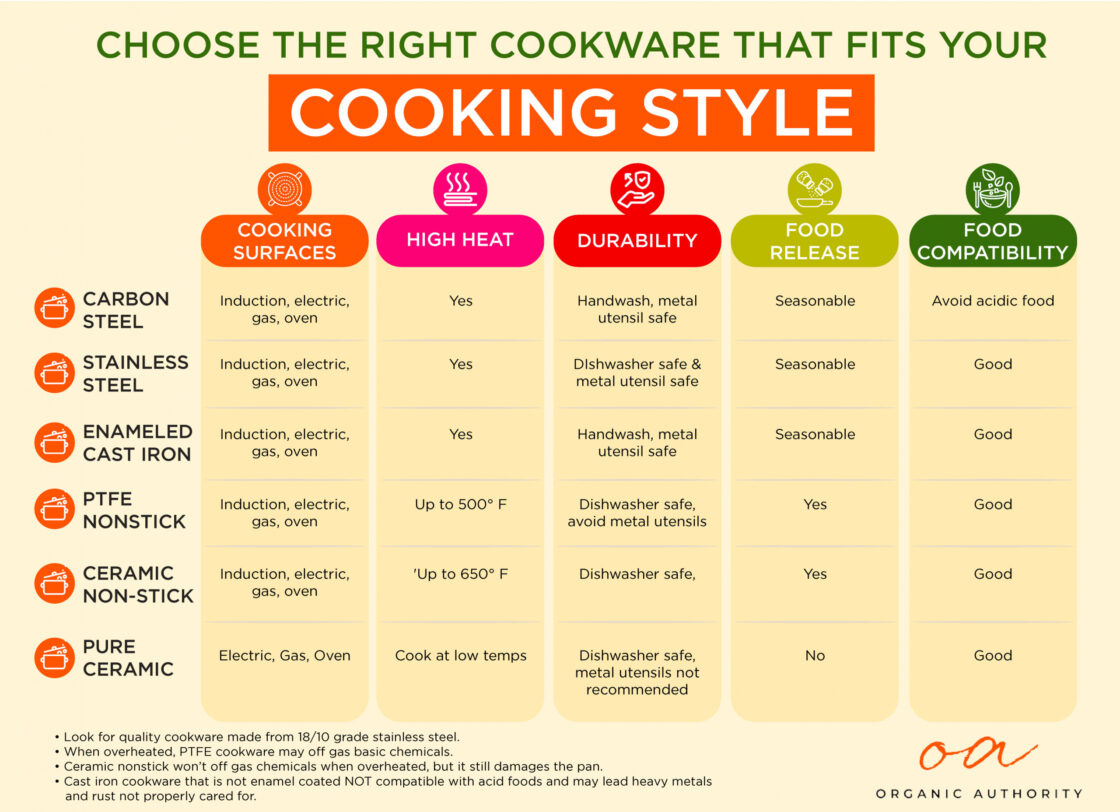
Using and caring for safe cookware
Use the right heat. Most pans do fine on medium heat. High heat can damage coatings and release unwanted compounds. Preheat pans gently and add oil before food for less sticking.
Avoid metal utensils on coated pans. Use wooden or silicone tools to protect surfaces. Clean pans promptly with mild soap and soft sponges. Don’t use strong cleaners on seasoned cast iron; re-season instead.
Store pans carefully. Stack with protection or hang them. Repair or retire pans with deep scratches, flaking, or warped bases. These steps help keep to what cookware is safest for cooking and extend pan life.

Buying guide and quick checklist
When shopping, use this checklist to find what cookware is safest for cooking for your needs.
- Material preference: Choose stainless steel, seasoned cast iron, or ceramic.
- Coating integrity: Inspect for even surfaces and secure bonds.
- Heat limits: Verify maximum safe temperature for coating and handles.
- Weight and balance: Make sure you can lift and maneuver safely.
- Warranty and brand trust: Look for clear warranties and user reviews.
Price does not always equal safety. A well-made mid-range pan can be safer than a cheap high-priced item. Keep receipts and register products for warranty and recall alerts.

Personal experience: lessons, mistakes, and tips
I once bought a shiny nonstick pan cheap. I used it at very high heat for searing. Soon the surface scratched and food tasted odd. I replaced it with stainless steel and learned a clear rule about what cookware is safest for cooking: match the pan to the job.
I advise a small set: one stainless steel skillet, one seasoned cast iron, and one ceramic nonstick for eggs. This mix covers almost all meals safely. Regular care and sensible heat choices prevented future issues for me.
Frequently Asked Questions of what cookware is safest for cooking
What cookware is safest for cooking for everyday use?
Stainless steel, seasoned cast iron, and high-quality ceramic are safest for daily use. They are durable, nonreactive, and hold up to most kitchen tasks.
Are nonstick pans unsafe for cooking?
Nonstick pans are safe if used as directed and kept below high temperatures. Avoid overheating and replace pans with damaged surfaces.
Is cast iron safe for acidic foods?
Plain cast iron can react with acidic foods and alter taste. Enameled cast iron or stainless steel is safer for long-simmered acidic dishes.
Can copper cookware be safe to use?
Copper cookware is safe when lined with stainless steel or tin and used properly. Do not use unlined copper for acidic foods.
How do I know when to throw cookware away?
Replace pans with flaking coatings, deep scratches, warped bottoms, or pitting. These conditions can release materials into food and reduce safety.
Conclusion
Choosing what cookware is safest for cooking boils down to material, care, and matching pan to task. Pick stainless steel, seasoned or enameled cast iron, and quality ceramic for the most reliable safety. Use pans within their limits, avoid damaged coatings, and follow simple care rules to protect flavor and health.
Take action today: inspect your pans, replace damaged ones, and build a small set of safe, versatile cookware. Share your experience or ask a question below to learn more.