Store food by type: airtight containers, proper temps, clear labels, rotate stock regularly.
I have spent years testing pantry systems, freezing meals, and learning kitchen science to answer what is best way to store food. This guide breaks down smart, simple steps you can use today. Read on for clear rules, real examples, and easy tips to keep food fresh, safe, and tasty.

Why proper food storage matters
Good storage saves money, cuts waste, and keeps you healthy. Knowing what is best way to store food protects flavor and nutrients. It also prevents foodborne illness by limiting bacterial growth. Small changes in containers, temperature, and timing make a big difference. I learned that after wasting a whole batch of berries years ago; a simple airtight box would have saved them.

Core principles: how to think about storing food
Follow these simple rules every time you store food:
- Keep it cool for perishable items. Cold slows bacteria and mold.
- Keep it dry for grains and spices. Moisture leads to spoilage.
- Keep it dark for oils and sensitive foods. Light breaks down nutrients.
- Reduce air exposure. Oxygen speeds rancidity and staling.
- Use first in, first out. Rotate stock to use older items first.
Understanding what is best way to store food starts with these basics. Apply them to each food type and you will see longer shelf life and better taste.
Best storage methods by food type
Different foods need different care. Here’s a concise plan for common items.
Fresh produce
- Leafy greens: wash, dry thoroughly, store wrapped in a paper towel inside an airtight container in the fridge.
- Berries: do not wash until use; store in a breathable container lined with paper towel in the coldest part of the fridge.
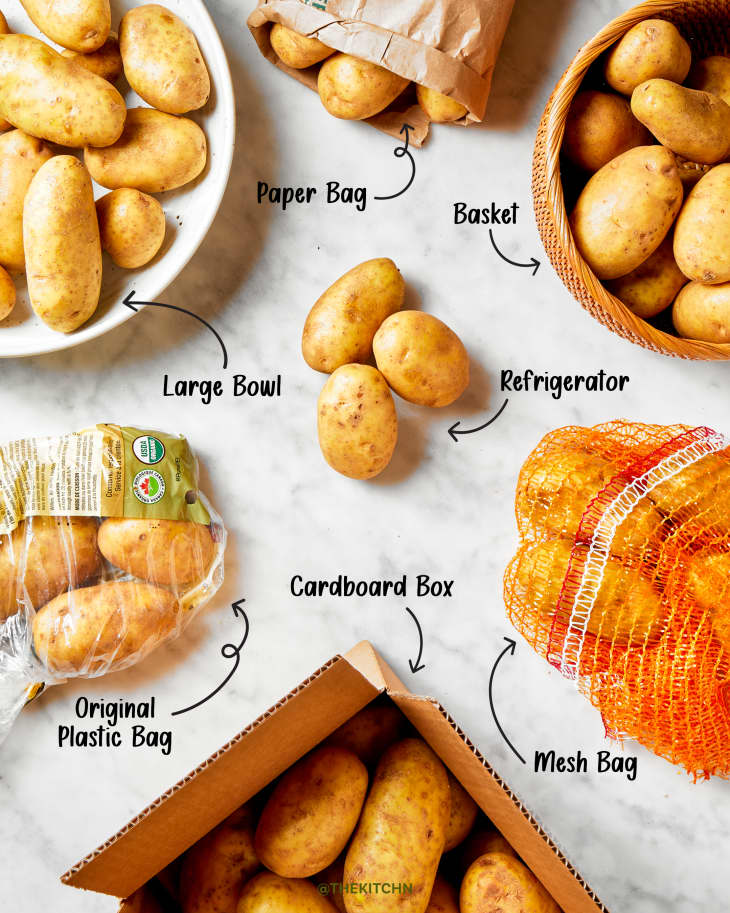
- Root vegetables: store in a cool, dark place or in the crisper drawer with moderate humidity.
Dairy and eggs
- Dairy: keep at back of fridge where temperature is steadier, not in the door.
- Eggs: keep in their carton to prevent odor absorption and to protect the shells.
Meat and fish
- Use within recommended fridge times or freeze promptly. Store raw meat on a plate or tray on the lowest shelf to avoid drips.
- For long storage, wrap tightly and vacuum-seal before freezing.
Grains, beans, and flours
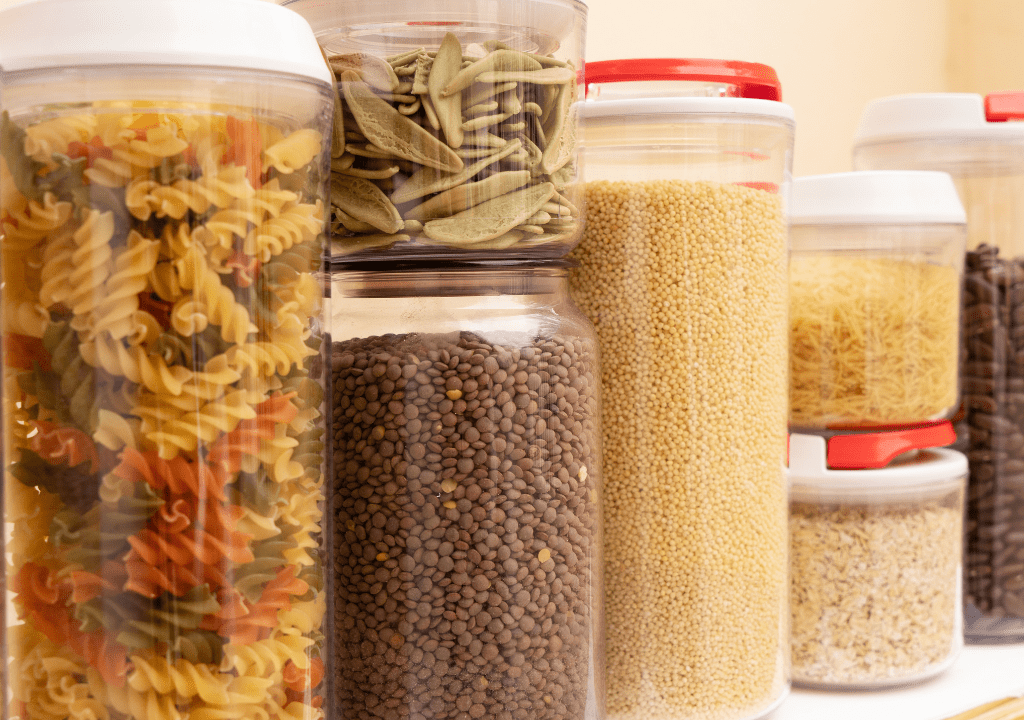
- Store in airtight containers in a cool, dry place. Refrigerate whole-grain flours and opened nuts to slow rancidity.
Bread and baked goods
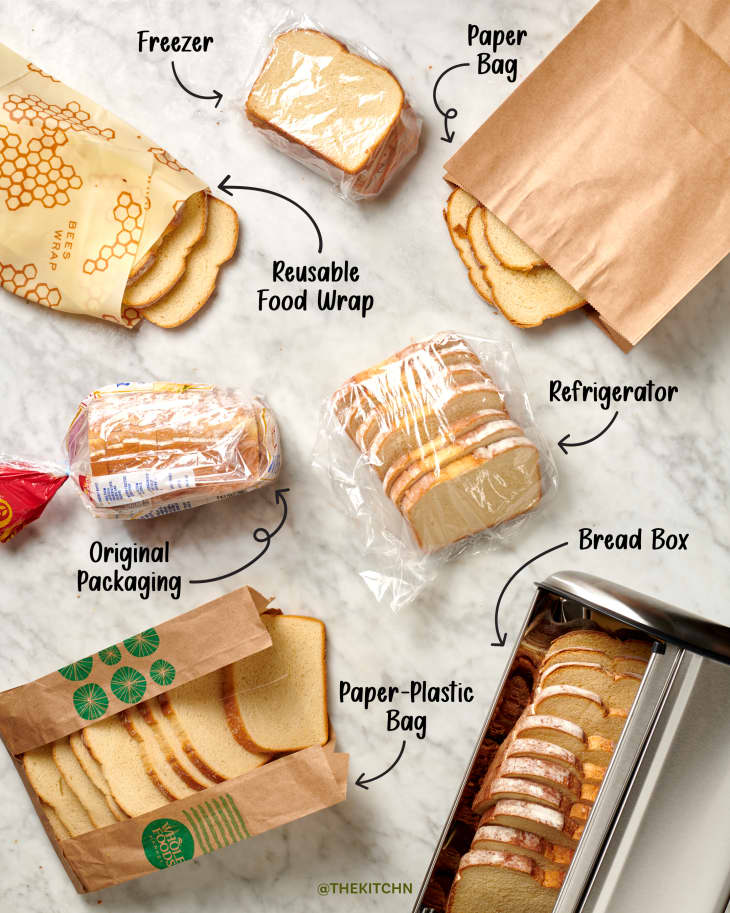
- Short term: keep at room temp in a bread box or airtight bag.
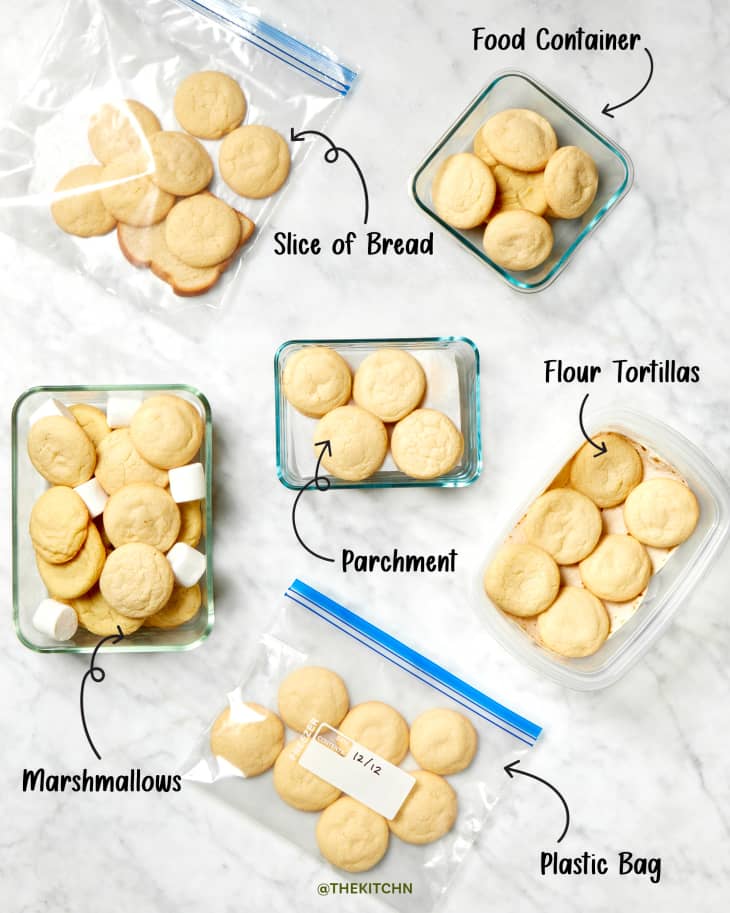
- Long term: freeze slices in airtight bags and toast from frozen.
Leftovers and prepared meals
- Cool quickly within two hours, store in shallow airtight containers, and refrigerate.
- Label with date and use within 3–4 days, or freeze for longer storage.
This list shows practical answers to what is best way to store food by category. Small shifts in these steps will extend freshness and safety.
Containers, materials, and storage tools
The right tools make storage easier and more effective.
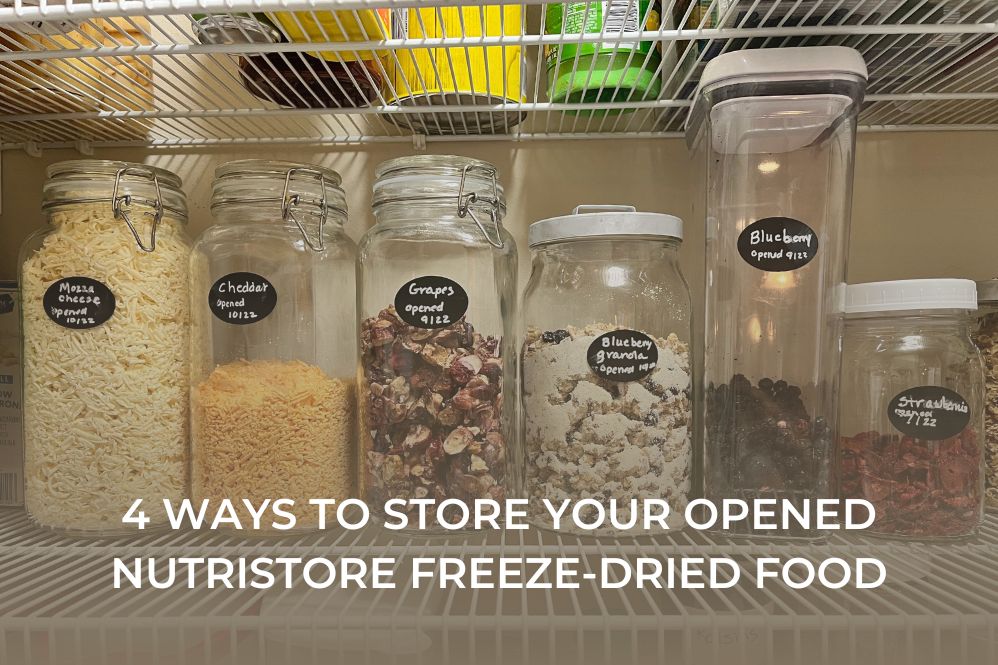
- Airtight glass jars: best for long-term freshness and low odor pickup.
- BPA-free plastic containers: light and useful for fridge and freezer.
- Vacuum sealer: removes air and extends freezer life.
- Silicone bags: reusable and flexible for freezing or marinating.
- Clear labels and a marker: label with contents and date.
Choose materials that match the food and use. Glass works great for pantry and fridge. Plastic is handy for transport. Vacuum sealing excels when you want to freeze large batches. These choices answer part of what is best way to store food in a practical way.
:max_bytes(150000):strip_icc()/faw-do-thisnot-that-tk-foods-to-stop-storing-in-the-pantry-solutions-tout-c893e5cdecff44539256fb53e3818c84.jpg)
Temperature and humidity control
Temperature and humidity are key to the answer to what is best way to store food.
- Fridge temperature: keep at or below 40°F (4°C).
- Freezer temperature: keep at 0°F (-18°C) or lower.
- Pantry: cool, dry, and dark; ideal is below 70°F (21°C).
- Humidity: keep high-humidity drawer for greens and low-humidity drawer for fruits that rot faster.
I once stored tomatoes in the coldest part of the fridge and lost flavor. Later I learned to keep certain fruits at room temperature until ripe, which preserved taste. Use simple tech like a fridge thermometer to stay precise.
Freezing, canning, and preserving for long life
Freezing and canning are top methods to answer what is best way to store food long term.
- Freezing: blanch vegetables before freezing to preserve color and texture. Package in portion sizes and remove as much air as possible.
- Canning: follow safe, tested recipes and use pressure canning for low-acid foods. Home canning can store food safely for a year or more.
- Pickling and fermenting: great for flavor and extended storage without a freezer.
These methods need attention to safety. Improper canning can be risky, so follow proper steps. When done right, supplements your pantry and reduces trips to the store.

Labeling, rotation, and inventory habits
Good habits keep storage systems working.
- Label with name and date on every container.
- Use first in, first out: move older items to the front.
- Keep a simple pantry inventory on your phone or a sticky note.
- Check weekly for spoilage and remove any bad items right away.
Labeling and rotation are simple answers to what is best way to store food. They reduce waste and make meal planning easier.
Common mistakes and how to avoid them
Avoid these frequent errors.
- Storing bread in the fridge: causes staling faster than room temp; freeze instead.
- Overcrowding the fridge: reduces air flow and raises temperature.
- Not drying produce: leftover moisture speeds rot.
- Ignoring smell or texture changes: trust your senses and discard suspicious items.
I learned the cost of one too many wasted jars of sauce. After that, I started labeling and it cut spoilage by half. Small systems prevent big mistakes.
Practical routines and daily tips
Make storage simple with routines.
- Weekly meal prep: portion and freeze meals for busy days.
- Sunday check: rotate stock, label new items, toss expired things.
- Use clear containers so you see contents at a glance.
- Keep like items together: snacks, baking items, canned goods.
A few minutes each week keeps your storage system running. That is the heart of what is best way to store food in day-to-day life.
My personal experiments and lessons learned
I tested three pantry layouts, swapped containers, and timed spoilage for months. Results:
- Airtight glass cut pantry pests and kept spices strong for longer.
- Vacuum-sealed soup froze with less ice buildup and tasted fresher weeks later.
- Labeling and rotation reduced food waste and saved money.
My simple rule now: store with the food’s needs in mind. This rule answers what is best way to store food in nearly every case.
Frequently Asked Questions of what is best way to store food
What is the best way to store perishable food?
Store perishable food in the fridge at 40°F (4°C) or below, in airtight containers or sealed bags, and use within recommended days. Freeze if you won’t use it soon.
How should I store dry goods like rice and flour?
Keep dry goods in airtight containers in a cool, dry place; refrigerate or freeze whole-grain flours and nuts to slow rancidity. Use within suggested shelf life.
Can I store raw meat in the freezer long term?
Yes, freeze raw meat at 0°F (-18°C) or lower and wrap tightly or vacuum-seal to prevent freezer burn. Use within recommended months for best quality.
Is it safe to store food in plastic containers?
Yes, use BPA-free, food-grade plastics and avoid heating in containers not marked microwave-safe. Glass is a good alternative for heating and long-term storage.
How do I prevent pantry pests?
Store grains and flours in airtight glass or heavy plastic containers and check new items for signs of infestation. Freeze packages for a few days before storing to kill eggs.
Conclusion
Good food storage is simple and powerful. Focus on temperature, moisture control, airtight containers, labeling, and rotation to answer what is best way to store food in your kitchen. Start small: replace one plastic bag with a sealed jar, label a few items, or set a fridge thermometer. These steps save money, reduce waste, and keep meals tasting better. Try one change this week, track the difference, and share what worked in the comments or subscribe for more practical kitchen tips.