Serveware is used to present, portion, and serve food attractively and practically at any meal.
As a food writer and host with years of hands-on experience, I know that understanding what is serveware used for can change how you cook, host, and enjoy food. This article explains the uses, types, materials, care tips, styling advice, and real-life lessons about what is serveware used for so you can choose items that fit your needs and make every meal feel intentional and inviting. Read on for clear, practical guidance from someone who has set many tables and learned from both wins and mistakes.

What is serveware used for?
Serveware covers the tools and dishes used to present, portion, and pass food at the table. Knowing what is serveware used for helps you pick the right piece for a task, whether you are serving a family casserole or plating a dessert for guests. Serveware moves food from kitchen to table with style. It protects surfaces, keeps food at the right temperature, and organizes a meal so guests can help themselves easily. Thinking about what is serveware used for also guides storage choices and care routines.
Types of serveware and their uses
Serveware comes in many shapes. Each type has a clear use. Below are common items and how I use them.
- Platters — Large flat pieces for roasts, cheese spreads, and shared appetizers.
- Serving bowls — Hold salads, sides, and pastas for family-style dining.
- Trays — Carry multiple items, organize coffee service, or display small bites.
- Ladles and serving spoons — Portion sauces, stews, and sides neatly.
- Tongs — Pick up bread, salad greens, or grilled items without crushing.
- Cake stands and dessert plates — Elevate sweets and make desserts the focal point.
- Gravy boats and sauce dishes — Pour sauces cleanly and control portions.
- Chafing dishes and warmers — Keep food at safe serving temperatures for buffets.
- Condiment servers and ramekins — Present dips, relishes, and garnishes in one place.
I learned early that matching the serveware to the food avoids awkward moments. For example, a deep casserole dish is better than a shallow platter for saucy dishes. Knowing what is serveware used for means thinking of the food first, then the dish.
Materials, care, and durability
Serveware comes in many materials. Each material affects look, use, and care.
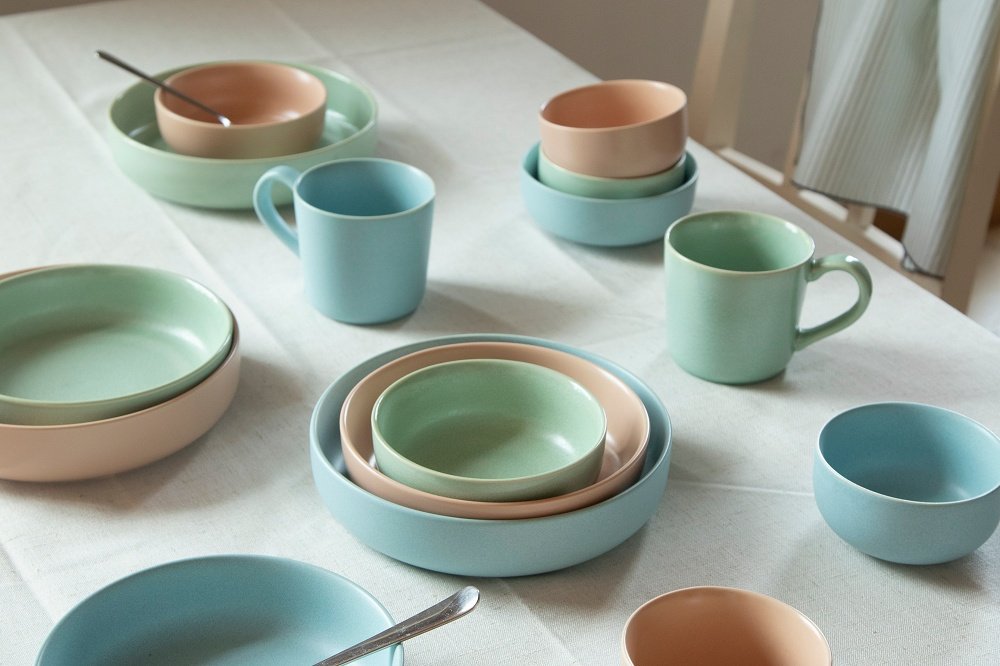
- Porcelain and ceramic — Classic and pretty. They can be oven safe but may chip. Use gentle handling and avoid extreme temperature changes.
- Glass — Clean lines and heat-safe options work well for baking and serving. Watch for breakage and store carefully.
- Stainless steel — Durable and good for hot foods. It is easy to clean and suited for everyday and professional use.
- Wood — Warm and rustic. Great for cheeses and breads but should be hand-washed and oiled occasionally.
- Melamine and acrylic — Lightweight and shatterproof. Best for outdoors but avoid high heat.
- Stoneware and cast iron — Retain heat well and are great for family-style dishes. They can be heavy and need careful handling.
When choosing serveware, consider if you need dishwasher-safe pieces, oven-to-table use, or stain resistance. Ask yourself what is serveware used for in your regular meals and pick materials that match those tasks.

Styling, presentation, and practical tips
Good serveware makes food look better and helps guests serve themselves. Here are practical tips I use often.
- Match scale — Choose pieces that fit your table and the amount of food.
- Think contrast — Light food looks great on dark platters and vice versa.
- Group items — Use trays to corral condiments and utensils for easy access.
- Portion guides — Use smaller bowls for condiments and larger bowls for mains.
- Temperature control — Pre-warm or chill serveware to keep food at the best temperature.
- Label when needed — Small cards or tags help guests with dietary needs.
I once served a chilled salad on a warm platter. It wilted quickly. After that, I pre-chill large bowls for cold dishes. Simple choices like this show how understanding what is serveware used for improves the meal.
:max_bytes(150000):strip_icc()/Dinnerware-Getty-Yelitza-Rodriguez-EyEm-5723ce4b5f9b589e34935c37.jpg)
How to choose serveware
Choosing serveware is about function, style, and budget. Ask these questions before buying.
- What foods will I serve most often?
- Do I need oven-to-table pieces?
- Is dishwasher safety important for my routine?
- How much storage space do I have?
- Will I host small dinners or large buffets?
Pick versatile pieces first. A medium-sized serving bowl, a sturdy platter, and a set of serving utensils cover many needs. As you gain confidence, add specialty pieces like cake stands or chafing dishes based on specific occasions. Remember that understanding what is serveware used for will guide smart buys and avoid clutter.
-4.png)
Personal experiences, mistakes to avoid, and lessons
From years of hosting, I have a few honest tips.
- Mistake — Buying matchy sets without testing size. I once had too-small platters at a holiday roast. Lesson learned: measure oven pans and the amount of food you make.
- Mistake — Ignoring material needs. I used melamine for hot casseroles once and it warped. Lesson learned: match material to use.
- Tip — Invest in three versatile pieces first: a large platter, a deep serving bowl, and quality tongs. These cover most needs.
- Tip — Label storage spots so you can find the right piece fast. This makes serving smoother under pressure.
- Tip — Mix formal and casual pieces for a lived-in look. A wooden board with porcelain bowls feels intentional and relaxed.
These small changes came from trial and error. They show how practical knowledge about what is serveware used for makes hosting easier and more enjoyable.
Frequently Asked Questions of what is serveware used for
What is serveware used for at a dinner party?
Serveware is used to present and portion dishes so guests can easily serve themselves. It also helps keep foods at proper temperatures and makes the table look organized.
Can I use regular dishes as serveware?
Yes, regular dishes can work as serveware for home meals. Choose pieces that are the right size and material for the food and consider oven or dishwasher safety.
What material is best for serveware?
There is no single best material. Choose porcelain or ceramic for classic dinners, stainless steel for durable use, and wood for casual or cheese service. Match material to the task.
How do I keep serveware warm or cold?
Pre-warm oven-safe pieces or use warming trays for hot foods. Chill bowls or platters in the fridge for cold dishes. Proper temperature helps food stay fresh and tasty.
Is serveware necessary for small meals?
Serveware is helpful even for small meals because it organizes portions and protects surfaces. A single serving bowl or small platter can elevate a weeknight meal.
Conclusion
Serveware matters because it shapes how food is presented, portioned, and enjoyed. Understanding what is serveware used for helps you buy smarter, host with less stress, and make meals look and taste better. Start with a few versatile pieces, learn from small experiments, and choose materials that match your habits. Try one change this week: pick the right platter or bowl for a meal and notice how it improves the experience. Share your success or questions below, and subscribe for more practical tips on hosting and kitchen gear.