Invest in a few high-quality essentials: a chef’s knife, a heavy skillet, and a reliable blender.
I’ve cooked professionally and at home for years. I know which kitchen items are worth spending money on and why. This guide breaks down the real value of upgraded tools. You will learn what to buy, why it matters, how to care for it, and which cheap items are fine to skip. Read on for clear advice and hands-on tips from someone who has tested gear in busy kitchens and quiet weeknights.
Why spending more on certain kitchen items pays off
Spending more on the right kitchen items worth spending money on saves time, improves results, and lasts longer. A good tool cuts food the same way every time. A well-made pan heats evenly and gives consistent browning. Small upgrades add up to better meals and less waste.
Think of chef’s tools like shoes. Cheap shoes hurt and wear fast. Quality gear fits better, works better, and stays useful for years. Invest where performance and safety matter most.

Essential kitchen items worth spending money on
Below are the kitchen items worth spending money on. Each item includes what to look for, price ranges, and care tips. These picks focus on items that change how food turns out or save you time.
Chef’s knife (and a good sharpening setup)
A sharp chef’s knife transforms prep. It slices cleanly and keeps you safe.
What to look for:
- Full tang and a balanced feel in your hand.
- High-carbon stainless steel for edge retention and rust resistance.
- 8- to 10-inch blade for versatility.
Price and care:
- Expect to pay $80–$250 for a durable, lifetime knife.
- Buy a whetstone or a quality ceramic rod and learn basic sharpening.
- Hand wash and dry right away.
Personal note: I once used a dull store knife for months. After upgrading to a mid-range chef’s knife, prep time dropped by half and my cuts were more consistent. That knife paid for itself in saved time and better results.
Heavy skillet (cast iron or high-quality stainless)
A heavy skillet gives better sear and even heat. Thin pans warp and cook unevenly.
What to look for:
- Pre-seasoned cast iron for heat retention.
- Or tri-ply stainless with an aluminum core for quick, even heating.
- A comfortable handle and flat bottom.
Price and care:
- Cast iron: $25–$80 for a reliable brand.
- Tri-ply stainless: $80–$250.
- Season cast iron and avoid dishwasher. Use gentle cleaners for stainless.
Why it matters:
- A good skillet reduces hot spots and helps you master browning.
Nonstick pan (high-quality, durable coating)
Cheap nonstick wears quickly. A better nonstick delivers long life and less oil.
What to look for:
- Multi-layer PTFE or high-end ceramic coatings.
- Thick base to resist warping.
- Oven-safe and PFOA-free options.
Price and care:
- Expect $50–$150.
- Use silicone or wooden tools and low–medium heat.
- Hand wash to extend life.
Blender or high-speed food processor
A reliable blender or food processor speeds prep and expands what you can make.
What to look for:
- Motor power of 700+ watts for blenders (or 1000+ for heavy use).
- Metal blades and sturdy jars.
- Pulse functions and variable speed.
Price and care:
- Blenders: $80–$400 depending on power.
- Food processors: $100–$400.
- Use for smoothies, soups, nut butters, and prep work.
Personal tip: A mid-range blender became my weeknight MVP. It crushed frozen fruit and made smooth soups. I cook more from scratch now.
Stand mixer (for bakers and frequent cooks)
If you bake often, a stand mixer is worth the spend. It saves hands and gives consistent doughs and batters.
What to look for:
- 4.5+ quart capacity for small households.
- 325+ watts for heavy dough.
- Strong attachments and metal construction.
Price and care:
- Good mixers start at $200 and go up from there.
- Use the right speed and scrape the bowl when needed.
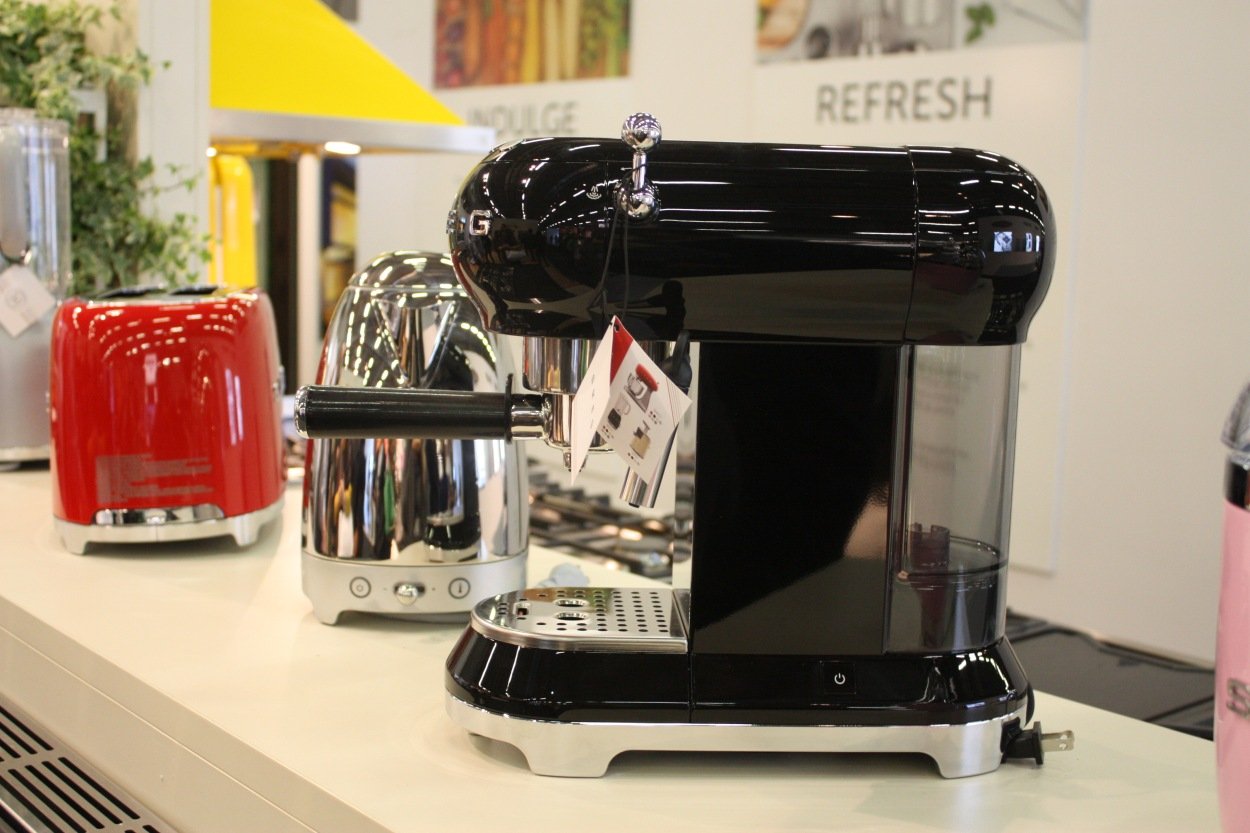
Coffee maker or espresso machine (for daily coffee drinkers)
If you drink coffee daily, quality gear matters. Better machines deliver more consistent flavor and less waste.
What to look for:
- Burr grinder for whole-bean grinding.
- For espresso: a pump machine with pressure control.
- For drip: a machine with a good showerhead and temperature control.
Price and care:
- Burr grinder: $60–$300.
- Drip machines: $80–$300.
- Espresso machines: $200–$2000+ depending on features.
Digital scale and instant-read thermometer
Small gadgets with big benefits. Precision matters for baking and meats.
What to look for:
- Scale with 1-gram accuracy and tare function.
- Thermometer that reads in 2–3 seconds and reaches 200+°F.
Price and care:
- Scale: $15–$60.
- Thermometer: $20–$70.
- Keep batteries fresh and store the tools near the prep area.
Quality baking sheets and glass baking dishes
Thin pans warp and cook unevenly. Thicker pans and heavy glass give consistent results.
What to look for:
- 18-gauge steel or heavy anodized aluminum for pans.
- Tempered glass for baking dishes.
- Rimmed baking sheets for even air flow.
Price and care:
- Baking sheet: $15–$50.
- Glass dishes: $15–$40.
- Avoid the dishwasher for some pans; wipe and dry well.
Cutting boards (wood for knives, plastic for meat)
Protect both the board and the knife. Cheap boards can warp and dull blades.
What to look for:
- End-grain wood for longevity and knife care.
- Heavy-duty plastic for raw meat that you can sanitize.
Price and care:
- Wood board: $30–$150.
- Plastic board: $10–$30.
- Oil wood boards regularly and sanitize plastic boards in the dishwasher.
Faucet, sink accessories, and good lighting (if remodeling)
If you remodel or upgrade fixtures, spend where you use it daily. A good faucet saves time and reduces frustration.
What to look for:
- Pull-down faucet with ceramic cartridge.
- LED task lighting over work zones.
- Durable finishes that resist water spots.
Price and care:
- Faucets: $150–$500.
- Lighting: $50–$300.
- Choose trusted brands and check warranties.
At the core, focus on kitchen items worth spending money on that change how food tastes, feel safer, or save time. Skip splurges on single-use gadgets that gather dust.
How to decide what to splurge on
Use this short checklist to decide what to buy.
- Frequency: Buy quality if you use it daily.
- Impact: Spend on items that affect texture, heat, or safety.
- Repairability: Prefer items you can sharpen, re-season, or service.
- Space: Avoid large single-use tools if you have limited storage.
- Budget: Start with a good knife, a heavy skillet, and a blender or scale.
Personal rule: If an item can ruin a dish or cut prep time in half, it is one of the kitchen items worth spending money on.
Care, maintenance, and when to replace
Buying quality is only half the story. Care keeps gear working.
- Clean correctly: hand wash when needed and dry right away.
- Maintain edges: sharpen knives and check seals on appliances.
- Re-season cast iron and fix small chips in cookware.
- Replace when performance drops or safety is at risk.
I replaced a warped pan once instead of holding to it. The new pan made better meals and saved energy. That is a common trade-off to accept.
Budget-friendly swaps: what to skip or buy cheap
You can save money on these without much loss.
- Single-use gadgets like avocado slicers or corn strippers.
- Cheap flatware and basic storage containers.
- Small electric appliances you’ll use rarely.
When you do buy cheap, choose items that are easy to replace. This helps you keep the budget for key kitchen items worth spending money on.

Frequently Asked Questions of What kitchen items are worth spending money on
What is the single most important item to splurge on?
A high-quality chef’s knife is the best single purchase. It affects safety, speed, and how food looks and cooks.
Are stand mixers worth the cost?
Yes, if you bake often. They save time and give consistent dough and batter results.
Can I get by with a cheap pan?
You can, but cooking results will be less consistent and pans may warp. A mid-range skillet pays off quickly.
How often should I replace kitchen tools?
Replace when performance drops, safety is compromised, or repairs cost nearly as much as replacement. Many good tools last years with proper care.
Is a high-end coffee maker necessary for good coffee?
No, but a good grinder and fresh beans are more important for daily coffee drinkers. A decent machine with a burr grinder makes a big difference.
Conclusion
Spend on tools that change how food turns out, save time, or keep you safe. Prioritize a chef’s knife, a heavy skillet, a dependable blender, and solid measuring tools. Care for them, and they will serve you for years. Start with one key upgrade this month and notice the difference in your cooking. Share what you buy or ask questions below to learn more, and consider subscribing for gear guides and hands-on tips.