A microwave size depends on your kitchen space and how you plan to cook—most homes use 0.9 to 1.6 cubic feet units.
I’ve helped friends and clients pick microwaves for small apartments, busy family kitchens, and custom builds. In this guide I explain how to decide what size microwave? by matching capacity, counter space, and cooking needs. You’ll get clear rules, measurement steps, real-life tips from my tests, and mistakes to avoid so you buy the right microwave the first time.

How microwave sizes are measured
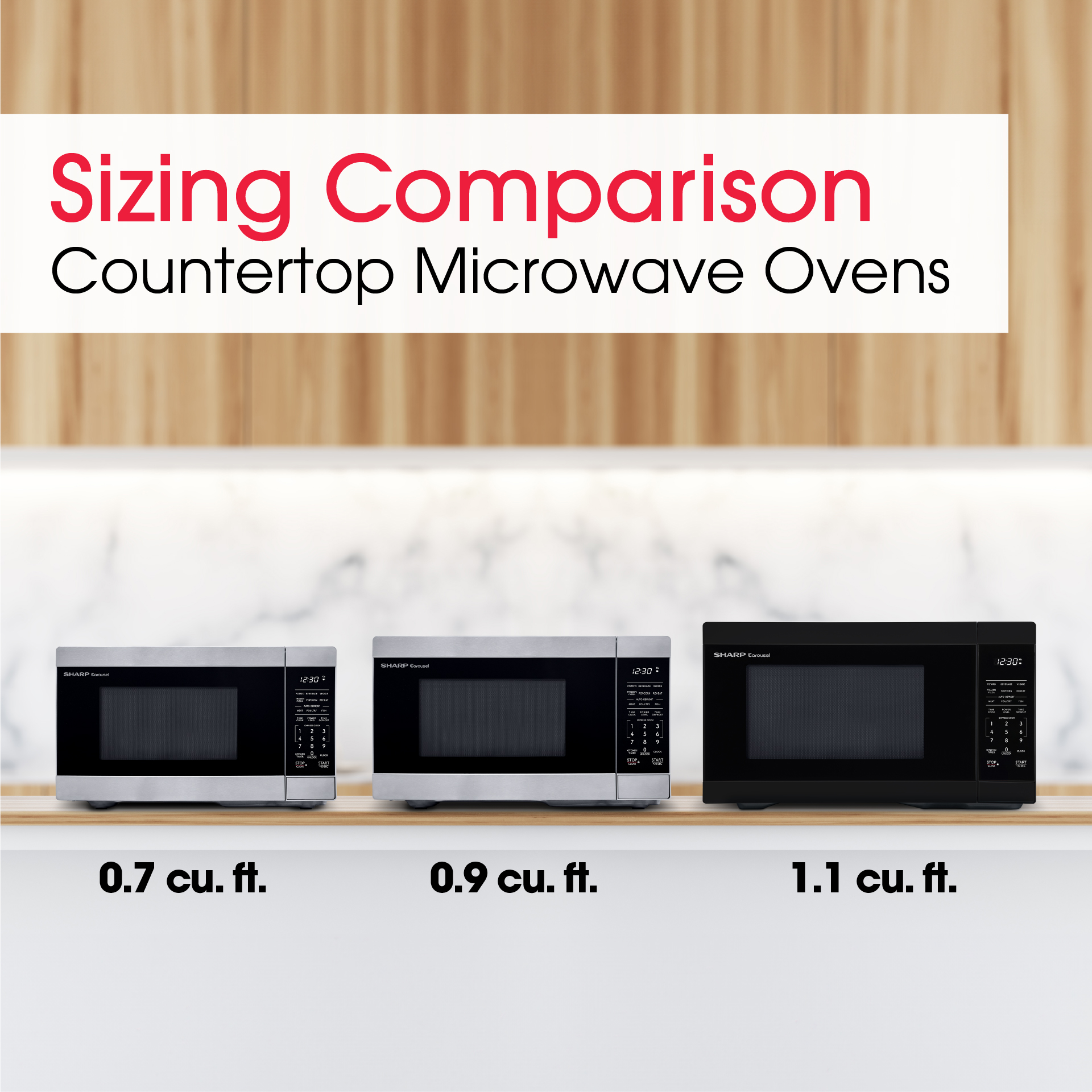
Manufacturers list microwave size as interior capacity in cubic feet. This number tells you how much room is inside for plates and containers. Common sizes range from about 0.5 cu ft to over 2.2 cu ft.
Capacity relates to usable space, not external footprint. A 0.9 cu ft microwave often fits a standard dinner plate. A 1.6 cu ft model fits a large casserole dish. Knowing both interior cubic feet and turntable diameter helps you answer what size microwave? for your needs.
Common microwave sizes and who they suit
0.5 to 0.7 cu ft
- Best for: dorm rooms, small offices, single people.
- Pros: compact, lower price, fits tiny counters.
- Cons: can’t heat large plates or big baking dishes.
0.9 to 1.1 cu ft
- Best for: couples, small families, most renters.
- Pros: fits standard plates, good for everyday use.
- Cons: limited for large casserole dishes.
1.2 to 1.6 cu ft
- Best for: families, meal prep, reheating big dishes.
- Pros: roomy interior, better for tall containers.
- Cons: larger footprint may crowd counter.
1.7 cu ft and up
- Best for: serious cooks, built-in installations.
- Pros: fits large cookware, versatile.
- Cons: higher cost, needs more kitchen space.
When someone asks what size microwave? you should think about the largest dish you’ll regularly use. I once bought a 0.9 cu ft model and later replaced it after real cooking needs showed up. That mistake taught me to measure before I buy.
How to choose what size microwave?
List your main uses first. Do you mostly reheat, cook full meals, or steam vegetables? Match uses to size.
Measure the largest item you’ll place inside. Use width, depth, and height of the plate or dish.
Consider turntable diameter; it affects which plates will rotate properly. If you use a square casserole, check diagonal length as well.
Think about countertop space. A roomy interior with a large external footprint can block sinks or outlets.
If you’re unsure, a 1.1–1.6 cu ft microwave is the safest middle ground. From my experience, that range handles most home tasks without crowding counters.
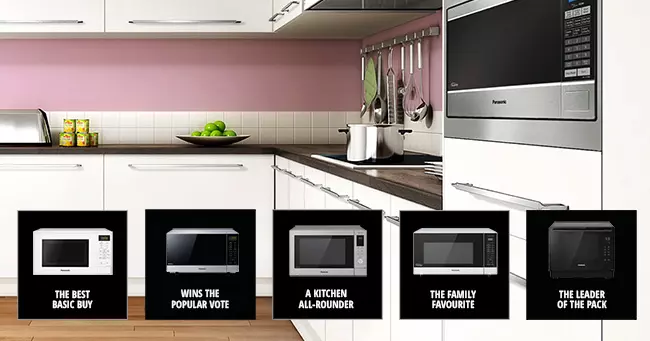
Measuring your space and expected uses
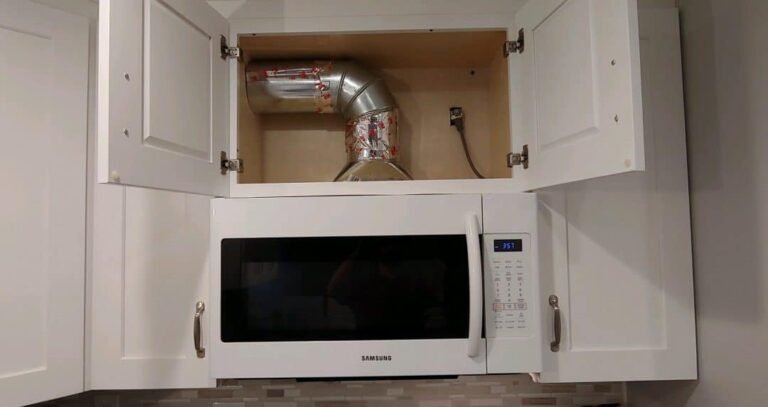
Step 1: measure available counter or cabinet depth, width, and height. Allow at least one inch behind, one inch on sides, and three inches above for ventilation.
Step 2: measure the largest plate or dish you’ll use. Write down width and height.
Step 3: check door swing. Some microwaves need space for the door to open fully.
Step 4: match measurements to model specs. Look at interior cubic feet and turntable diameter. If specs are unclear, compare with a tape measure in store or ask sales staff for exact interior dimensions.
I once ignored clearance specs and had to return a microwave because it overheated in a tight cabinet. Learn from that—measure twice, buy once.
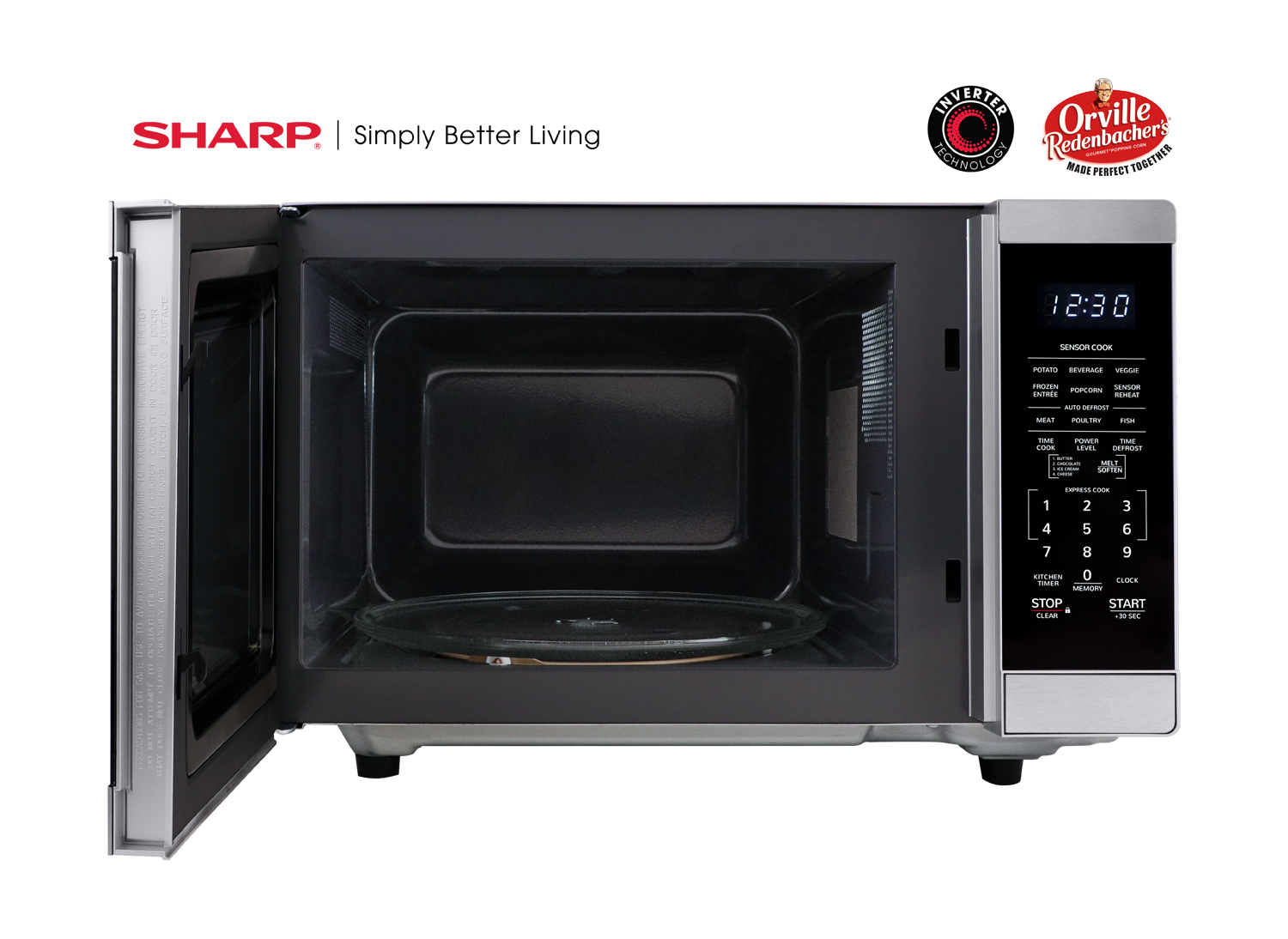
Installation types and clearance
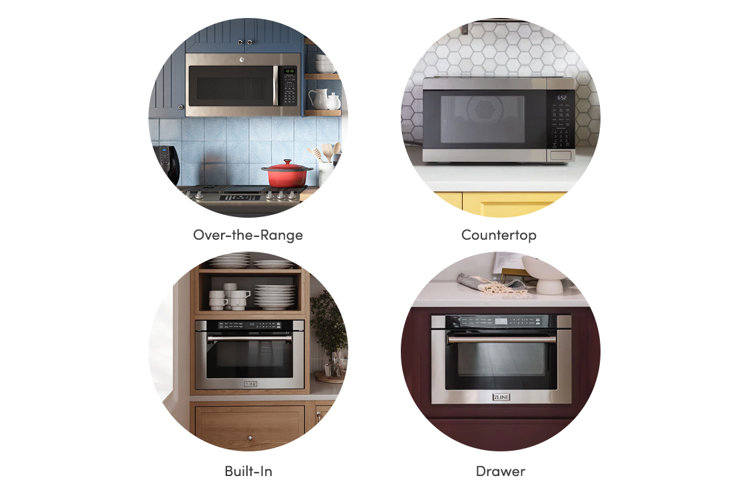
Countertop microwaves
- Easy to install and replace.
- Work great when you need flexibility.
Over-the-range microwaves
- Save counter space and include venting options.
- Require cabinet support and proper height above stove; usually 13–18 inches above cooktop.
Built-in microwaves
- Trim kits create a flush look.
- Need exact cutout dimensions and professional install for a clean fit.
When asking what size microwave? don’t forget installation type. Each option changes the usable external size and ventilation needs.

Wattage, capacity and cooking performance
Wattage affects cook speed and consistency. Most microwaves are 600–1,200 watts. Higher watts cook faster and more evenly.
Capacity and wattage combined determine performance. A large 1.6 cu ft microwave with low wattage may cook slower. A small high-wattage unit heats fast but lacks room for big dishes.
For everyday cooking aim for at least 900 watts. That balance helps when you answer what size microwave? for both speed and space.
In tests, meals heated in a 1.2–1.6 cu ft microwave at 1,000 watts came out evenly heated. Smaller units struggled with dense casseroles.

Price and features to consider
Check for sensor cooking for better results without guesswork.
Look for presets for popcorn, potatoes, and beverages if you want convenience.
Consider turntable on/off options for square dishes.
Warranties vary. A longer warranty matters if you use the microwave heavily.
When deciding what size microwave? budget and features often guide which model you can realistically install. I’ve found spending a bit more on a reliable model saves headaches later.

Frequently Asked Questions of what size microwave?
What size microwave fits a standard dinner plate?
Most standard dinner plates fit comfortably in 0.9 to 1.1 cu ft microwaves. Measure the plate diameter and compare to the turntable size to be sure.
Is a 1.6 cu ft microwave too big for a small kitchen?
A 1.6 cu ft microwave can be large for tight counters but works if you have the space. Consider an over-the-range or built-in option to save counter space.
How do I measure for a built-in microwave?
Measure the cabinet cutout height, width, and depth and compare to the manufacturer’s cutout specs. Allow extra room for ventilation and trim kit fit.
Will a higher wattage microwave cook better?
Yes, higher wattage usually cooks faster and more evenly. Aim for 900–1,200 watts for reliable performance across many foods.
Can I use a microwave without a turntable?
Yes, some models have removable turntables or flatbed designs. Check interior dimensions and rotation options to ensure even heating for larger dishes.
Conclusion
Choosing what size microwave? comes down to matching interior capacity, wattage, installation type, and your regular dishes to the space available. Measure carefully, pick a middle-range size if you’re unsure, and prioritize features that save time and improve results. Try these steps when shopping: measure first, list uses next, then compare model specs. Share your kitchen measurements or questions below, and subscribe for more practical appliance guides.