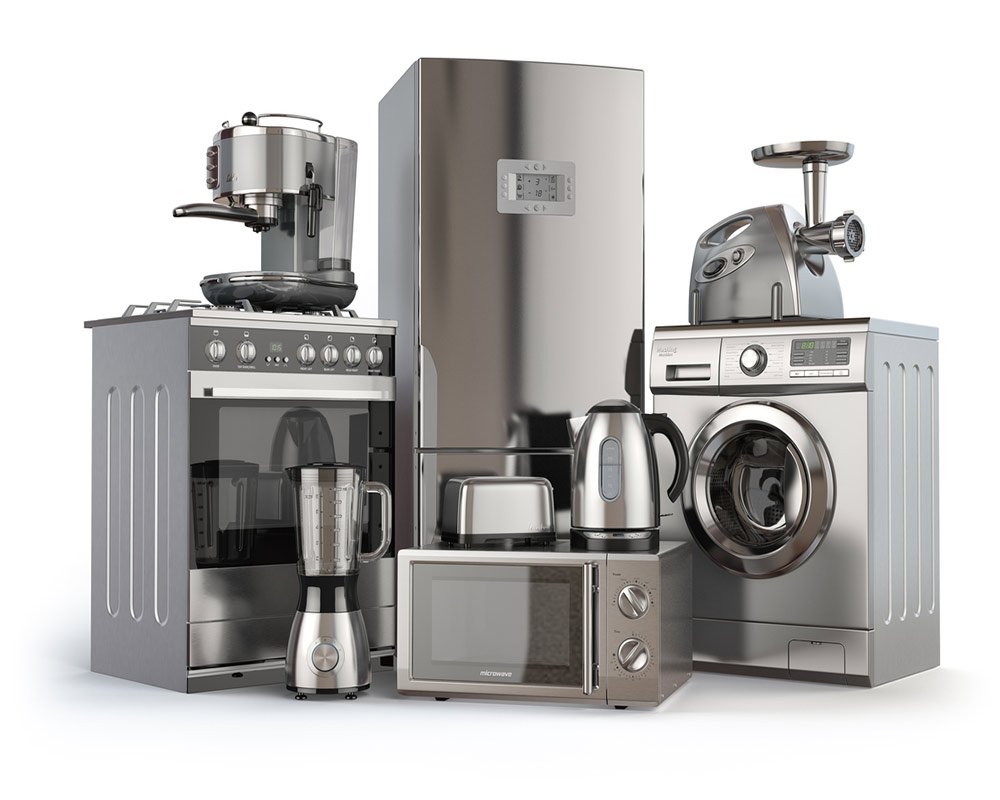
Replace appliances when repair costs near replacement and they fail often or waste energy.
I’ve spent years advising homeowners and testing kitchen gear, so I know the signs and numbers that matter when to replace kitchen appliances. This guide walks through real timelines, clear red flags, and practical steps to help you decide whether to repair or replace each appliance with confidence.

Common signs it’s time to replace kitchen appliances
Appliances give hints before they die. Watch for frequent breakdowns, rising energy bills, odd noises, and inconsistent performance. When repairs become regular or the unit no longer performs safely, that is a strong signal about when to replace kitchen appliances.
Look at the money and risk. If a repair costs more than half the price of a new appliance, or if the old unit still fails soon after service, replacement is usually smarter. Also consider safety issues like gas leaks, electrical faults, or mold in refrigerators and dishwashers.
Personal note: I once delayed replacing a 15-year-old refrigerator and paid for three repairs in two years. Upfront replacement would have saved money and reduced food spoilage. Use that lesson: track repair costs and time between failures to decide when to replace kitchen appliances.
:max_bytes(150000):strip_icc()/lifespan-of-household-appliances-4158782_final_v3-7b0e2714582145398d1605b3f96cb110.png)
Typical lifespans by appliance
Knowing average lifespans helps answer when to replace kitchen appliances. These are ballpark figures based on industry data and real-world use.
- Refrigerator: 10 to 15 years.
- Electric range/oven: 12 to 15 years.
- Gas range/oven: 15 to 20 years.
- Dishwasher: 9 to 12 years.
- Microwave: 7 to 10 years.
- Range hood/vent: 10 to 15 years.
- Garbage disposal: 8 to 12 years.
- Washer/dryer combo used in kitchen space: 8 to 12 years.
A unit near or beyond these ranges is more likely to have failures and inefficiencies. That helps answer when to replace kitchen appliances: treat age as one factor, not the only one.
Appliance-specific recommendations
Here are concrete signs for when to replace kitchen appliances, broken down by appliance type.
Refrigerator
- Signs to replace: Frequent coolant leaks, warm spots, rusted coils, compressor failures, and ice buildup that defrost cycles won’t fix.
- Why replace: Old compressors use more energy and may fail catastrophically, risking food loss.
- Typical trigger: Two or more repairs in three years or age over 12 years suggests replacement.
When to replace kitchen appliances: if your fridge wastes energy or lets food spoil, replace it.
Dishwasher
- Signs to replace: Persistent clogs, leaks, failing pumps, or electronics errors that recur after repair.
- Why replace: Leaks can damage floors and cabinets; persistent failures reduce convenience.
- Typical trigger: Age over 10 years with leaking or motor failure.
When to replace kitchen appliances: replace when reliability drops and leaks occur.
Range, cooktop, and oven
- Signs to replace: Uneven heating, ignition problems on gas units, warped glass cooktops, or repeated control board failures.
- Why replace: Cooking safety and consistent temperatures matter for food quality and safety.
- Typical trigger: Repeated repair bills for heating elements or control systems.
When to replace kitchen appliances: replace when repairs don’t restore consistent cooking performance.
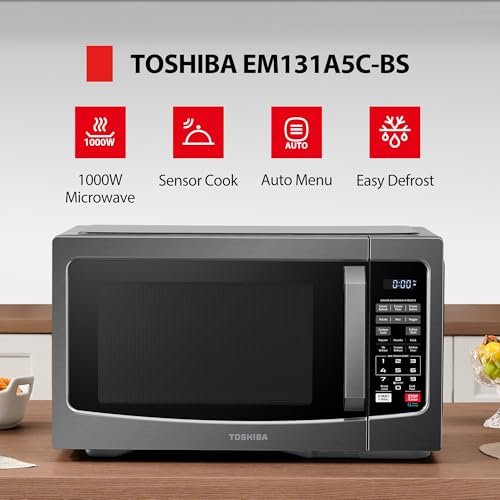
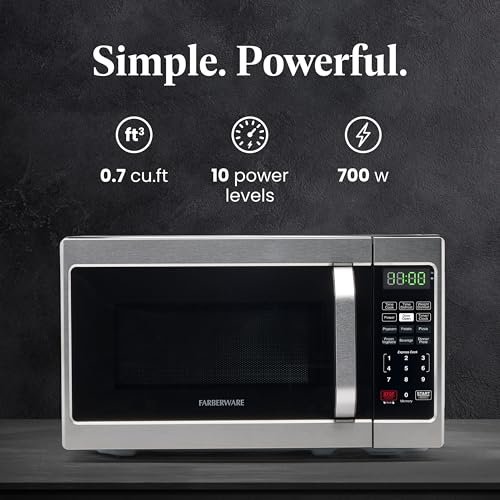
Microwave
- Signs to replace: Sparks, burning smell, inconsistent heating, or the turntable not rotating.
- Why replace: Microwaves are inexpensive relative to repair complexity and safety concerns.
- Typical trigger: Major electrical failure or age over 8–10 years.
When to replace kitchen appliances: swap out microwaves showing electrical issues.
Garbage disposal
- Signs to replace: Frequent jams, leaks at the sink flange, or grinding failure after repair.
- Why replace: New models are more powerful and quieter and swapping is usually quick and affordable.
- Typical trigger: Persistent leakage or motor failure after attempted fix.
When to replace kitchen appliances: replace disposals when leaks or motor failures recur.
Range hood
- Signs to replace: Fan not exhausting well, persistent grease buildup, or noisy motors.
- Why replace: Proper ventilation protects cabinets and indoor air quality.
- Typical trigger: Poor airflow or repeated motor failure.
When to replace kitchen appliances: replace hoods that no longer vent properly.
Repair vs replace: a practical decision framework
Use a short checklist to decide when to replace kitchen appliances. This replaces guesswork with clear criteria.
- Age test: Compare appliance age to typical lifespan. Older than recommended increases replacement likelihood.
- Repair cost test: If repair cost is 50% or more of a new unit, favor replacement.
- Frequency test: Multiple repairs in a short span point to replacement.
- Efficiency test: High energy use compared to modern models suggests replace for long-term savings.
- Safety test: Any gas leaks, severe electrical faults, or mold contamination tip toward replacement immediately.
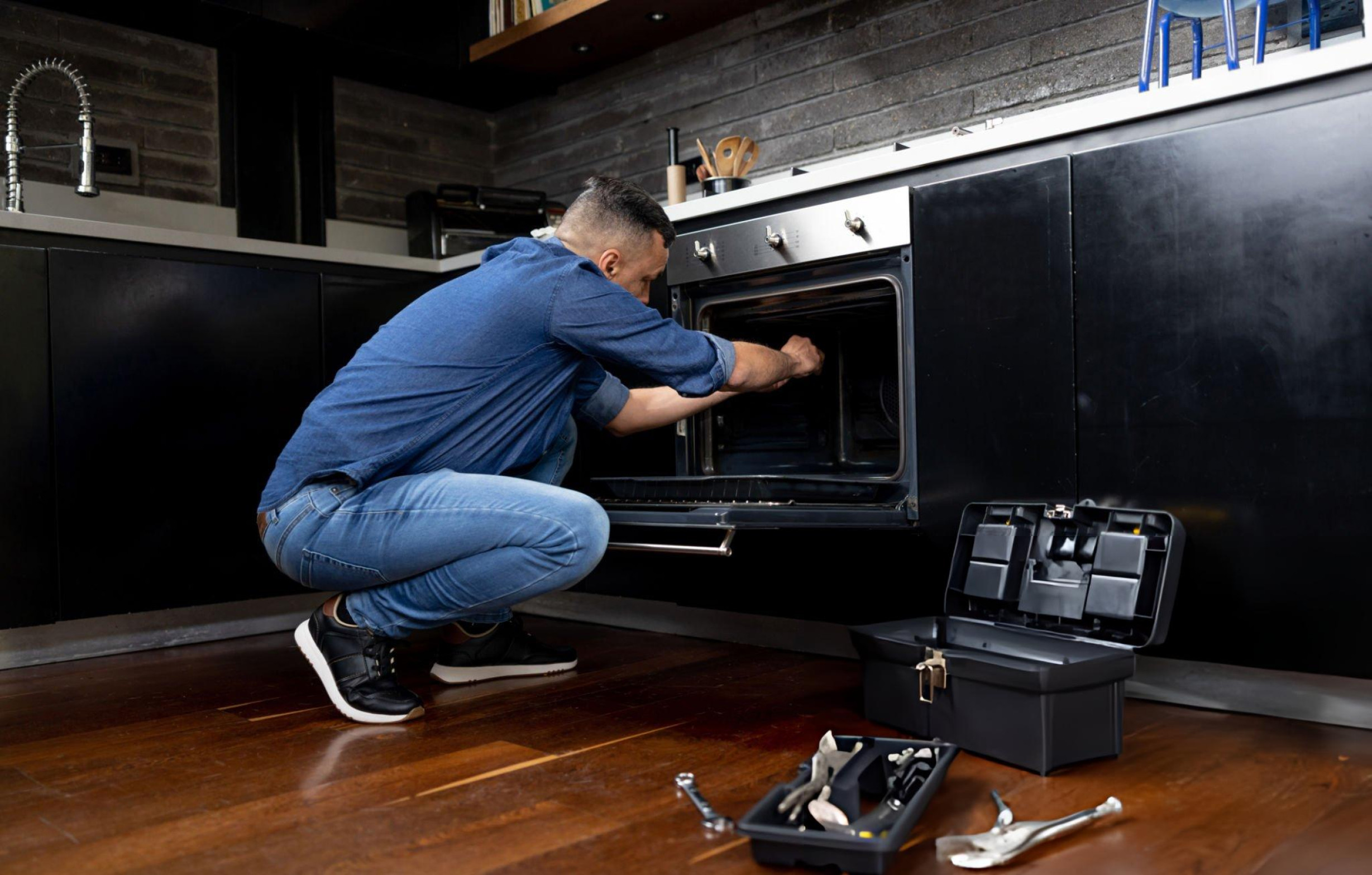
I once advised a client whose oven was 14 years old with a new control board costing 60% of a new oven. We replaced it. The new unit cooked better and reduced energy use. That experience shows the checklist works well.
Energy efficiency, rebates, and long-term savings
Energy use matters for when to replace kitchen appliances. New appliances often use far less energy and water.
- New refrigerators and dishwashers often cut energy use by 20–40%.
- Replacing old appliances can lower utility bills and improve resale value.
- Look for energy rebates and tax incentives to reduce upfront cost.
- Calculate payback: estimate annual savings and divide the purchase premium by yearly savings to get years to break even.
Example: If a new fridge saves $75 per year in energy and costs $600 more than repairing the old unit, payback is eight years. If the old unit is likely to fail sooner, replacement is usually wiser. Use these calculations when deciding when to replace kitchen appliances.
How to choose the right replacement
Choosing a replacement is as important as deciding when to replace kitchen appliances. Focus on fit, features, and longevity.
- Size and capacity: Measure openings and cabinet clearances before buying.
- Energy rating: Choose ENERGY STAR or similar for lower running costs.
- Features: Balance must-have features with reliability. Avoid overpaying for rarely used extras.
- Brand and warranty: Look for reputable brands and at least a one-year warranty; consider extended warranties for complex, high-cost units.
- Installation and disposal: Factor in installation costs and safe disposal or recycling of the old unit.
Personal tip: I always measure twice and read multiple user reviews about long-term reliability. That saved me from buying a trendy appliance with recurring electronic issues.

Maintenance tips to extend appliance life
Small habits delay the point of when to replace kitchen appliances. Regular care makes a big difference.
- Clean coils on refrigerators yearly to improve efficiency.
- Run dishwasher cleaning cycles and clear filters monthly.
- De-scale kettles and check microwave vents to prevent overheating.
- Replace water filters per manufacturer schedule to protect components.
- Use surge protectors for electronics and avoid overloading circuits.
- Address small issues quickly—silent faults often grow into major failures.
Following these tips can add years to your appliances and push back the date for when to replace kitchen appliances.

Frequently Asked Questions of when to replace kitchen appliances
When is it better to replace than repair an appliance?
If repair costs are 50% or more of a new unit, or if failures repeat frequently, replacement is usually better. Safety issues or major efficiency losses also favor replacement.
How much does age matter when deciding to replace appliances?
Age is a useful guide but not the only factor; combine age with repair history, performance, and energy use to decide when to replace kitchen appliances. Old but well-maintained units can last longer.
Are energy savings enough reason to replace appliances?
Energy savings can justify replacement, especially with rebates and high energy costs. Do a payback calculation to see if long-term savings cover the purchase price.
Can routine maintenance significantly delay replacement?
Yes. Regular cleaning, filter changes, and timely small repairs often extend lifespan and delay when to replace kitchen appliances by several years.
Should I buy extended warranties for new appliances?
Extended warranties can help for complex or costly units, but read terms carefully. Consider the reliability track record and likelihood of early failures before buying.
Conclusion
Knowing when to replace kitchen appliances comes down to age, repair costs, safety, efficiency, and reliability. Track repairs, compare repair costs to replacement prices, and consider energy savings and safety risks when deciding. Start by listing your appliance ages and recent repair costs, then apply the simple checklist from this guide.
Take action today: inspect your appliances, calculate potential savings, and decide one smart replacement to improve safety and save money. If you found this useful, subscribe for more practical home advice or leave a comment with your appliance questions.