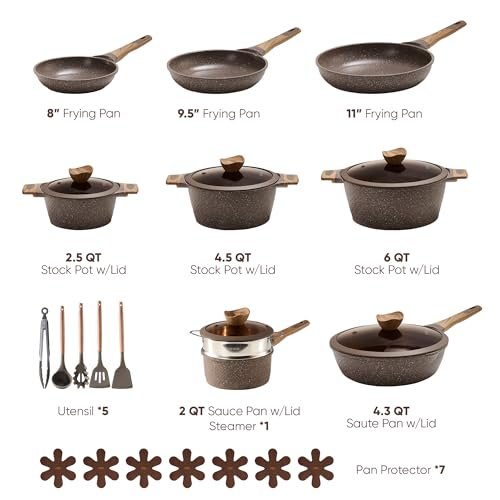
For most people, stainless steel and quality nonstick (ceramic or PTFE) work best daily.
I have spent years testing pans and pots in home kitchens and small restaurants. I know which cookware is best for daily use and why. This guide breaks choices down by material, cost, stove type, and care. Read on to learn clear, practical advice so you can pick cookware that fits your cooking and life.

Why choosing the right cookware matters
Picking the right set saves time, money, and stress. Good cookware cooks food evenly and lasts longer. It also affects health, cleanup, and fuel use. When you ask which cookware is best for daily use, think of how you cook, how often, and how much care you want to give your tools.

Common cookware materials: pros and cons
Here are the main materials and what they do well. Each short note helps you answer which cookware is best for daily use based on real needs.
Stainless steel
- Pros: Durable, nonreactive, great for browning and deglazing.
- Cons: Can stick with low fat; heat spots on thin pans.
- Good for: Everyday searing, sauces, and busy kitchens.
- Note: Look for 18/10 stainless or tri-ply for best heat.
Nonstick PTFE (classic nonstick)
- Pros: Easy to clean, requires little oil, great for eggs and pancakes.
- Cons: Wears over time; avoid very high heat.
- Good for: Quick low-fat cooking and sensitive foods.
- Tip: Replace when coating flakes to avoid ingestion of particles.
Ceramic nonstick
- Pros: PTFE-free, slick interior, easy cleanup.
- Cons: Coating can degrade faster than PTFE; not always oven-safe at high temps.
- Good for: Gentle daily use and people avoiding PTFE.
Cast iron
- Pros: Excellent heat retention, naturally nonstick when seasoned.
- Cons: Heavy, needs care to avoid rust, reactive with acidic food unless enameled.
- Good for: Searing, braises, and long-use pieces you love.
Carbon steel
- Pros: Lighter than cast iron, excellent heat conduction, becomes nonstick with seasoning.
- Cons: Needs maintenance like cast iron.
- Good for: Stovetop high-heat cooking and those who want a lighter skillet.
Aluminum (anodized)
- Pros: Fast, even heating; anodized version is hard and nonreactive.
- Cons: Plain aluminum can react with acidic food.
- Good for: Budget-friendly sets and quick cooking.
:max_bytes(150000):strip_icc()/slv-best-stainless-steel-cookware-sets-tout-3b1c87291ef7497d95cc326be3f4a29a.jpg)
Which cookware is best for daily use: practical picks
Answering which cookware is best for daily use depends on daily menus. Here are clear picks by use case.
If you want low-effort daily cooking
- Choose a high-quality nonstick pan set. They cut cleanup time and need less oil.
- Keep one nonstick skillet and one nonstick saucepan for eggs, stir-fries, and sauces.
If you want all-purpose durability
- Choose tri-ply stainless steel cookware. It handles searing, sauces, and oven work.
- Add a nonstick skillet for eggs and delicate foods.
If you cook for flavor and longevity
- Keep a cast iron skillet and a tri-ply stainless set. Cast iron gives deep sear and holds heat for bread and stews.
- Maintain season and avoid acidic dishes in raw cast iron.
If you cook fast and light
- Hard-anodized aluminum sets are fast and durable.
- Pair with a ceramic nonstick for gentle foods.
Essential pieces for daily use
- 8–10 inch skillet for eggs and sautés.
- 10–12 inch skillet for larger meals.
- 2–3 quart saucepan for rice and sauces.
- 4–6 quart pot for soups and pasta.
- Dutch oven or braiser for roasts and stews.
Which cookware is best for daily use will vary by your habits. Choose a small set that matches what you cook most often.
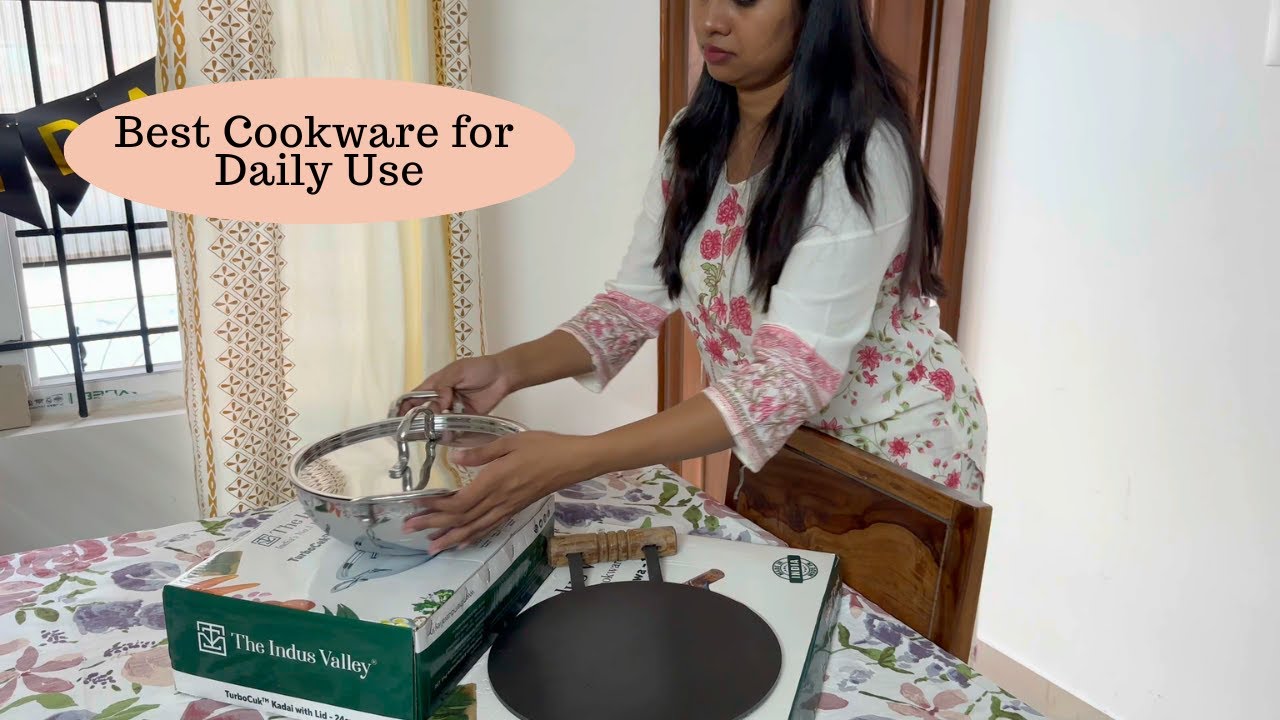
How to choose: a simple checklist
Use this checklist to decide which cookware is best for daily use for you.
- Match to your stove: Induction needs magnetic bases.
- Consider weight: Heavy pans hold heat but are harder to lift.
- Think about care: Do you want dishwasher-safe items?
- Budget realistically: Buy fewer, higher-quality pieces over many cheap ones.
- Look for warranty: Brands that stand behind their goods matter.
Try one new piece first. Cook with it for a month. If it fits your routine, invest in more.

Care, maintenance, and safety tips
Proper care keeps cookware useful and safe. Simple habits extend life and performance.
Cleaning and use
- Use warm water and mild soap for nonstick and stainless steel.
- For burnt food, soak with hot water before scrubbing.
- Avoid metal tools on nonstick surfaces.
Maintenance for seasoned pans
- Reseason cast iron and carbon steel after heavy scrubbing or rust.
- Dry and oil cast iron to stop rusting.
- Avoid soaking wooden handles or leaving pans in water.
Safety and longevity
- Never overheat empty nonstick pans.
- Replace nonstick when coating peels.
- Check rivets and handles for wear and repair or retire older pieces.
These steps help decide which cookware is best for daily use by keeping each piece safe and working well.

My experience, mistakes, and practical tips
I learned which cookware is best for daily use the hard way. I once bought a cheap full set and found the thin pans warped in months. Lesson learned: spend a bit more on core pieces. I now keep one quality stainless set, one ceramic nonstick skillet, and a cast iron pan.
Simple tips I use every week
- Season new cast iron before first use.
- Use a gentle sponge on nonstick pans to extend life.
- Store lids separately to avoid traps of moisture that cause rust.
A good mix of materials gives flexibility. Choose pieces you will actually use every day.
Frequently Asked Questions of which cookware is best for daily use
What is the single best pan for everyday cooking?
A tri-ply stainless steel skillet is the most versatile. It works for searing, sautéing, and oven use and pairs well with one nonstick pan for delicate foods.
Is nonstick safe for daily use?
Yes, modern nonstick is safe when used at recommended temperatures and without a damaged coating. Replace pans when the coating flakes or peels.
Do I need cast iron for daily cooking?
Not always. Cast iron is great for specific tasks like searing and baking, but a stainless and nonstick combo can cover most daily needs.
Can I use the same cookware on gas and induction?
Only cookware with a magnetic base works on induction. Many stainless and cast iron pans work on both gas and induction.
How often should I replace my daily-use pans?
Replace when performance drops or coatings peel. For nonstick, this can be every 3–8 years depending on use; stainless can last decades with care.
Is ceramic nonstick better than PTFE nonstick?
Ceramic is appealing for being PTFE-free but often wears faster. PTFE performs better long-term but requires mindful temperature control.
Conclusion
Choosing which cookware is best for daily use comes down to your cooking style, stove, budget, and how much care you want to give your pans. A short list I trust: a tri-ply stainless set, a reliable nonstick skillet, and a cast iron or carbon steel pan for heavy-duty work. Start small, test one piece, and build a set that fits your real kitchen life. Try one of the suggested combos this month and notice how your cooking and cleanup change—then invest in the pieces that prove useful. Leave a comment with your kitchen setup or subscribe for more hands-on tips.