Baking pans warp because repeated heat stress, uneven heating, and thin metals cause metal fatigue.
I have spent years testing pans in home and small commercial kitchens. I know why baking pans warp and how small changes in use or choice can stop it. Read on for clear causes, smart fixes, and practical tips you can use today.

Why baking pans warp: main causes
Warping starts when metal bends from heat. The short answer to why baking pans warp is stress from uneven heat and rapid temperature change. Thin metals bend more. Coatings and seams can add weak spots. Repeated cycles make the bend permanent.
Common causes include:
- Uneven heating in the oven leading to hot and cool spots.
- Rapid temperature changes, such as rinsing a hot pan with cold water.
- Thin or low-quality metal that flexes under heat.
- Heavy impact or pressure on the pan while hot.
- Manufacturing flaws like poor welds or warped rims.
Why baking pans warp happens slowly for most pans. One bad roast or one oven rack push can start the problem. Over time the metal relaxes into the new shape. This changes bake times and causes uneven cooking.

Materials and design: how construction affects warping
Different metals react differently to heat. Aluminum heats fast but can bend easily. Steel resists bending but can still warp if thin. Nonstick coatings hide weak metal beneath. Foil pans, cheap cookie sheets, and light cake pans are most at risk.
Design features that matter:
- Metal thickness. Thicker pans resist warp.
- Reinforced rims. A rolled or stiffened rim adds strength.
- Layered or clad construction. Multiple layers add stability.
- Coatings. Nonstick or enamel won’t stop warping if the base is thin.
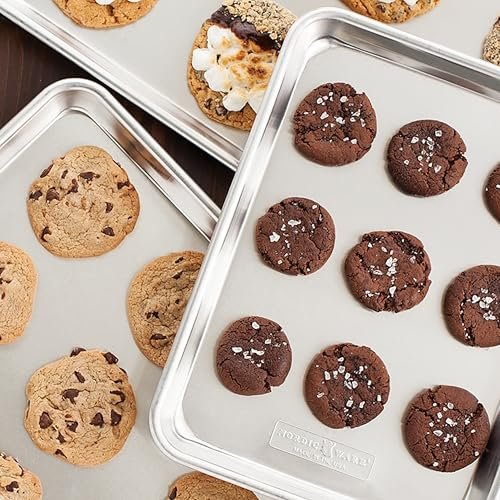
I once tested two cookie sheets. The cheaper thin sheet bowed after one bake. The thicker, rimmed sheet stayed flat for months. That taught me to choose build over brand name.

Oven use and habits that lead to warping
Your habits matter as much as the pan. Many people unknowingly cause warping with routine moves. For example, setting a very hot pan on a cold counter or pouring cold liquid into a hot pan causes thermal shock. Placing a hot pan on a bendable rack or on the oven door can also stress the metal.
Practical mistakes that cause warping:
- Removing a pan and cooling it too fast under water.
- Stacking heavy pans while one is still hot.
- Sliding pans across racks instead of lifting them.
- Using pans on high broil or directly on flame when not rated.
Why baking pans warp often ties to these small errors. I learned to lift pans and to let them cool a bit before cleaning. This simple habit cut my warping problems a lot.

How to prevent warping: tips that work
You can avoid most warping with a few smart moves. These are simple and cost little.
Prevention checklist:
- Buy thicker, well-rimmed pans when you can.
- Preheat the oven fully before placing pans inside.
- Place pans on middle racks for even heat.
- Avoid sudden temperature changes after baking.
- Use parchment or silicone mats to spread heat more evenly.
- Don’t overfill pans which can flex under weight.
- Allow pans to cool on heat-proof surfaces before washing.
Why baking pans warp stops when you follow these rules. Small care steps make a big difference.

How to fix a warped pan: safe methods and limits
Not every warped pan can be fixed. For mild warps you can try these steps. Use care to avoid injury.
Fix steps:
- Heat the pan in the oven at low heat for 10 minutes to relax the metal.
- Place the warm pan on a flat, solid surface.
- Use a rubber mallet very gently on the outer side to nudge it flat.
- For rimmed pans, bend the rim back evenly by hand or with pliers wrapped in cloth.
When to stop:
- If the pan cracks, discard it.
- If nonstick coating peels, replace the pan.
- If baking remains uneven after repair, replace the pan.
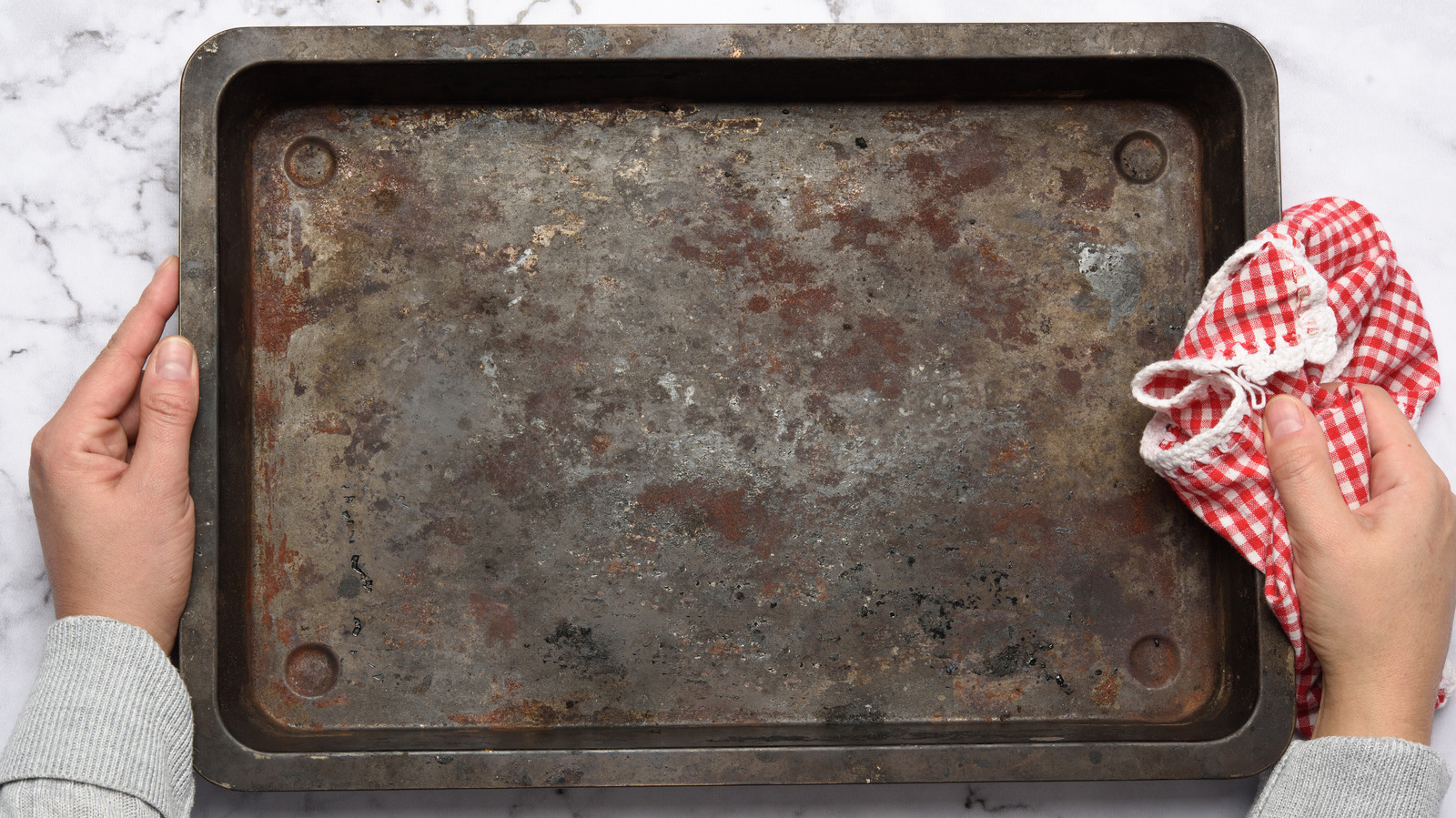
I once flattened a slightly bowed jelly roll pan with a few soft taps. It worked for months, but I kept using it gently after that.
Choosing pans to minimize warping
Spend a little more where it matters. The right pan choice lowers the risk of warping and improves baking.
What to look for:
- Thick gauge metal for sheets and pans.
- Rolled or reinforced edges for strength.
- Multi-layer or clad bakeware for stability.
- Oven rating for high heat use and broiling.
- Positive reviews that mention durability, not just nonstick performance.
Why baking pans warp less when you invest in quality. It pays off in even bakes and fewer replacements.

Care and maintenance tips that help pans last
Simple care keeps pans flat and safe. Good care extends life and keeps your pans working well.
Daily care tips:
- Hand wash when possible with warm water and mild soap.
- Avoid cold water on hot pans.
- Store pans without stacking heavy items on them.
- Line with parchment or silicone to reduce direct heat stress.
- Inspect rims and seams and retire pans if you spot cracks.
Why baking pans warp can be tied to neglect. A few minutes of care after each bake will protect your pans for years.

Frequently Asked Questions of why baking pans warp
What is the fastest way to warp a baking pan?
Rapid temperature change is the fastest cause. Pouring cold water on a hot pan or placing it on a cold surface can cause quick warping.
Can I use a warped pan safely?
Mild warps are usually safe for use, but they can bake unevenly. Replace the pan if the surface is badly bowed or coatings are damaged.
Do nonstick coatings prevent warping?
No. Coatings do not stop warping if the metal base is thin. Coatings protect food, not the pan’s shape.
Is it worth repairing a warped pan?
Minor warps can be fixed. If the pan has cracks, peeling, or continues to bake poorly, replacement is safer and more economical.
How can I test if a pan is likely to warp?
Check thickness, rim strength, and material. Thin, rimless pans that flex easily are most likely to warp under heat.
Conclusion
Warping is mostly about heat, stress, and thin metal. Knowing why baking pans warp helps you buy the right pan and use it well. Use thicker pans, avoid quick temperature shocks, and handle hot bakeware gently. Try the care tips above and you will see fewer warped pans and better bakes. Share your pan stories or questions below, subscribe for more tips, or try one change today to protect your bakeware.